Axios had some of the biggest voices in defense, artificial intelligence and commerce on our stage Wednesday in D.C. to talk about the new rules of power.
The big picture: We're making it easier for you to follow along with our event in D.C.
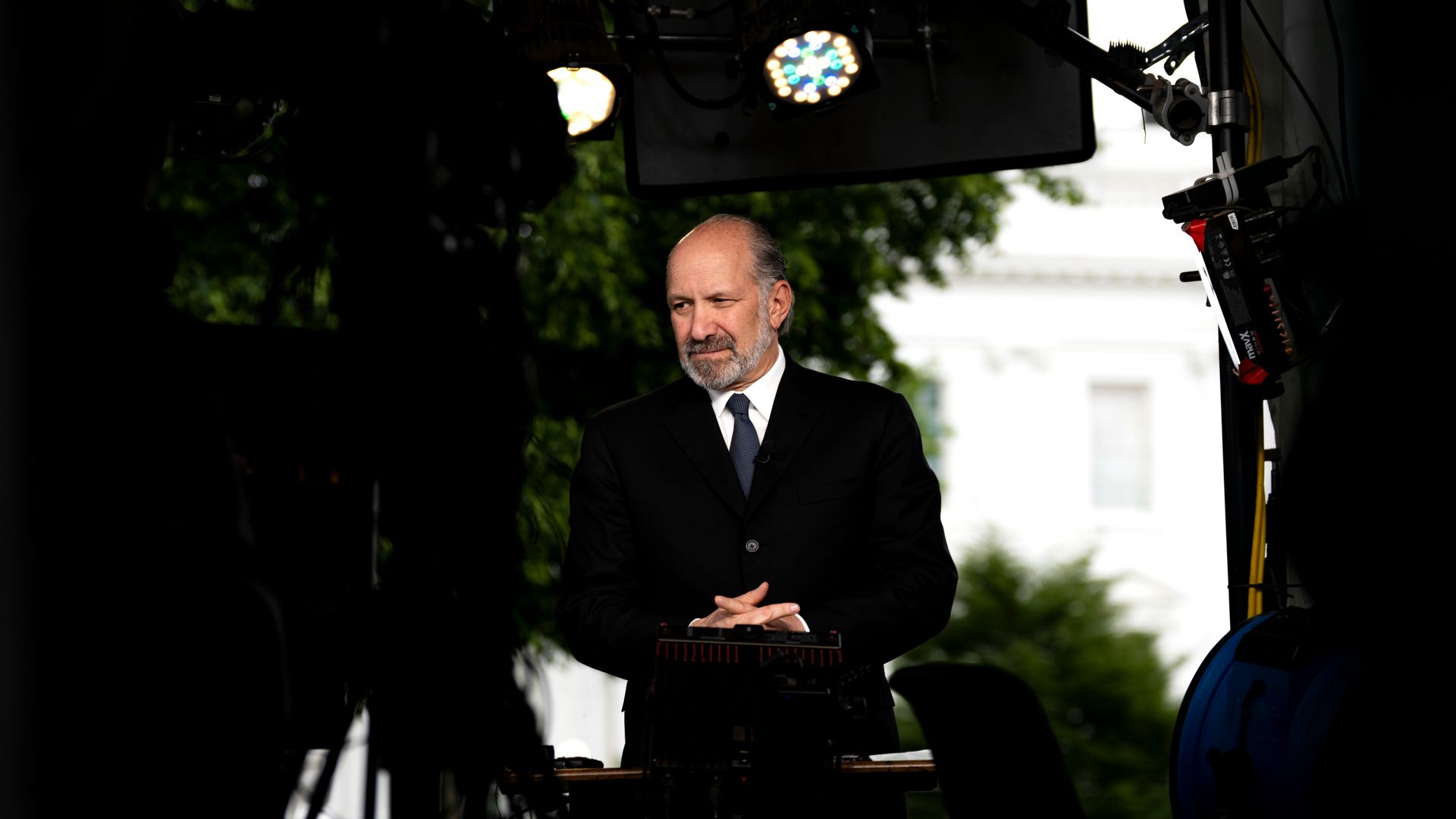
President Trump felt "horrible" about the impacts of tariffs on China that hit American businesses in April, Commerce Sec. Howard Lutnick said at an Axios event on Wednesday.
Why it matters: Lutnick said the pain was necessary — but he again insisted prices won't rise for consumers.
Sen. Jeanne Shaheen (D-N.H.) said Russian President Vladimir Putin is playing President Trump "like a fiddle," at an Axios event Wednesday.
Why it matters: Bipartisan pressure is growing in the Senate for the White House to give lawmakers the green light to pass a new package of sanctions against Moscow.
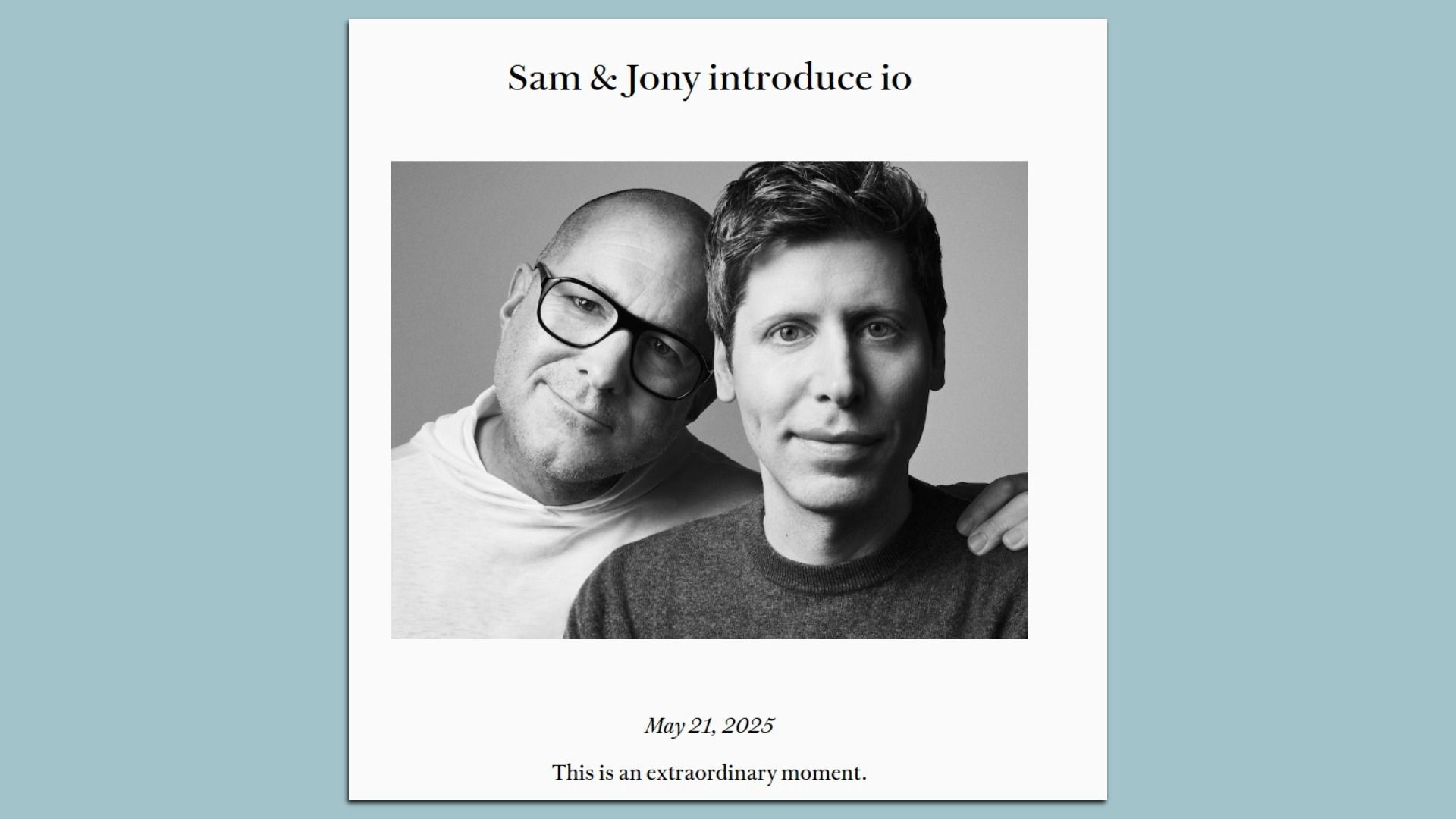
OpenAI said Wednesday it will pay $5 billion in stock for io, a startup co-founded by Jony Ive to create a new generation of AI devices.
Why it matters: The move will place Ive — the Steve Jobs collaborator who masterminded many of Apple's design breakthroughs — in a key creative role for OpenAI.
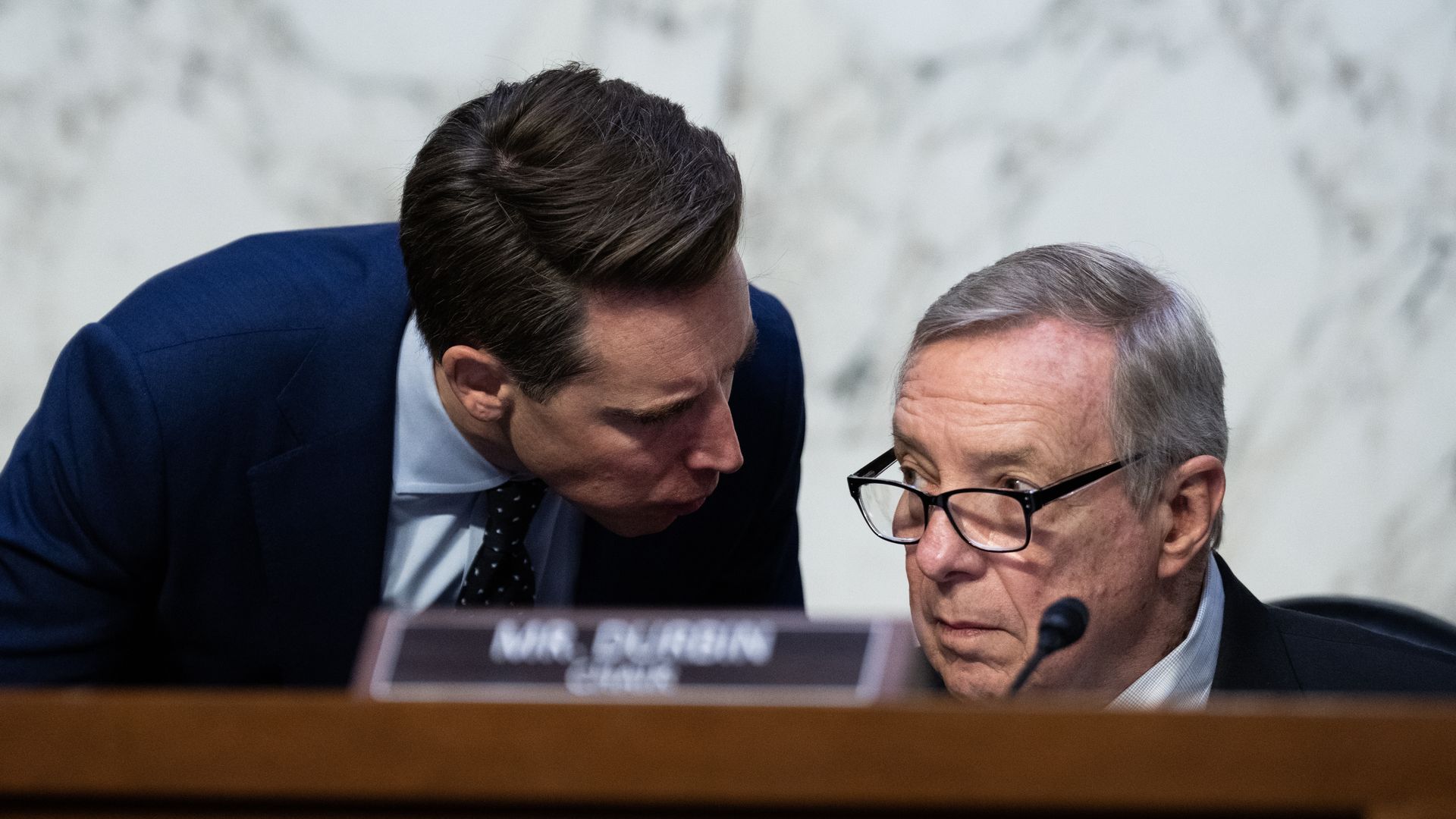
Sens. Josh Hawley and Dick Durbin will re-introduce legislation Wednesday that would hold tech companies accountable for hosting child sex abuse material.
Why it matters: The STOP CSAM Act would go after the statute that shields tech companies from being liable for what is posted on their platforms.
The Bezos Earth Fund is unveiling the first recipients in its grant program to harness AI for biodiversity protection, sustainable proteins, improving power grids and more, according to details shared exclusively with Axios.
Why it matters: While AI's energy suck gets tons of attention, the Bezos program explores how AI can further climate and ecological work.
Robert Cardillo, the chief strategist and chairman of the board atsatellite imagery firmPlanet Federal, wants you to be rested and inquisitive.
Asked in an interview with Axios what advice he'd give his younger self, he offered: "My quick answer is get more sleep. But I strongly believe the world is owned by those who ask."
"If you keep that unasked question in your head, it's not doing anyone any good," he said. "Just the two words 'why not' or the one word 'why' can be very useful."
Why he matters: Cardillo has decades of experience in national security. He's a former director of the National Geospatial-Intelligence Agency and former deputy director of the Defense Intelligence Agency.
In a small hangar east of downtown Orlando sits a custom two-seater aircraft hardwired for combat. It carries no missiles under its wings. It has no concealed weapons bay. And it has no refueling probe.
It does, however, host the Advanced Tactical Augmented Reality System (ATARS), which can simulate all of the above.
The big picture: Training and rehearsal are cornerstones of military success. But it's easier said than done. Services like the U.S. Air Force are plagued by pilot shortages, aging aircraft and availability issues.
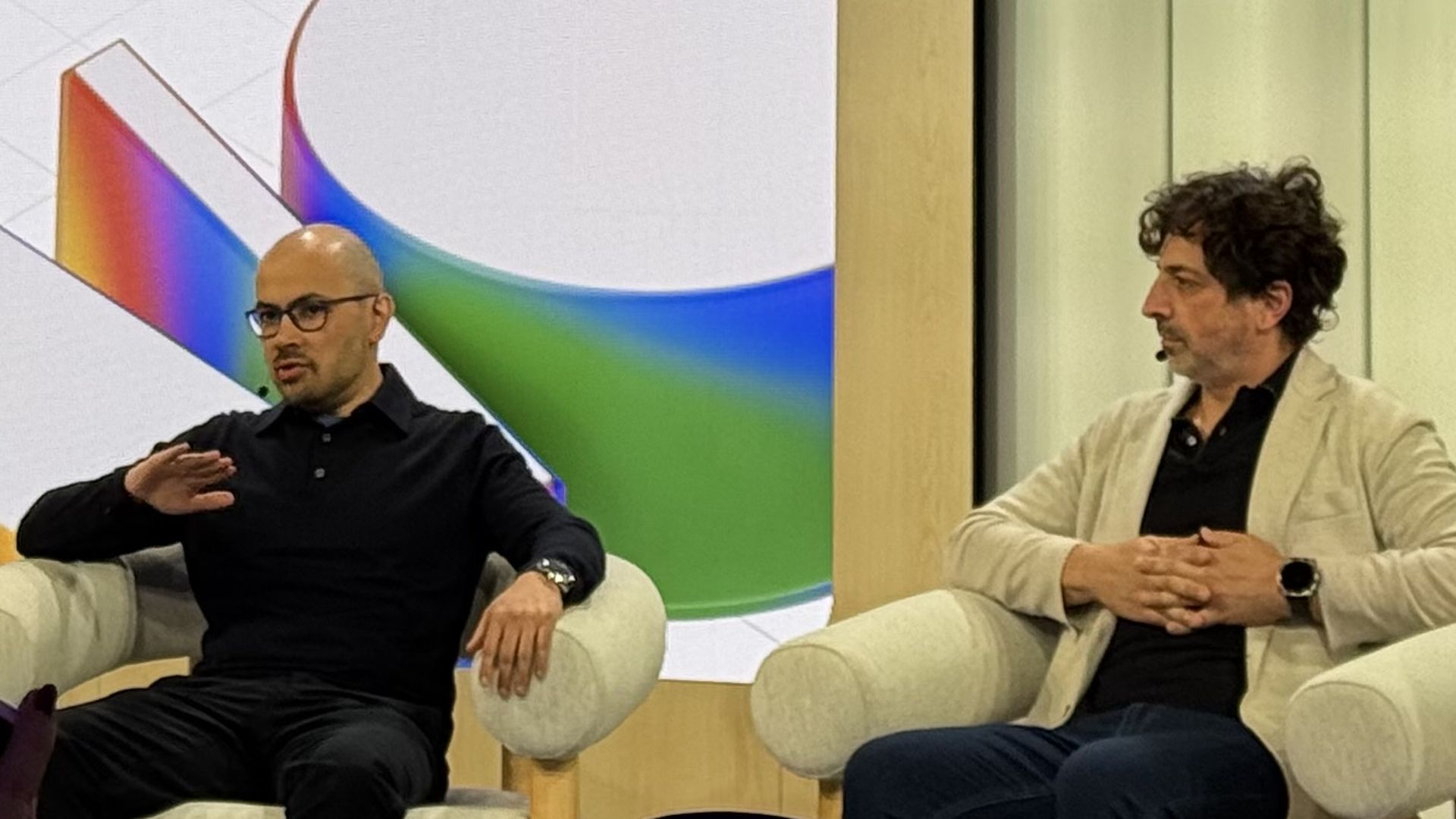
So-called artificial general intelligence (AGI) — widely understood to mean AI that matches or surpasses most human capabilities — is likely to arrive sometime around 2030, Google's co-founder Sergey Brin and Google DeepMind CEO Demis Hassabis said Tuesday.
Why it matters: Much of the AI industry now sees AGI as an inevitability, with predictions of its advent ranging from two years on the inside to 10 years on the outside, but there's little consensus on exactly what it will look like or how it will change our lives.