Saturday's technology stories

What to know about safeguarding phone data while traveling
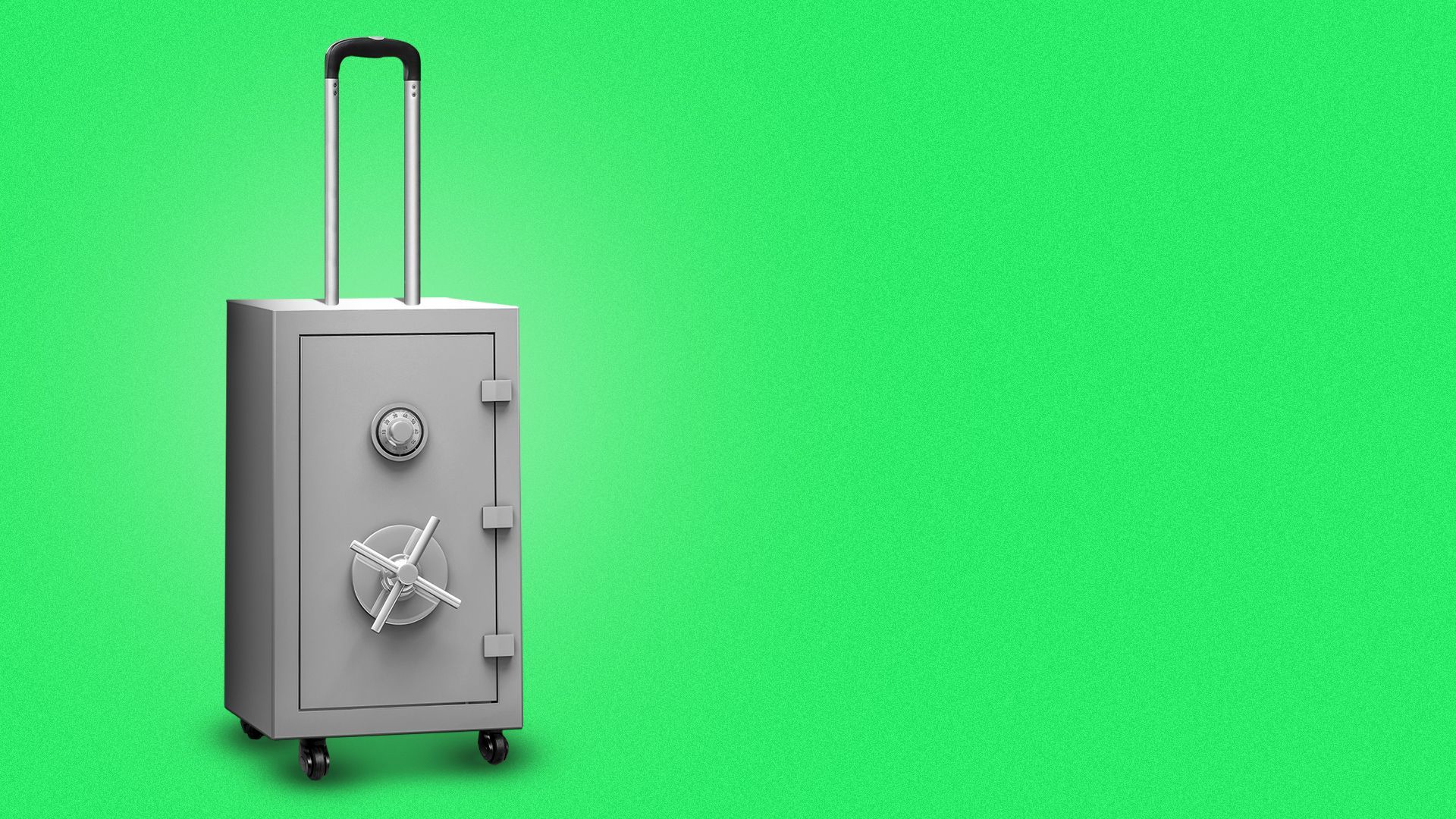
The Trump administration cited electronic data, found while examining cellphones, as reason to detain and deport U.S. residents or tourists under its escalating anti-immigration policies.
Why it matters: While electronic checks make up a small percentage of border interactions, people can take measures to generally safeguard their phones and personal information while traveling.

Musk shuffles $80 billion in assets, reshapes gov't — just another week at the office
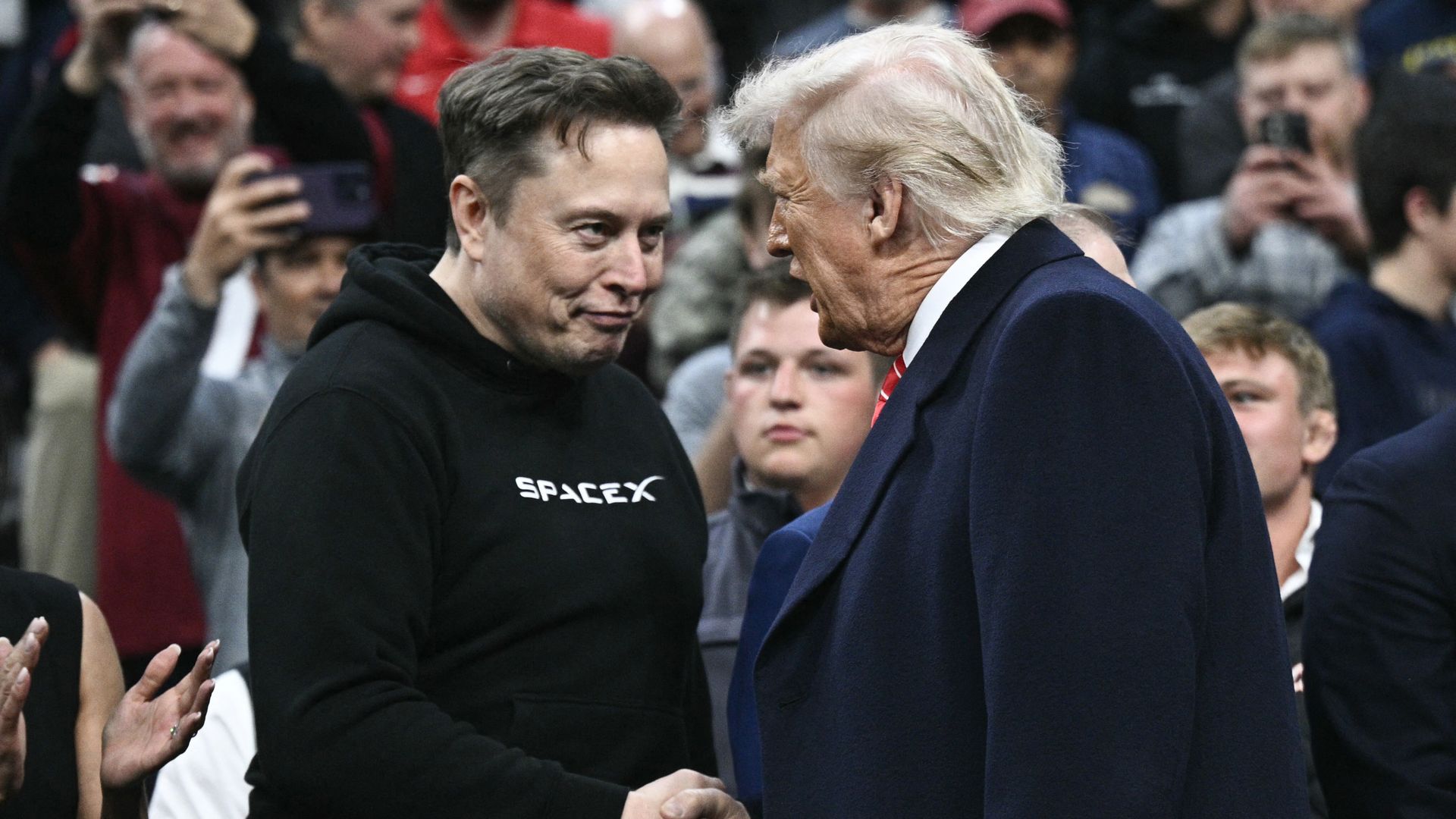
What did you do this week? Did you restructure an entire country, sit for a national TV interview and casually reorganize about $80 billion of your own assets on the side?
- If you did, you're Elon Musk. Otherwise, you're a regular human being.
The big picture: Musk is operating on a scale with little precedent in human history, and it's not entirely clear how.

Elon Musk says xAI has acquired X

Elon Musk said on Friday that xAI has acquired X, the social media app previously known as Twitter.
Why it matters: This is Musk trying to prevent his Twitter investors from losing money, and highlights his eagerness to meld different parts of his corporate empire.

CoreWeave CEO calls IPO a "victory" despite shrunken size
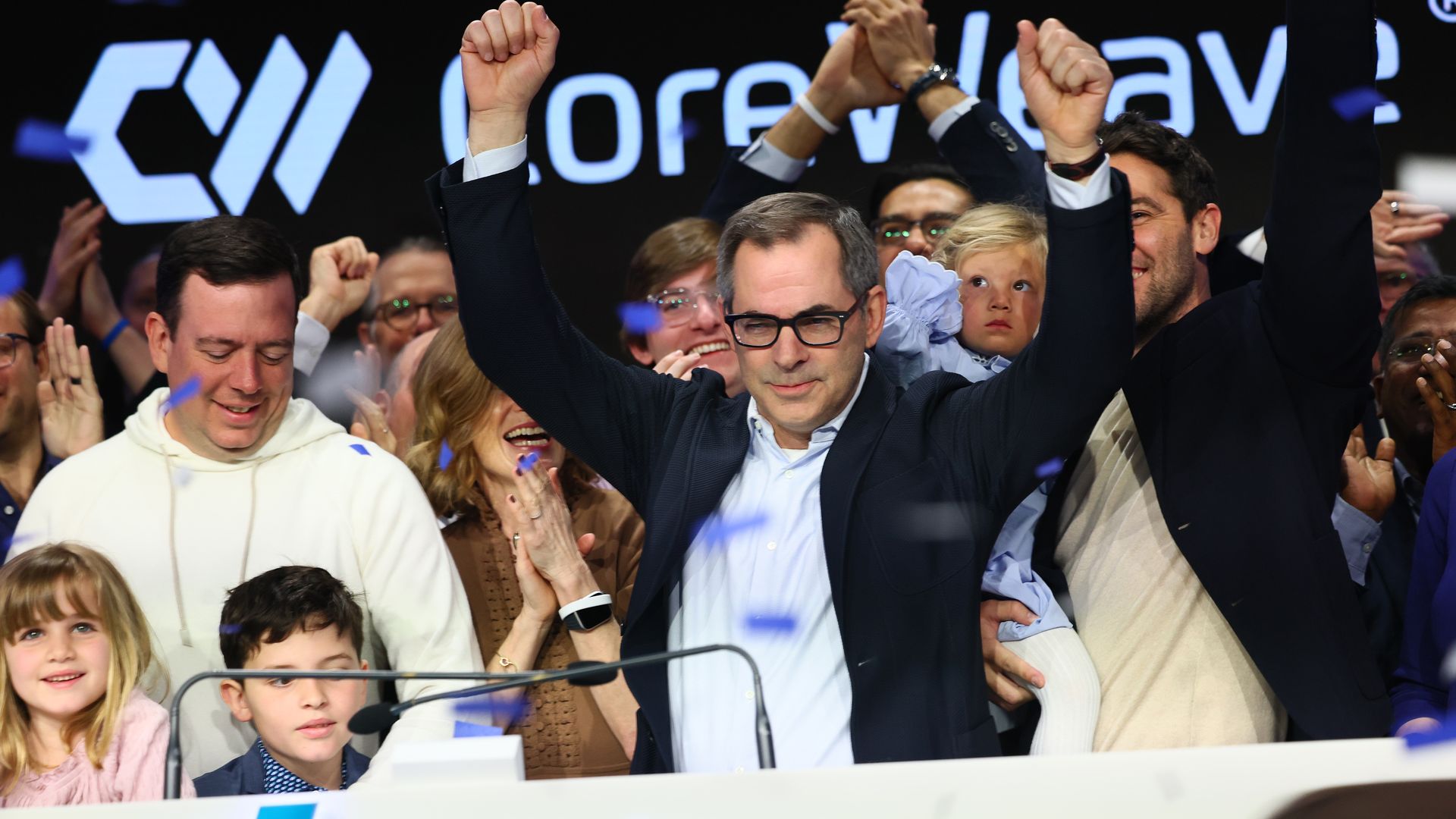
The CEO of CoreWeave called the company's IPO an "unbelievable, overwhelming victory" despite selling fewer shares than originally intended at a lower price than hoped.
Why it matters: The offering was seen as a bellwether, both for the health of the IPO market and the AI infrastructure segment — which has seen dramatic growth, but also hints that capacity may be getting ahead of demand.

Want good relations with Trump? Bring a gift

If you're a foreign leader or a CEO about to meet with President Trump — or if you want to avoid his vengeance — come bearing gifts.
Why it matters: Government officials and business leaders around the world have gotten the message and are strategizing about how to give Trump real or perceived wins to try to smooth out any relationship bumps with the new administration, and avoid economic or legal penalties.
ChatGPT's new image generator blurs copyright lines

AI image generators aren't new, but the one OpenAI handed to ChatGPT's legions of users this week is more powerful and has fewer guardrails than its predecessors — opening up a range of uses that are both tantalizing and terrifying.
Why it matters: Though worries about deepfakes, job replacement and intellectual property theft have been voiced for years, this new tool makes these risks a present — rather than a future — concern.
Catch up quick: OpenAI released its new tool on Tuesday, saying it would be available for Plus, Pro, Team and even those using the free version of ChatGPT. On Wednesday, the social media world discovered the tool in earnest and began turning historical photos and their own library into Studio Ghibli stills.
- By Wednesday evening, Sam Altman said OpenAI was delaying the launch for free users due to heavy demand, and yesterday the company said it would have to impose rate limits even on paid users because "our GPUs are melting."
The big picture: Over the past few days, I've used ChatGPT's image generator to handle a range of image transformations as well as projects from scratch.
- Like many, I found it hard to stop stylizing old pictures with my favorite genres. For me it was less about Ghibli and more about my passions.
- I turned myself and my friends and family into Muppets and Lego minifigures and also experimented with other artists including Keith Haring, Van Gogh and LeRoy Neiman. This use was so compelling, I had trouble moving on.
Yes, but: ChatGPT's tool goes far beyond letting you transform any image into a different style. It's good enough for a range of tasks that in the past would have required professional artists, graphic designers and other creatives.
- It can render text clearly within images, long a stumbling block for AI image generators.
Zoom out: Elon Musk's Grok also has a wide range of capabilities and few guardrails, while Adobe's Firefly is at the other end of the spectrum, using only the training data that it has license to in an effort to be "commercially safe" for business use.
Zoom in: In addition to the many, MANY "Simpsons" and Muppets images I created, I also turned my cat, Raven, into a Pokémon card, complete with the powers I asked for: "sleep" and "whine for food."
- I created a "save the date" flyer for my son's bar mitzvah, having the relevant information appear on a giant scoreboard on top of a realistic basketball arena.
- I gave ChatGPT a slide with the dates and locations for this year's AI Summits and asked it to create a movie poster touting the three events. It did so in about the time it took me to brush my teeth.
Between the lines: ChatGPT did refuse some tasks.
- It wouldn't put my mother-in-law on a fake cover of Car and Driver declaring her the oldest woman to win the Indy 500 "because it involves portraying a real person in a fictional or exaggerated context."
- It wouldn't create a basketball card for my son with his name because it has a policy against combining real names with photos, though it offered to do a card using a nickname instead.
Just once, I got an error message when I asked ChatGPT to "Simpsons"-ify a photo.
- It told me it "couldn't generate an image in the style of The Simpsons because that involves a copyrighted and trademarked property." The rest of the time, it happily turned people into residents of Springfield.
- It also refused a request to create a "Simpsons"-style cartoon image that features a bunch of cartoonists on the street with signs that say things like "AI stole my job."
- But this objection had nothing to do with copyright issues — instead, ChatGPT warned it "could be interpreted as targeting or mocking individuals or groups affected by real-world job loss or technology shift."
Interestingly, these rejections mostly came not when I typed the prompt, but after ChatGPT created most of the image, giving me a good look at what my request would have generated had it not decided to enforce a rule.
- That suggests that many of its safety checks come at the end of the process.
What they're saying: "Our goal is to give users as much creative freedom as possible," OpenAI said in a statement about limits on using an artist's style.
- "We continue to prevent generations in the style of individual living artists, but we do permit broader studio styles — which fans have used to generate and share some truly delightful and inspired fan creations."
- The statements are reflective of a broader shift toward focusing more on specific harms than broad categories, as OpenAI's model behavior lead Joanne Jang outlined in a blog post.
- "We're always learning from real-world use and feedback, and we'll keep refining our policies as we go," OpenAI said.
Yes, but: As much as I enjoyed using the tool — and I was up late several nights doing so — a nagging voice inside me warned me that this "free" service comes at a huge cost.
- I feel like I burned an acre of rainforest on my own and can only imagine how much energy has been used by people turning everything into Ghibli.
The bottom line: I long imagined brands, studios and creators would be able to use AI to allow fans to join their universe.
- But now OpenAI is doing it on its own, with no money going to creators.
Disclosure: Axios and OpenAI have a licensing and technology agreement that allows OpenAI to access part of Axios' story archives while helping fund the launch of Axios into four local cities and providing some AI tools. Axios has editorial independence.
CoreWeave raises $1.5 billion in scaled-back IPO
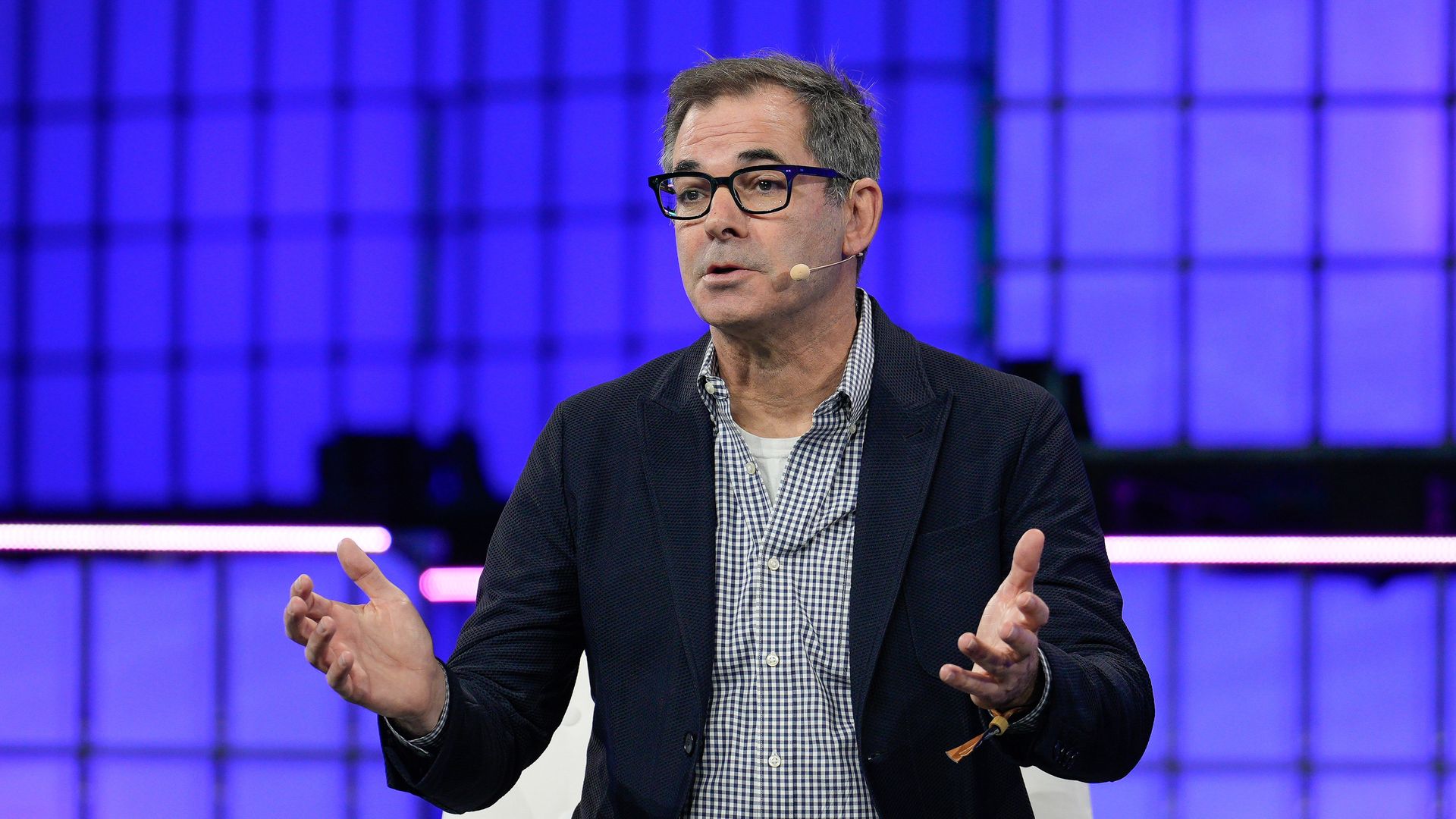
CoreWeave, a cloud computing platform that rents out GPUs via data centers, raised $1.5 billion in its IPO, according to CNBC.
Why it matters: This is the largest tech IPO in years, but much smaller than anticipated.