Ivanti, a popular provider of enterprise work tools, confirmed that hackers are actively exploiting critical vulnerabilities in two of its products.
Why it matters: Ivanti has more than 40,000 customers, and attackers are believed to have been targeting customers for the last month before Ivanti discovered the problems.
Setting up a simple security feature on online accounts has become so convoluted and confusing that even a U.S. government agency and top cybersecurity vendor struggled to get it right.
Why it matters: Enabling multifactor authentication (MFA) — usually inputting a code sent to your phone or using an authenticator app to log in to your accounts — is go-to cybersecurity advice to fend off hackers.
Boeing has seen a deluge of bad news concerning its 737 Max jets that have sent company shares tumbling and dented the company's reputation.
The latest: The Federal Aviation Administration said on Friday it will increase its oversight on Boeing's production and manufacturing practices after one of its planes lost its exit door plug during a flight earlier this month.
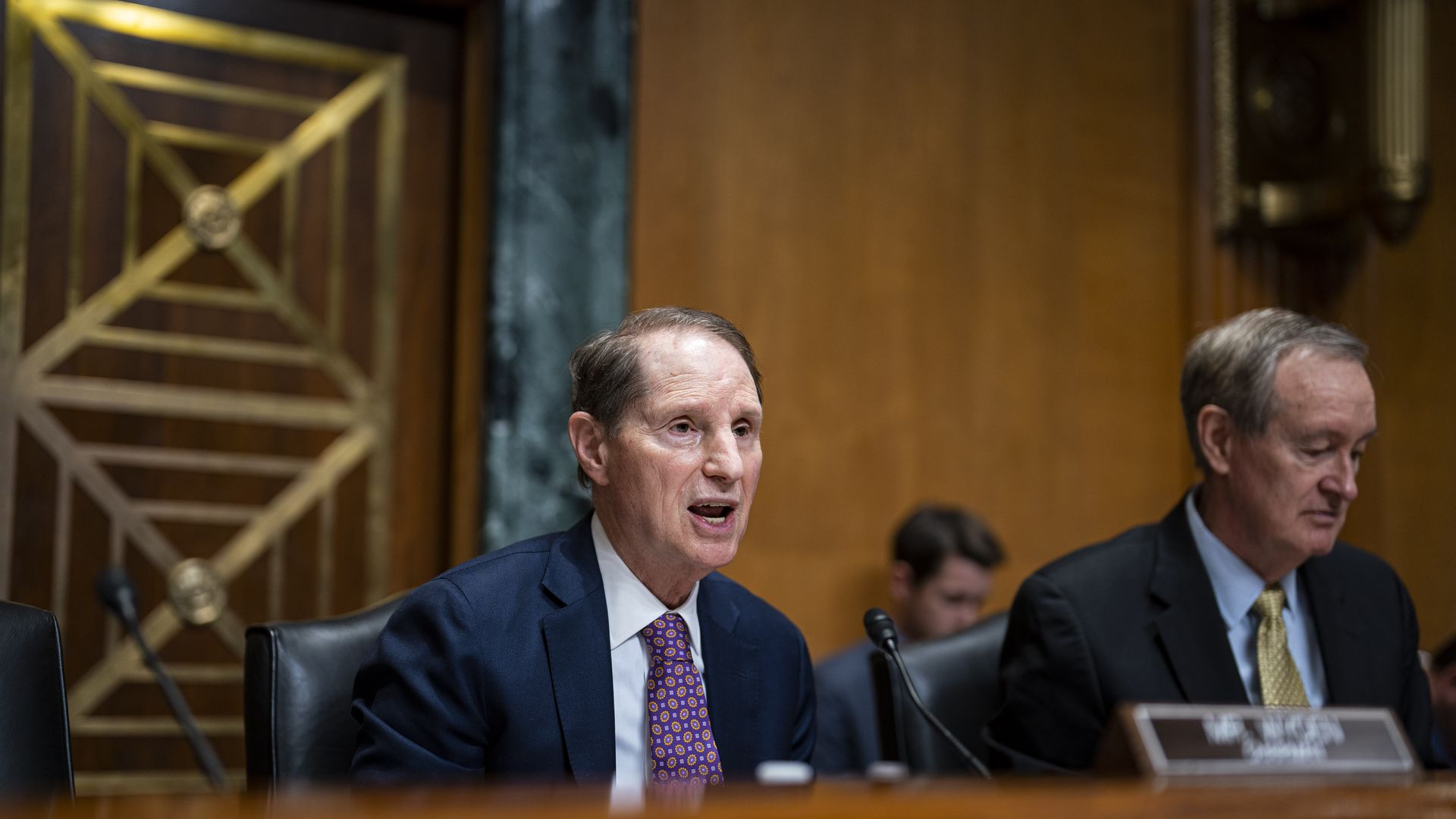
The chair of the Senate Finance Committee is calling for an official investigation into the recent hack of the U.S. Securities and Exchange Commission's account on X, formerly known as Twitter.
Driving the news:In a letter first shared with Axios, Sen. Ron Wyden (D-Ore.) is calling on the SEC's inspector general to open an investigation into the agency's "apparent failure to follow cybersecurity best practices."
AI is fueling a new generation of technologies to help people who live with disabilities.
Why it matters: The right technologies can be life-changing for people living with a disability and will be essential in supporting our aging population, as healthcare costs skyrocket.
Cars that can chitchat with drivers or that come with swappable body types were among the transportation innovations featured at CES, the giant annual consumer tech show wrapping up Friday in Las Vegas.
Users want answers from artificial intelligence, but as the technology moves into daily life and raises legal and ethical concerns, sometimes they want AI to forget things, too. Researchers are working on ways to make that possible — and finding machine unlearning is a puzzling problem.
Why it matters: Copyright laws and privacy regulations that give people the "right to be forgotten," along with concerns about AI that is biased or generates toxic outputs, are driving interest intechniques that can remove traces of data from algorithms without interfering with the model's performance.

/2024/01/11/1704993038070.gif?w=3840)



/2024/01/11/1705008653902.gif?w=3840)