Meta is unifying its generative AI work across the company into a new product team tasked with more quickly integrating the latest technologies into its products.
Why it matters: Companies large and small are rushing to bring generative AI to their customers.
Over the past decade, the Philadelphia Police Department has spent more than $20 million on its body camera program, an initiative it launched to offer transparency and accountability to city residents. But an analysis by Axios found that thousands of officers violated bodycam policies, most for not turning on their cameras.
Why it matters: Philadelphia launched body cameras in 2014, during a period when high-profile police killings led many departments across the country to outfit their officers with recording devices.
The generative AI revolution will be monetized, but nobody can yet say exactly how.
The big picture: It seems logical that if AI can conduct conversations and produce images, companies will figure out how to use it to build revenue and profits — but there's no guarantee, and the technology could also become a money sink for early adopters.
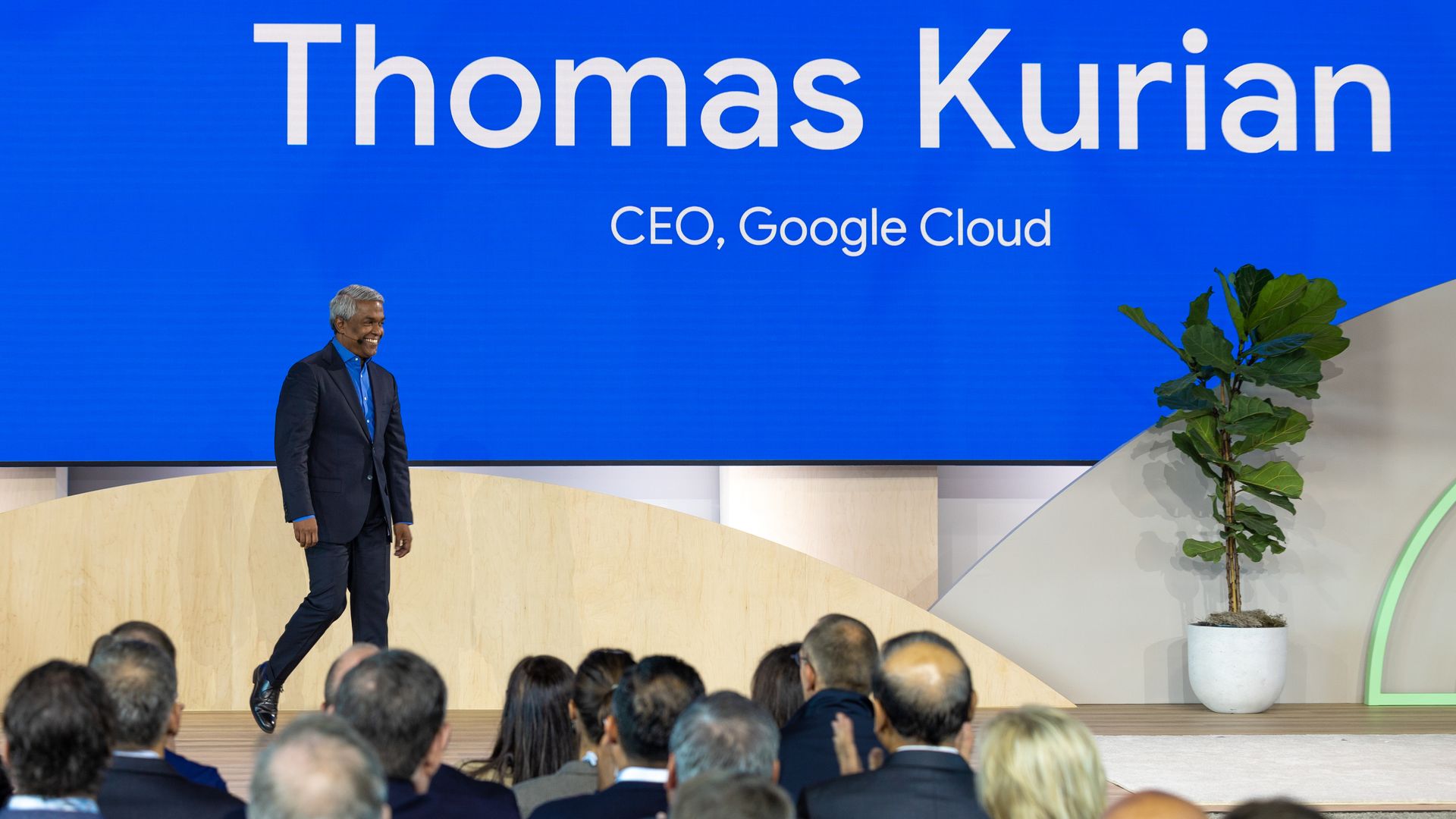
Google Cloud may still trail Amazon Web Services and Microsoft's Azure, but unit CEO Thomas Kurian tells Axios that he has a plan to continue to gain share and — eventually — turn a profit.
The big picture: Google's cloud business has been growing fast, but it trails market leaders Amazon and Microsoft.
New federal rules are supposed to prevent ever-brighter car headlights from blinding oncoming drivers while also improving visibility — but they'll take years or even decades to have an impact.
Why it matters: It's important for drivers to be able to see ahead of them at night, to avoid other cars, pedestrians and other hazards.