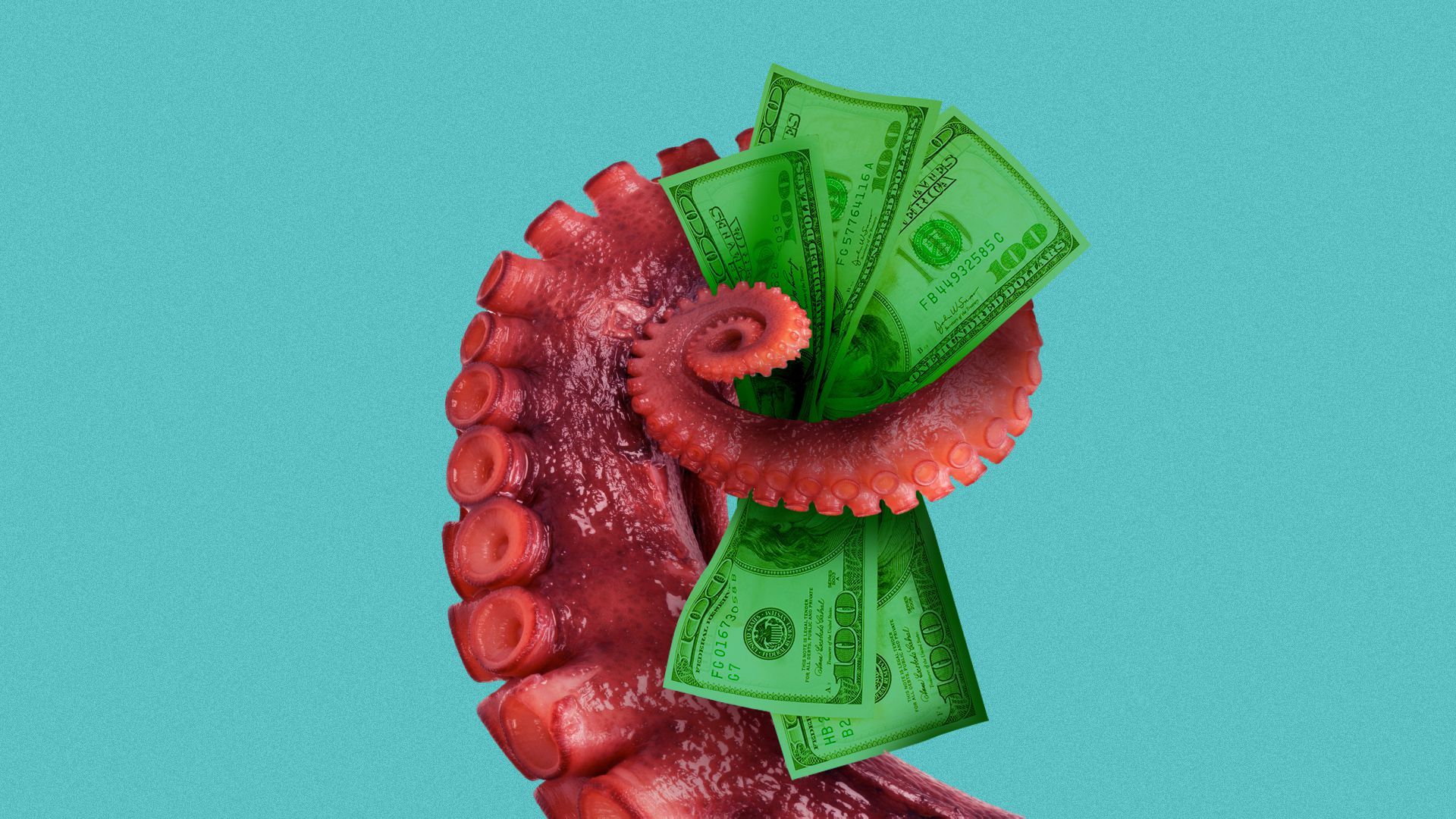
Kraken, a U.S.-based cryptocurrency exchange, has agreed to pay $362,159 in a settlement over apparent violations of the U.S. Treasury Department's sanctions program.
Driving the news: "Kraken processed 826 transactions, totaling approximately $1,680,577.10, on behalf of individuals who appeared to have been located in Iran at the time," Treasury said in a statement.
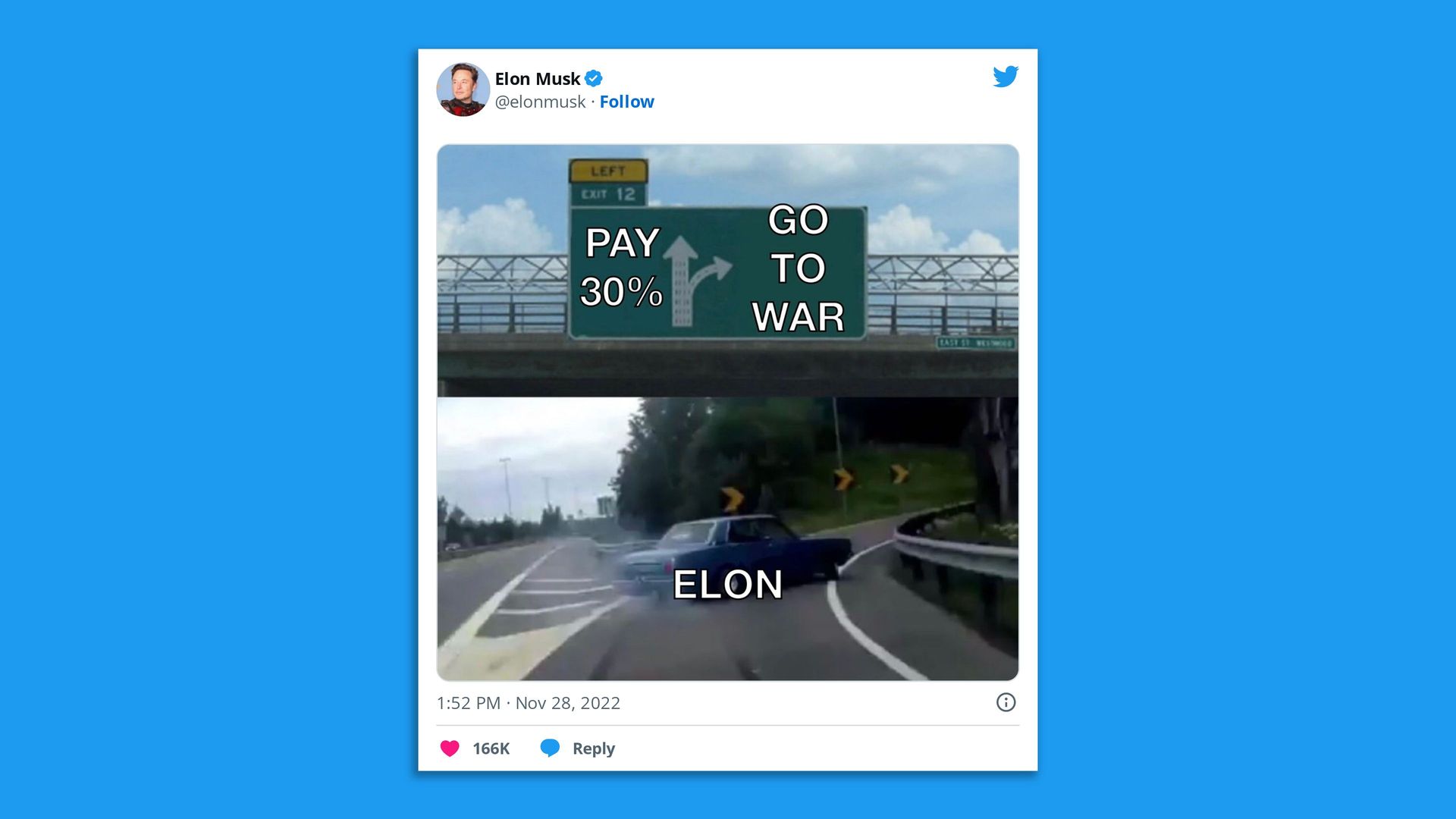
Why it matters: The tweets are part of a broader narrative Musk is trying to paint that Apple is a monopoly and uses its power to censor voices and charge "a secret 30% tax" on transactions in its App Store.
A company called Joipaw is taking reservations for a video game system that it says will "unleash your dog's cognitive potential."
The Joipaw console will include "a dog-tailored touchscreen, a height-adjustable stand and an automated treat dispenser," plus "running interactive puzzle games that are constantly new and challenging."
It works in conjunction with a wearable activity tracker and app.
Elon Musk is promising to reinstate more banned Twitter accounts even as a coalition of groups is out with a fresh warning that online hate is on the rise.
Why it matters: It's another risky bet by Twitter's "free speech"-espousing owner that he can dial back enforcement of content rules without releasing a torrent of racism, anti-semitism and anti-LGBTQ speech that could further erode the service's already shaky advertising base.
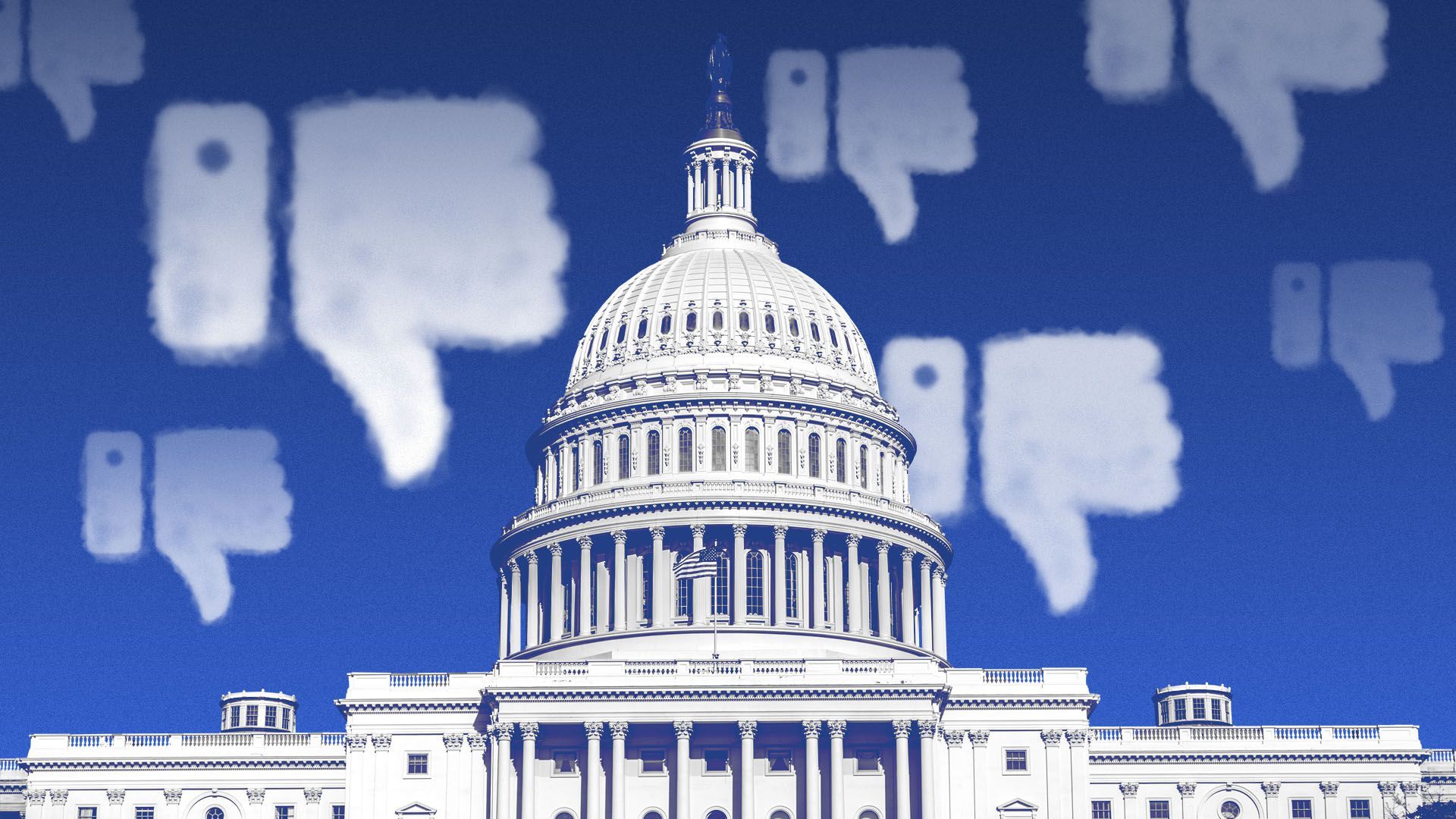
Dozens of human rights and LGBTQ+ organizations wrote to members of Congress Monday opposing a kids' online safety bill they argue would not actually help make the Internet a better place for children and teens.
Driving the news: The letter comes asSenate sponsors of the Kids Online Safety Act push for passage in the lame-duck session of Congress, calling it an important way to hold social media platforms accountable for harm to children in the absence of a broader U.S. online privacy law.
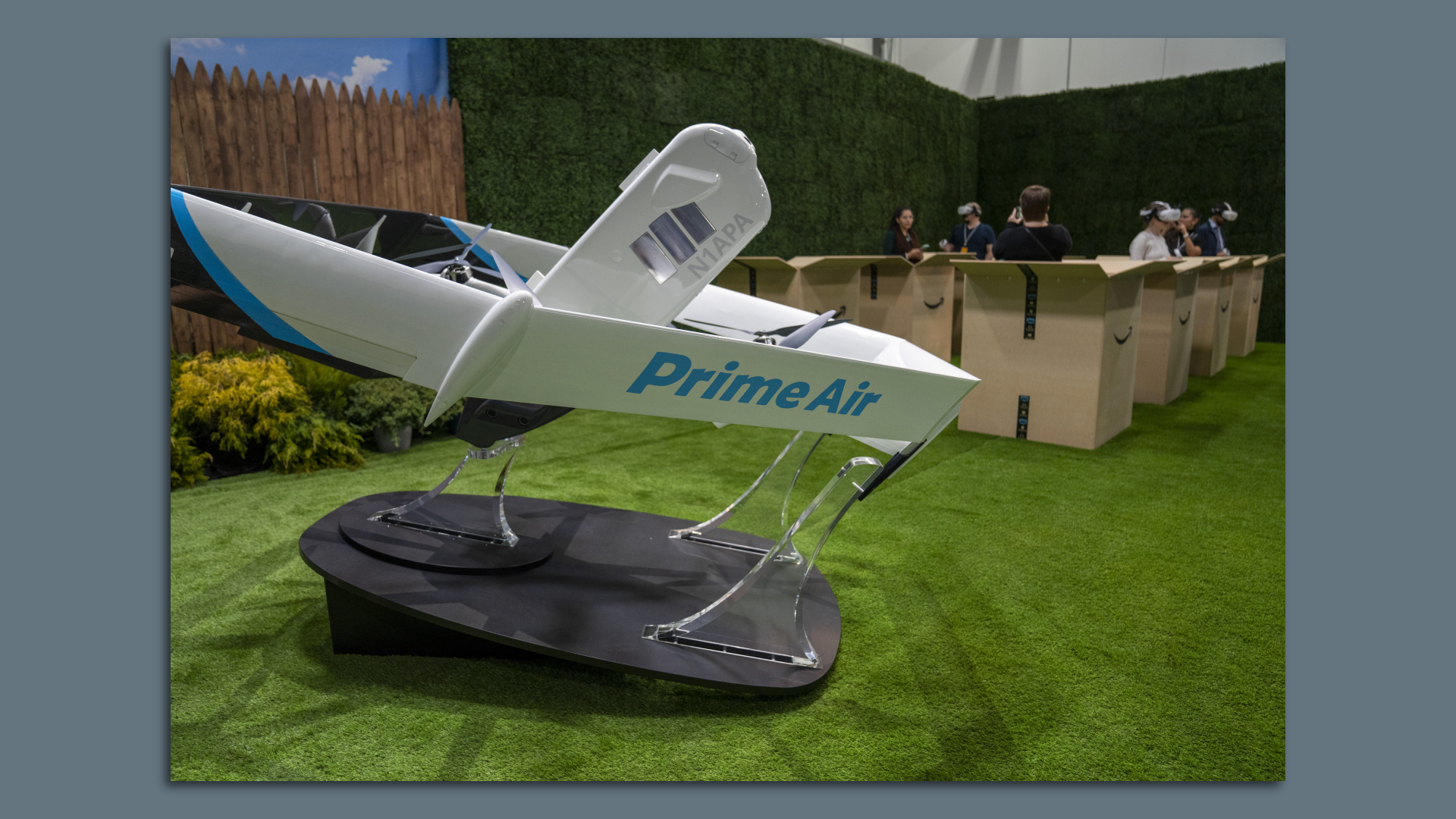
As Amazon prepares to debut its long-delayed Prime Air drone delivery service, it's also showing off a smaller, quieter drone that will be ready in 2024 and could be making regular deliveries in major cities by the end of the decade.
Why it matters: Consumers want their stuff fast, and under Amazon founder Jeff Bezos' vision, they could get it delivered in as little as 30 minutes while helping the environment by taking CO2-emitting trucks off the street.





/2022/11/27/1669587116410.gif?w=3840)