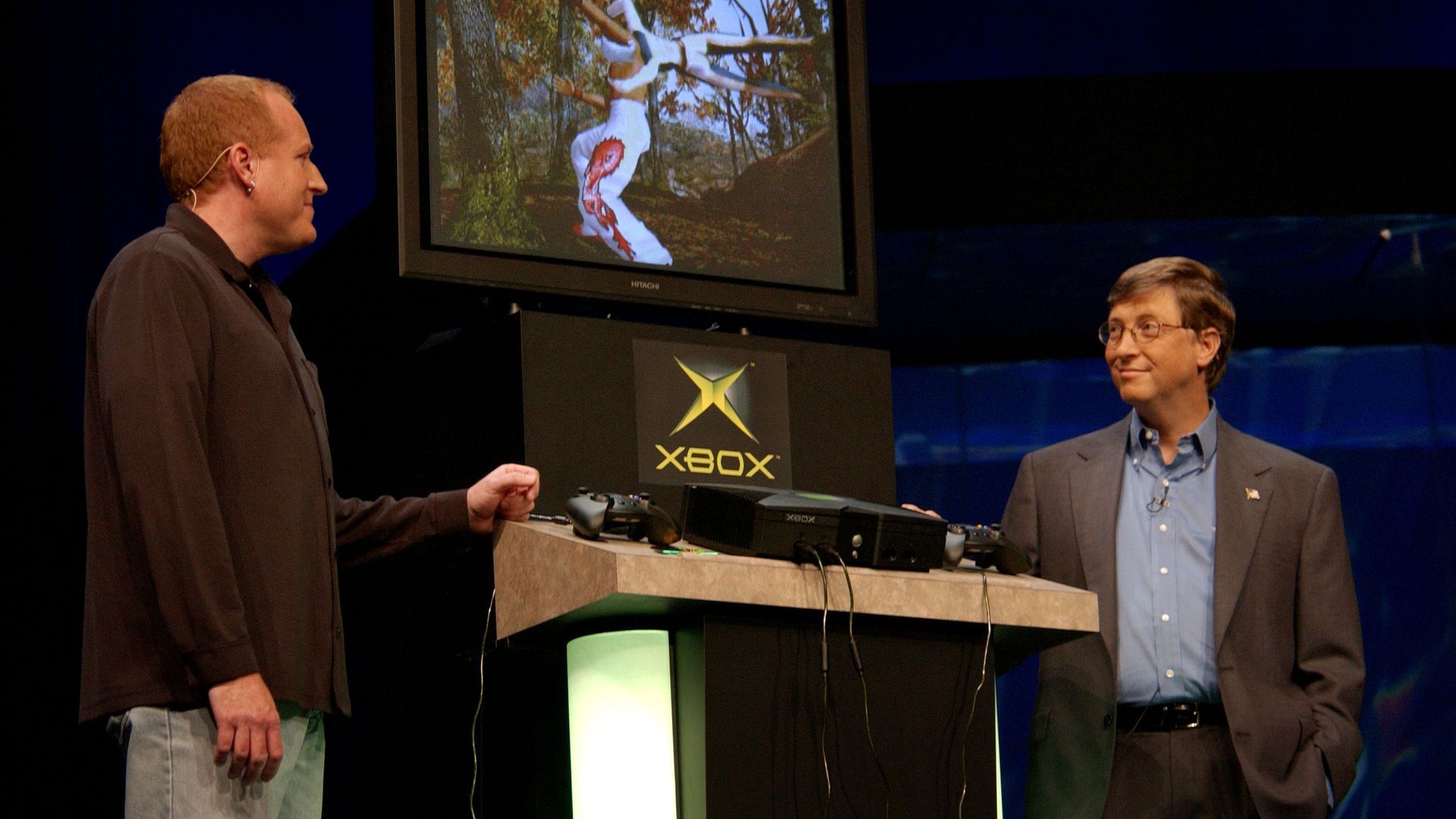
Xbox co-creator Seamus Blackley is calling on Microsoftand the video game community to address ongoing harassment in online spaces, noting that efforts "will take teamwork between players, devs and console manufacturers to change this and it’s time. It's past time."
Driving the news: On Dec. 19, Twitch streamer Grenade Queen posted a clip of two male players harassing her during a Halo Infinite match.
Investment firm GSV is working on a bid to buy Forbes Media at a $620 million valuation as an alternative to Forbes' announced SPAC merger, Axios has learned.
Why it matters: BuzzFeed's public listing last week added to growing skepticism about the SPAC market for media companies. Its shares are down roughly 40% from its opening price, and 94% of investors redeemed their stock following the merger news.
Libraries are successfully convincing state legislatures to help them win better terms for ebook licenses from Amazon and other publishers.
Why it matters: Libraries say it is crucial for them to continue to service their communities, especially as digital access to books became even more important during the pandemic.
Your next car might well be able to read your mind, offering suggestions of where to go and what to do before you even ask it.
Why it matters: Artificial intelligence and machine learning are making vehicles smarter and safer than ever, and could potentially transform the relationship between driver and machine.
Driving the news: Cerence, a pioneer in vehicle voice-recognition, will be showing off an intuitive, AI-powered driving companion early next month at CES, the big consumer electronics show in Las Vegas.
Its new Cerence Co-Pilot, announced Monday, is designed to anticipate the needs of drivers through AI and continuous learning — think of it as a butler for your car.
Instead of drivers telling the car what to do with traditional wake-up words like, "Hey Alexa" or "Hey Mercedes," Co-Pilot will proactively offer to perform actions before drivers even need to ask.
How it works: The AI is integrated with the car's sensors and data to understand what's going on inside the vehicle and around it.
Acting as the car's central brain, the technology analyzes input from a combination of voice, gaze, gesture and touch controls, along with driver preferences and real-time sensor data, to keep drivers informed and anticipate their desires.
For example, the system can suggest ordering and paying for a cup of coffee when the driver is a mile from their favorite coffee shop.
Or, it could recognize a maintenance issue and offer to set up a service appointment.
Knowing that the driver has a meeting 50 miles away tomorrow morning, Co-Pilot could suggest stopping for fuel today, even though the low-fuel warning light isn't on.
It can also deliver real-time information such as severe weather approaching and offer to put the car in the appropriate driving mode.
Yes, but: Co-Pilot can also act like a backseat driver, pointing out that rolling stop you did at the last intersection, for example.
You can control notifications, though, so the system will learn when you don't want to be bugged, Cerence CTO Prateek Kathpal tells Axios.
What to watch: The technology will debut next month on two unnamed models, Cerence says.
Cerence Co-Pilot is just a taste of the news about smart car technology expected at CES starting Jan. 3.
A new generation of portable music-making gadgets lets people use body movements to generate sounds, bypassing the laborious process of learning to play an instrument through practice.
Why it matters: In a world where anyone can be a Tiktok star, tech startups are betting that people will snap up devices that democratize music, helping them generate professional-sounding tunes quickly and easily.
There's even an emerging body of academic research dedicated to haptic music-making, which is known as the "Internet of Musical Things."
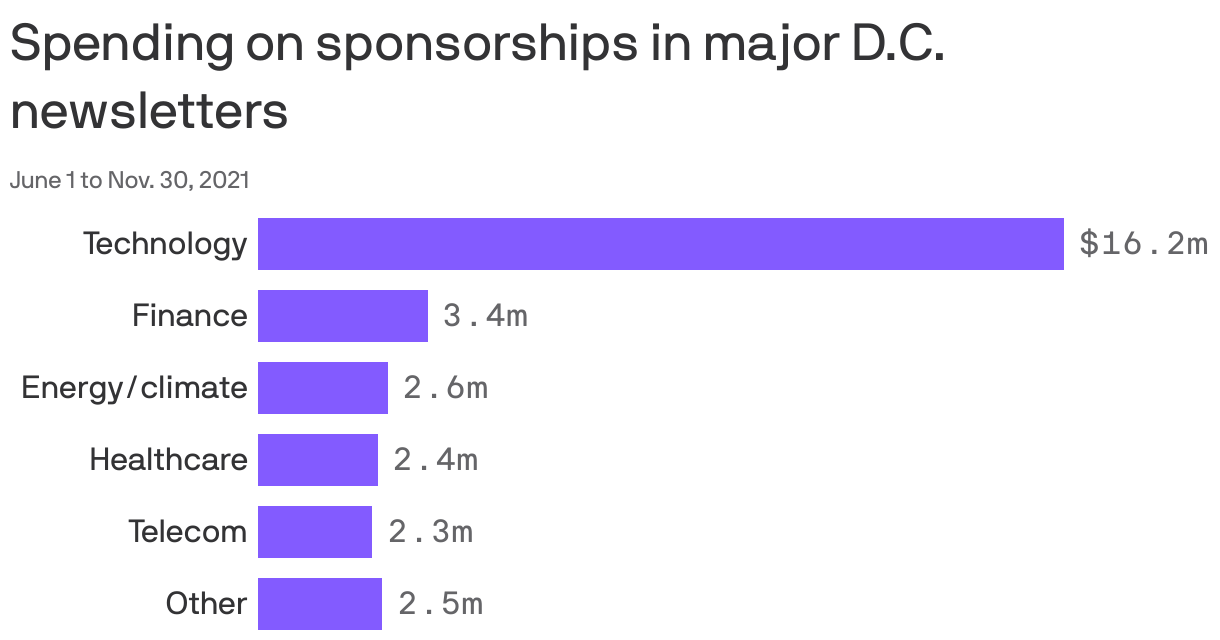
New data shows that the tech sector spends the most money by far on public affairs advertising in newsletters targeting D.C. decision makers.
Why it matters: Big Tech's big investment shows how much money the industry is willing to spend on influencing lawmakers, despite the fact that major regulation of the industry appears far off.
Colleagues across Ubisoft have names for the procession of developers who have departed over the past 18 months: "the great exodus" and "the cut artery."
Driving the news: The wave of resignations impacting scores of industries has come for the video game sector this year, and it's been felt acutely at the massive Ubisoft.
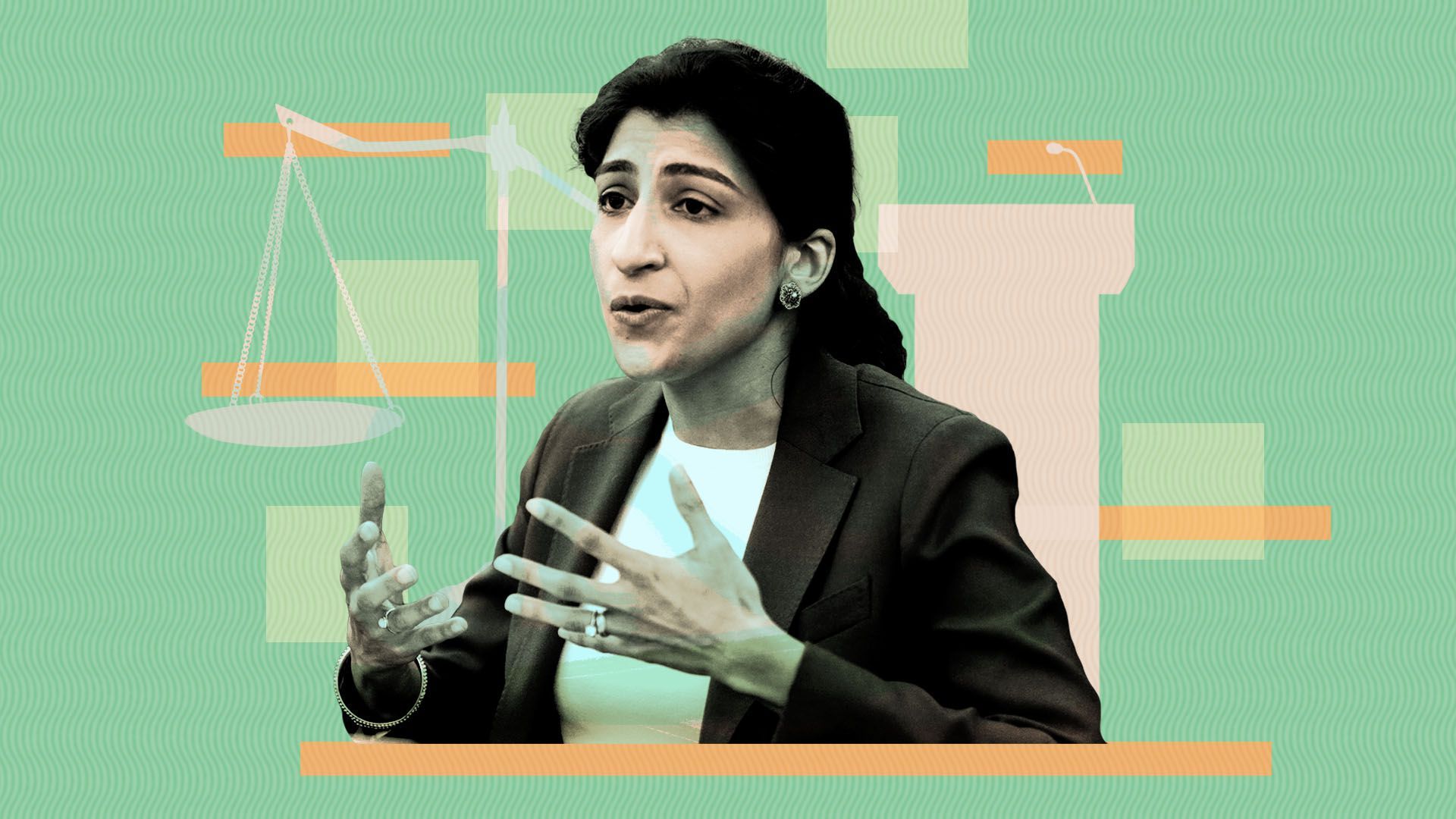
Lina Khan's first six months leading the Federal Trade Commission has shown she's either shaken up a sleepy bureaucracy or pushed long-standing norms too far, depending on who you ask.
Why it matters: As Biden's first year ends, many are watching Khan's FTC to see whether it really can fundamentally change how the U.S. regulates big companies and how tech should treat consumers.
A group of Meta shareholders, along with the Campaign for Accountability, has submitted a resolution calling for an independent evaluation of the board's ability to oversee public safety on Facebook's platforms, Axios has learned.
Why it matters: Facebook's parent company is facing pressure on multiple fronts from regulators, legislators and former employees — and now investors.






/2021/12/20/1640024714609.gif?w=3840)