After Trump supporters stormed the U.S. Capitol Wednesday, Twitter removed three of the president's tweets and locked his account for 12 hours, saying it may ban him if he doesn't stop breaking its rules with his false claims that the 2020 election was stolen from him.
Why it matters: It's Twitter's strongest action against the president's account to date. A number of groups have called on Facebook and Twitter to fully suspend Trump's accounts.
President Trump last night signed an executive orderprohibiting transactions with eight Chinese apps, including Ant Group's Alipay, arguing they pose a national security threat.
Why it matters: This is the latest example of ratcheting up economic tensions with China, using private companies as pawns.
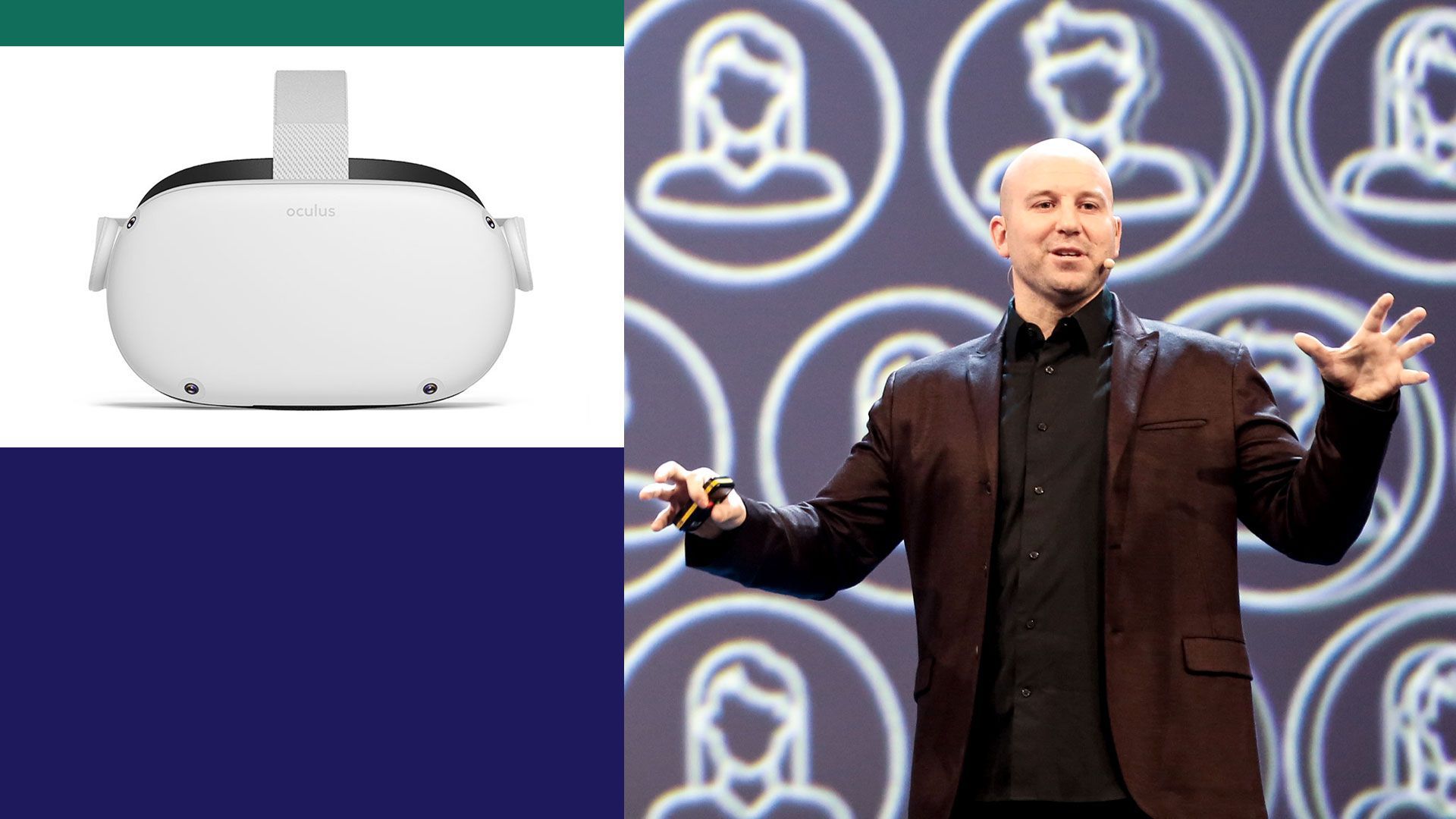
Year-end sales numbers are telling Facebook executives that their big bet on hardware is starting to pay off.
Driving the news: Facebook's hardware team found itself just where it hoped to be for the holiday shopping season: under the Christmas tree, with both Quest 2 VR systems and Portal smart screens delivering better-than-expected sales.
Following the Georgia runoff elections, the Facebook ban that restricts ads on social issues, elections and politics nationwide will be reimplemented in the state, the company said on Tuesday.
The big picture: The company has been trying to adapt its political ad policies in real time to curb confusion and possible misinformation around the election results.
A U.S. task force responsible for investigating the massive cyberattack that breached the departments of Defense, State and Homeland Security — among others — identified the hack as "likely Russian in origin," per a joint statement on Tuesday.
Why it matters: This is the first time the federal government has formally named Russia as the likely origin of the attack.
The machine learning company OpenAI is developing modelsthat improve computer vision and can produce original images from a text prompt.
Why it matters: The new models are the latest steps in ongoingefforts to create machine learning systems that exhibit elements of general intelligence, while performing tasks that are actually useful in the real world — without breaking the bank on computing power.
Citizen, a mobile app that provides users with notifications of nearby emergencies and crimes (and lets them livestream video), raised around $73 million in new funding, according to an SEC filing. It includes $23 million from a recent convertible note, per a Citizen spokesman.
Why it matters: The app has been criticized for encouraging overzealous interest in local crime that can lead to vigilantism, while proponents argue it's created a unique hub for vetted local safety data that can be helpful to residents. Greycroft partner Dana Settle is listed on the filing, and Axios has learned that the firm led the round.
Editor's note: The story has been updated with details about the funding breakdown.
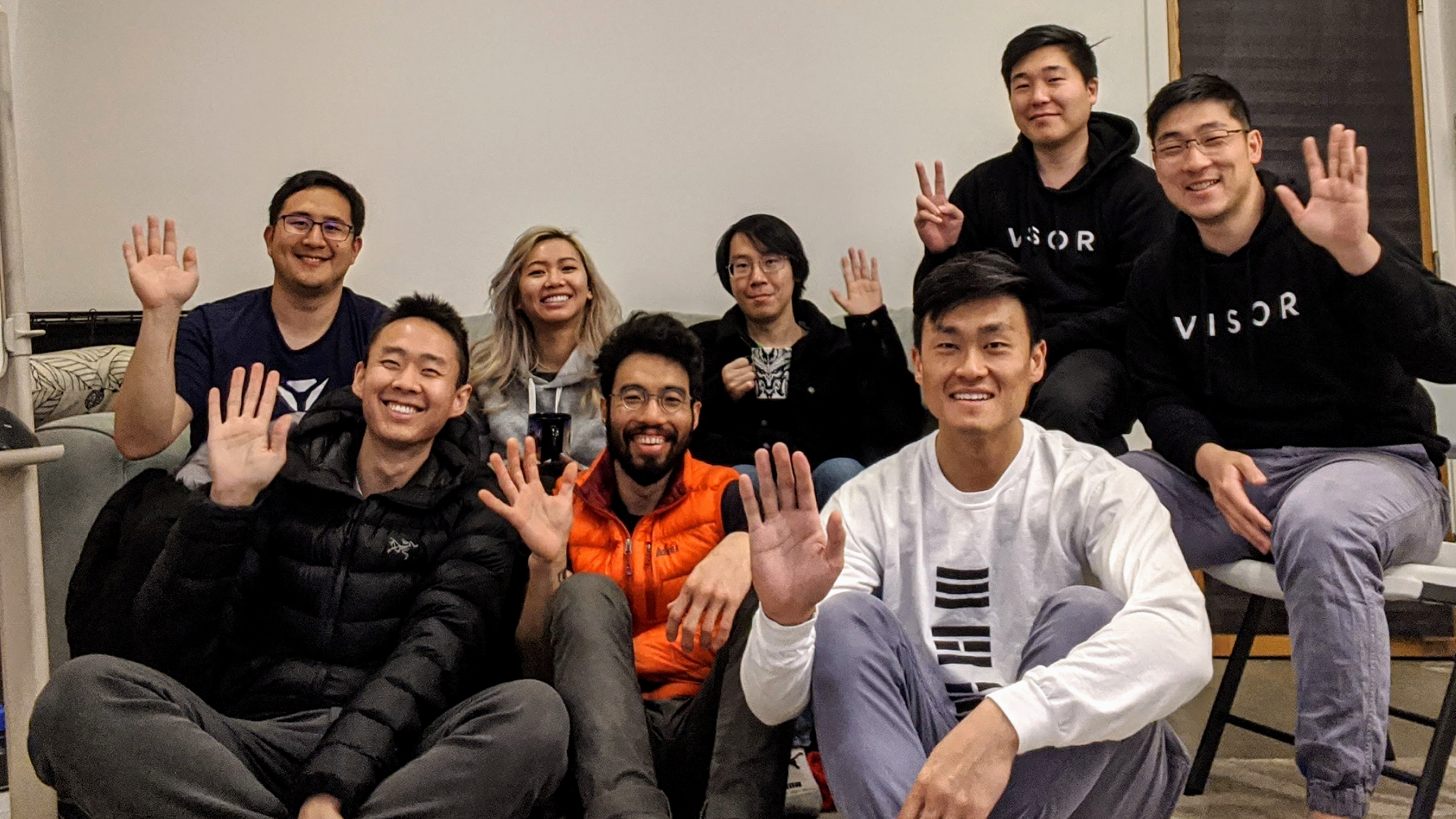
Pokémon Go creator Niantic announced today the acquisition of Mayhem, a small San Francisco startup focused on online gaming communities, along the lines of the much larger Discord. Financial terms were not disclosed.
Between the lines: As it stands, the social options within Niantic games are fairly limited, and many players use Discord servers to discuss the game, plan meet-ups and share strategy.
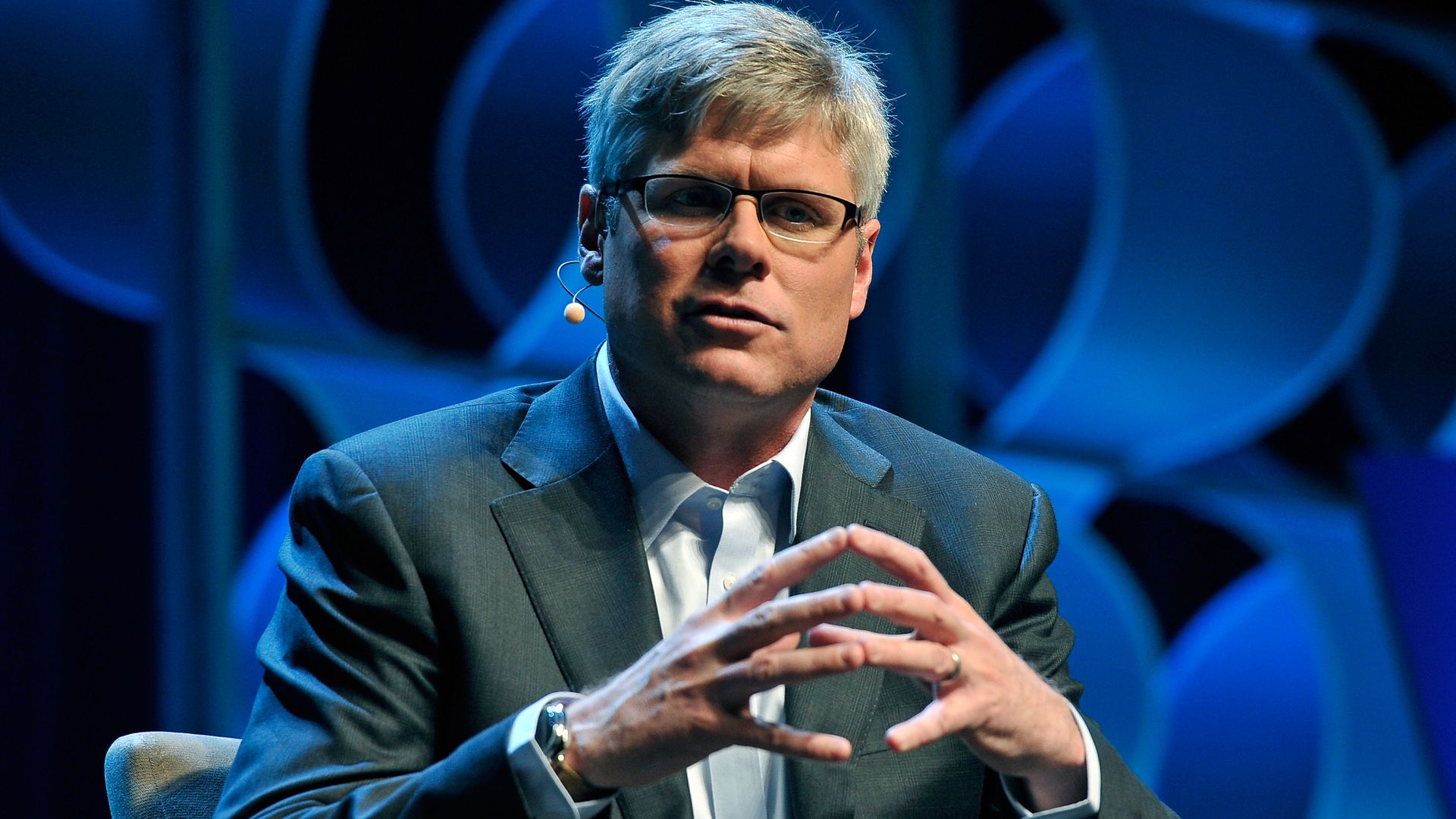
Qualcomm CEO Steve Mollenkopf will step down from his position in June, after more than 26 years with the company, according to a press release out Tuesday.
The big picture: Cristiano Amon, the company president who headed its 5G strategy, received unanimous support from the board of directors to replace Mollenkopf. The shift comes as the company has greatly increased its focus on the development of 5G technology.
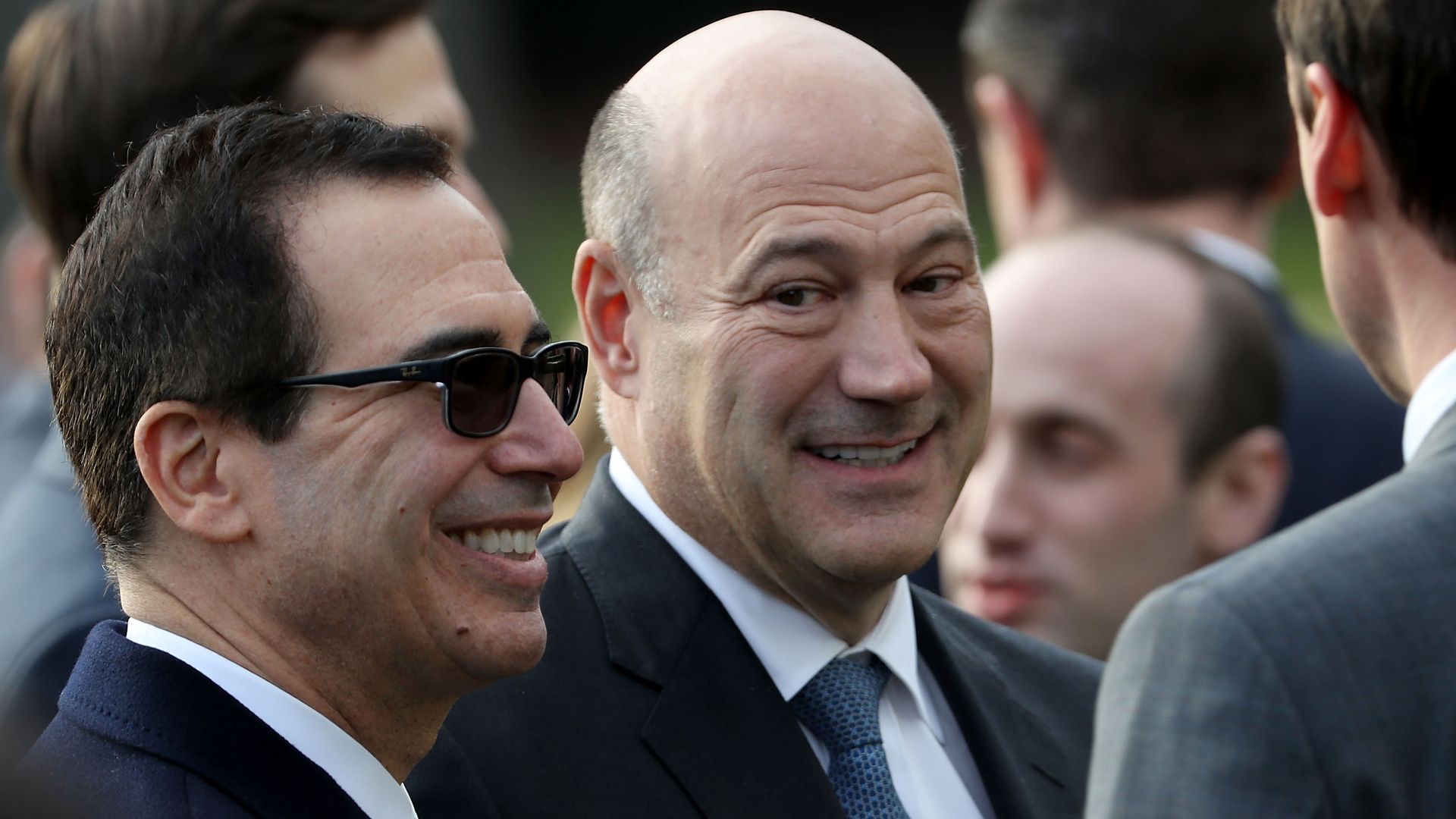
Gary Cohn, the former top economic adviser to President Trump and former president of Goldman Sachs, tweeted Tuesday that he is joining IBM as vice chairman.
The big picture: Cohn, a Democrat, was considered one of the most powerful "globalists" in Trump's West Wing. He disagreed with Trump on just about every issue besides tax cuts and resigned in 2018 after a struggle inside the White House over tariffs on steel and aluminum imports.
Local health officials are turning to online services like Eventbrite to improvise distribution schemes for the COVID-19 vaccine in the absence of federal support or a national plan.
Why it matters: Millions of lives, along with the country's economic recovery, depend on a speedy and successful rollout of the vaccine. But as people hunt for scarce information about vaccine availability and delivery processes, the lack of coordinated communication risks opening an information vacuum — into which misinformation could easily pour.
With Monday's announcement that some Google employees have formed the Alphabet Workers Union, the tech industry is getting its own innovative take on labor organizing.
What's happening: On the one hand, this isn't a traditional union — it won't be able to collectively bargain or formally represent the workforce. At the same time, the new "minority union" offers a fresh approach to solidarity: It's open to some managers and can represent temporary and contract workers.







/2021/01/04/1609798778559.gif?w=3840)



/2021/01/04/1609803428570.gif?w=3840)