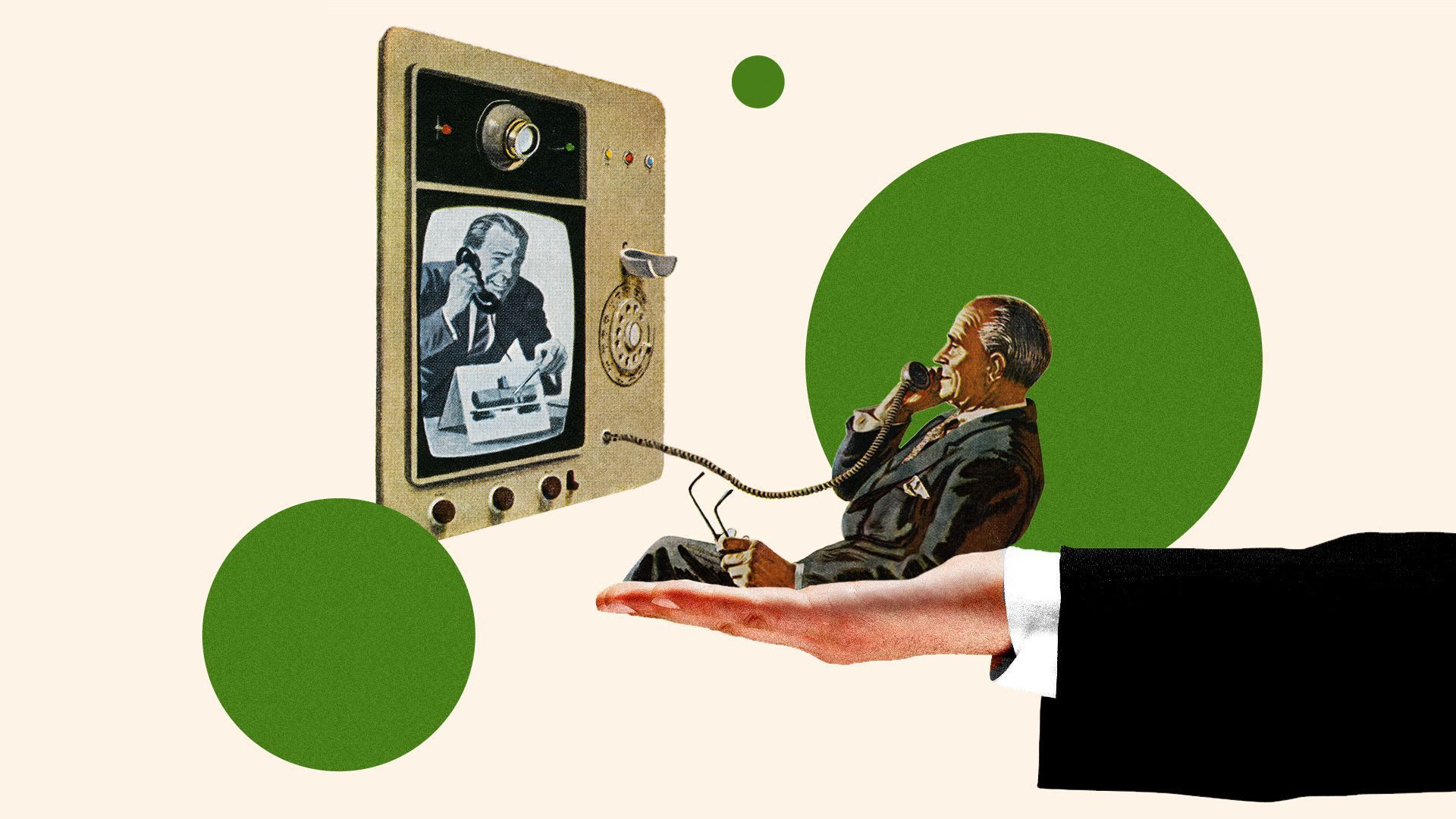
Last year entrenched videoconferencing at the center of our work and private lives — but also showed us the limits and drawbacks of the tools we now depend on.
What's happening: Services like Zoom, Microsoft Teams and WebEx were a lifeline in 2020, channeling everything from work and school to parties and doctor's appointments into our homebound lives.
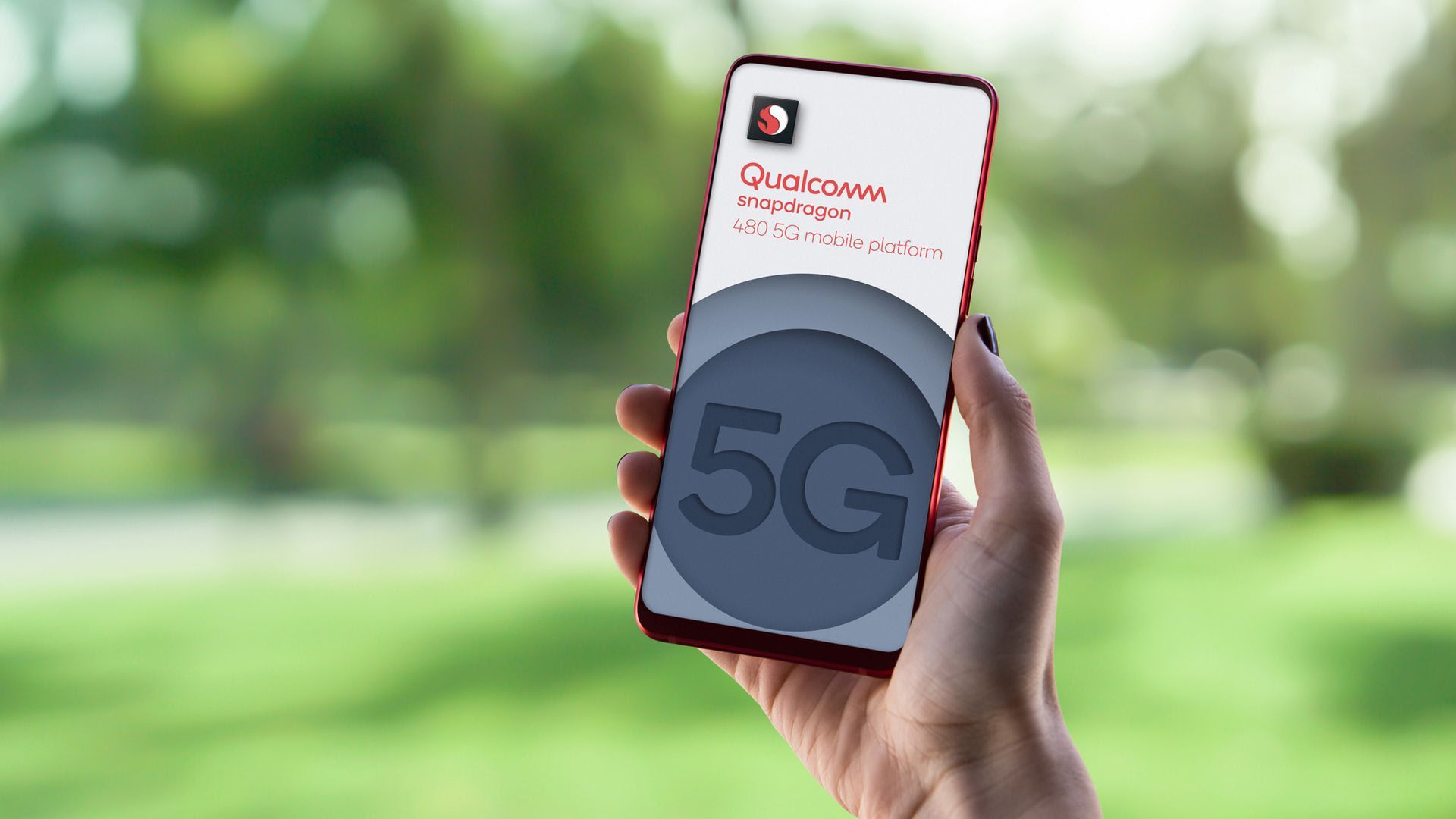
Even budget smartphones will start getting 5G support this year, with Qualcomm announcing today that devices running its new Snapdragon 480 chip will soon hit the market.
Why it matters: The 400 series is the company's lowest-end chip family and the inclusion of 5G is a sign that the technology will become the norm for new devices.
Samsung will hold a Jan. 14 event to unveil a new crop of mobile devices, where it's expected to launch the Galaxy S21, thought to be the name for its next set of flagship smartphones.
Driving the news: Samsung's phone launches have been creeping earlier and earlier in recent years, erasing the opportunity for rivals to get a leg up by announcing competing phones at CES.
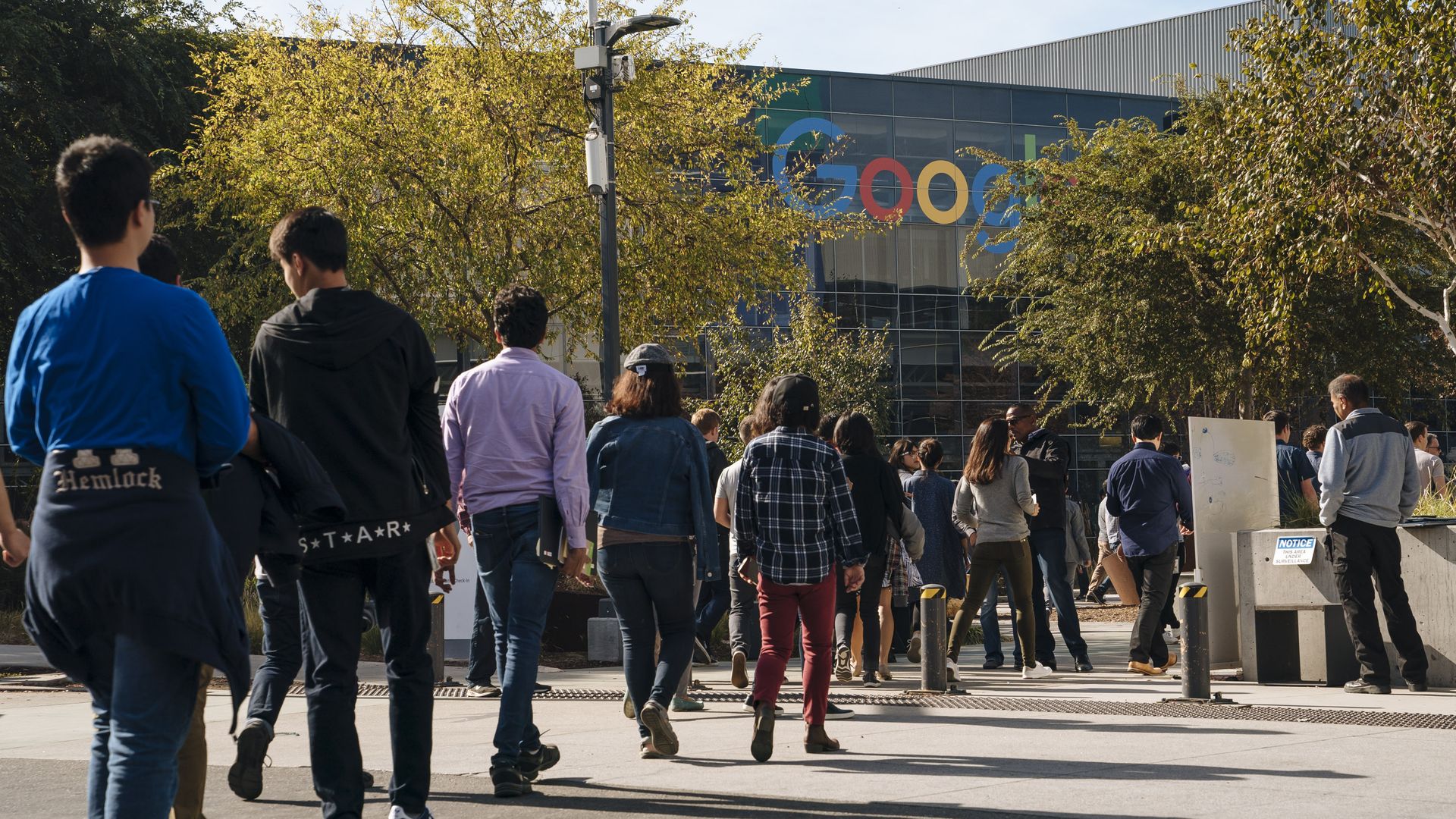
A group of more than 200 employees at Google's parent company announced on Monday that they've signed union cards with the Communications Workers of America, forming the Alphabet Workers Union.
Why it matters: This is the largest and most high-profile unionization effort among tech workers to date. The tech industry has historically eschewed unions, unlike other sectors like the auto industry.
Russian hackers stagedtheir attacks from servers inside the U.S. — sometimes using computers in the same town or city as the victims, cybersecurity company FireEye tells the New York Times.
Why it matters: This let the intruders evade "legal prohibitions on the National Security Agency from engaging in domestic surveillance," and elude "cyberdefenses deployed by the Department of Homeland Security."