Apple will start reopening some of its U.S. stores after the coronavirus pandemic spurred mass retail closures, the company confirmed to Axios on Friday.
The big picture: Apple will resume some retail operations in Alabama, Alaska, Idaho and South Carolina next week, signaling a slow return to normalcy for the tech giant. It has also opened a few locations in South Korea, Australia and Germany, according to CNBC, which first reported the U.S. re-openings.
Volvo Cars is preparing to launch its first fully self-driving technology for highways using lidar and perception technology provided by Luminar, an ambitious tech startup.
Why it matters: The partnership is a major milestone for both companies.
As more and more cities look to automate the coronavirus testing process, tech companies are working together to ensure that people can use an app or website to schedule tests instead of waiting in a potentially dangerous line.
Why it matters: Many testing locations remain overwhelmed by demand, but some are still underused. More efficient coordination could help make better use of the resources we have.
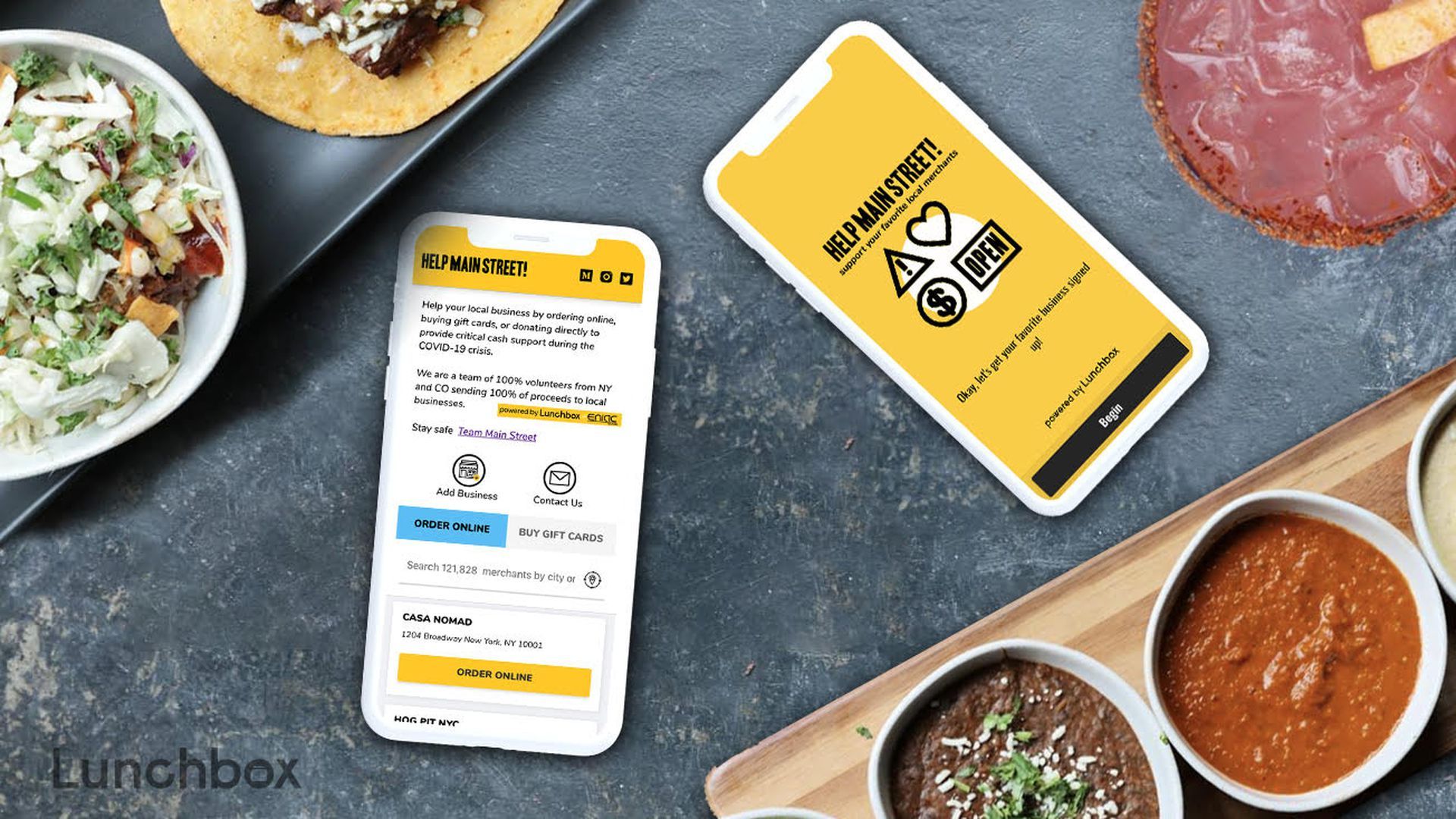
In the latest version of its volunteer effort, the Help Main Street project is linking directly to the many small businesses offering their own ordering systems, in an effort to help them avoid giving a cut to various middlemen.
Why it matters: Large, tech-based intermediaries like Grubhub often take a significant cut of revenue, eating into badly needed cash for already struggling restaurants.
The debate over reopening the economy splits Silicon Valley, like every other community in the U.S., in two. But in place of the usual blue state/red state, Democrat/Republican divide, tech's argument is between technocrats and libertarians.
Why it matters: The pandemic has only amplified tech giants’ power, ensuring their mindset and choices will play an outsize role in shaping how the U.S. reopens its economy. Nailing or bungling that process could save or cost the nation thousands of lives and billions of dollars.
Uber beat revenue expectations in the first quarter but faced heavy losses stemming primarily from write-downs as it girded for the full impact of the coronavirus pandemic, the company reported Thursday.
Why it matters: Uber is among the companies significantly impacted by measures to curb the current virus spread as people stay home as much as possible, though its food delivery business is seeing a huge boost for the same reason.
Zoom agreed to step up security protections for all of its users under an agreement with the New York attorney general's office announced today.
The big picture: Zoom is keen to placate lawmakers and regulators as it deals with the increased scrutiny that has accompanied the popularity of its videoconferencing service during the coronavirus pandemic.
Sidewalk Labs, the urban tech segment of Google parent Alphabet, is pulling out of its long-planned smart city project for Toronto's waterfront, citing "unprecedented economic uncertainty."
Why it matters: The move suggests pursuing futuristic transformations may take a back seat as already strapped cities focus their resources on managing the coronavirus pandemic and its economic impact.
With much of the world sheltering in place, there has been a noted increase in domestic violence, as experts had feared. Not all abuse is physical, though: Many abusers are using smartphones and apps to inflict additional pain.
Why it matters: Technological forms of abuse, ranging from sharing intimate photos to hacking accounts and stalking, can persist even after survivors have physically escaped their abusers.