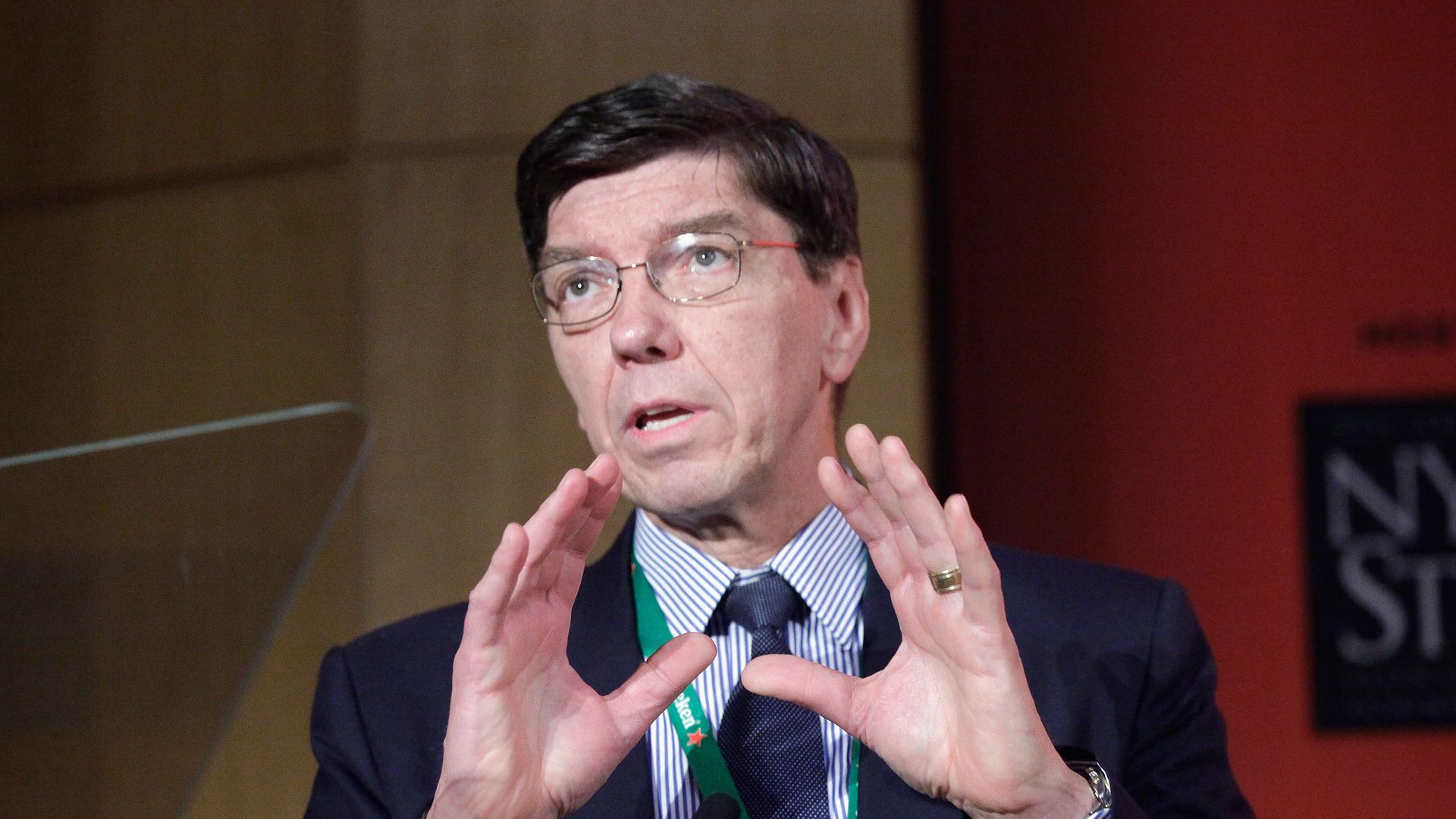
Clayton Christensen, best known for his 1997 business management book “The Innovator’s Dilemma: When New Technologies Cause Great Firms to Fail,” died of cancer treatment complications on Thursday at age 67, according to the Deseret News.
Why it matters: Christensen’s theory of “disruptive innovation” has influenced generations of Silicon Valley entrepreneurs seeking to upend entire industries, making the word “disruption” part of startup zeitgeist.
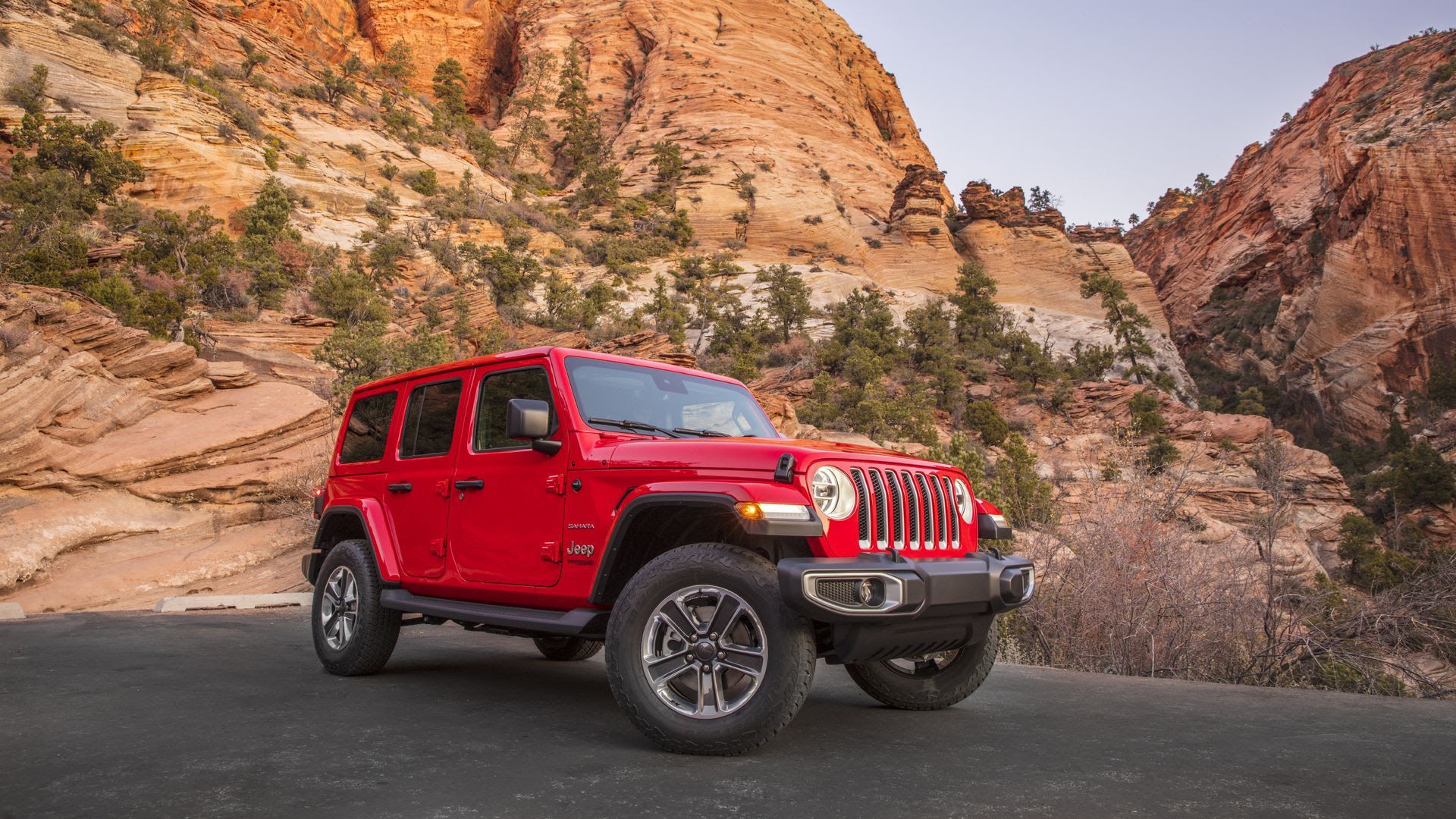
When the ice and snow hit Michigan last weekend, I was fortunate to be testing a 2020 Jeep Wrangler Unlimited Sahara Ecodiesel.
Why it matters: If you're going to be tackling rough roads, any Jeep is handy, especially the capable 4x4 Wrangler. But with 442 pound-feet of torque from the new diesel power plant, you can drive over just about anything.
Broadcom disclosed Thursday two deals with Apple that will see the company getting roughly $15 billion in revenue from the iPhone maker through 2023.
Why it matters: While Apple gets the lion's share of revenue from the iPhone, there are many suppliers and component makers who make a fortune from the device; they just usually have to be cagey about offering details for fear of irking Apple. It's hard to stay silent, though, when Apple accounts for such material revenue.
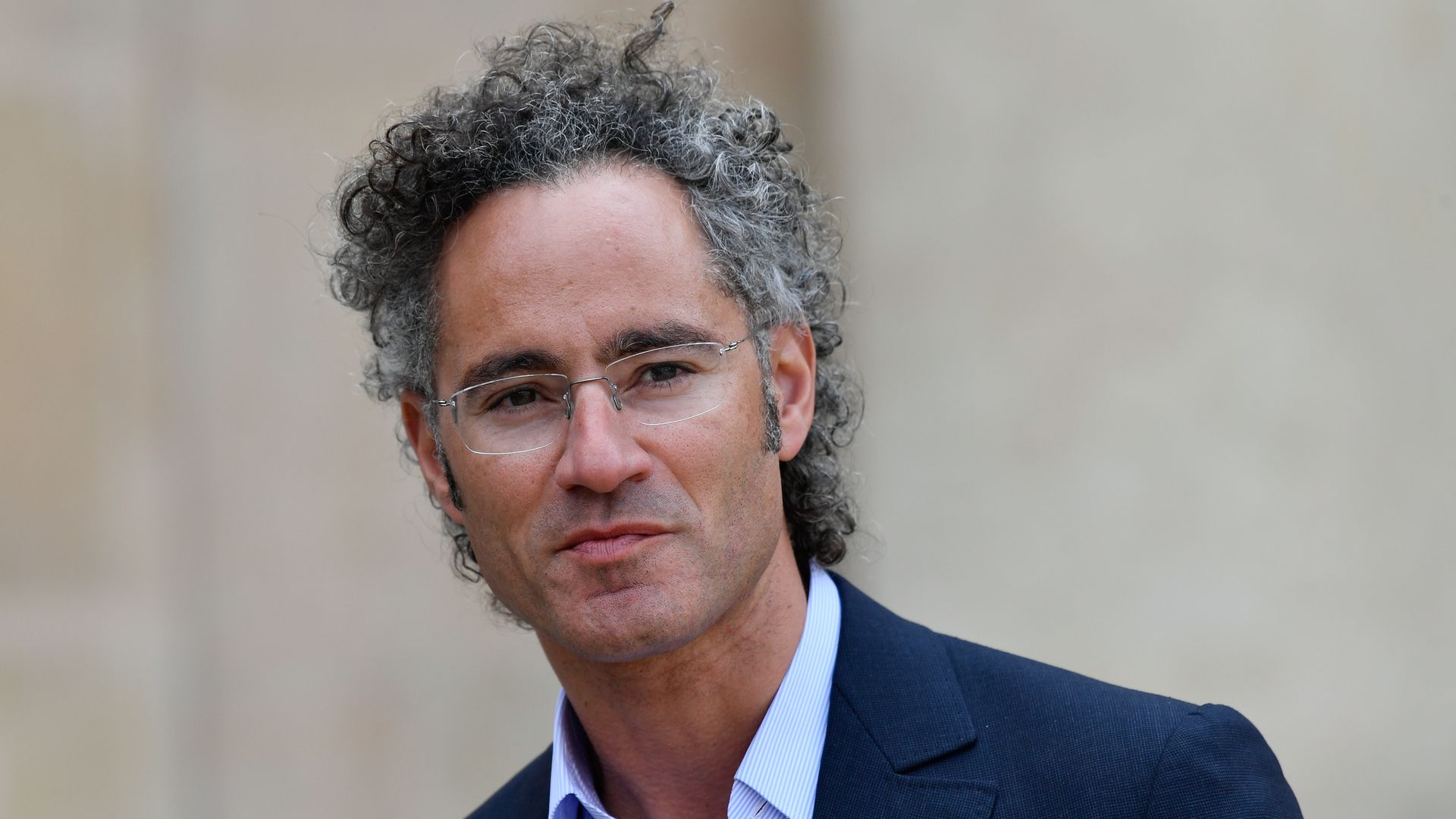
Palantir CEO Alex Karp defended his company's government work, including working for Immigration and Customs Enforcement (ICE), in a CNBC interview on Thursday.
Why it matters: The Peter Thiel-backed company is often criticized both for the secrecy and nature of its work with government and law enforcement.
Two arms of the Trump administration are facing off over airwaves long set aside so cars can eventually communicate with each other.
What's happening: The Transportation Department is pouring money into what it says will be life-saving connected-car tech that would ride on these mostly unused airwaves. Meanwhile, the Federal Communications Commission is moving to reallocate most of the same spectrum to expand WiFi service.
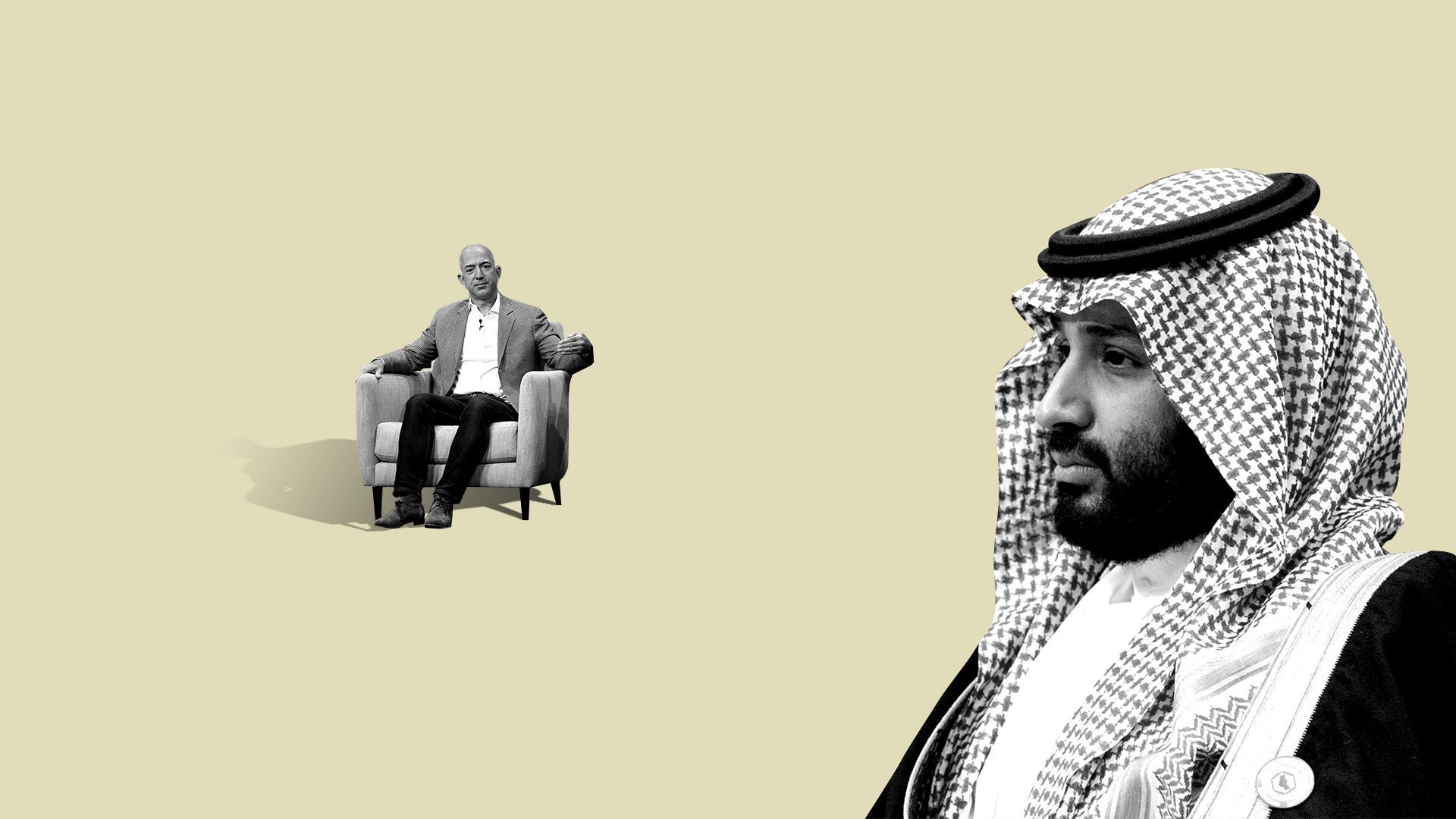
Driving the news: Reports emerged this week alleging that Jeff Bezos's iPhone was compromised in 2018 after the Amazon founder and Washington Post owner received a video file in a WhatsApp message sent by Saudi crown prince Mohammed bin Salam (MBS). The news sent tremors through Washington and Silicon Valley.
The UN is calling for an immediate investigation into allegations that Amazon CEO Jeff Bezos’ phone was hacked by Saudi Crown Prince Mohammed bin Salman. Dan digs in with Cyberscoop reporter Shannon Vavra.
Apple has come under fire this week for holding onto encryption keys to iCloud backups, which let it provide law enforcement with access to users' data even while the company is refusing to unlock iPhones for the FBI, as in the current standoff over the Pensacola shooter's phone.
The state of play: Apple's practice is nothing new — and it's not a sign the company is capitulating to law enforcement in the encryption debate.
If it weren't for impeachment, the country's biggest story would be allegations that Saudi Crown Prince Mohammed bin Salman (MBS) hacked Amazon CEO Jeff Bezos' phone.
Whyit matters: This would be the nominal leader of an American ally spying on the head of one of America's largest companies, who doubles as the owner of one of America's most influential media outlets.
Tinder will debut a feature later this month that will allow users to hit a panic button if they feel physically unsafe on a date gone wrong, the Wall Street Journal reports.
Why it matters: Critics have previously called out Tinder for not doing more to ensure the safety of users and filtering out possibly dangerous users, especially following reports of sexual assaults after connections made via the app.
One of Facebook's biggest headaches leading up to 2020 isn't election interference or fake news — it's worrying about what a Democrat in the White House could mean for the business.
Why it matters: The Obama administration's warm embrace of Big Tech is no longer shared by many Democratic policymakers and presidential hopefuls. Many of them hold Facebook responsible for President Trump's 2016 victory, assail it for allowing misinformation to spread, and have vowed to regulate it or break it up.




/2020/01/22/1579710317783.gif?w=3840)