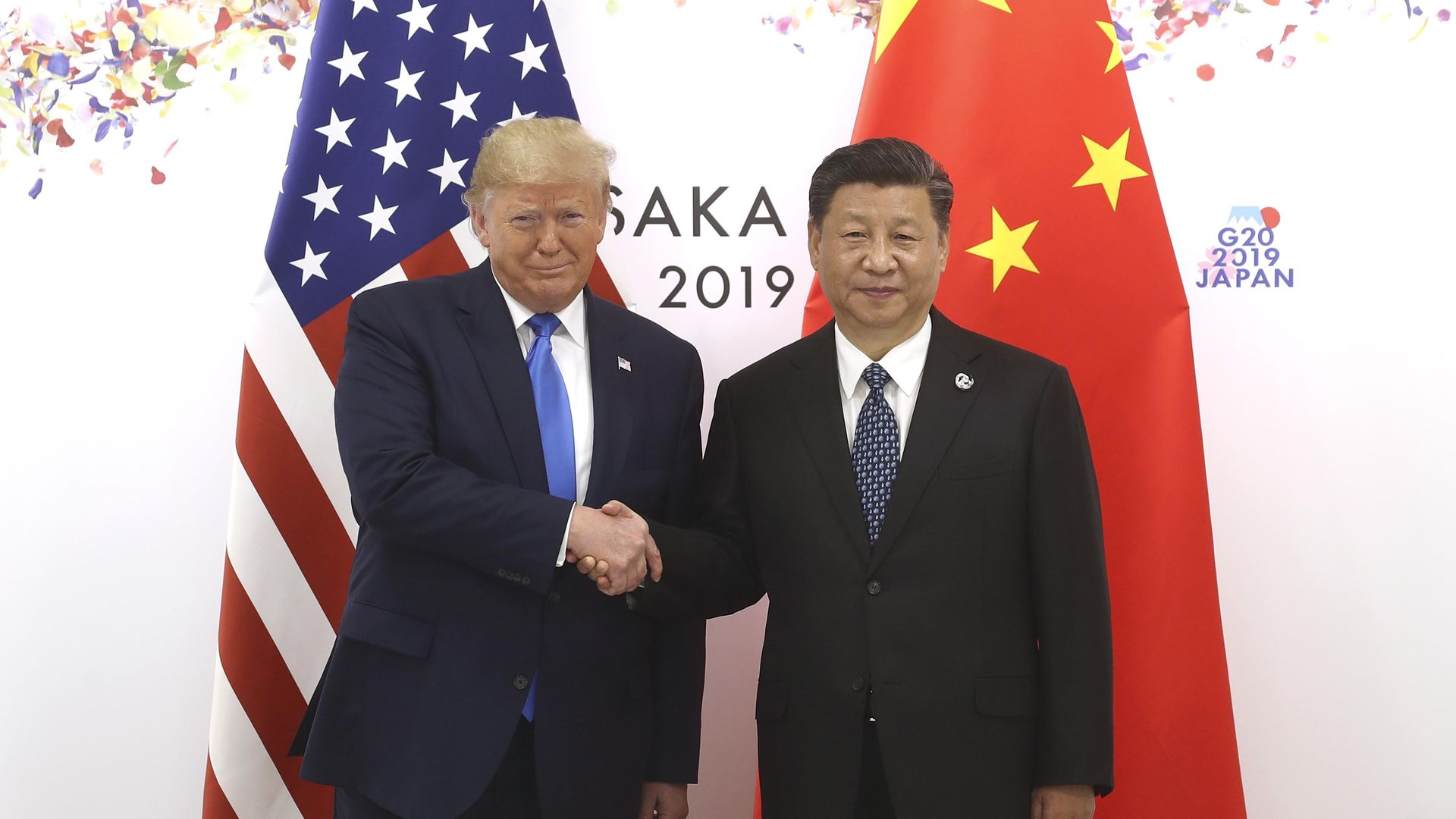
President Trump, as part of a broader pause in tensions with China, said Sunday that U.S. companies can continue to sell parts to embattled telecom firm Huawei, provided there are no national security concerns specific to those products.
Why it matters: While many of the concerns were around Huawei's networking business, U.S. sanctions were also threatening the viability of the company's smartphone business too, given its reliance on chips and software from the U.S.
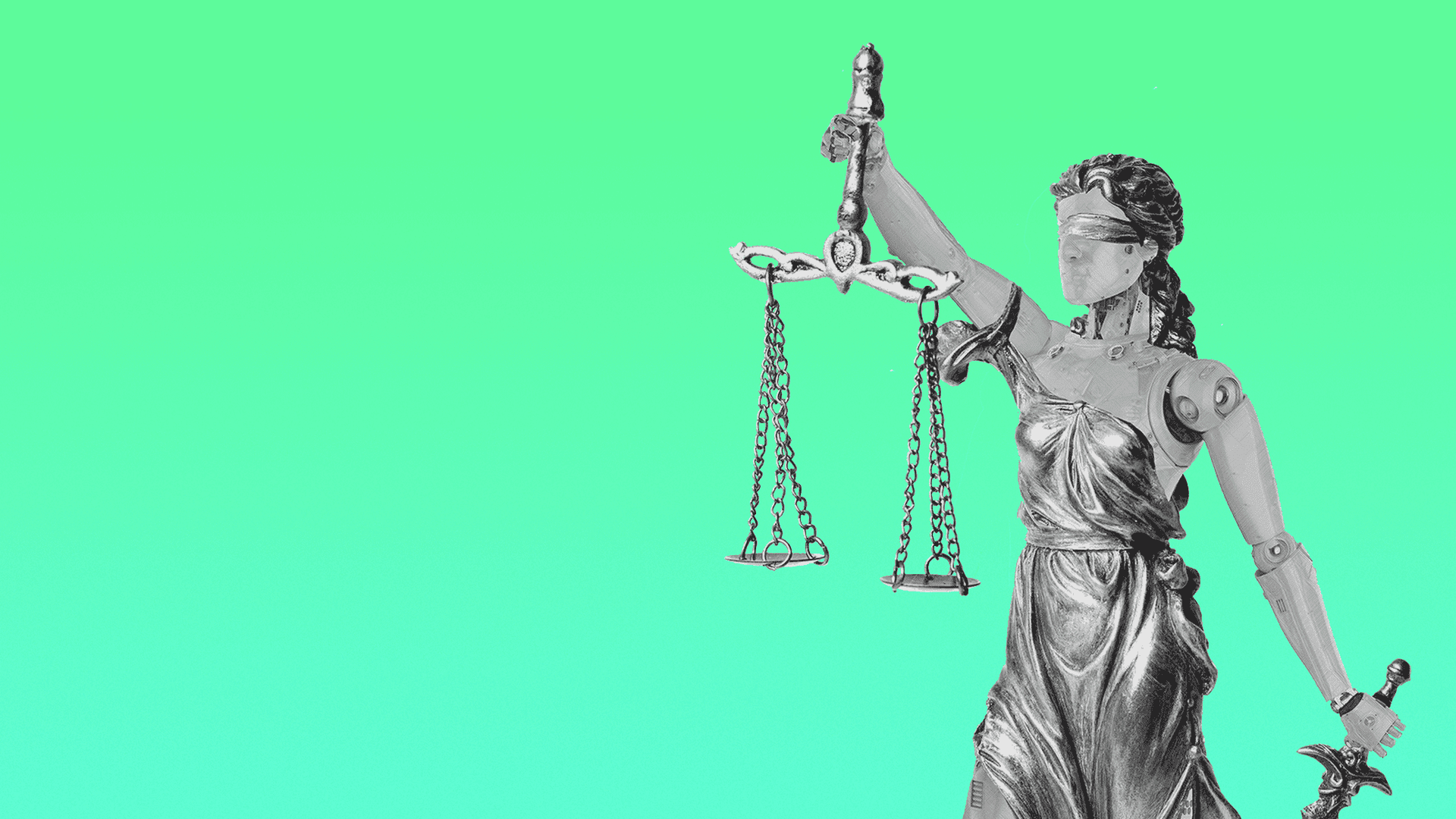
A wave of recent scandals has focused on things that tech companies did that were legal, but nonetheless icky.
Why it matters: Companies are under constant business pressures to grow at all costs and squeeze revenue and profits wherever they can, but what seem like clever legal loopholes can backfire when customers find out.
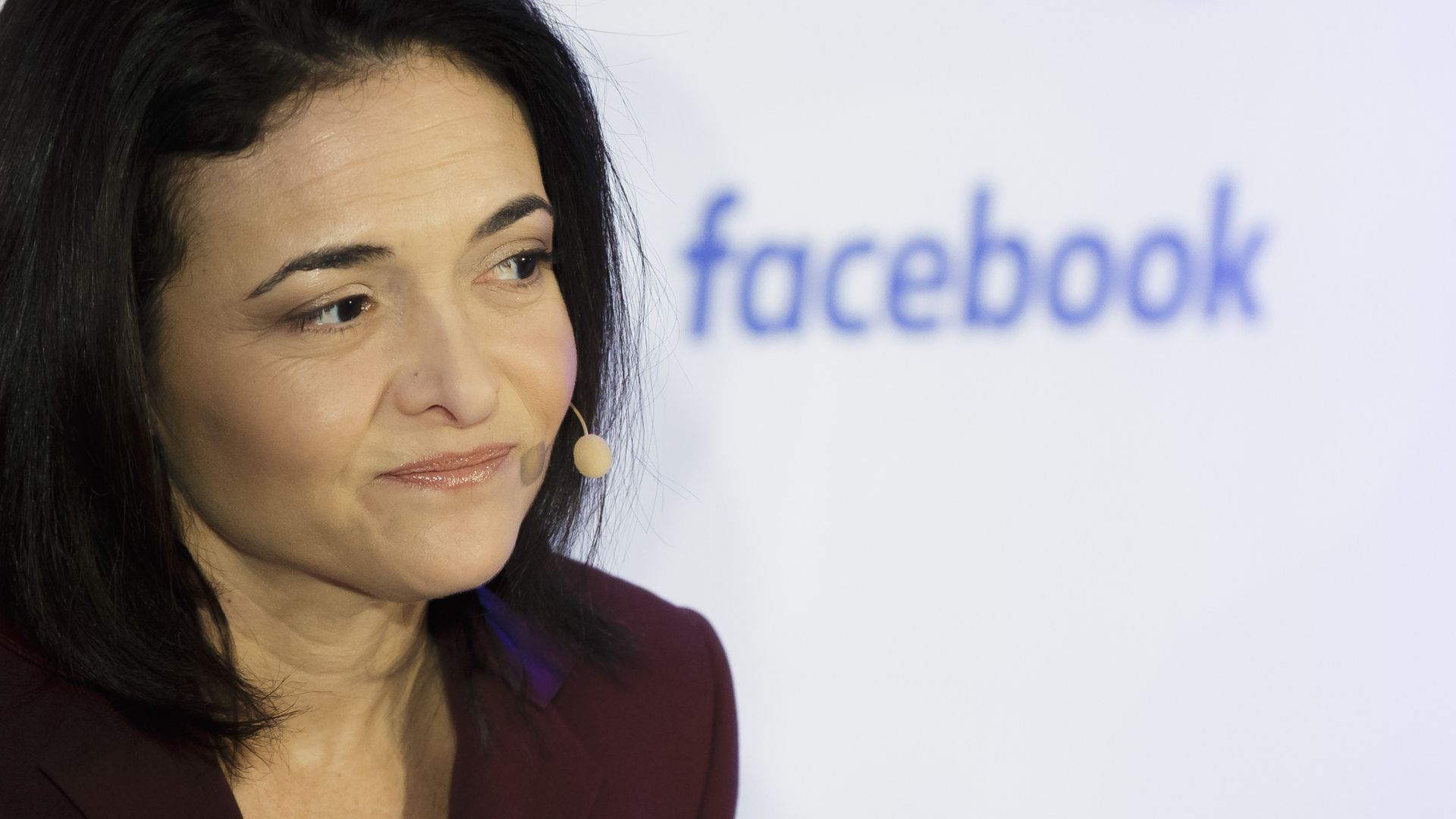
Facebook issued a civil rights report on Sunday, touting its recent progress and pledging to remain vigilant on efforts to manipulate either the 2020 election or census.
Details: Facebook COO Sheryl Sandberg wrote in a blog post announcing the report the social media giant is introducing a new policy in the fall that protects against misinformation related to the census. "We'll also partner with non-partisan groups to help promote proactive participation in the census," she said.
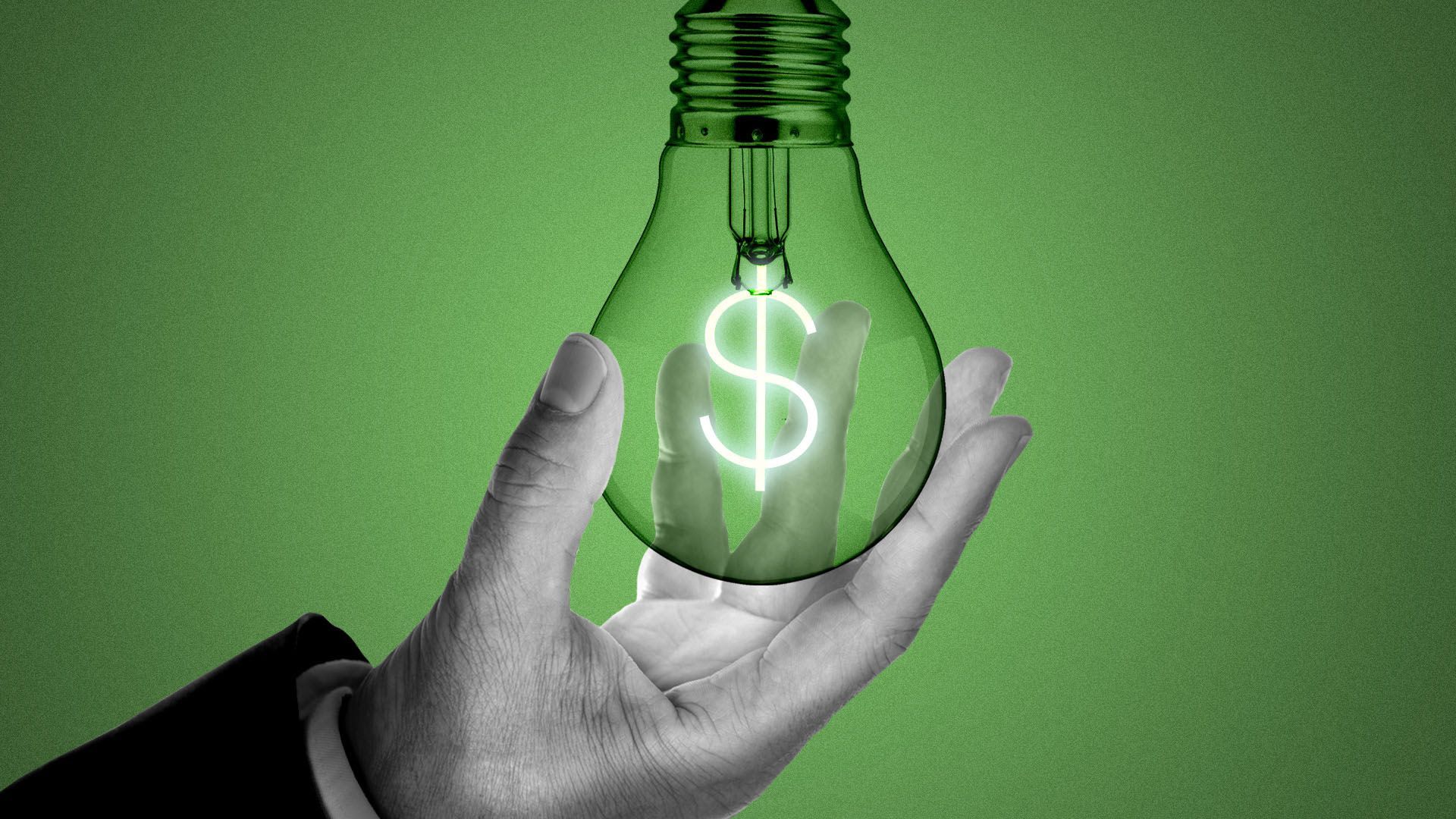
Libra, the wildly ambitious and probably doomed Facebook-backed cryptocurrency, is innovative in many different ways. But there's one part of it that's deeply familiar — the way in which it sells itself as a way of bringing millions of people into the global financial system.
The big question: Can the private sector, and technology companies in particular, bring critical financial services to those who have been excluded from the global financial system?