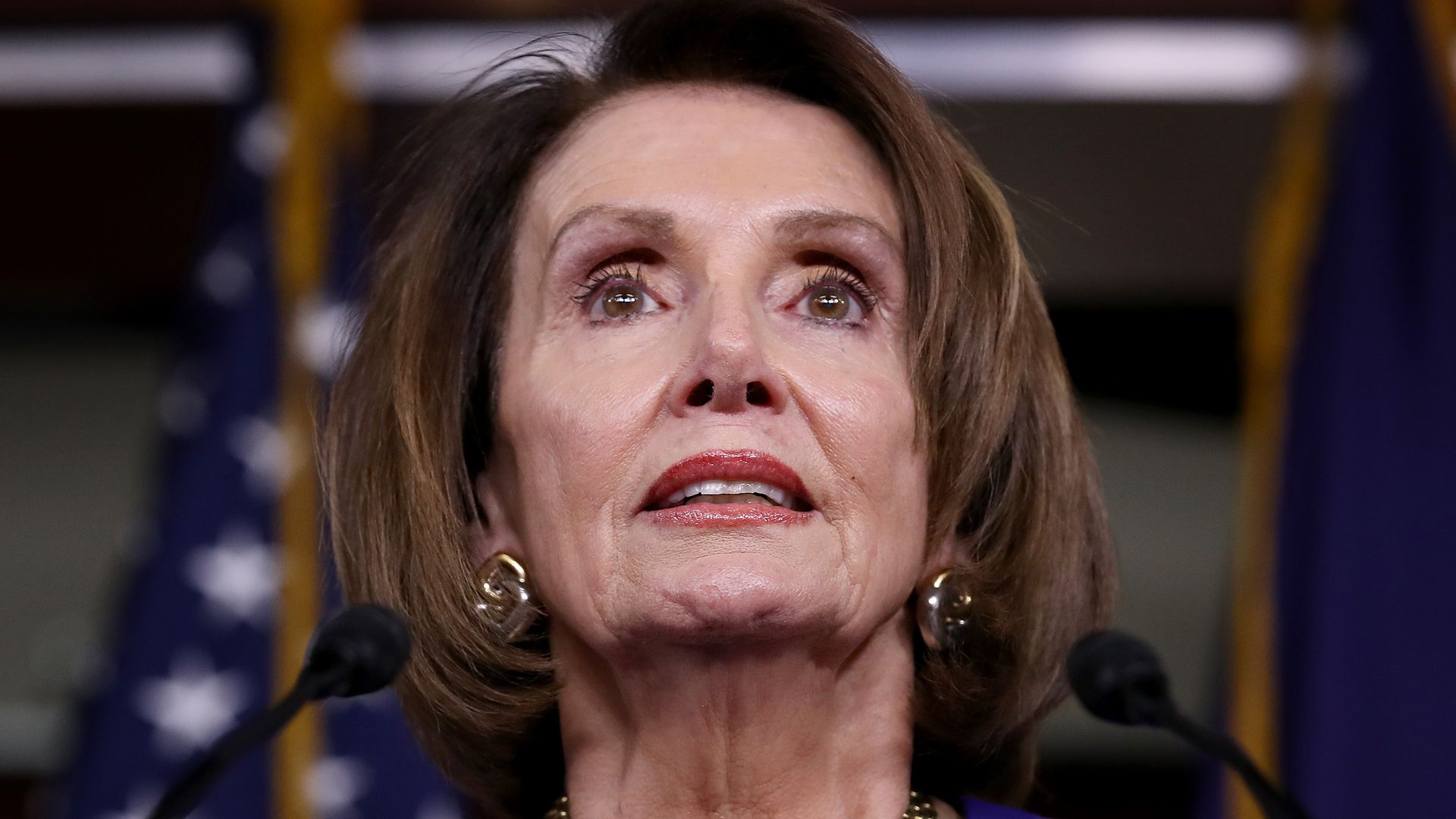
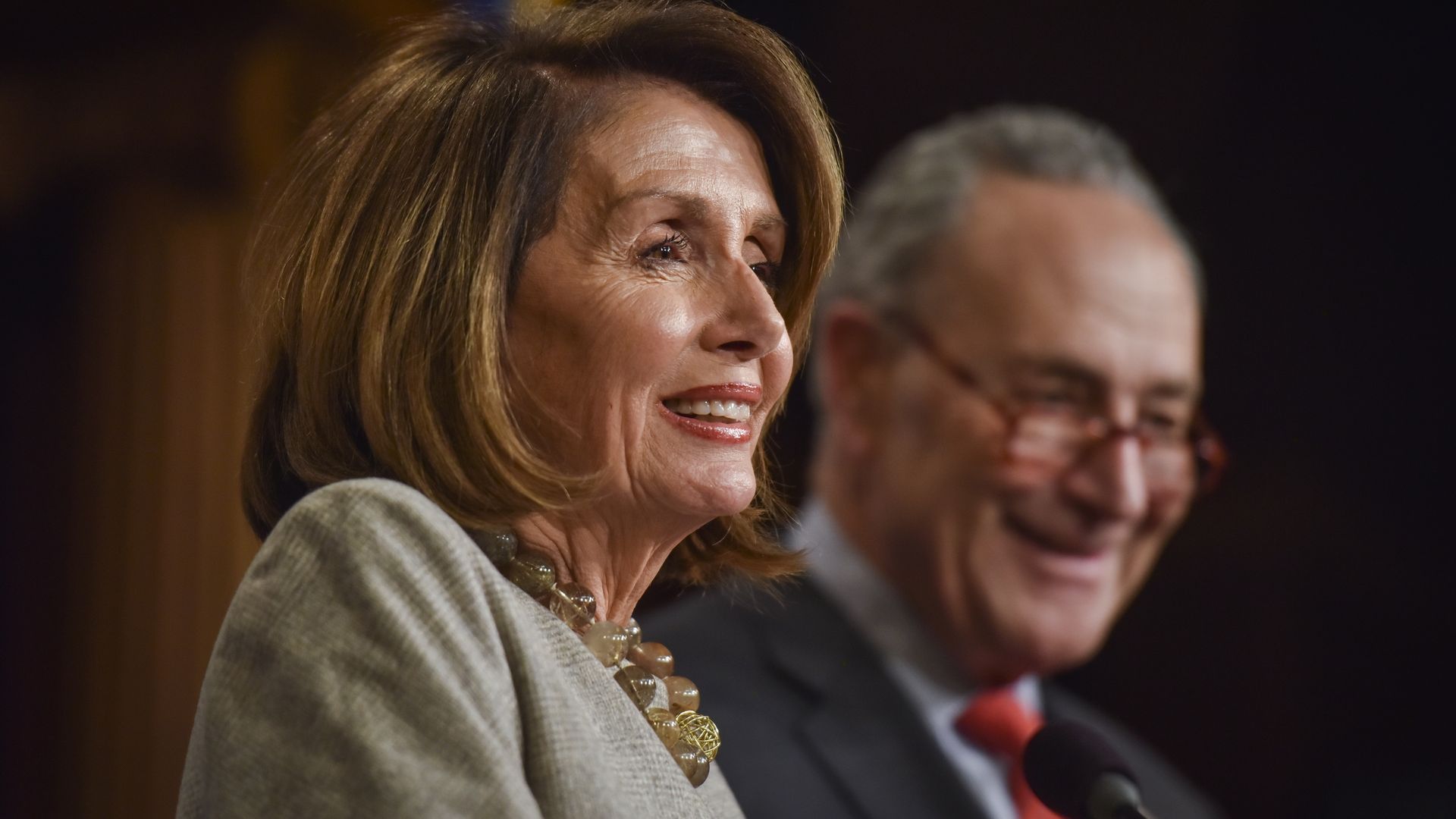
An altered video of House Speaker Nancy Pelosi that shows her speaking slowly as if drunk is spreading on social media.
Why it matters: The clip, which appears to have been slowed to make Pelosi's speech sound slurred, has found traction on Facebook, Twitter and YouTube, highlighting how easily even the simplest manipulated media can mushroom on social platforms.
After dramatic U.S. moves to shut Huawei off from suppliers, the Chinese telecom manufacturer received a 90-day reprieve from the Department of Commerce Monday, placing a question mark over the broader anti-Huawei campaign.
Why it matters: A similar previous U.S.-China trade tussle flipped from confrontation to accommodation, leaving experts and lawmakers wondering what the mercurial Trump administration's endgame with Huawei will be.
Facebook said Thursday that it took down roughly 900,000 posts related to attempted drug sales or otherwise linked to drugs in the first quarter of 2019.
Why it matters: Some critics of Facebook and other social platforms say they haven't done enough to combat the opioid trade fueling a nationwide epidemic.
Amazon is designing a wearable "health and wellness product" that can understand and categorize human emotion by analyzing a person's voice, Bloomberg reports.
Our thought bubble, via Axios' Erica Pandey: Amazon wants to collect as much data as it can from its customers and use it to get better at marketing and selling products. Should it somehow perfect access to shoppers' emotional states, it could take that data collection many steps farther than keeping tabs on purchase history or music taste.
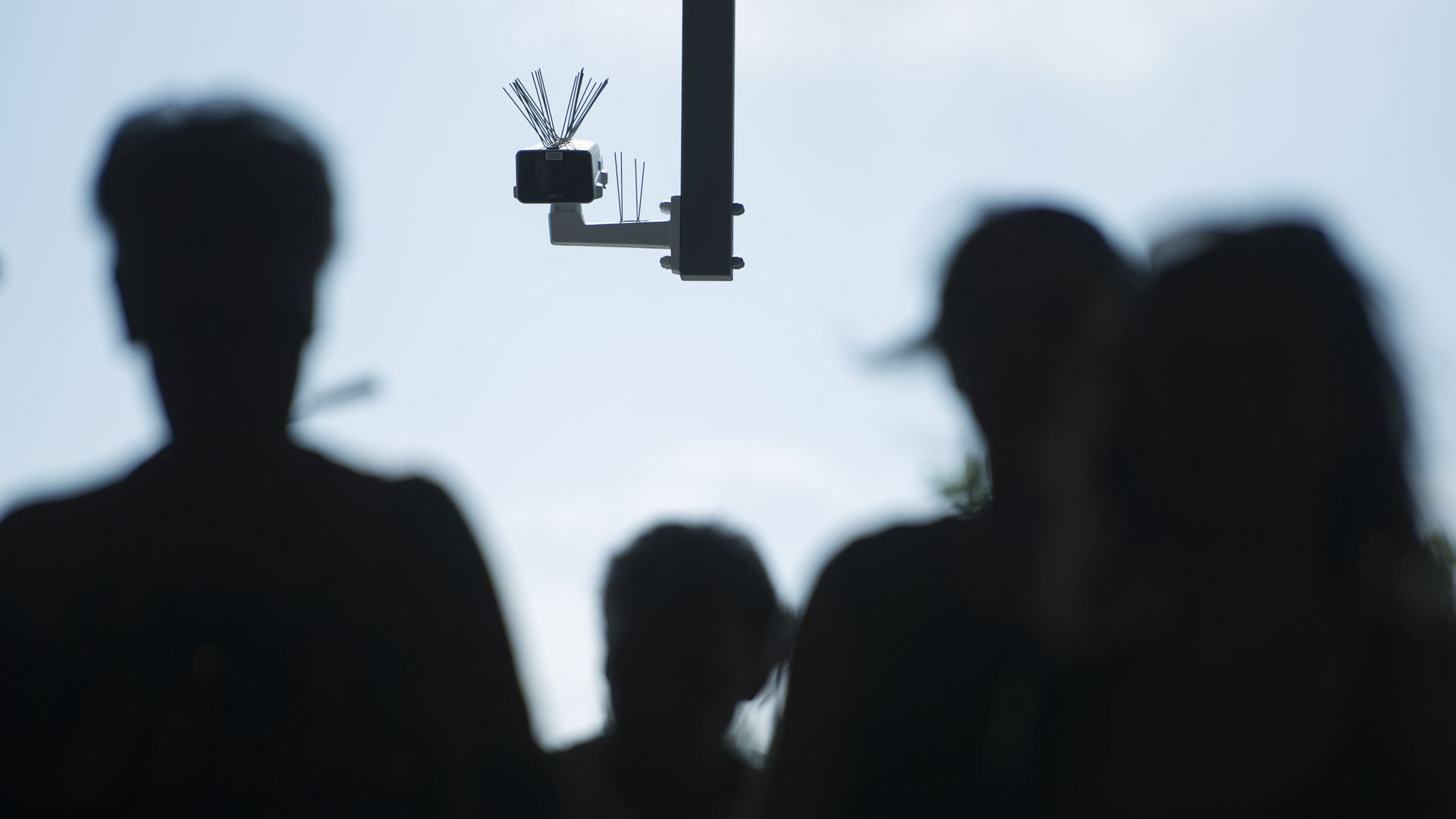
Government use of facial recognition systems came under biting attack on both sides of the country today — in Congress and at one of the largest tech companies in the world.
Why it matters: Momentum is picking up to limit police facial recognition, driven by widespread concerns about the technology's accuracy and fairness. Slowing its rollout would be a serious blow to an emerging field that has so far grown unchecked.
A federal judge has ruled that Qualcomm engaged in anticompetitive behavior and ordered the chipmaker to renegotiate its licensing deals with device makers. Qualcomm vowed to appeal the ruling.
The big picture: Qualcomm defends its "no license, no chips" business model — under which it only sells processors to companies that also take a license to its patents. But critics say the policy is unfair and that the company doesn't offer its standards-essential technology on a fair and reasonable basis.
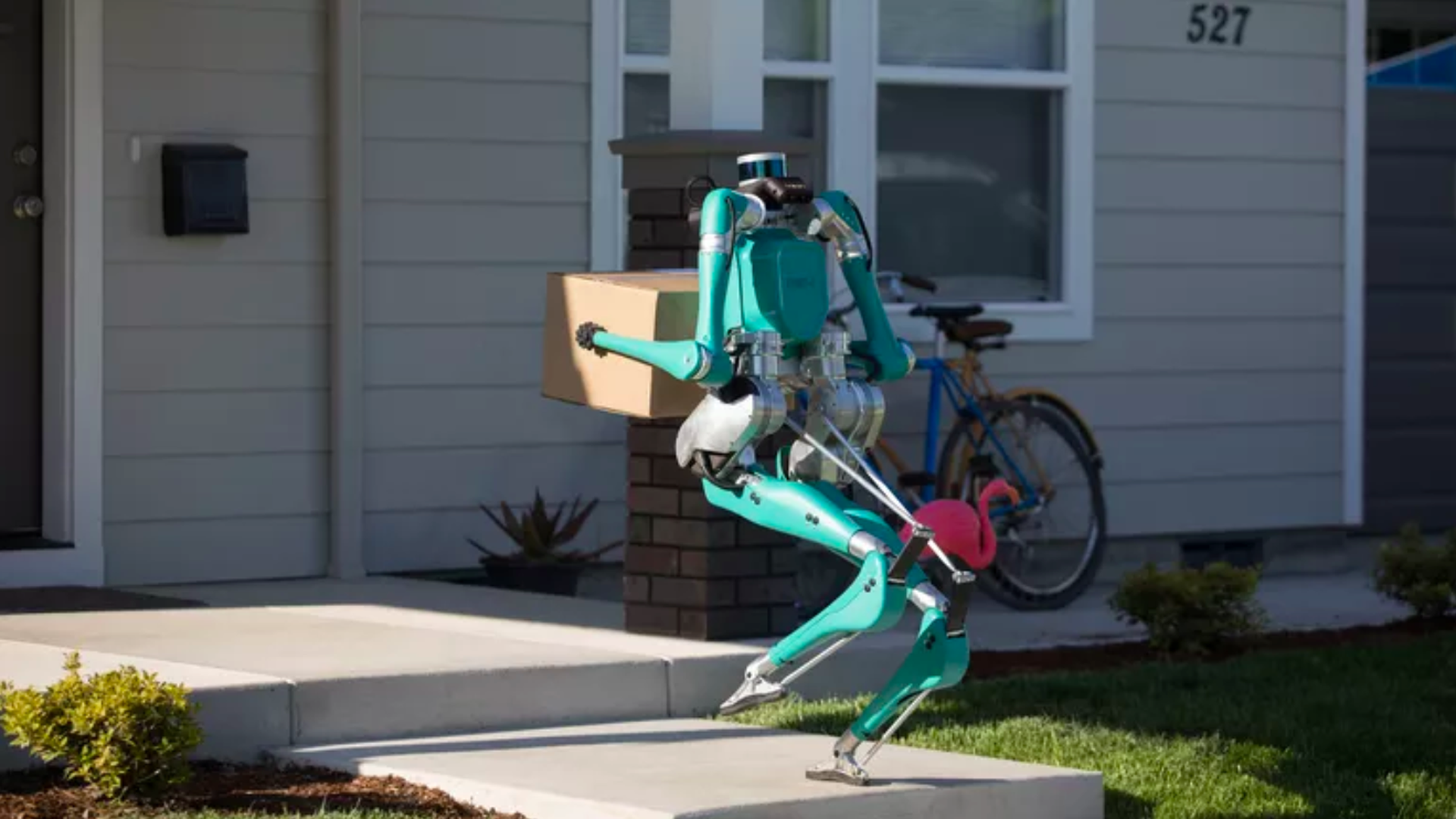
A self-driving delivery vehicle isn't particularly helpful if it doesn't complete the job. Ford says it's exploring the use of robots to carry packages from an AV to your doorstep.
What's happening: In a blog post on Wednesday, Ford CTO Ken Washington explains the automaker's collaboration with Agility Robotics to figure out how deliveries by self-driving cars will occur in the future.
Lyft last Friday was hit with a class action lawsuit by investors in its IPO, who have seen the value of their shares fall precipitously.
My thought bubble: Normally I ignore such cash grabs, as they reek of sour grapes. But this one, with or without merit, highlights a reason why both Lyft and Uber have struggled since going public.
In a high-profile pilot along one of America's busiest freight corridors, the U.S. Postal Service is now testing autonomous trucks as a way to deliver mail more cheaply and efficiently.
Why it matters: Self-driving trucks are likely to be rolling down interstates before robotaxis are deployed in urban areas, not only because their driving task is simpler but because they could help solve an urgent shortage of truck drivers. This 1,000-mile pilot, in partnership with AV developer TuSimple, is the first long-haul test of the technology.
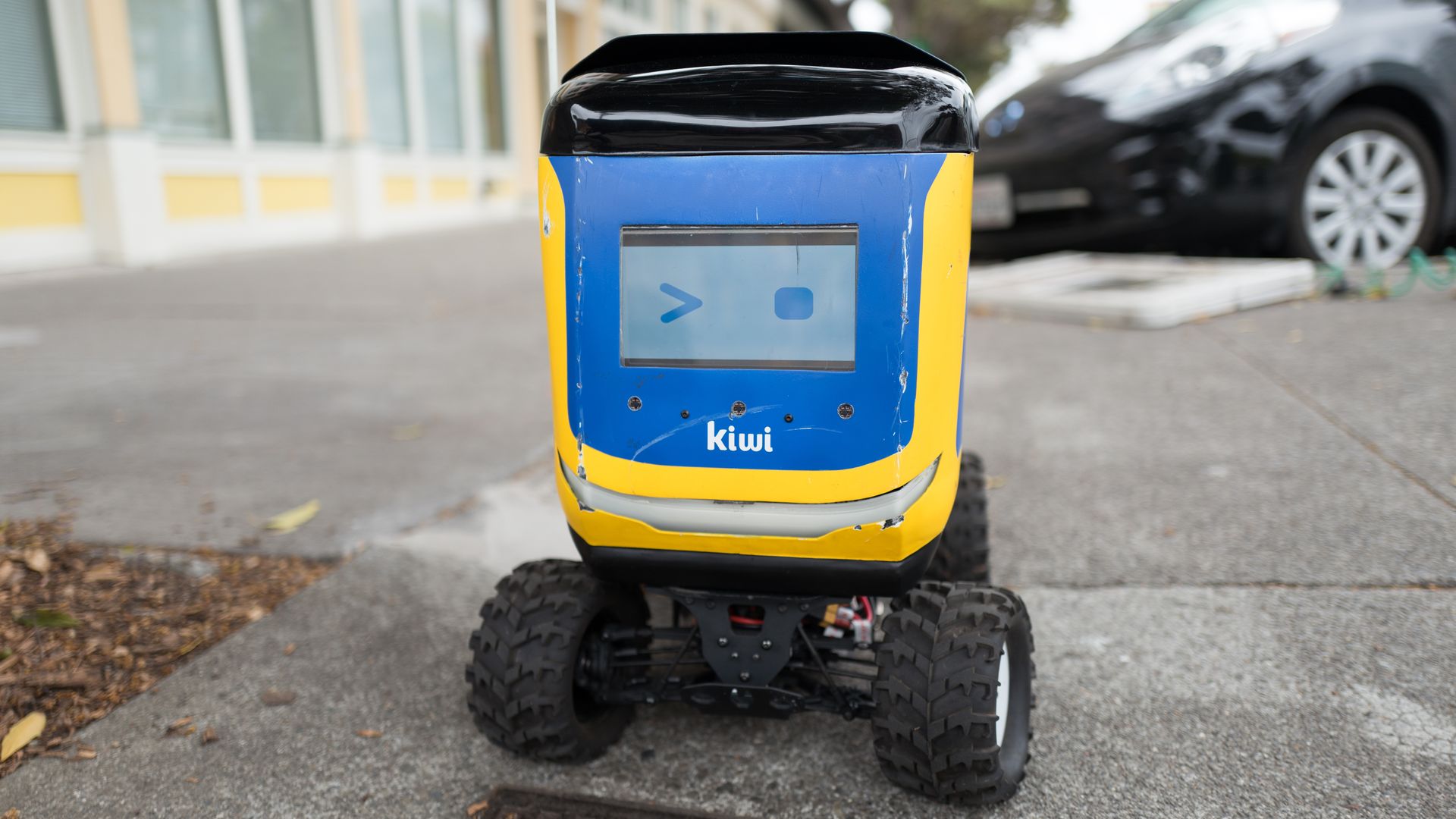
CA DMV's comment period for light-duty delivery AVs ends on May 27th and could usher in a slew of delivery AVs on roads in the state.
Why it matters: Smaller AVs and bots could cover last-mile and even last-meter delivery and possibly reduce the cost of delivering individual packages down to 4 to 7 cents. But the tech's biggest draw is the data it could collect on customer behavior by location.
Comcast is working on an in-home device to monitor people's health, with the intention of rolling it out next year, CNBC reports.
How it works: The device would use ambient sensors to track people's basic health metrics, like whether they're making more trips to the bathroom or staying in bed longer than usual. Tools are also being built to detect falls.
A core obsession of internet reformers is to loosen Big Tech’s stranglehold on the financial spoils from the data they vacuum up, and spread the riches around. But some economists say the payoff to ordinary Americans will be much less than many imagine.
What's happening: Economists say we live in an age of income inequality not seen since before the Great Depression — and possibly since the Gilded Age at the end of the 19th century. But they struggle to identify precisely why it's happened.
Just one day before they are scheduled to discuss U.S. infrastructure, President Trump sent a letter to House Speaker Nancy Pelosi and Senate Minority Leader Chuck Schumer saying he wants Congress to first pass the U.S.-Mexico-Canada trade deal.
Why it matters: Trump is trying to leverage the Democrats' hopes of securing a strong infrastructure plan as a way to ensure that his USMCA trade deal passes and replaces the North American Free Trade Agreement.