Why it matters: Although Snap says that Stone's departure is not due to any disagreement between him and the company, he is nonetheless the latest in a string of executive departures over the last couple of years.
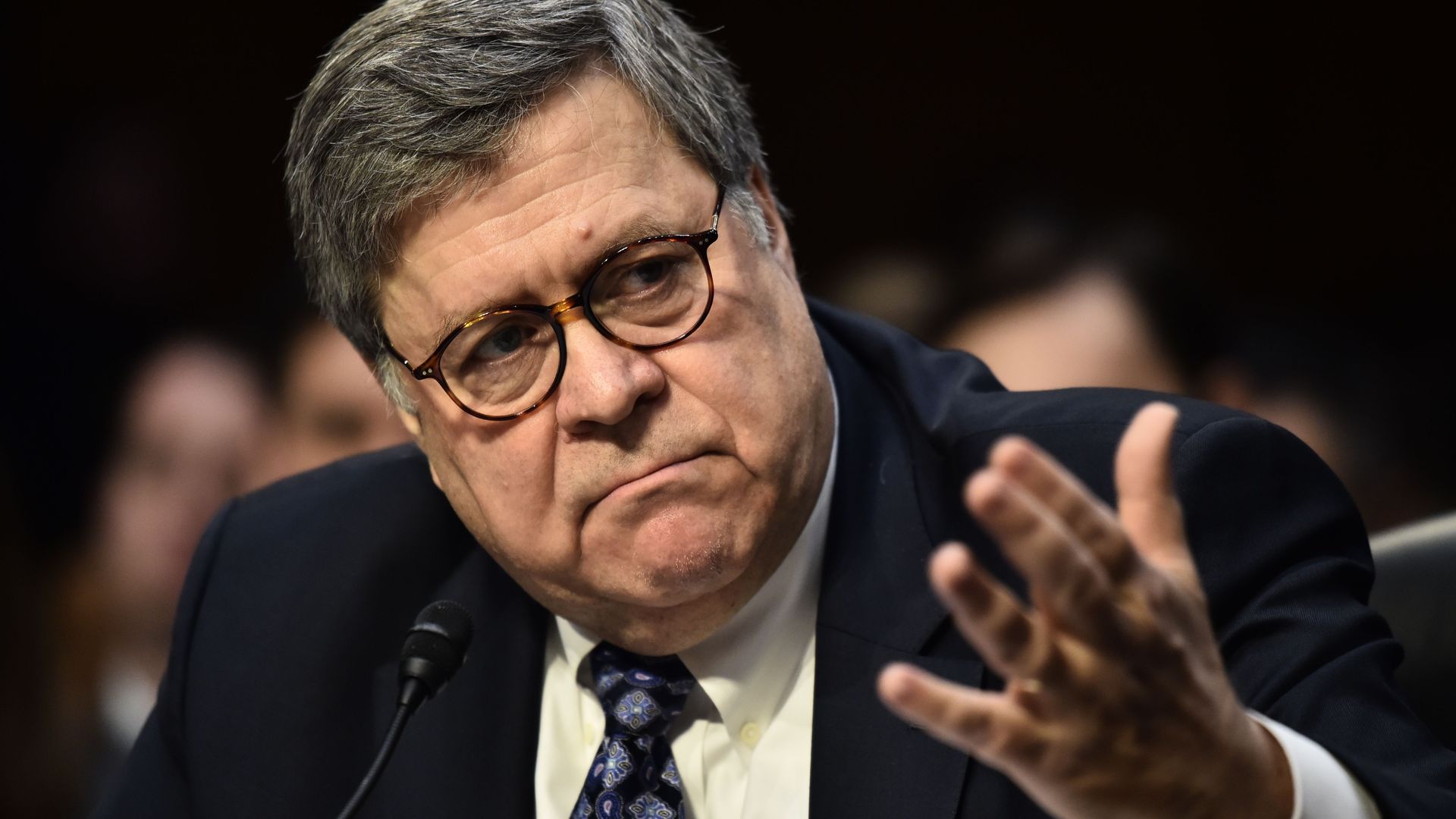
Attorney General nominee William Barr said he was interested in examining the power and impact of large tech companies during his Tuesday testimony to the Senate Judiciary Committee.
Why it matters: The fact that Barr singled out privacy and competition as key issues for tech — and that so many lawmakers asked him about it — is a sign that Silicon Valley should expect scrutiny from a Barr-led Justice Department.
Netflix is raising the prices for all three of its subscription tiers beginning Tuesday, Jan. 15. Shares for Netflix were up over 5% after the news broke Tuesday.
Why it matters: The business model behind Netflix's strategy is to accumulate as many users worldwide with as much original and licensed content as possible, and then to hike the monthly subscription prices on those users once they are hooked.
As Intel's quest for a new CEO passes six months, one name that has been on the company's list but hasn't been previously reported is Apple's Johny Srouji.
As SVP of hardware technologies, Srouji has overseen the company's push into, among other things, designing more of its own silicon. While not an insider, Srouji does have quite a bit of experience with the chipmaker, having worked at its Israel facility from 1990 to 2005.
Intel declined to comment.
Meanwhile, Bloomberg reported Monday that several executives that had been under consideration are now out of the running. These include former Motorola CEO Sanjay Jha, and two former Intel executives Anand Chandrasekher and Renee James.
The big picture: In case it's been so long that you've forgotten, Intel has been looking for a CEO since cutting ties with Brian Krzanich for a consensual relationship with an Intel employee.
CFO Bob Swan has been interim CEO and is not currently a candidate for the gig full-time.
No, Beto O'Rourke did not live-stream his teeth cleaning on Instagram — any more than Al Gore ever actually claimed to have invented the internet. But if you were under the impression that O'Rourke did precisely that, you're not alone — we did, too!
The big picture: This is how online myths start.And they are that much harder to counter because there's no original of O'Rourke's posted video we can consult: Instagram Stories, like the Snapchat Stories they are modeled on, typically disappear after 24 hours.
Two big efforts to test horizontal swiping over vertical feed scrolling interfaces may offer hints from Silicon Valley about where mobile UX design is headed.
Be smart: The popular "Stories" format that was created by Snapchat and then adopted by Facebook-owned Messenger, Instagram, WhatsApp and the core Facebook app, have used this function for a while to allow users to advance through more content more quickly.
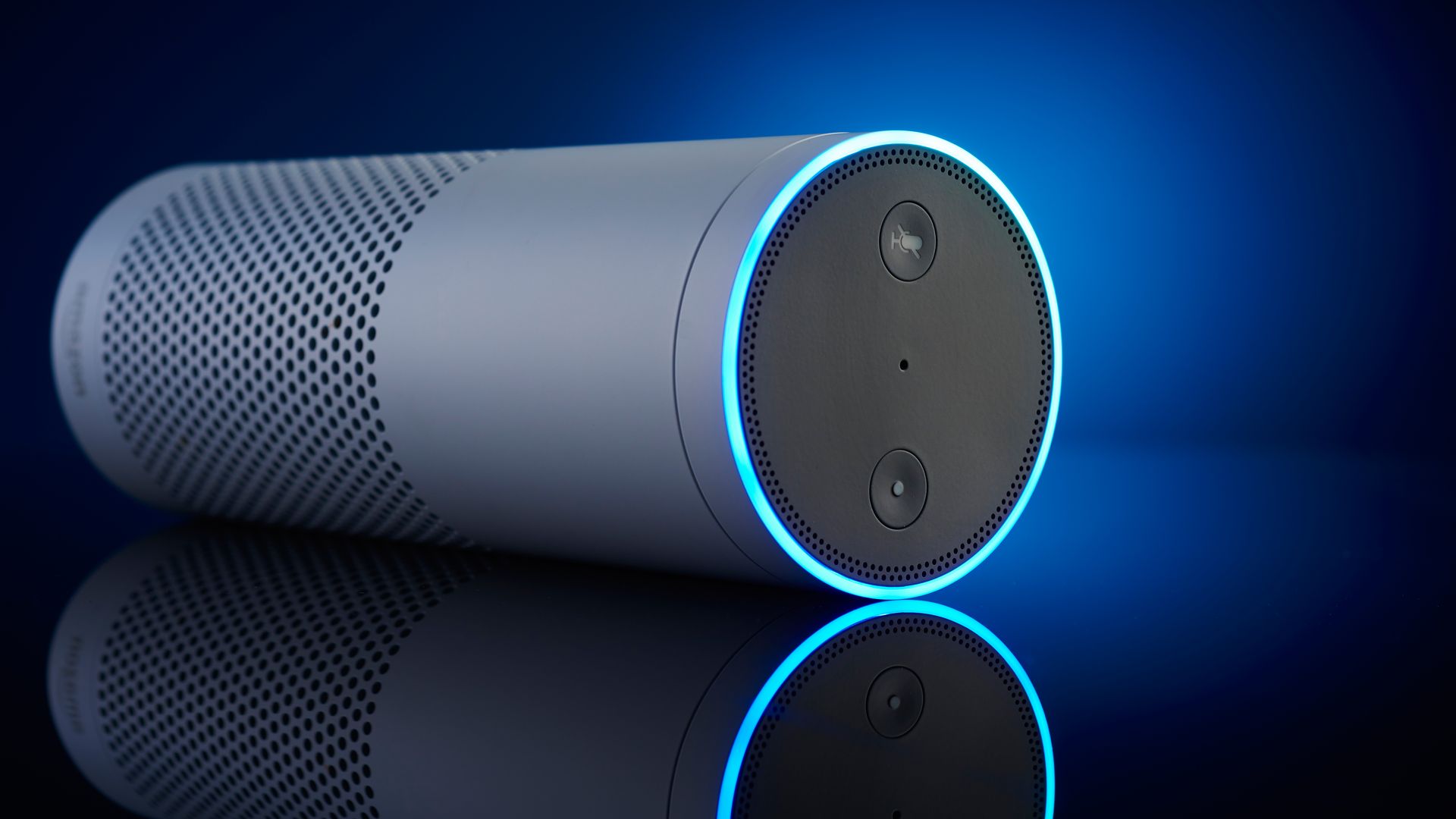
The New York Times plans to build custom Alexa skills for advertisers through its branded content studio for roughly six figures. The campaigns will be sold as a white label service, with no distribution offering — just production.
Why it matters: Amazon doesn’t let brands sell sponsorships or ad integrations for Alexa, so this is the next best way for the NYT to make money off budding new technology for marketers.
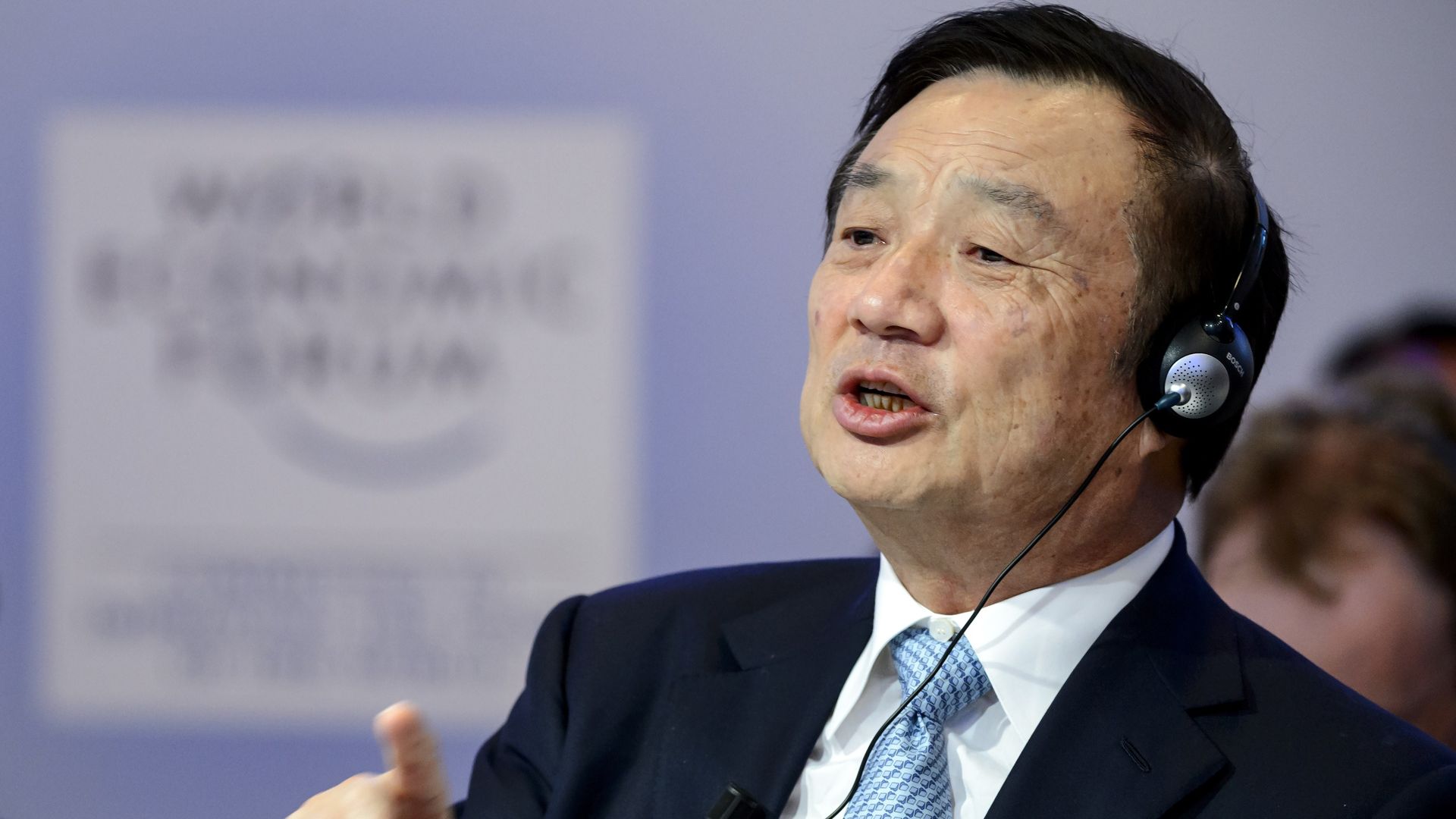
Huawei founder Ren Zhengfei denied accusations on Tuesday that the company is being used by the Chinese government to spy on other nations, the Financial Times reports.
The big picture: Zhengfei's daughter and Huawei CFO Meng Wanzhou was detained in Canada last month and faces extradition to the U.S. for violating sanctions on Iran, which has caused the Chinese government to pressure Canada for her release. Last week, a Huawei executive was arrested in Poland after allegedly spying for China’s secret service — and promptly fired by the telecom giant amid intensified Western scrutiny.
Facebook says it's granting a total of $300 million to news programs, partnerships and content over the next three years, a similar amount to a commitment from the Google News Initiative last year.
Why it matters: The relationship between the news industry and Facebook has been rocky since news organizations blame tech firms for taking away ad revenue and Facebook algorithm changes dramatically affect how newsrooms get web traffic.