Alphabet subsidiary Wing is testing one of the world's biggest drone delivery projects in Bonython, a suburb of Australian capital Canberra, dividing neighbors over its intrusion into their daily lives, reports the Wall Street Journal.
Why it matters: While Amazon's long-promised drone delivery is still years away from overcoming regulatory hurdles, Bonython has become ground zero for Wing's advanced trial. The program allows residents to get household staples delivered in just minutes with no delivery fee, but the company must also contend with neighbors who complain of constant, loud flybys and messy packages delivered to the wrong homes.
For eight young men the AP tracked down in Seattle, tech obsession has become something much darker, getting in the way of their normal lives.
"We’re talking flunk-your-classes, can’t-find-a-job, live-in-a-dark-hole kinds of problems, with depression, anxiety and sometimes suicidal thoughts part of the mix," the AP's Martha Irvine reports.
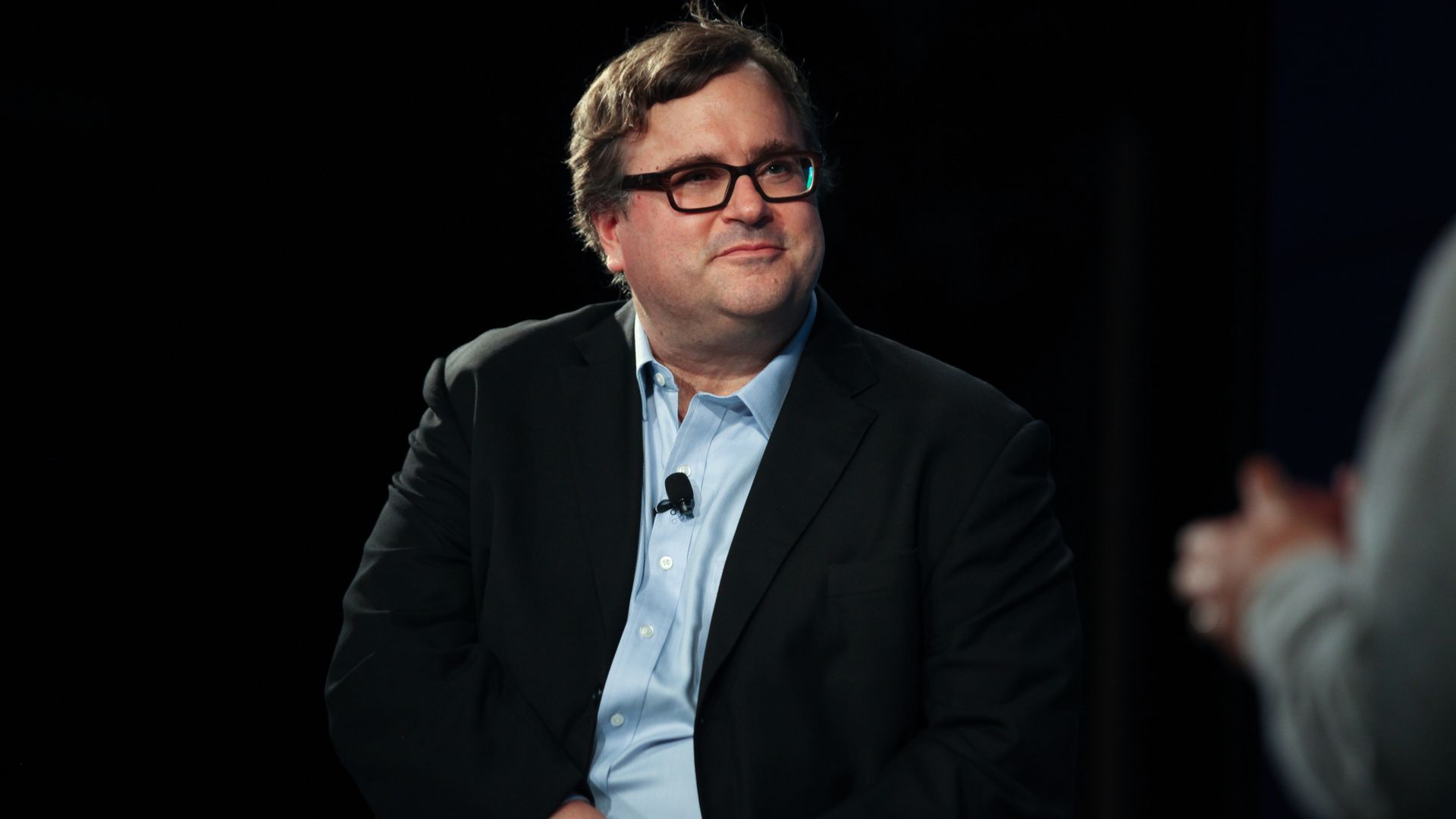
Billionaire venture capitalist and LinkedIn co-founder Reid Hoffman apologized on Wednesday for funding a group responsible for spreading disinformation during the Alabama Senate special election last year, according to the Washington Post.
Between the lines: This is the first time Hoffman has acknowledged that he invested $750,000 in American Engagement Technologies, a group that used misleading Facebook pages and other disinformation tactics to target Republican Roy Moore and boost support for Democrat Doug Jones, who ultimately won the close race. Hoffman said in a statement that he was not aware his money was being used for these purposes and that he supports a federal investigation into the matter.
Amazon announced this morning it had a record-breaking holiday season with the company adding "tens of millions" of Amazon Prime subscribers while also selling millions of Amazon devices worldwide.
Why it matters: Like any retailer, one of Amazon's goals is to sell customers their own products and devices. But larger than that, Amazon's bigger goal is to convince these shoppers to subscribe to their other services, such as Prime Video. Numbers show they accomplished that in a major way this holiday season.
Just over a year ago, the notion of passing a consumer privacy law was laughable. Now the tech giants that once said rules would break their business now want Congress to draft bills.
Driving the news: Google CEO Sundar Pichai told Congress at a recent hearing that the search giant supports legislation, the latest tech executive to agree that a national privacy policy is needed. And Democrats now in charge of the House are itching to make good on their promise to slap some rules on Big Tech after a year of scandals.