Monday's technology stories

Trump: why isn't "beleaguered" Sessions going after Hillary?
President Trump made an other shot at his attorney general Jeff Sessions on Twitter Monday morning, openly asking why he hasn't gone after Hillary Clinton yet.
Background: Trump told The New York Times last week that Sessions' decision to recuse himself from the Russia investigation was "very unfair to the president" and that if he'd known he was going to recuse himself he would have selected someone else as his AG.

Robots overhyped, overfeared
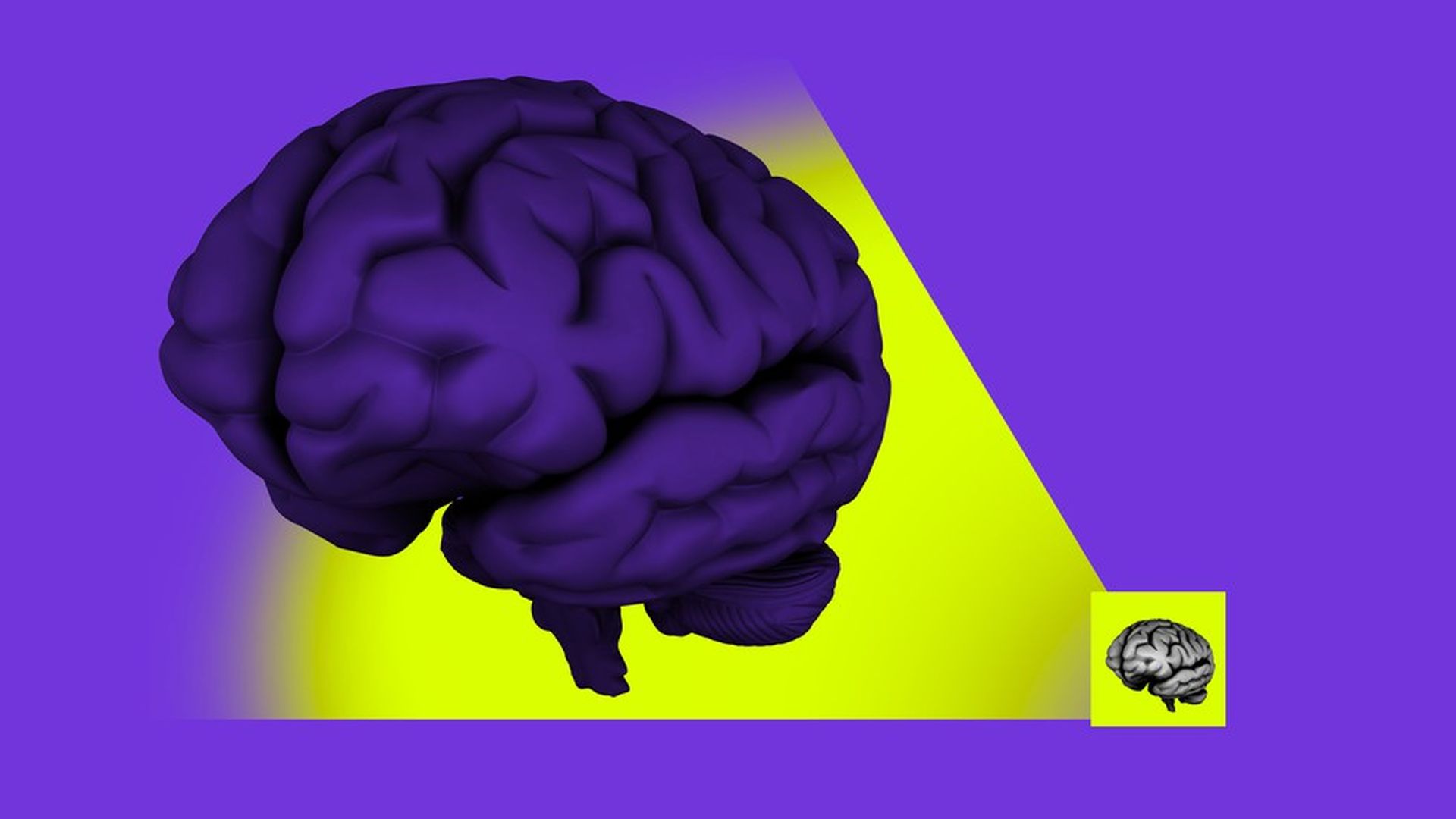
We are in a robot-and-artificial intelligence bubble, and experts are starting to push back. Among their gripes: over-the-top hype of AI's capabilities, and its near-term danger to society.
One of those grumbling is Rodney Brooks, a father of modern robotics. He tells Axios that we are not near an age of super-human machines — robots are here, but not about to take over. Neither are we on the verge of truly autonomous cars in which we never touch the wheel:
- "AI is not inherently powerful. In hundreds of years, it could be different. But we aren't on the cusp of this."
- Some companies are exaggerating their AI capability. "AI washing is very, very prevalent," Brooks says, forecasting "some disappointments ahead — a bubble that bursts."
- Self-driving cars will "operate [only] in certain lanes at certain times. In 20 to 30 years, there will still be human drivers."

Automakers may need more collaboration in self-driving race
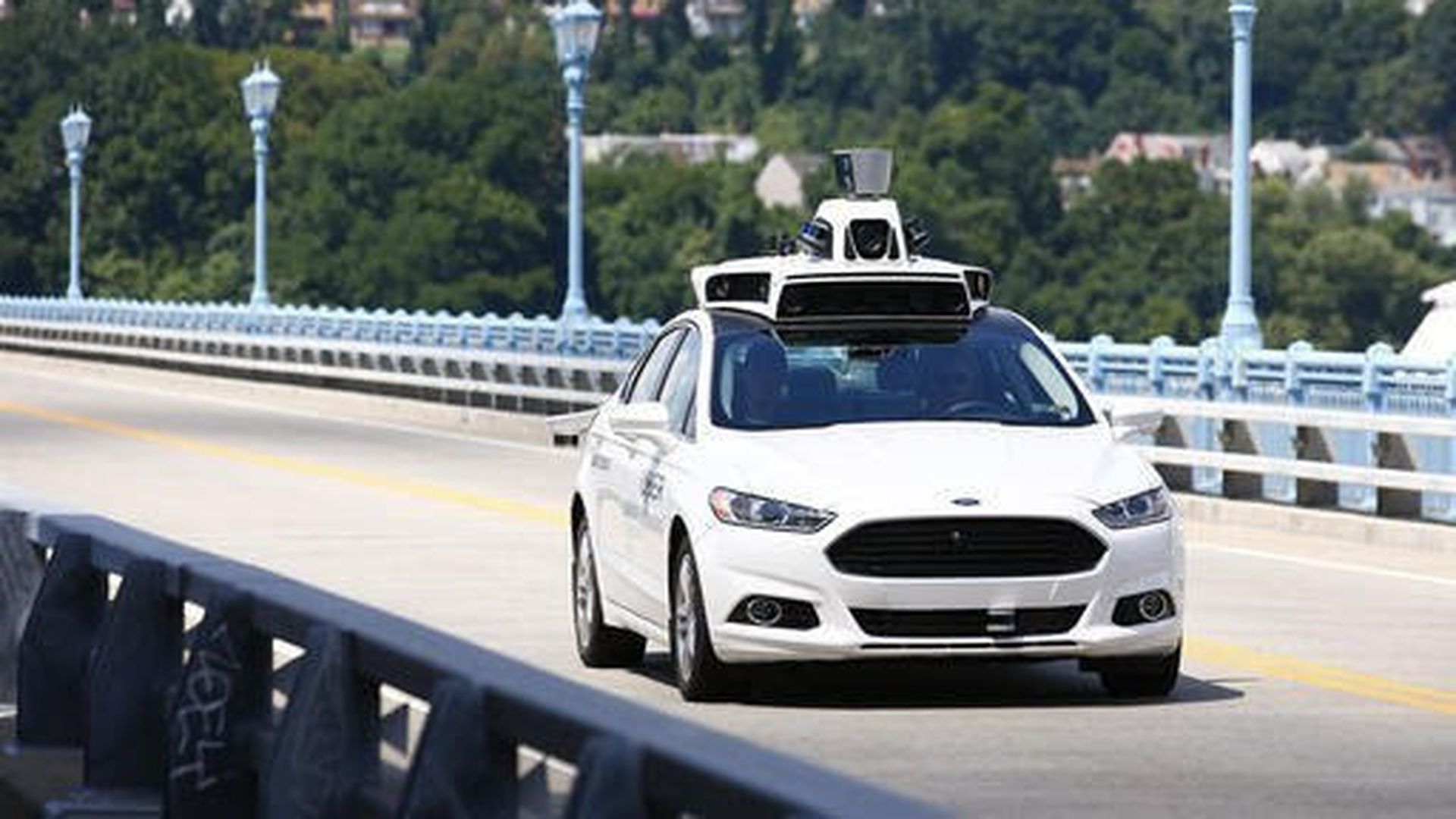
If carmakers want to beat out the software industry in the race to autonomous cars, they may need to start acting more like their Silicon Valley rivals. Alphabet's Waymo has been particularly aggressive in trying to find partners, while even Uber and Lyft have looked for ways to collaborate with self-driving partners.
- The carmakers have also been trying to find allies, but fear has slowed the pace of collaborative progress. Despite announcing a partnership to work on autonomous driving together last December, Honda and Waymo, Alphabet's self-driving car unit, haven't made much progress on that front, the companies told the Wall Street Journal.
- "Nothing concrete" has been planned yet by the two companies, Honda CEO Takahiro Hachigo told the Journal. "We are still at the study stage and haven't come up with specific research or businesses."
- Why it matters: Though Honda insists that it does collaborate well with other companies, the slow-moving partnership with Waymo highlights the divergence in approaches between the carmakers and Silicon Valley.
Attempting to build closed and proprietary autonomous driving technology could also leave automakers with the same fate as Nokia and Blackberry, which unfortunately lost the smartphone race to the platform-oriented Apple and Android, George Hotz, founder of self-driving car startup Comma.ai, recently told Axios.
Caveat: In contrast, Chrysler's partnership with Waymo has been going well, and the two were able to get sensor-equipped cars on the road within six months of striking a deal. Of course, it isn't always the carmakers that fail to partner. According to reports it was Google's parent company, not Ford, that backed out on a deal between those two companies.

AI is helping researchers understand mental illness
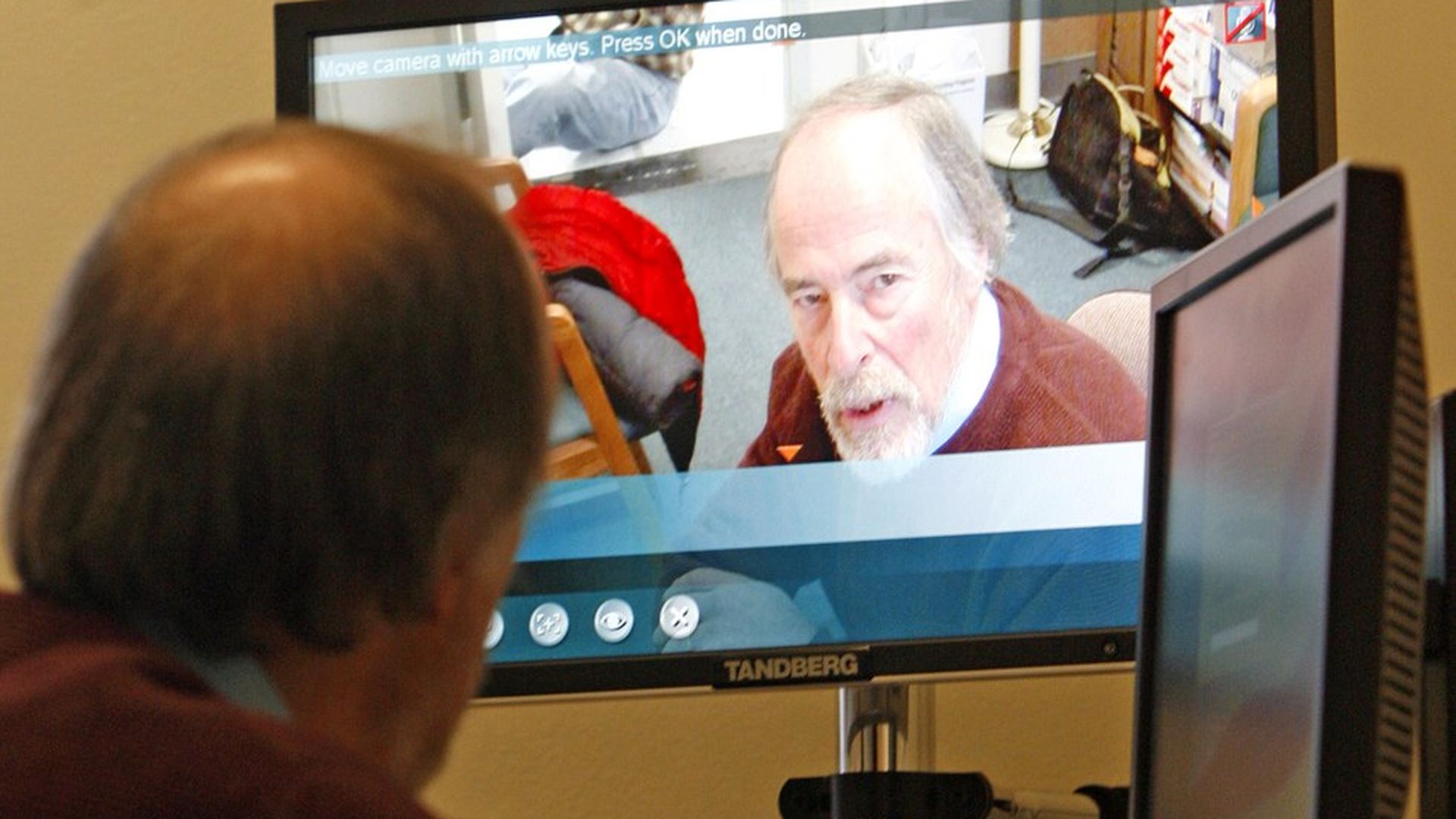
Machine learning, AI, computer games and virtual reality are helping researchers study and better understand psychiatric disorders, particularly borderline personality disorder (BPD), per MIT Tech Review. Sarah Fineberg and colleagues at Yale University are using a computer game to understand feelings of social rejection in people with BPD.
Past difficulties in studying psychiatry include a reliance on subjective observations, thus making it difficult to objectively understand the unique human behavior expressed by people with mental disorders. And the cause of BPD is still unknown — researchers understand that various social, genetic and environmental factors contribute to it, but pinning it down on a large scale hasn't been easy.
That's where machine learning and AI come in.
Uber rival raises $2 billion
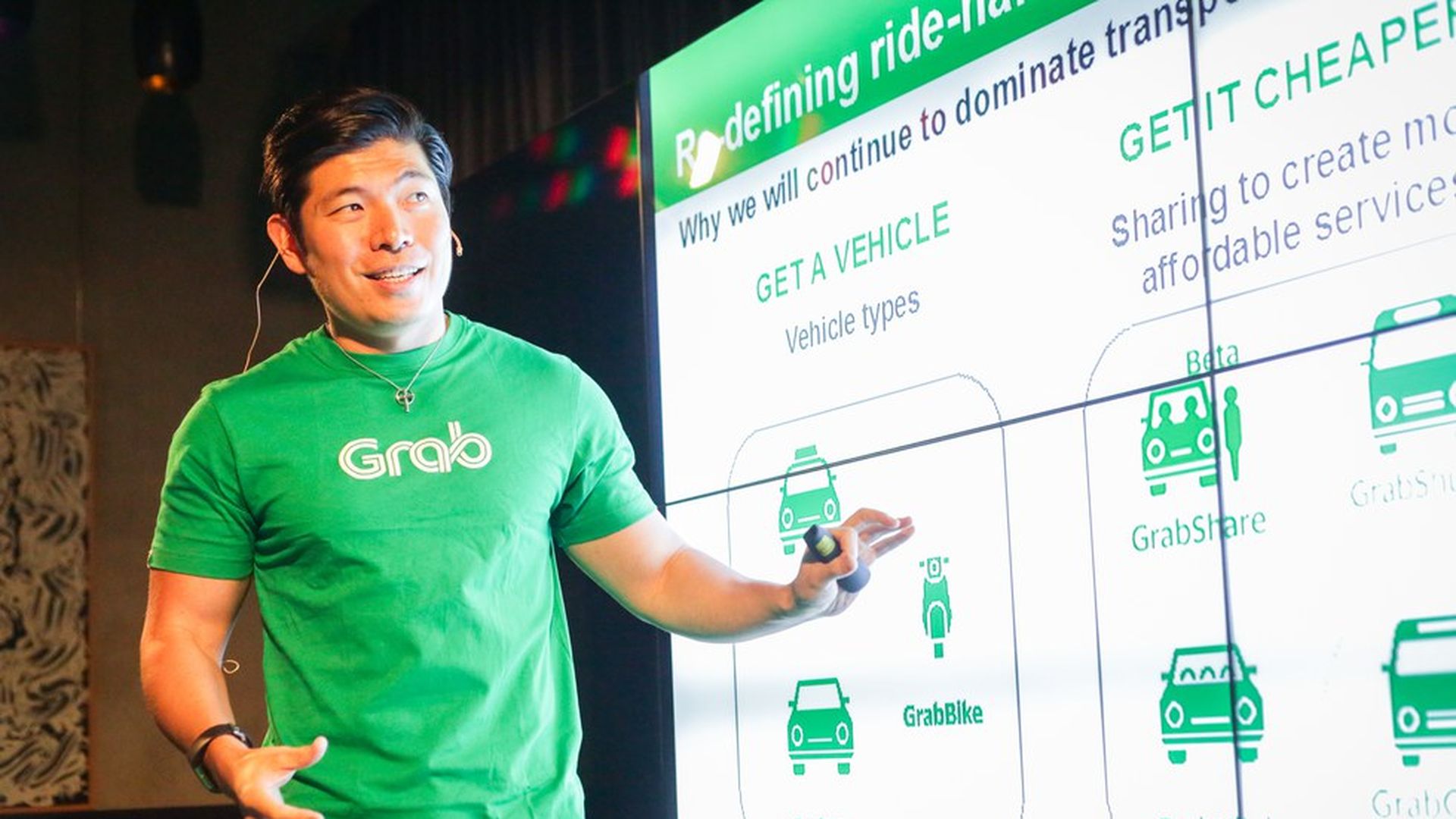
Grab, Uber's biggest rival in Southeast Asia, announced that it has raised $2 billion in new funding from existing investors SoftBank and Didi Chuxing, China's biggest ride-hailing company. The Singapore-based company adds that it could soon raise an additional $500 million from new and existing investors. At the close of the round, Grab's post-money valuation will be above $6 billion, a source tells Axios.
Ride-hailing web: A growing number of ride-hailing companies around the world are inking investor relationships. In addition to Grab, Didi Chuxing has invested in India's Ola, Latin America's 99, and Lyft in the U.S. It also has a stake in Uber thanks to its merger last year with the company's Chinese business.
Competition: Although Grab says it has 95% of the third-party taxi-hailing market in Southeast Asia and 71% of the market for private vehicle hailing, it nevertheless competes with Uber as well as Go Jek, a local ride-hailing company. Go Jek, which is backed by Lyft investor KKR, is rumored to be finalizing a $1 billion-plus round led by China's Tencent.
China declares AI war with U.S.
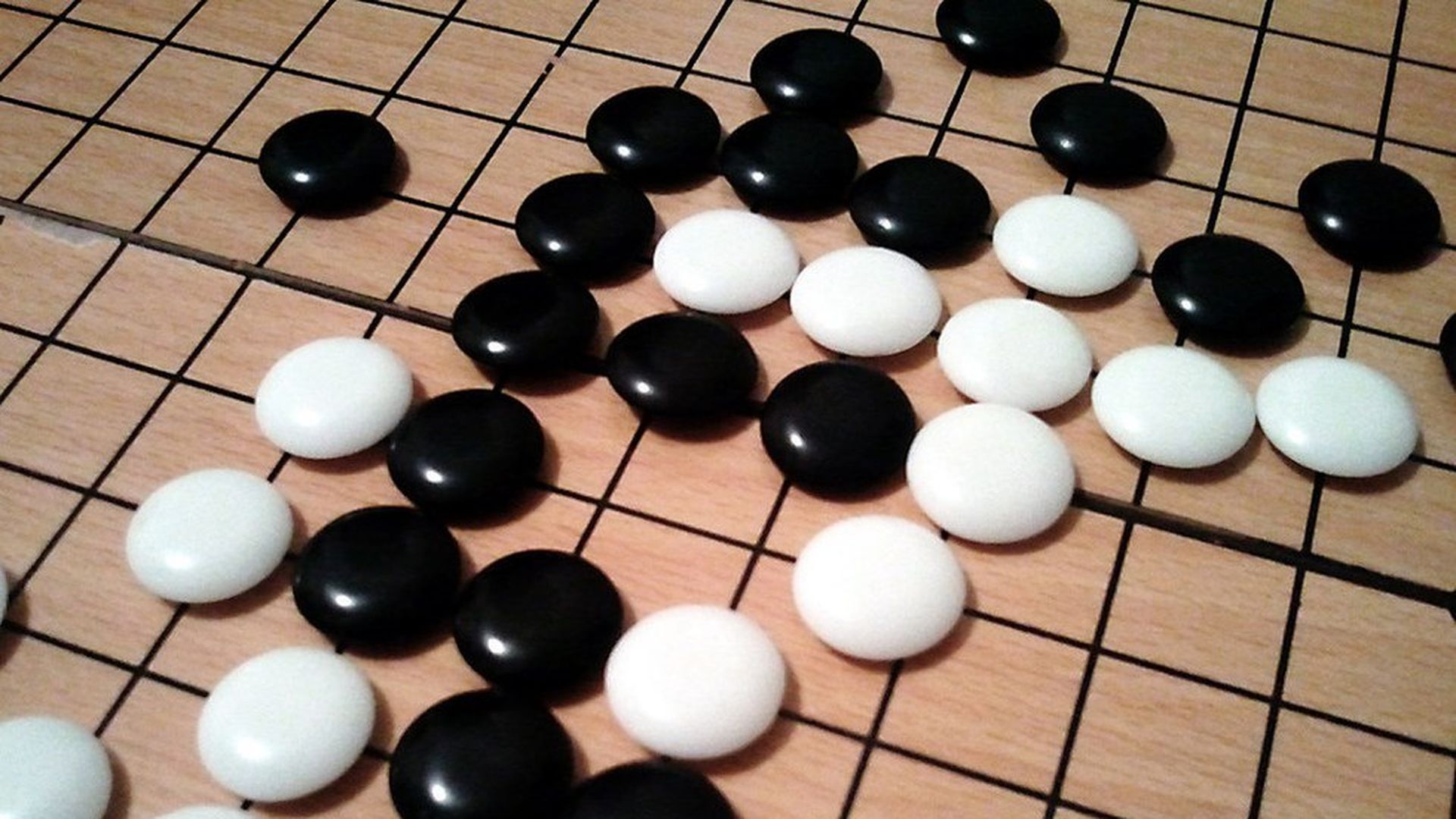
Beijing responded its usual way when, one after the other, Google's AlphaGo beat first a South Korean master of the board game Go, and then China's Ke Jie, the world's top player: It blocked live coverage of its champion's humiliation.
- But now that Go debacle has led China to a Sputnik moment, per the NYT.
- In a plan released Thursday, China declared that it will catch up to the U.S. in AI research by 2020, and a decade later, "become the world's premier artificial intelligence innovation center."
- Why it matters: For years, technologists and geo-strategists have called AI a turning point in tech, economics and society. Although comprehensive numbers aren't out there, the indication is that China intends to spend much, much more on AI research than the U.S. in coming years, in addition to the colossal foothold already grabbed by Chinese giants Baidu, Tencent and Alibaba.
A much-lambasted forecast proves out
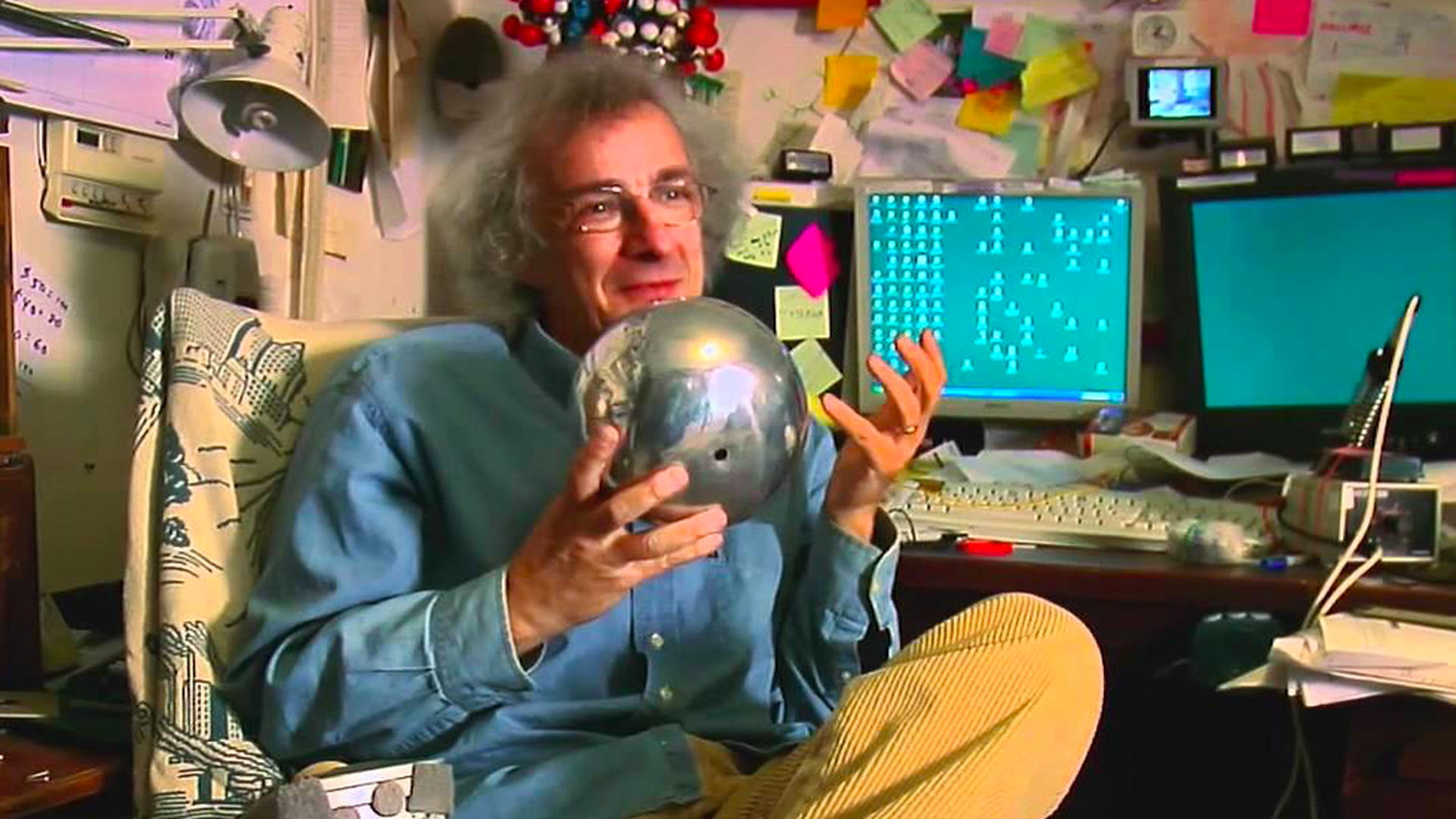
In 1995, Clifford Stoll, an infectiously enthusiastic astronomer who mildly resembles Emmet Brown, Marty McFly's wild-haired scientist friend in Back to the Future, forecast our Internet miasma, one not of carefree democracy but "handles, harassment, and anonymous threats." For that, he was sent into scientific purgatory, forever to be mocked and trolled. As we know now from fake news bots, the 2016 U.S. election, and the fully-blocked Chinese internet, Stole was right, per Rob Howard at Medium.
Not entirely right, mind you: Stoll, for instance, could not foresee the reasonably safe transfer of money through cyberspace, or the cratering of malls. But he was sufficiently accurate to deserve a massive apology from the scientific and tech community, including:
- "A network chat line is a limp substitute for meeting friends over coffee."
- "Who'd prefer cybersex to the real thing?"
- "What's missing from this electronic wonderland? Human contact."