Saturday's technology stories

Uber accused of stealing Waymo's self-driving car device
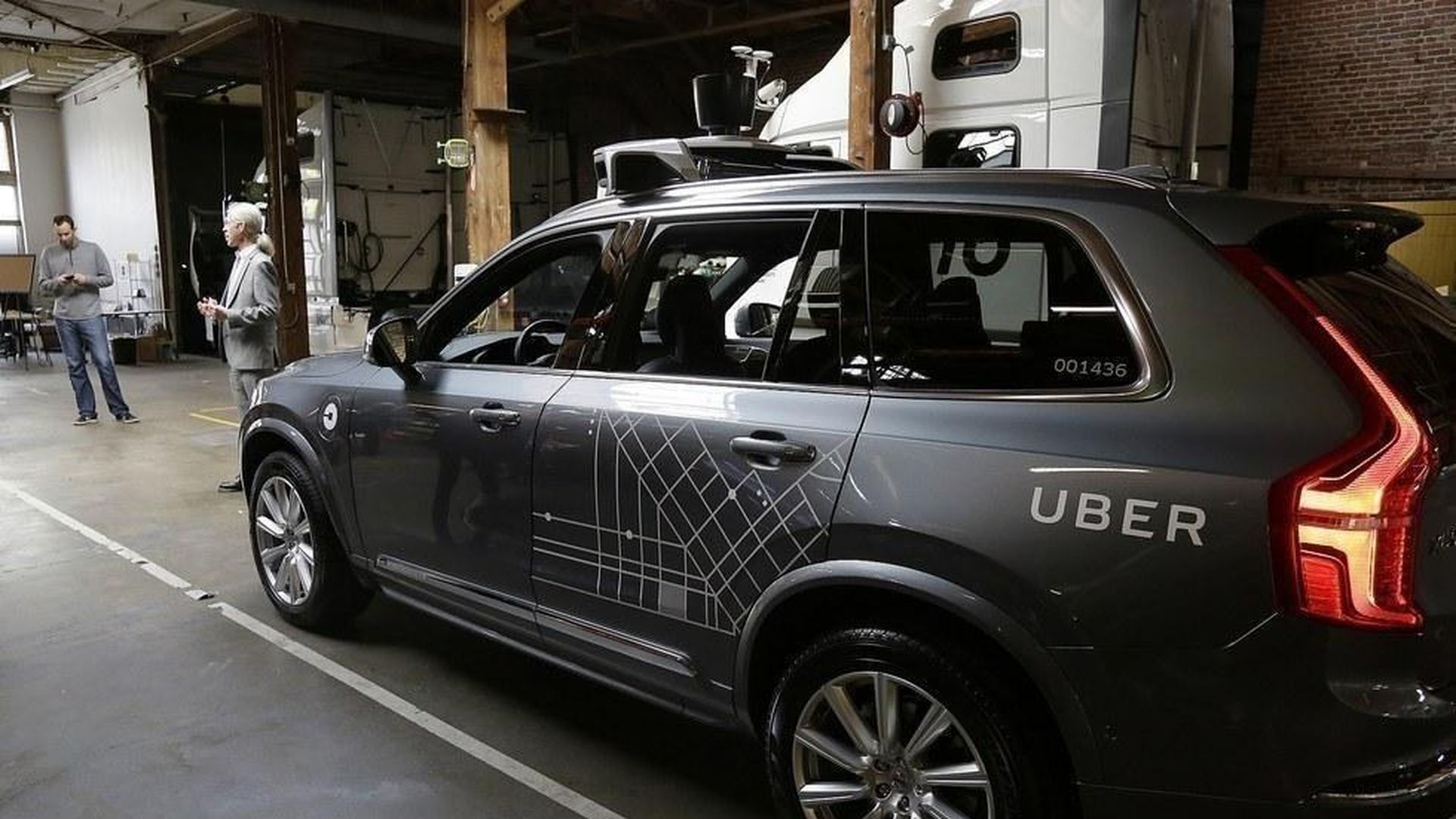
Waymo, Alphabet's self-driving car unit, says that Uber has been hiding a secret device designed using stolen trade secrets by a former Waymo employee, according to new court documents. And for that reason, it's asking the court to bar the former employee, Anthony Levandowski, from working on Uber's self-driving car technology.
Why it matters: Uber's defense in the case has hinged on claims that it only has two self-driving car device designs and neither resemble Waymo's tech. However, Waymo's latest claims could mean Uber has been lying all along.
What's next: A hearing is scheduled for May 3 in regards to Waymo's request for a preliminary injunction to halt Uber's self-driving car efforts.

This week in Trumpland: the calm before the shutdown
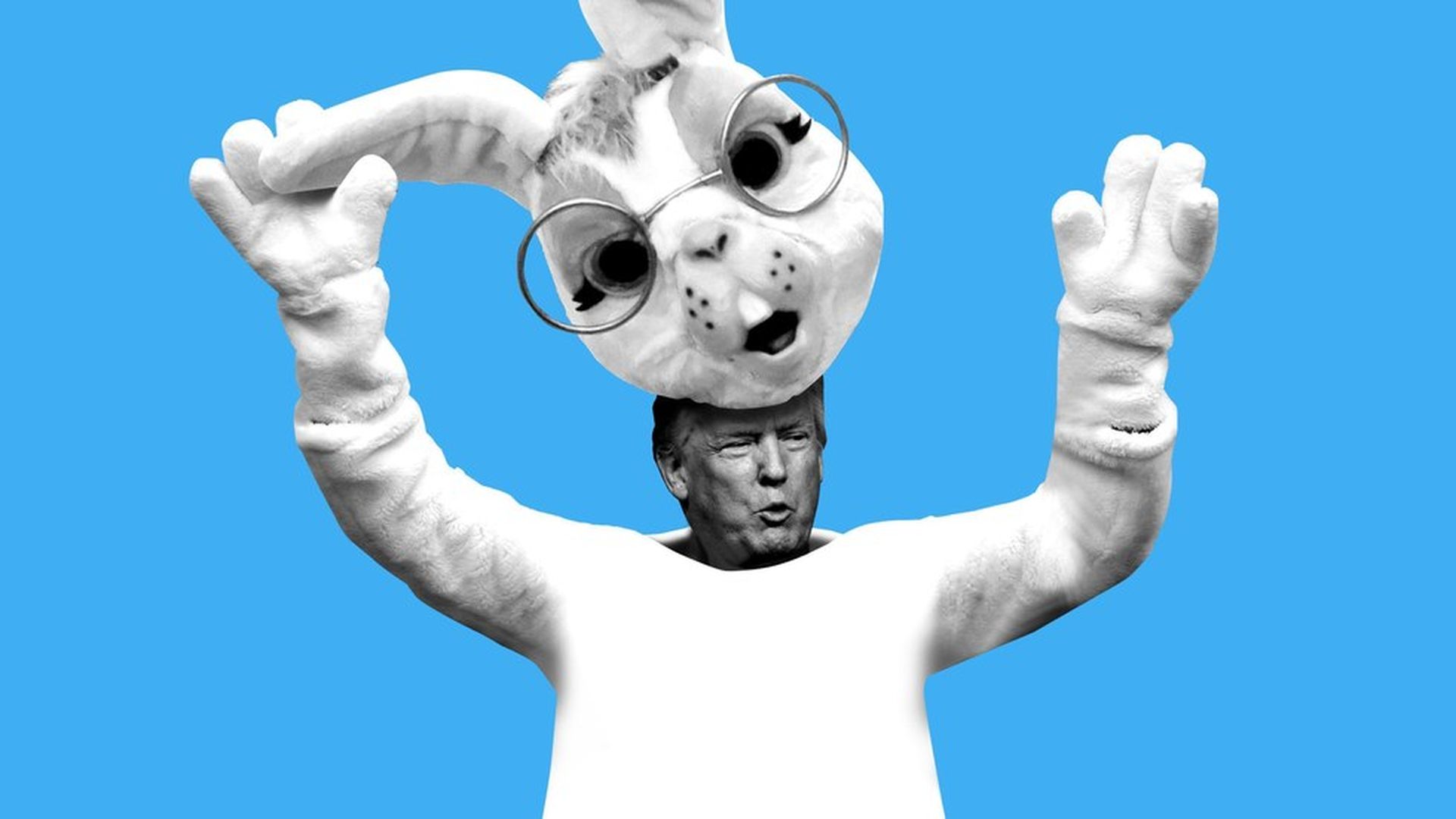
What some believed impossible has come to pass: a quiet week in Trumpland! When the biggest visitors to DC over the past 7 days are the Italian prime minister and the Easter Bunny, things are definitely pretty chill. But "chill" doesn't necessarily mean "boring." After all, this is Trumpland — not some island in the Pacific.

Apple has recruited two top Google satellite execs
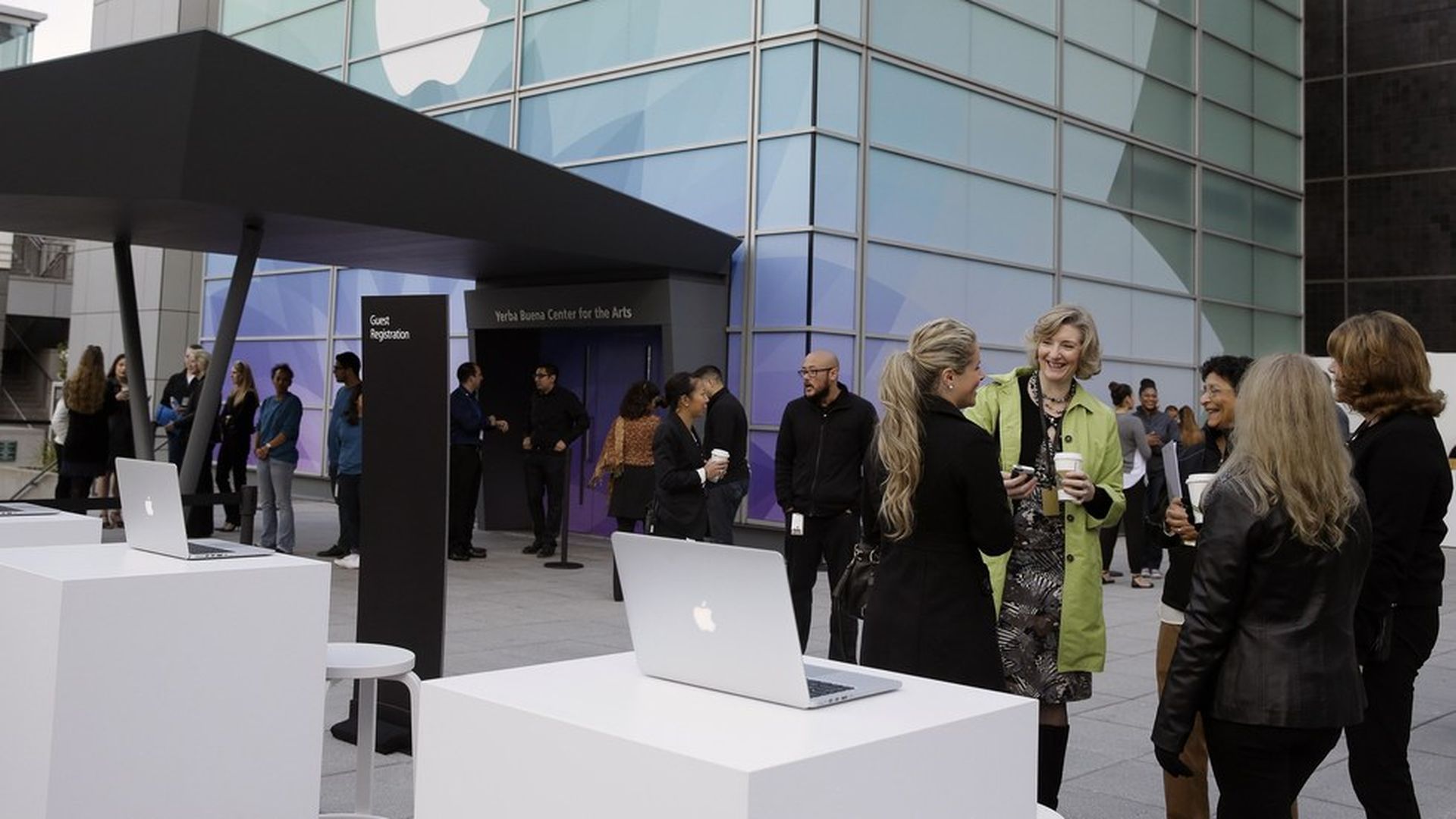
Apple has hired a pair of top Google satellites execs for a new hardware team, reports Bloomberg. John Fenwick, who led Google's spacecraft operations, and Michael Trela, head of satellite engineering, will report to Greg Duffy, co-founder of camera maker Dropcam, who joined Apple earlier this year.
What they're saying: The recruits are experts in the field of satellite design and operation, and could be part of a new plan to use satellites for collecting images and communications. Bloomberg also reported that Boeing has been in talks with Apple about being an investor-partner in the aerospace company's plan to use satellites to provide increased broadband access, but its unclear if a deal will be reached.

Ex-Googlers join startup to build machine-learning chip
Former engineers from Google's secretive, next-generation chip project — also known as the Tensor Processing Unit — have left to join a startup also focused on new silicon chips to power machine learning and artificial intelligence technologies, CNBC reports. The startup, called "Groq," was founded by Chamath Palihapitiya, a well-known Silicon Valley venture capital investor.
Why it matters: Today's chips aren't efficient or powerful enough to handle the increasing data-processing demands of advanced computing. Intel, Qualcomm and Nvidia are already creating their own chips that can process data more efficiently, and Google said this month that AI applications running on its TPUs run 15-30 times faster than contemporary processors.
Uphill battle: Creating a new breed of silicon chip is extremely capital intensive with research-and-development costs alone. And finding manufacturing partners to use untested chips over those made by established brands is a daunting task.

How Amazon will become the first $1 trillion stock
The case for "AMZN $1T" by Scott Galloway, founder of marketing company L2 and an NYU professor, is spelled out in a MarketWatch post:
The strategy: "I think Amazon is going to say to a series of households, 'Tell you what: You don't need any other retailer.'"
The long game: "Jeff Bezos & Co. have declared war on conventional brands, changed the relationship between a company and its shareholders, and deployed Alexa ... in clever ways. ... Amazon is giving people a discount on laundry detergent and other products when they order through Alexa."
Why it matters: "[T]he stock's going to become the first $1 trillion market cap company in the history of business."

Facebook's record lobbying quarter to start 2017

Facebook spent more on lobbying in the first three months of 2017 than it has in any previous quarter since registering in 2009. The company spent $3.21 million on federal lobbying in the first quarter of the year, up from $2.78 million in the same period a year before. It's the first time the company spent more than $3 million on lobbying in a quarter, according to disclosure records.
What it lobbied on: Immigration, surveillance and connectivity, among many other issues. Read the full filing here.
Why it matters: A new occupant in the White House often brings the hope of major policy changes and the lobbying dollars to match. But it's a time when Facebook also increasingly finds itself under fire over fake news and its role in the political process.