Sunday's technology stories

Inside the Snap anomaly
Snap's IPO prompts the L.A. Times' Nina Agrawal to dive deep on an anomaly about the company: It has no headquarters building or campus, but instead sprawls among bungalows on or near Venice Beach, just north of LAX.
- From Snap's filing: "This diffuse structure may prevent us from fostering positive employee morale and encouraging social interaction among our employees and different business units. ...[W]e may be unable to adequately oversee employees and business functions.'"
- "In an era when companies such as Google, Facebook and Apple have created an expectation that tech firms will offer sprawling corporate campuses with gyms, chefs preparing organic food and massage services on site, Snap's scattered layout could strengthen its brand as an outsider. ... Snap has ... 2,000 employees; Google has some 60,000."
- Snap culture: "Workers take shuttles or walk between offices, which some say has deepened their desire to volunteer locally. They can eat at beachside cafes and support local businesses, thanks to Snap vouchers. And then there's the aura. 'Venice is younger and grittier.'"

The new Hollywood battle: studios v streamers
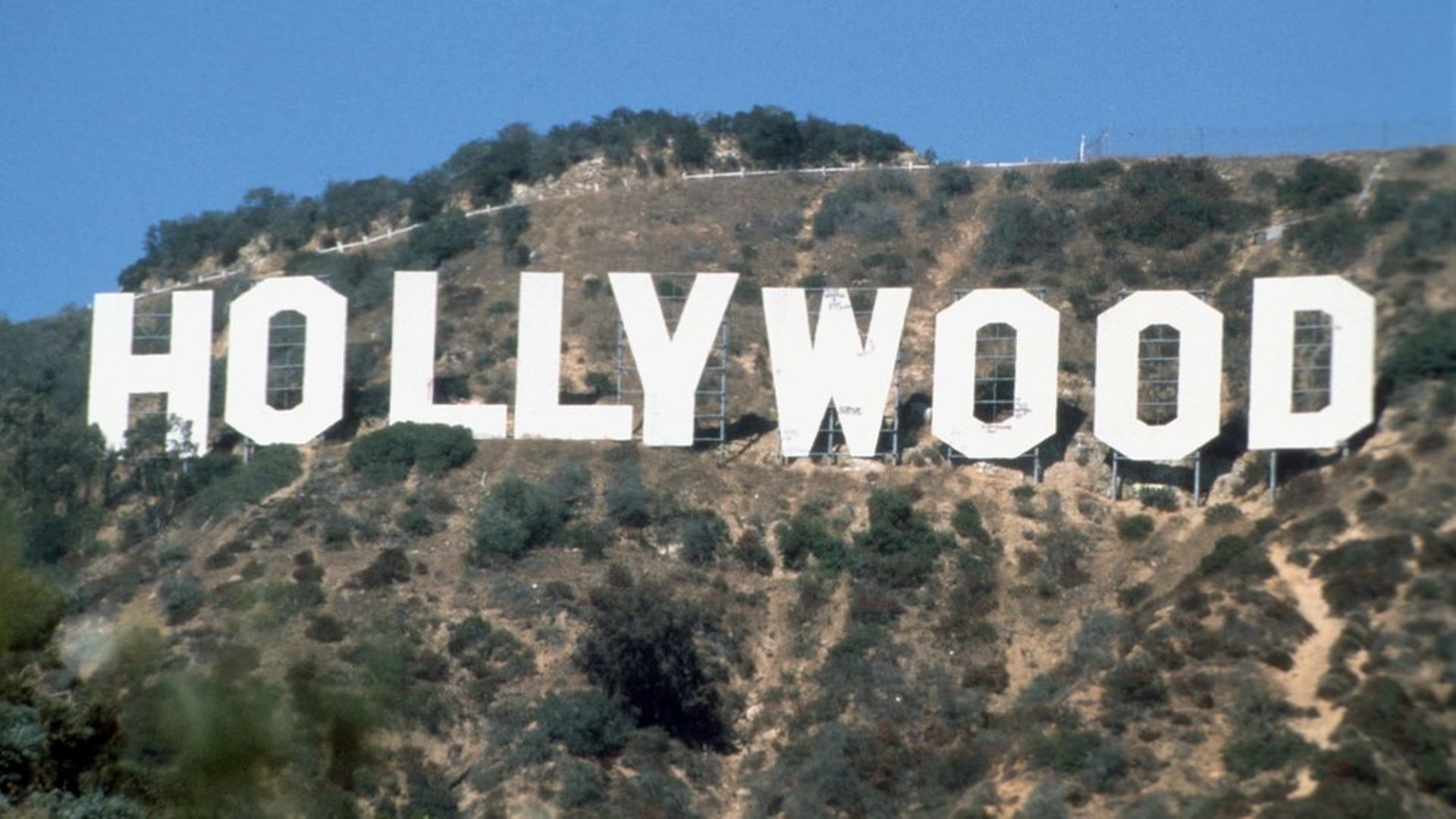
Studios today account for less than 10% of their parent companies' profits, per Vanity Fair, and that number is expected to drop to around 5% by 2020. According to Variety, moviegoing audience was at its lowest levels in nearly a century last summer, with significant drop-off in millennial viewership.
Why it matters: In an increasingly saturated movie marketplace, studios have become incentivized to make sequels and build on pre-existing franchises, leaving streaming companies—- like Amazon and Netflix — to make investments on boutique, and often ground-breaking films. Earlier this year, Amazon became the first streaming company to own a film nominated for an Oscar best picture with Manchester by The Sea.
Winners: Amazon only launched their movies business a year ago, and this year they outbid the likes of Fox Searchlight and Universal at Sundance. In a major twist, Martin Scorsese's next big film, The Irishman, will be backed by Netflix, instead of a major studio.
Losers
:
Earlier this year, Sony
announced
a $1 billion write-down on its movie business, just weeks after Sony entertainment president Michael Lynton announced he was stepping down after a 13-year run. Last week, Paramount Pictures Chairman Brad Grey left Viacom after 12 years, after the studio
lost $445 million
in FY 2016 due to box-office flops.

Uber says self-driving car software missed a red light
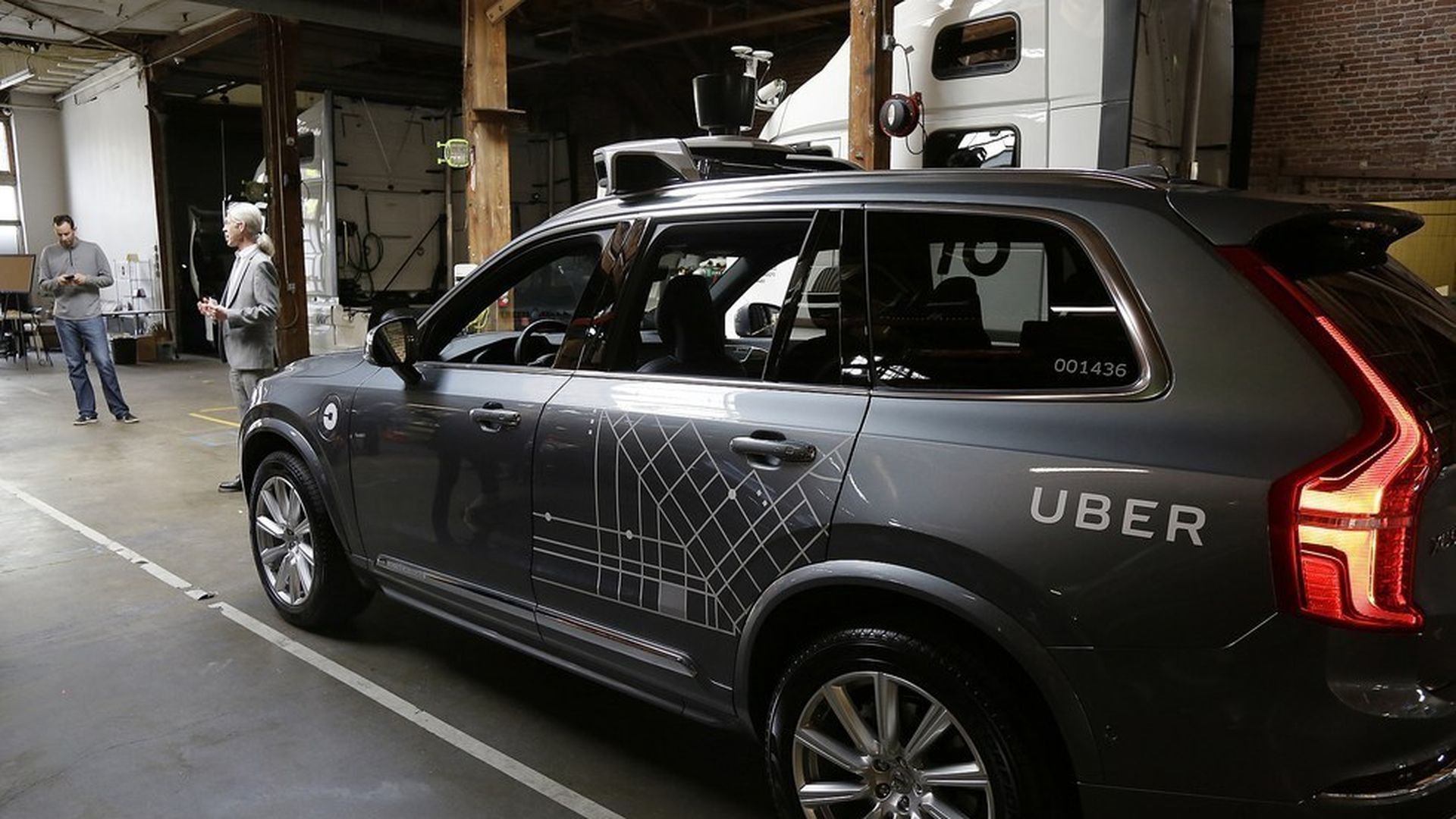
Last year, a self-driving Uber car sped through a red light in San Francisco, an error the company attributed to the safety driver in the car—but that's not so, according to a report from the New York Times.
At the time of the incident, the self-driving Volvo car was driving itself and failed to recognize the red light, according to a document obtained by the Times.
What happened: Uber said that it was "due to human error," which many took to mean that a safety driver was in control of the car. Now, it appears that the driver's mistake was in not taking control over the car in time to stop at the red light. Uber's statement:
"Our self-driving technology required human intervention. The vehicle operator had time to intervene, but failed to take over before crossing the stop line and manually proceeded through the protected crosswalk."
Al Gore sells Apple stock
Al Gore, who sits on Apple's board of directors, has sold a total of $37.5 million in stock this month, according to an SEC filing.
On Wednesday, Gore sold 215,437 shares, worth about $29 million. Earlier this month, he exercised his right to buy 70,000 shares at about $13 per share, then sold them at market prices for a gain of $8 million.
Gore joined Apple's board in 2003 and is running for re-election next Tuesday during the company's shareholder meeting, according to Apple's 2017 proxy statement.