Wednesday's science stories

Axios Live: Autonomous vehicles need federal rules to grow, Rep. Houchin says
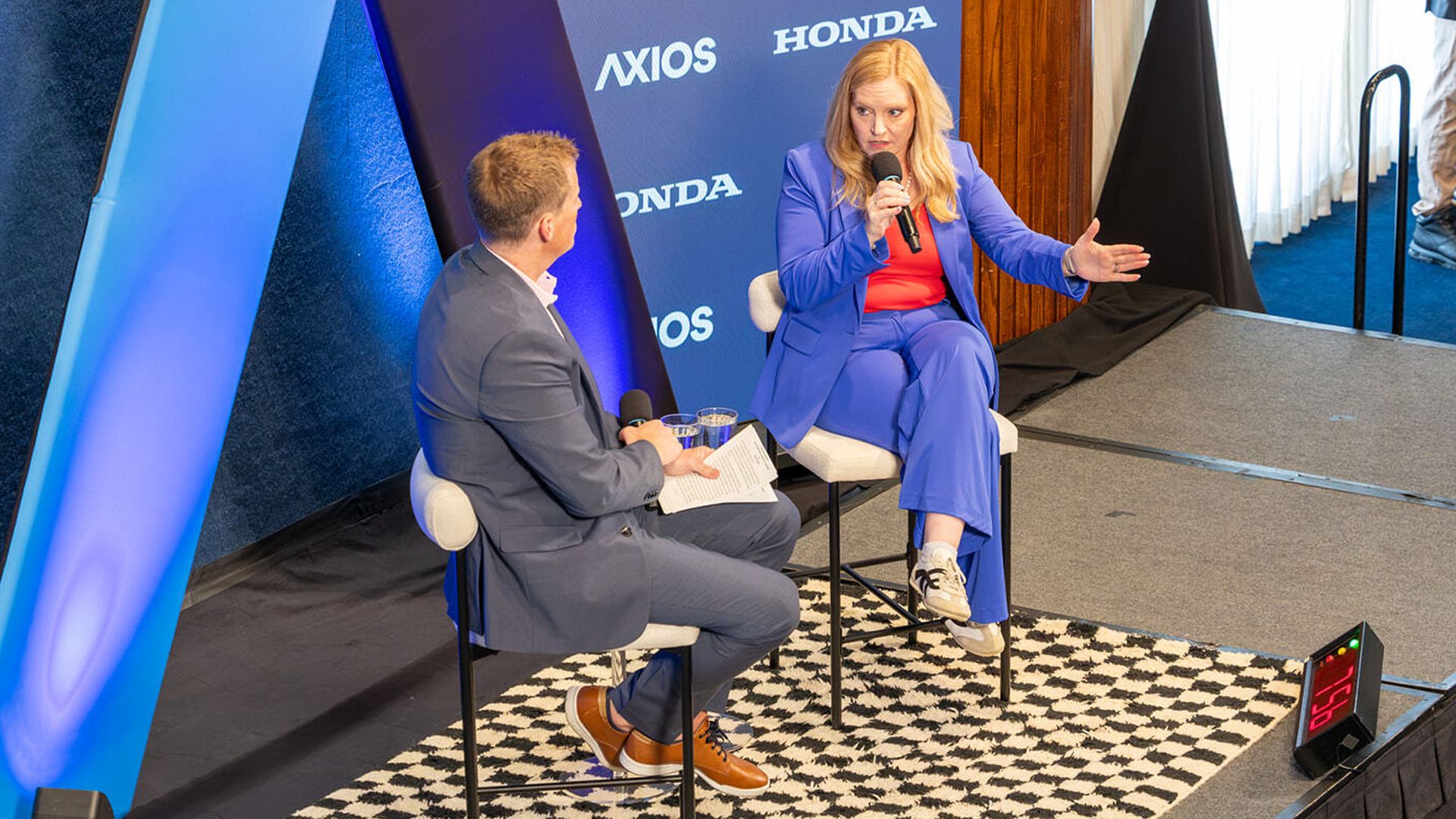
WASHINGTON — The SELF DRIVE Act could accelerate the expansion of driverless cars by providing a needed national regulatory framework, Rep. Erin Houchin (R-Ind.) said at an Axios Live event.
Why it matters: Autonomous vehicles could be a key part of the future of transportation, but the U.S. can't fully realize their potential — or compete globally — without consistent safety and design standards across state lines.
Axios' Nathan Bomey spoke with Houchin, Indianapolis Motor Speedway and IndyCar president Doug Boles, and Consumer Technology Association president and CEO Kinsey Fabrizio. The Aug. 22 event was sponsored by Honda.
State of play: U.S. Transportation Secretary Scott Duffy said earlier this year that crafting an autonomous vehicle policy is a national security, economic and safety issue.
What they're saying: "The roadway doesn't stop at the state line," said Houchin, who co-sponsored the bill.
- This "requires a federal framework because of interstate commerce issues," she added.
- The patchwork of state policies is "challenging. It's costly. It's confusing," Fabrizio said.
- "Companies need to know what [the rules] are, so that they can develop their products and their services around them," Fabrizio added.
Zoom in: The SELF DRIVE Act prioritizes safety standards, sets national thresholds for testing and deploying autonomous vehicles and addresses cybersecurity concerns. However, it leaves licensing and registration to the states.
- If the bill doesn't pass by December, "we're going to bring it right back up again in the 120th Congress," Houchin said.
Meanwhile, Boles sees great potential for emerging technologies in car racing.
- "I see those becoming tools that help inform drivers of what's going on, help them make smarter decisions," he said.
Content from the sponsor's segment:
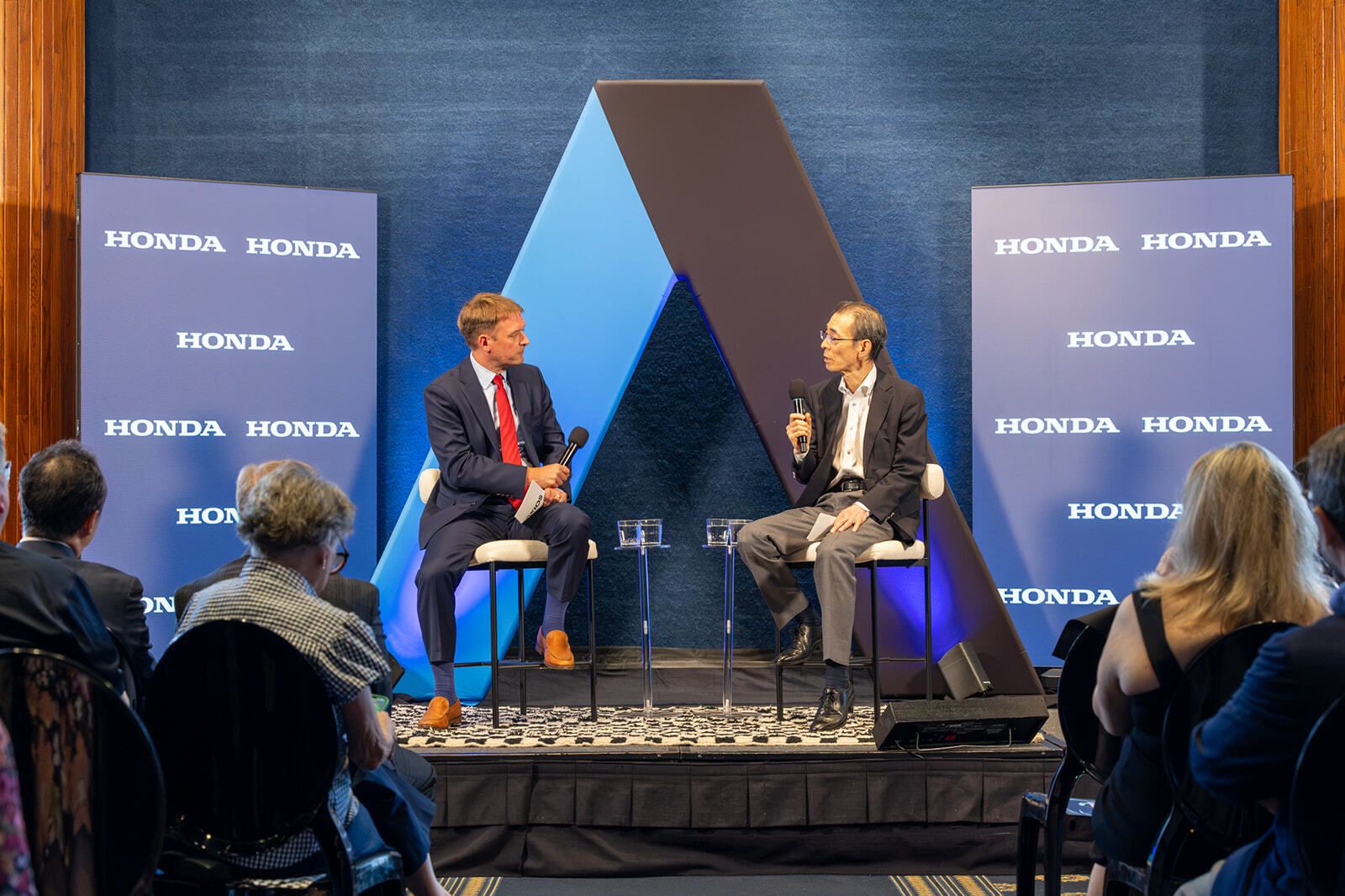
In a View From the Top conversation, Honda executive vice president Noriya Kaihara highlighted the company's decades of investment in the U.S.
- "We build the product here in America because our policy is that [we] manufacture where there is the demand. So that means: build the products where the customers are … and now we have 12 plants in America."
Go deeper: Watch the full conversations.
When to seed your lawn as fall nears