Software stocks are getting dumped as investors price in a world where AI could replace software services.
Why it matters: The software selloff dragged down the entire market on Tuesday—it's the first example of how the market will respond when presented with evidence that AI could disrupt or even replace an entire industry.
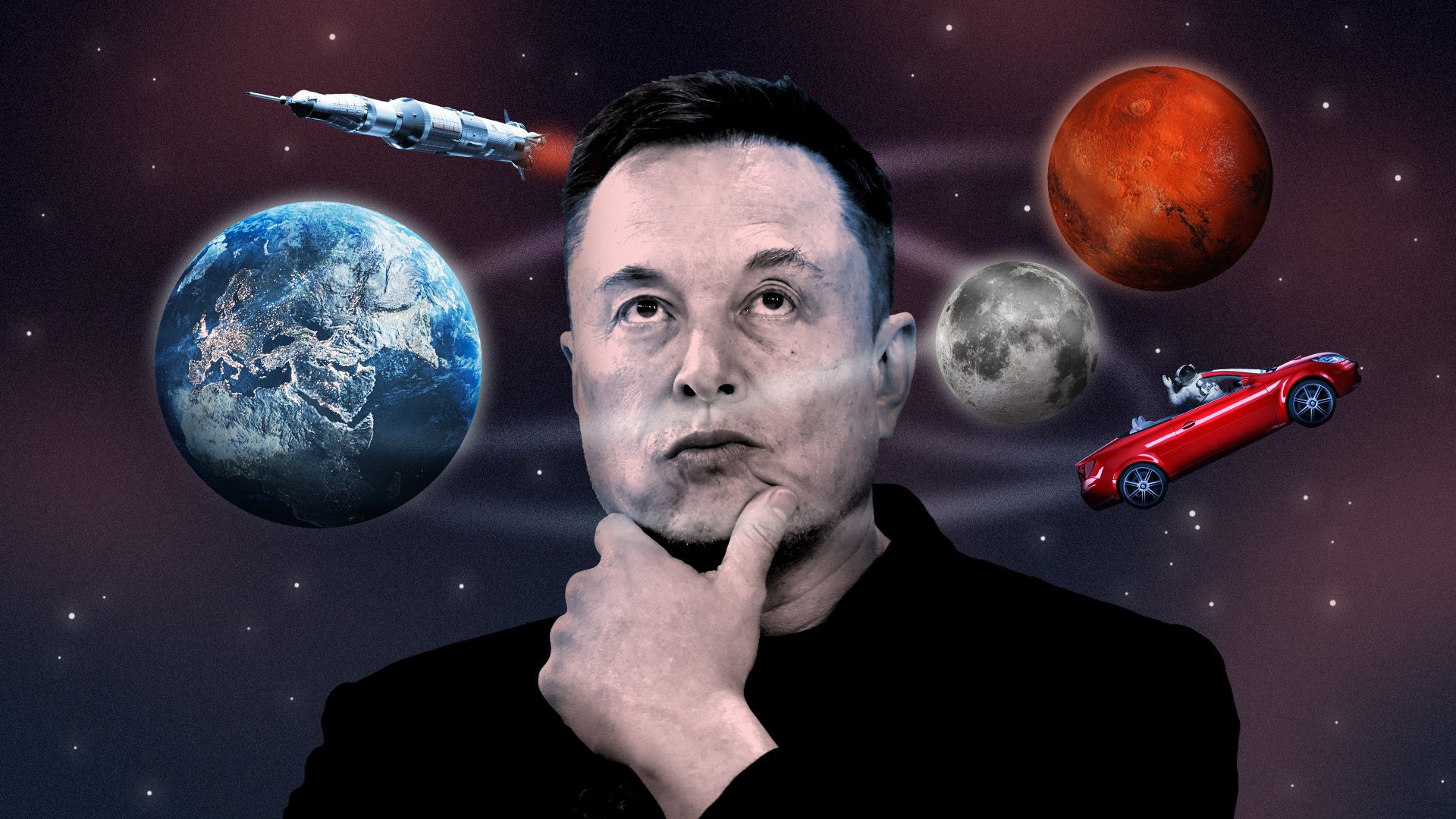
SpaceX's acquisition of xAI — likely to be followed by an IPO and possibly even a megamerger with Tesla — will serve as the ultimate test of Elon Musk's seemingly mystical ability to captivate investors based on far-out promises.
Why it matters: The mashup reflects the interlocking nature of Musk's empire — a sprawling mix of companies that have long competed for his attention and now look increasingly like a single enterprise.
UCLA researchers say they've found a way to reduce mineral sunscreen's biggest drawback: the white cast.
Why it matters: The chalky residue — especially on darker skin tones — keeps many people from wearing mineral sunscreen, despite its role in preventing skin cancer.
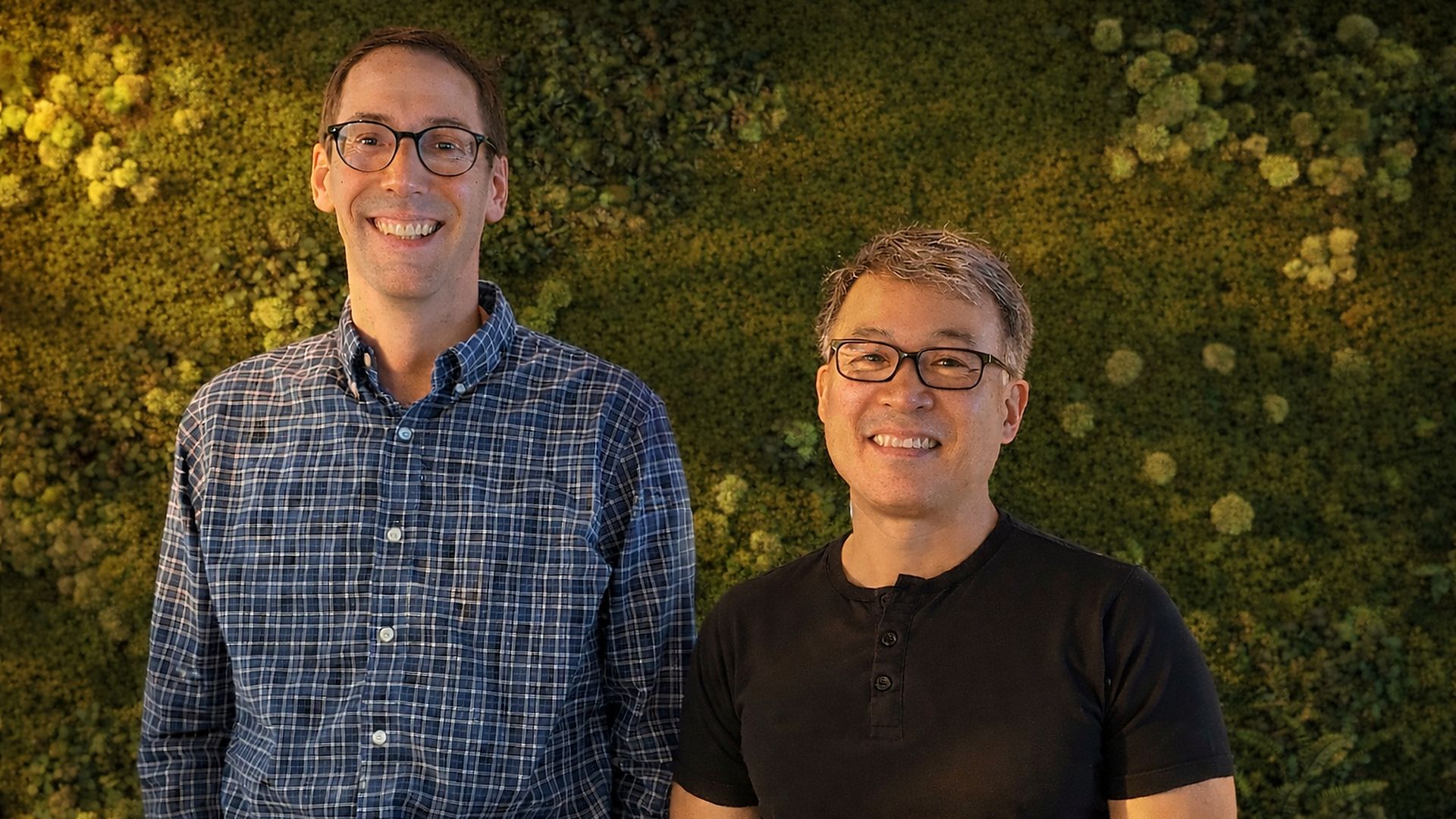
Two years after exiting Google, the co-founders of Fitbit are launching their next act: an AI-powered service for monitoring the health of one's entire family.
Why it matters: After helping turn personal health tracking into a mass habit at Fitbit, James Park and Eric Friedman are betting the next big shift is shared health, tapping AI to help ease the heavy mental load of caregiving.
SpaceX made it official on Monday, acquiring xAI ahead of the decade's most hotly anticipated IPO.
Why it matters: Elon Musk is making one of the most audacious moves in the history of business and tech, arguably betting his empire on the idea of orbital data centers that are powered by the sun.
As the world steamrolls toward more nuclear power, countries looking to cut costs must do a better job of planning — in part by building reactors in factories instead of on site, a new study says.
Why it matters: The Nuclear Innovation Alliance study says a successful nuclear build-out could slash costs similar to the way the aerospace industry did decades ago while "unlocking the scale of low-carbon power needed for global decarbonization."
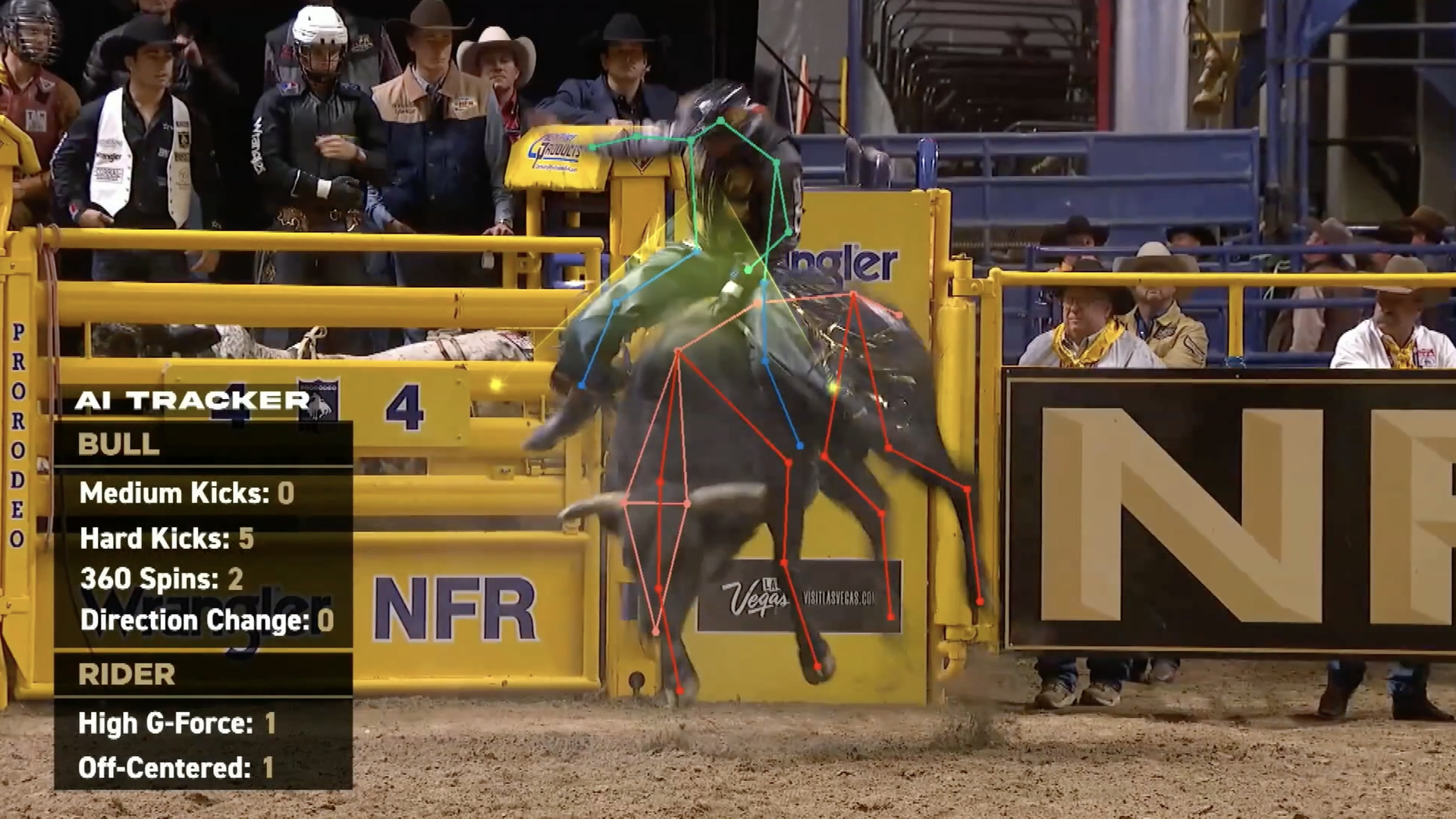
Eight seconds on a bull has always been about instinct, not data. That's starting to change, as artificial intelligence moves into rodeo arenas and brings analytics to one of America's most tradition-bound sports.
Why it matters:Rodeo has long defined itself as the last major American sport untouched by analytics. If AI takes hold in training and broadcasts, it won't just change how riders compete but redefine the cowboy's identity.