Elon Musk's grand vision comes into focus with SpaceX-xAI deal

Add Axios as your preferred source to
see more of our stories on Google.
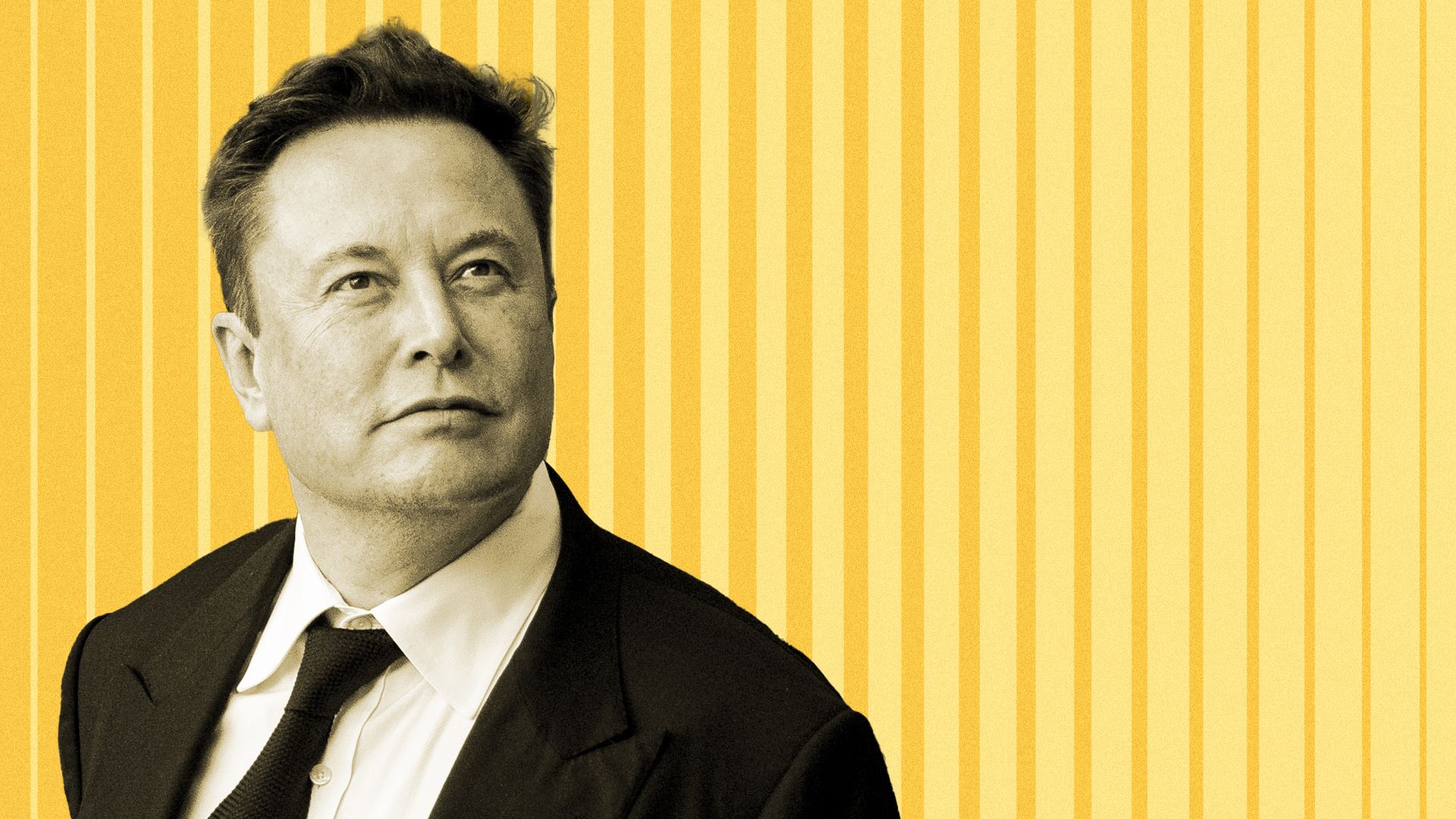
Photo illustration: Shoshana Gordon/Axios. Photo: Al Drago/Bloomberg via Getty Images
SpaceX made it official on Monday, acquiring xAI ahead of the decade's most hotly anticipated IPO.
Why it matters: Elon Musk is making one of the most audacious moves in the history of business and tech, arguably betting his empire on the idea of orbital data centers that are powered by the sun.
- Don't be surprised if this is a prelude to a future merger with Tesla, which recently invested $2 billion into xAI.
- Tesla would make the chips, SpaceX would be responsible for launch and satellites, and xAI would build the models and agentic networks.
The big picture: If this works, it could pose a major threat to OpenAI — the only AI giant it's impossible to see Musk partnering with or selling services to.
By the numbers: The combined company is being valued at around $1.2 trillion.
- This includes a 25% valuation step-up for SpaceX, to $1 trillion from a recent $800 billion mark via a secondary offering.
- xAI would be valued at around $250 billion, also a valuation increase but not as much on a percentage basis.
Zoom in: SpaceX investors need to buy into Musk's big vision to make this work.
- They're adding what one investor in both companies called "a money-burning laggard," which will make SpaceX's balance sheet much more complicated.
Behind the scenes: A lot of big unicorn companies have stayed private longer because they don't really need cash or shareholder liquidity, thanks to a vibrant venture market that's become amenable to tenders and other secondary offerings.
- SpaceX, however, does need the money for its massive construction projects — more than remains easily available in the private markets.
- It's going public out of capital necessity, not choice.
Last laugh: For xAI investors, this is something of a lucrative bailout, similar to what the xAI-X merger was for those who helped take Twitter private.
- In short, those who bet on Musk without asking too many questions (e.g., Marc Andreessen) are being rewarded for their unwavering faith.
- And Musk is making good on what he told Axios in late 2023: "I have never lost money for those who invest in me and I am not starting now."
The bottom line: Musk joined Tesla because he wanted to make enough money to get to Mars. That's still the ultimate goal.
- But he needs a bigger revenue stream — well beyond his earthbound electric vehicles.
- So that's what he's trying to build.
