Scientists have found the closest black hole to Earth yet.
Why it matters: The black hole is located about 1,600 light-years away, and it could help scientists learn more about the formation and evolution of these extreme objects.
Scientists detected some of the tiniest particles in the universe and tracked them back to a supermassive black hole hidden out of Earth's view.
Why it matters: Tiny neutrinos carry clues about some of the most energetic events in the universe — and are key to understanding the fundamental forces that govern it.
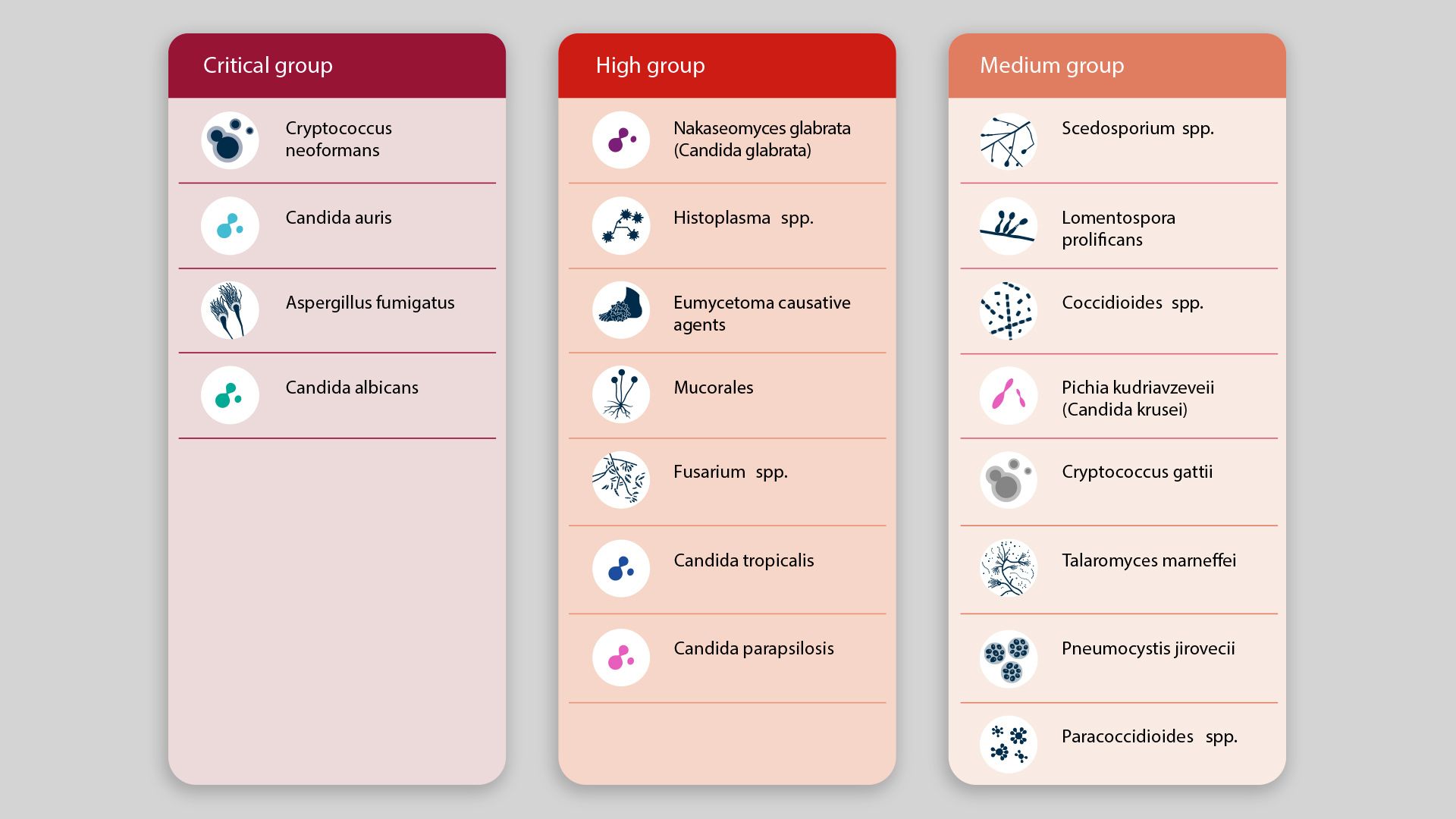
The dangers posed by growing outbreaks of opportunistic fungi that kill 1.6 million people globally every year require new drugs, diagnostics and surveillance programs, a CDC scientist tells Axios.
Driving the news: The pandemic accelerated the rise of drug-resistant fungi in health care settings, and global warming has expanded the range of fungi growth in certain areas — problems flagged by the WHO, which released its first-ever list of dangerous fungi last week.
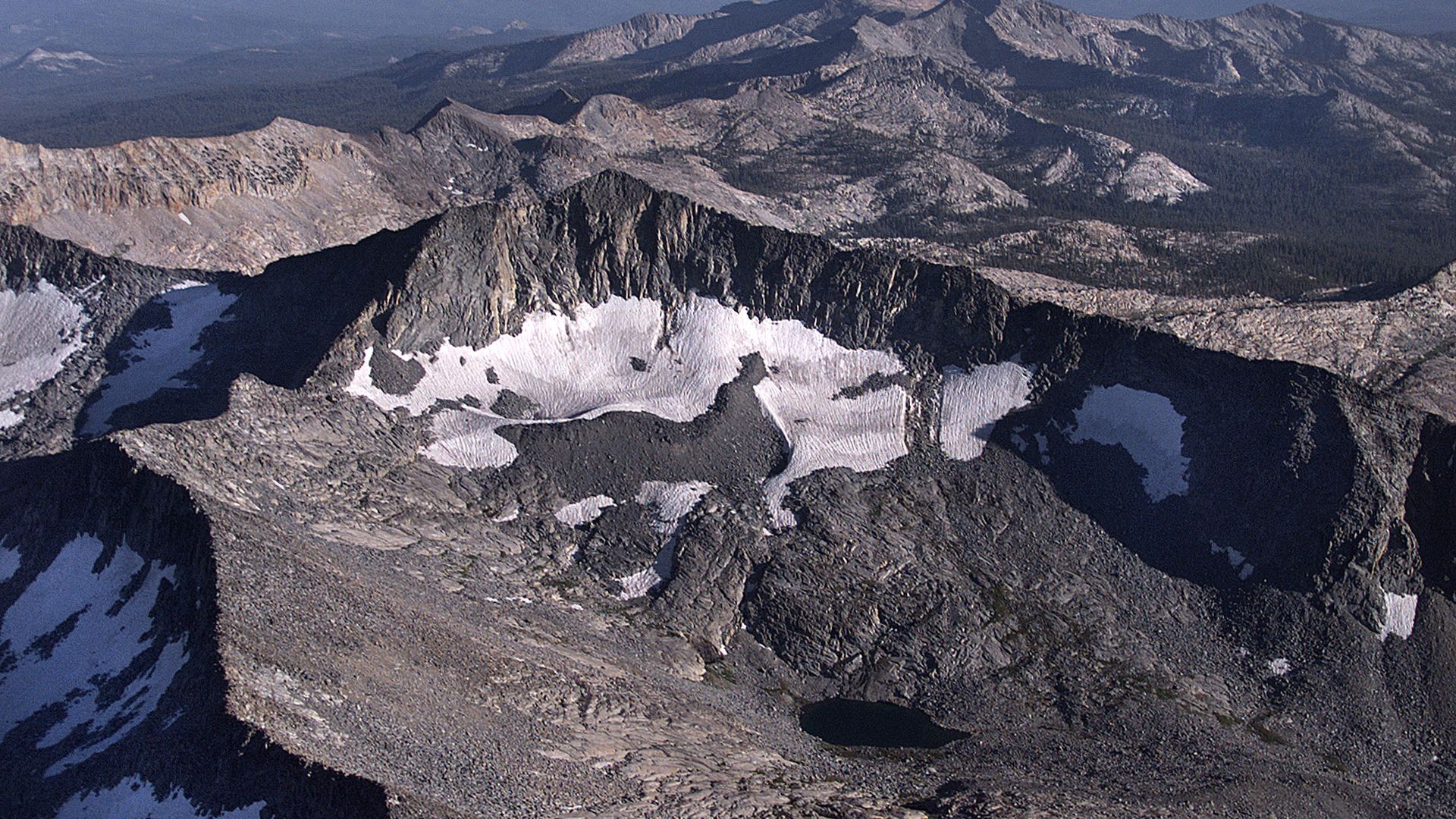
Glaciers at some of the most famous World Heritage sites are set to vanish within 30 years due to climate change — including those at Yosemite National Park, a new UN report warns.
Threat level: "Glaciers in a third of the 50 World Heritage sites are condemned to disappear by 2050, regardless of efforts to limit temperature increases," according to the UNESCO report, published Thursday.

/2022/11/04/1667583837464.gif?w=3840)