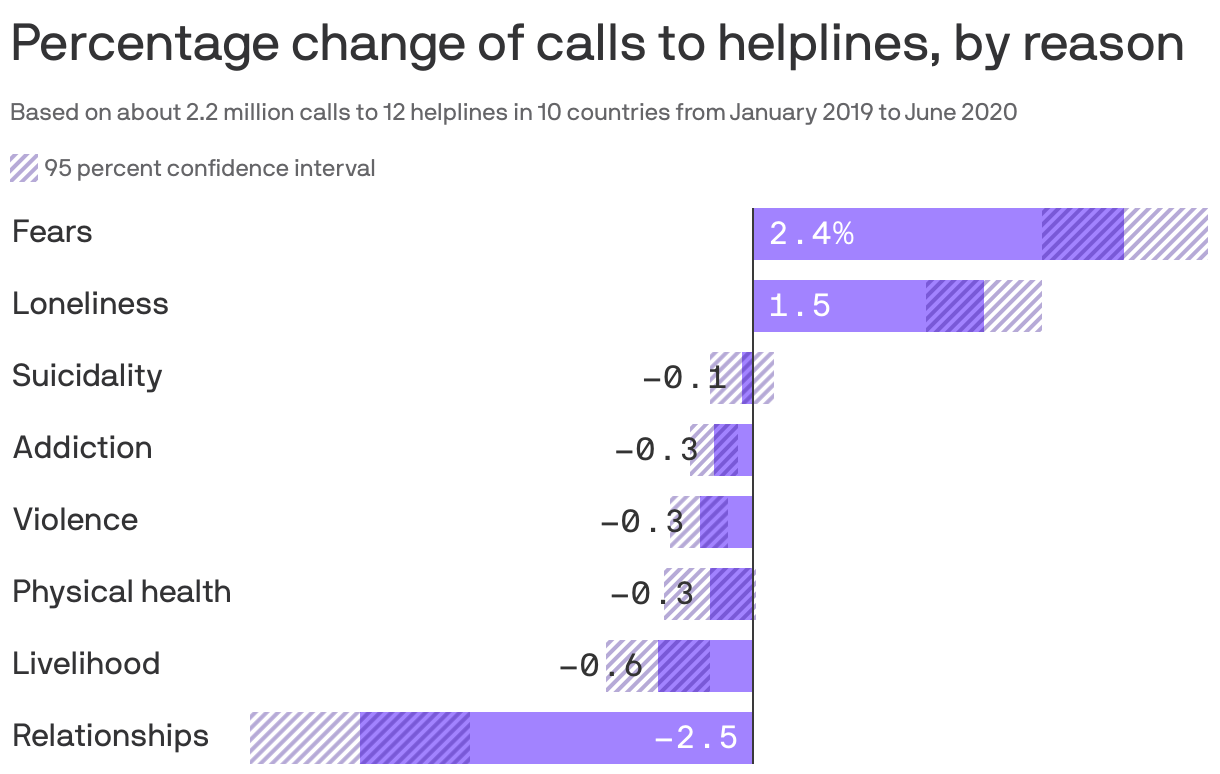
Source: Brülhart, M., Klotzbücher, V., Lalive, R. et al. in Nature; Chart: Thomas Oide/Axios
Fear and loneliness replaced relationship and livelihood concerns during the pandemic, a team of scientists said after looking at millions of helpline calls in multiple countries before and after the COVID-19 pandemic started.
The big picture: Doctors and policymakers are trying to assess the impact of quarantines, school closures and other public health measures on our emotional and mental well-being. Using helpline data could become an important assessment tool, the researchers said.
A new kind of fuel for small satellites was successfully tested in space for the first time.
Why it matters: Iodine electric propulsion could enable new ways for tiny satellites to explore the solar system and allow spacecraft to avoid collisions in orbit, according to ThrustMe, the company behind the technology.
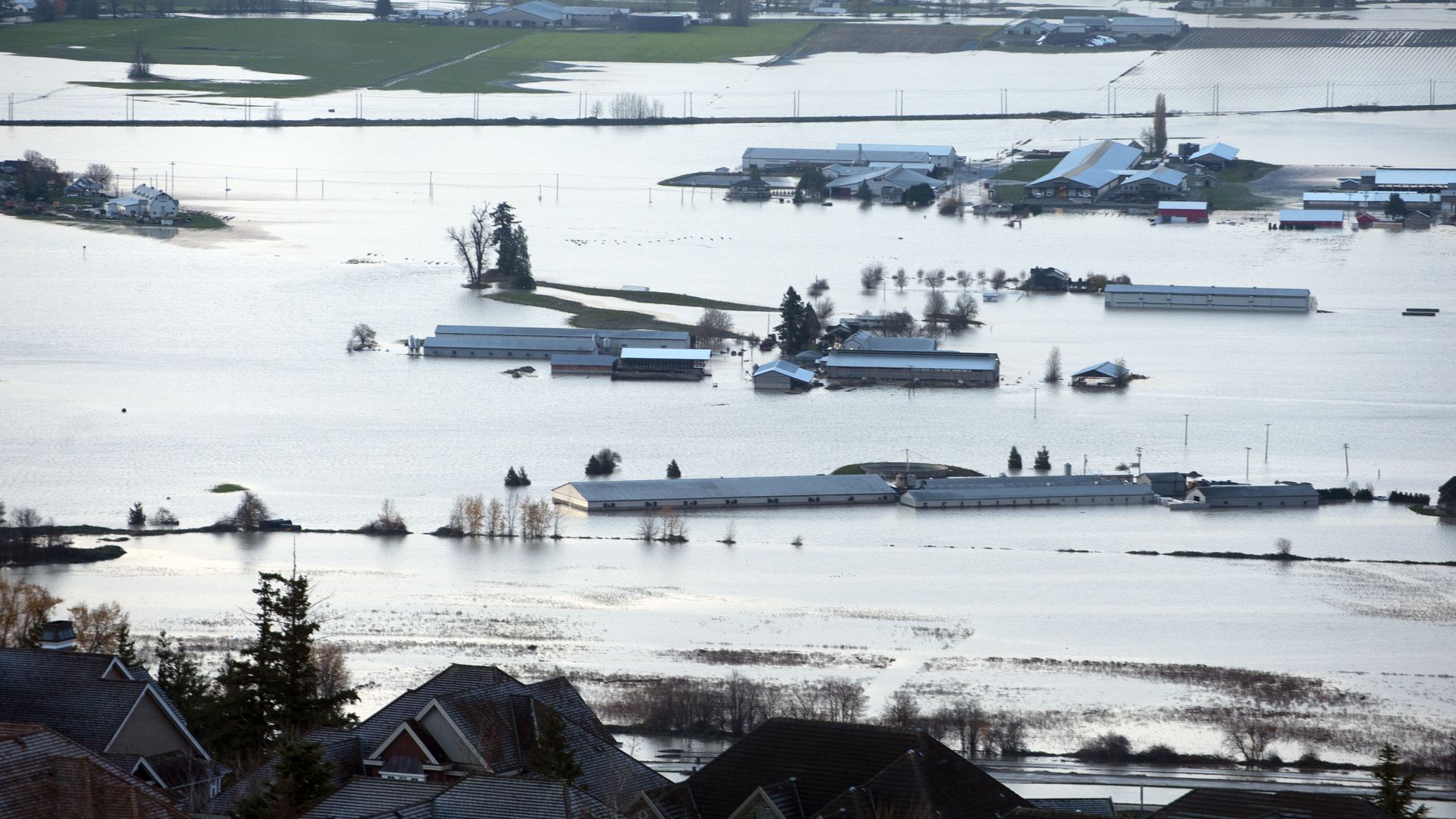
The premier of British Columbia, Canada, declared a state of emergency Wednesday following the "atmospheric river event" that brought record rainfall, flooding and mudslides to the Pacific Northwest.
The big picture: A woman died in a mudslide that swept away a B.C. highway Tuesday, and B.C. Premier John Horgan told reporters he expected more storm-related fatalities to be confirmed in the coming days. Canadian Prime Minister Justin Trudeau deployed the country's military personnel to assist with rescue efforts on Wednesday.
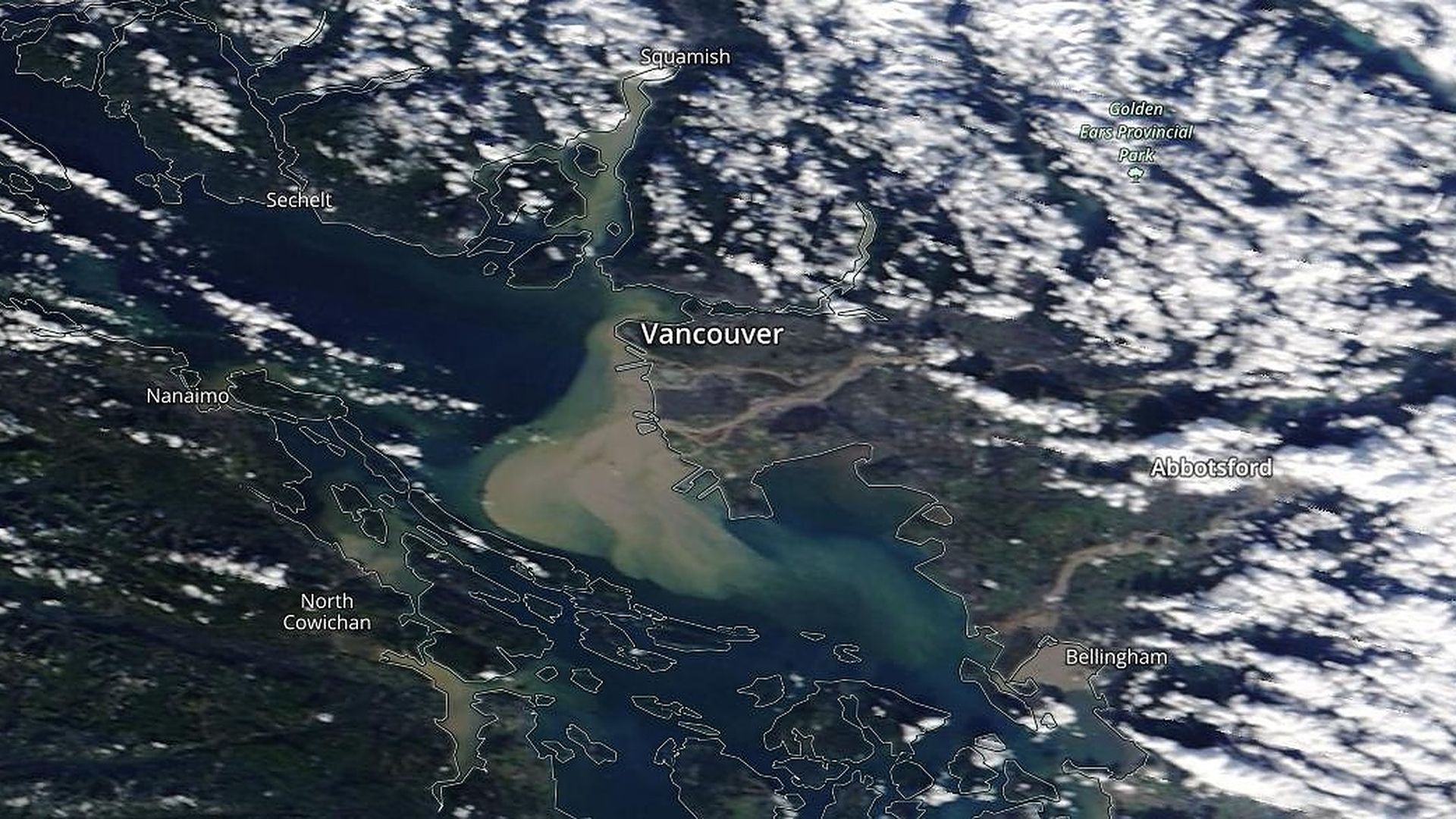
Flooding from the deadly Pacific Northwest storm is so severe, it can be seen from space, according to images captured by NASA on Tuesday.
The big picture: At least one person has died and Canada's largest port was cut off by flood waters after the intense "atmospheric river event" slammed the region, bringing with it record-shattering rainfall and damaging winds, and triggering evacuations. Thousands of people were still without power on Wednesday morning.
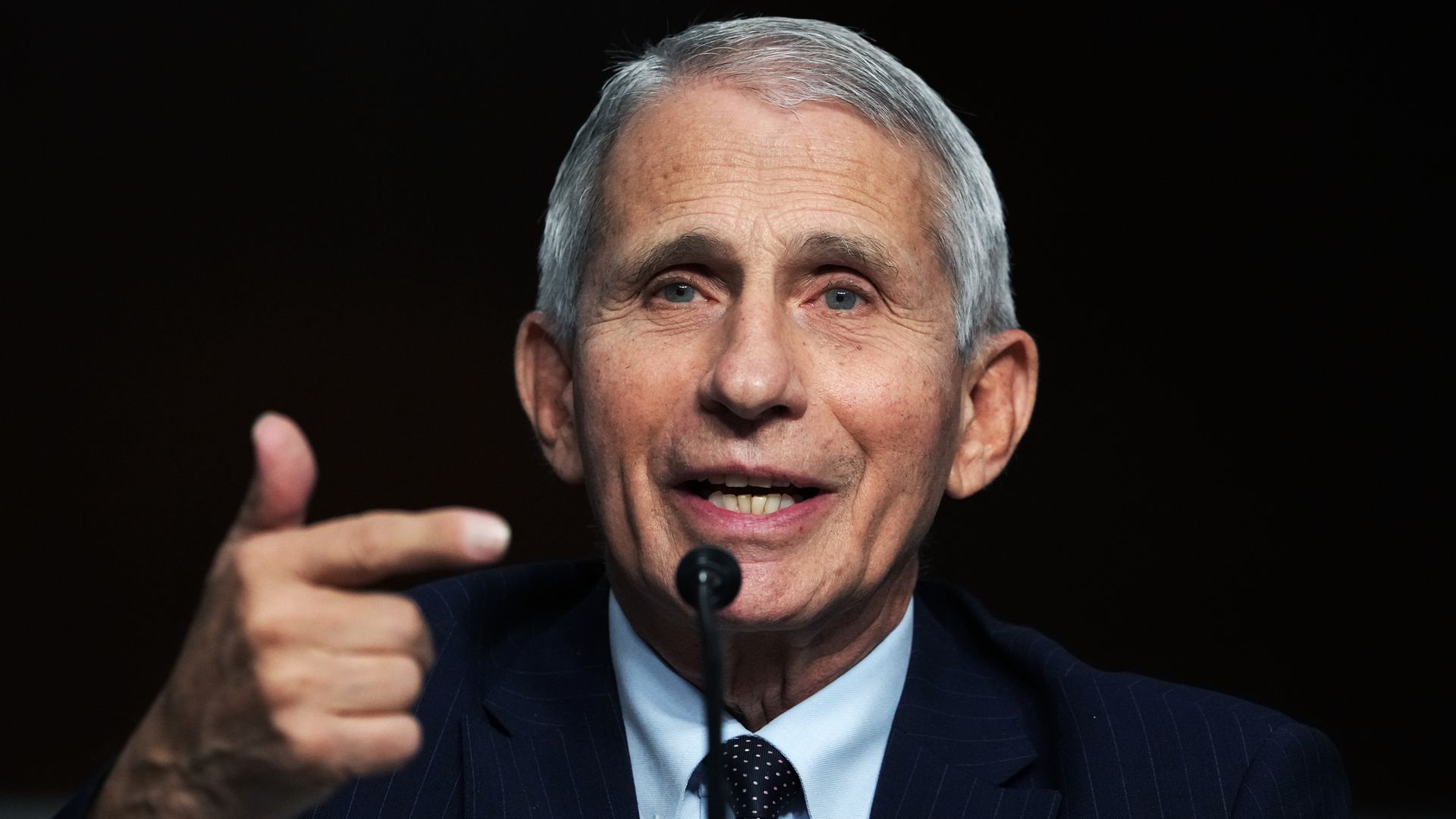
NIAID director Anthony Fauci believes the COVID-19 pandemic could become endemic in the U.S. next year, but increased vaccination rates and booster shots would be key to achieving this.
The big picture: The nation's top infectious disease expert made the comments in an interview with Reuters on Tuesday on the sidelines of the STAT Summit. But he noted to CNBC that coronavirus cases need to fall "well below 10,000" a day for the U.S. "to get back to a degree of normality."