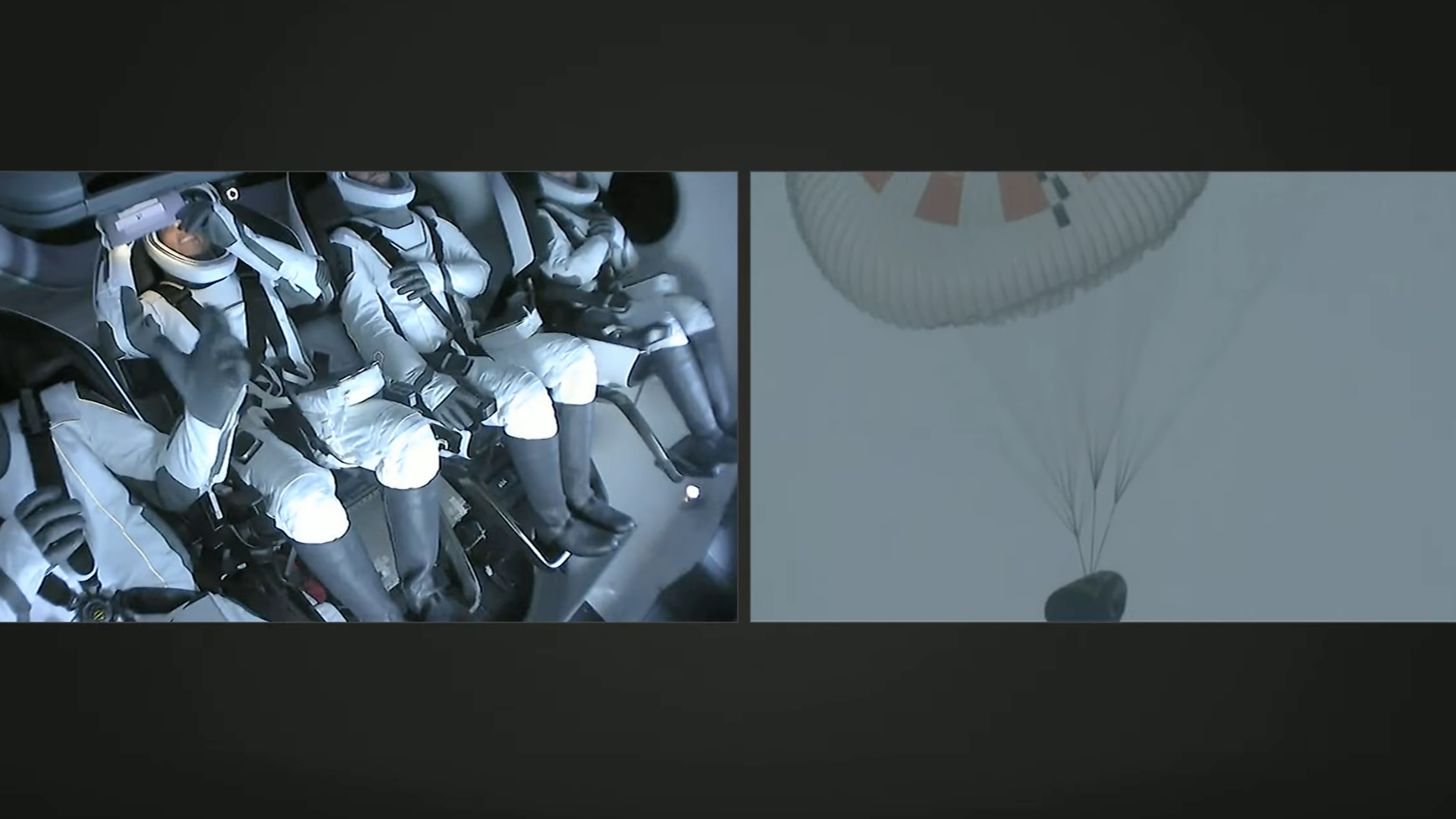
The all-civilian Inspiration4 crew is back on Earth after their three-day mission in orbit.
The big picture: The launch and landing of this fully amateur, private space crew marks a changing of the guard from spaceflight being a largely government-led venture to being under the purview of private companies.
Heat is typically the No. 1 weather-related killer in the U.S. — but depending on the neighborhood, some city residents experience cooler, more manageable temperatures than others.
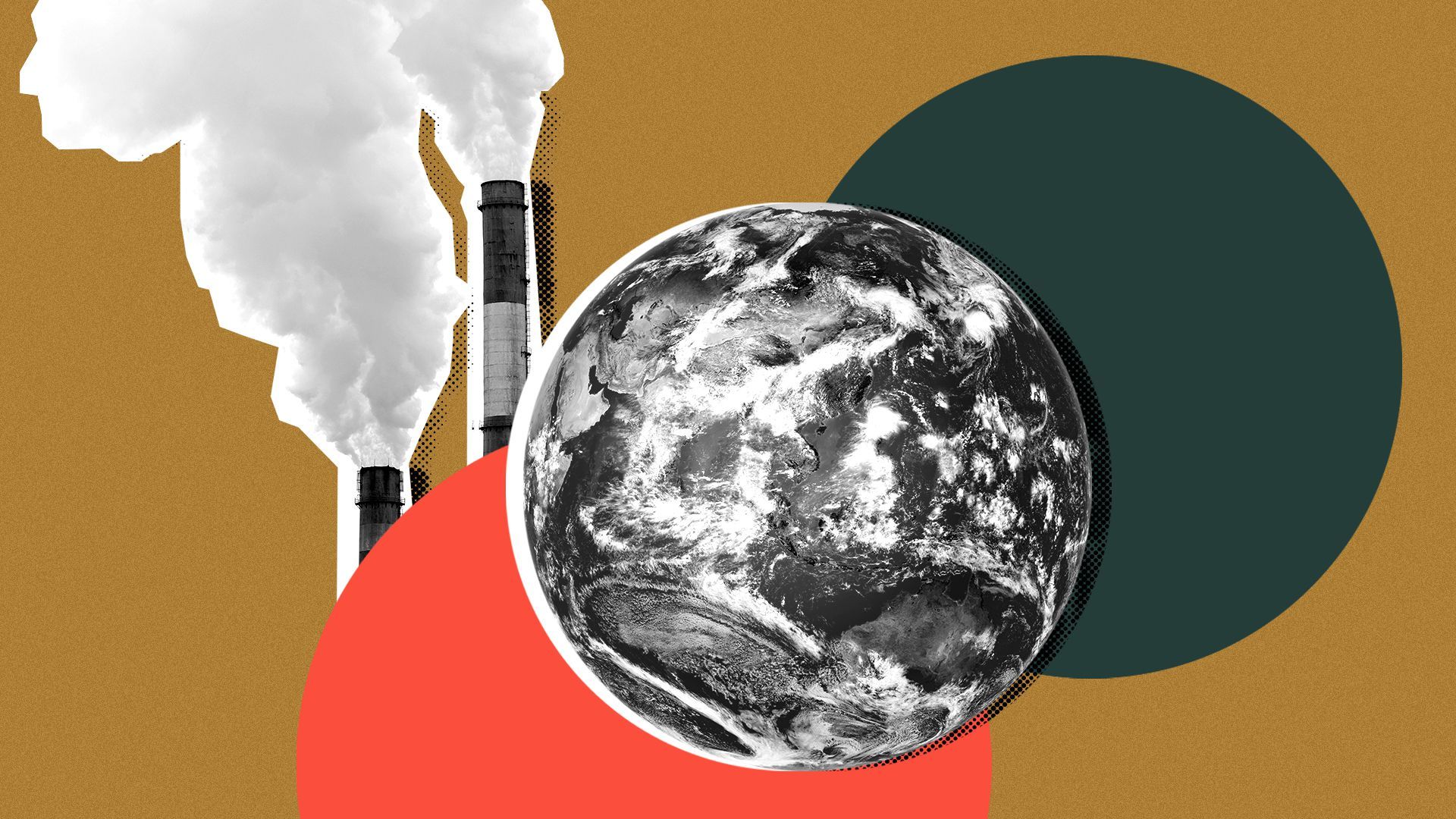
Why it matters: Allcities trap heat, with their darkly colored asphalt and energy absorbent buildings — a phenomenon known as the Urban Heat Island effect. However, within these heat islands, some areas are consistently hotter.
The increasing number of extreme weather incidents is spurring calls from emergency services workers and state and local officials for better public health mapping to identify and assist people at risk from environmental disasters.
Why it matters: People of color, especially Black Americans, have been disproportionately affectedby environmental hazards and are more likely to die of environmental causes now and in the future.
A growing environmental threat to communities of color — particularly Black Americans, Hispanic Americans and Native Americans — is the damage some are likely to suffer because of climate change in the coming years.
The big picture: This visual is based on an EPA analysis released this month that explores how warming and rising seas could make life especially miserable for people of color based on where they currently live in the lower 48 states.
A national study out earlier this year from the nonprofit First Street Foundation supports what experts have long believed: The National Flood Insurance Program undercharges for flood insurance in certain areas, making it cheaper and easier for people to live in dangerous places if they’re willing to take the risk.
The big picture: The group found 4.2 million properties across the country face major flood risk and pay too little in flood insurance; a quarter of those were in Florida. And the data show the risk is racially lopsided.
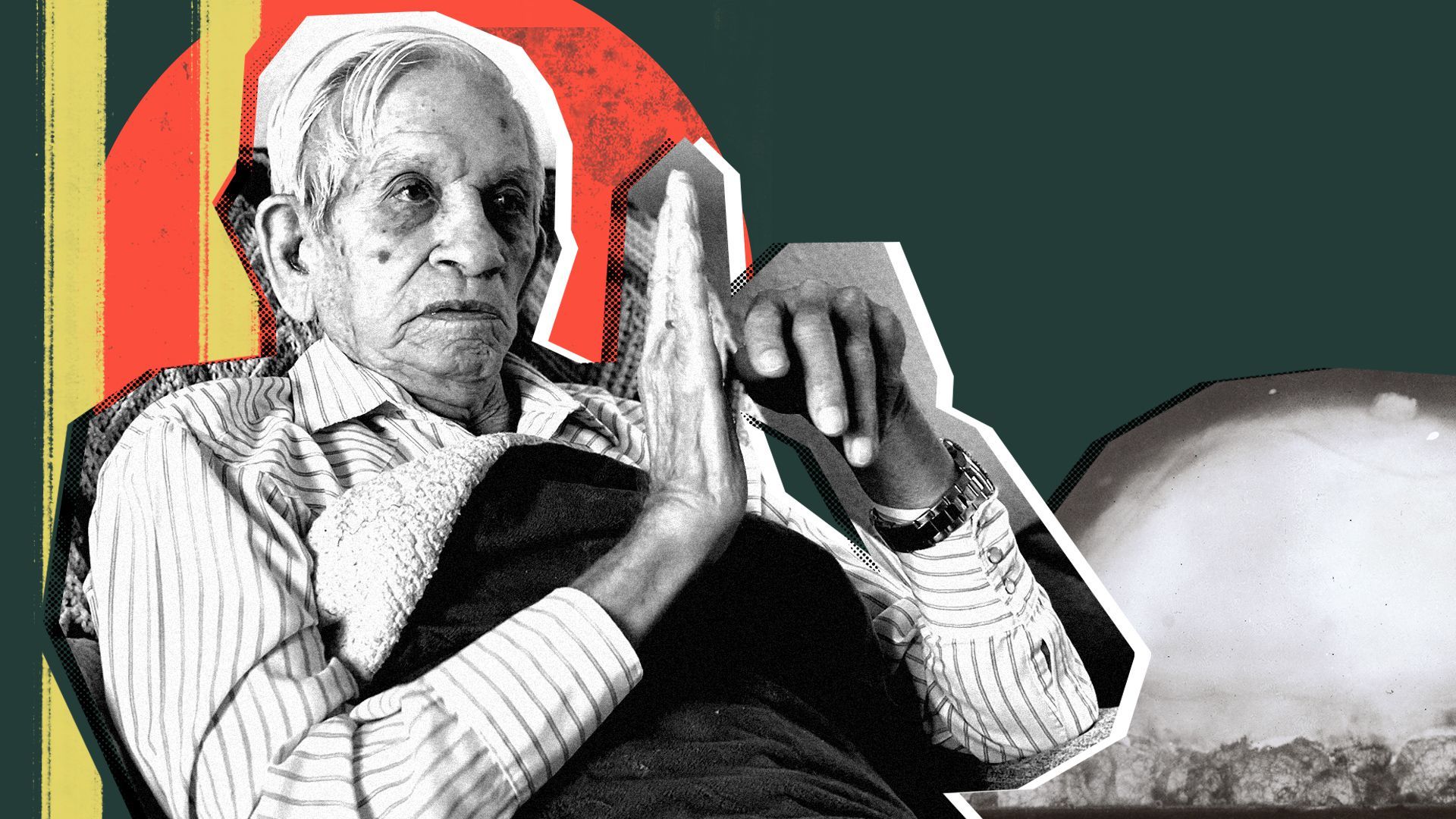
On a cool July dawn, 11-year-old Henry Herrera and his father were outside their home in Tularosa, New Mexico, when they saw a bright light and heard the boom of what turned out to be the world's first atomic bomb test.
Hours later, their home was covered in ash.
Why it matters: Three-quarters of a century later, Hispanic and Mescalero Apache families and descendants of those living near the Trinity Test are dealing with rare cancers that have devastated nearly fourgenerations, while the federal government ignored, dismissed and forgot them.
Most of us take the quality of the air we breathe and the water we drink for granted. But for people of color, the environment is often the cause of chronic, sometimes fatal health issues.
The all-civilian SpaceX crew called actor Tom Cruise on Friday, giving him a glimpse into their experience in orbit two days after the successful Inspiration4 launch.
Don't forget: NASA announced last year thatit would work with Cruise on a film aboard the International Space Station — though it's unclear where that currently stands.
Overall healthy adults with the Moderna COVID vaccine had 93% vaccine effectiveness against hospitalization over five months compared to those with 88% protection with Pfizer and 71% from the Johnson & Johnson vaccine, a new report out Friday from the CDC shows.
Why it matters: The report comes as the Food and Drug Administrations meets Friday to consider whether to endorse a contentious plan for booster shots among the fully vaccinated.