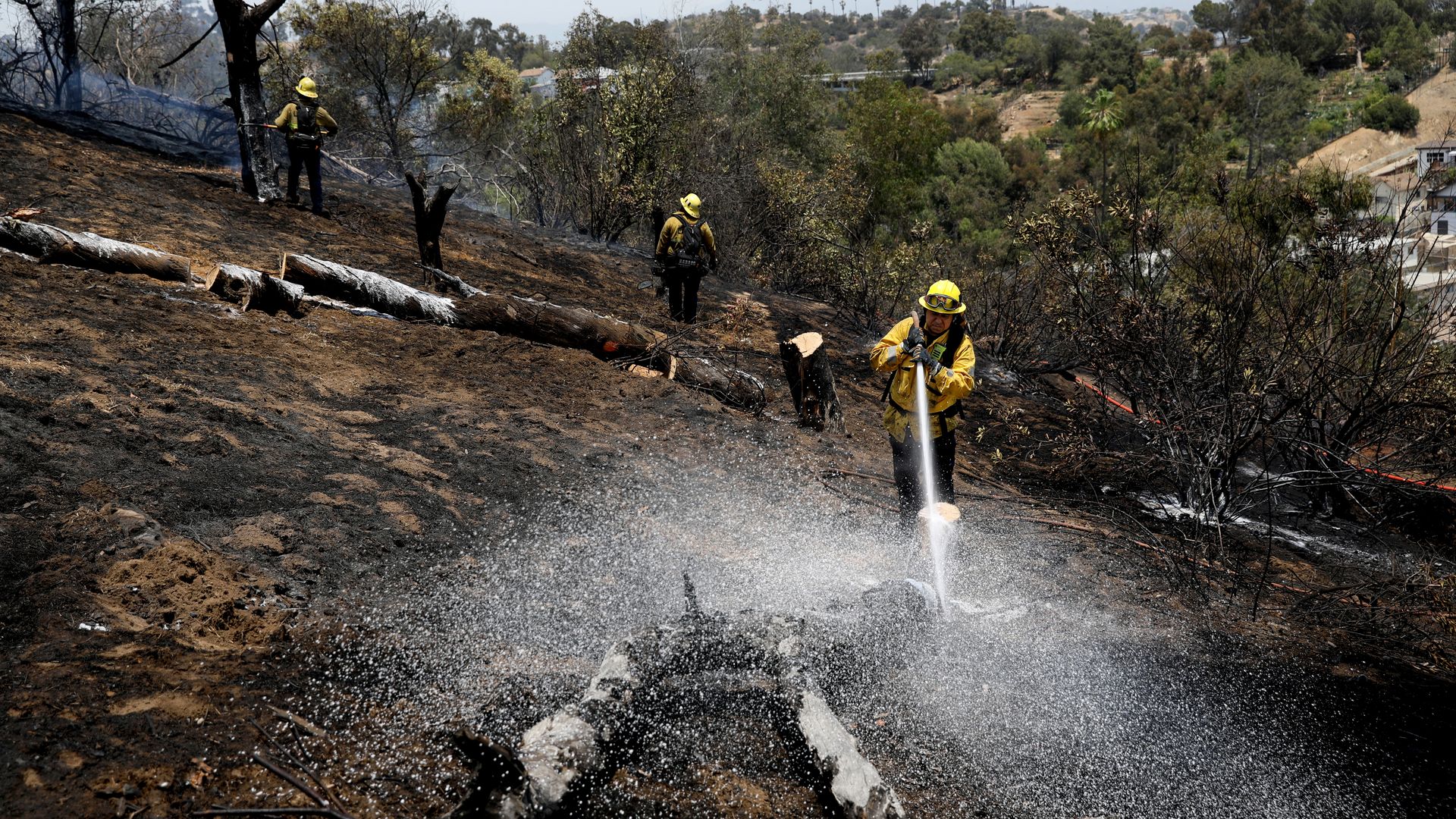
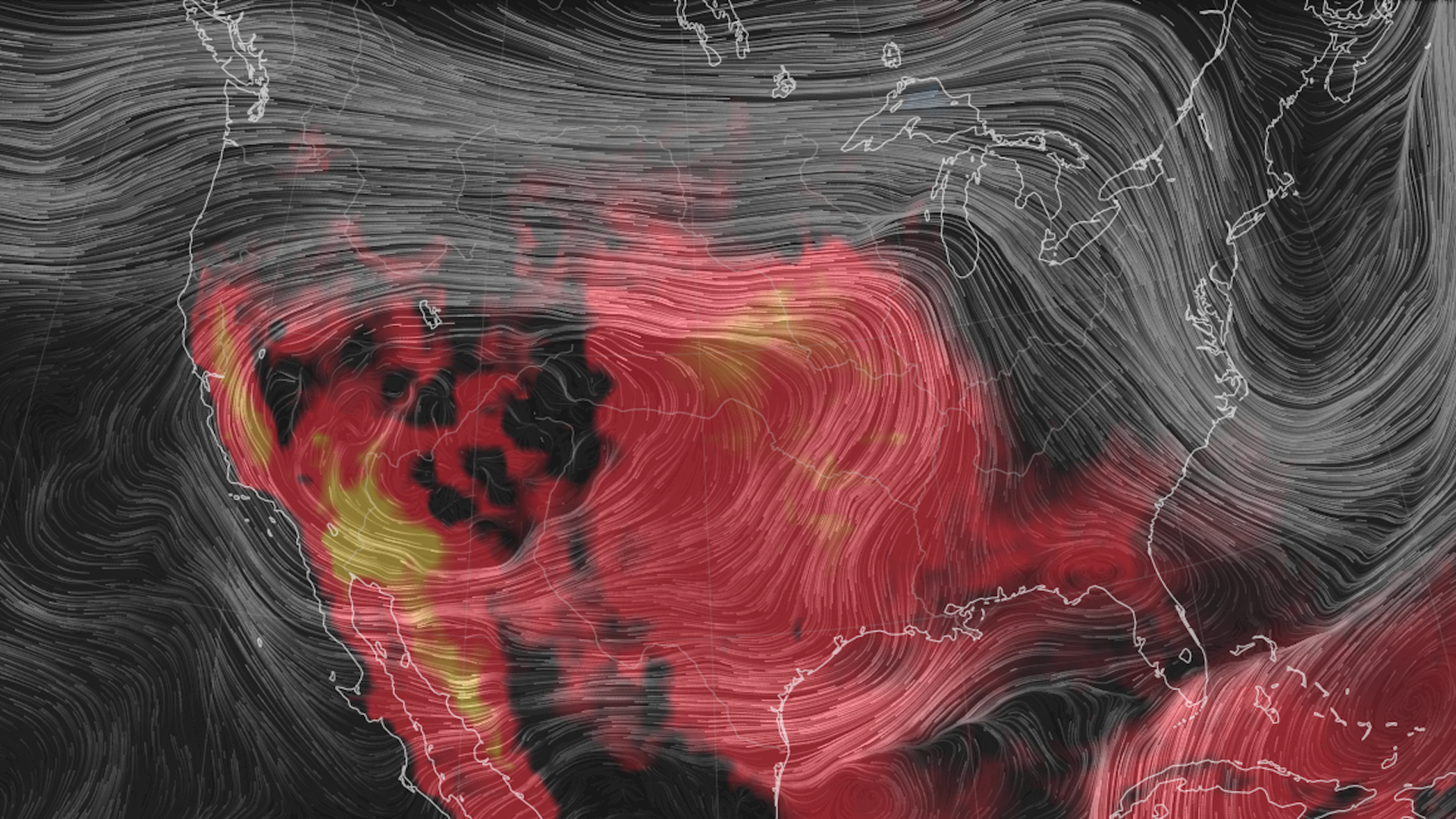
A record-breaking heatwave in the western part of the United States has caused fires in Montana, Arizona and California.
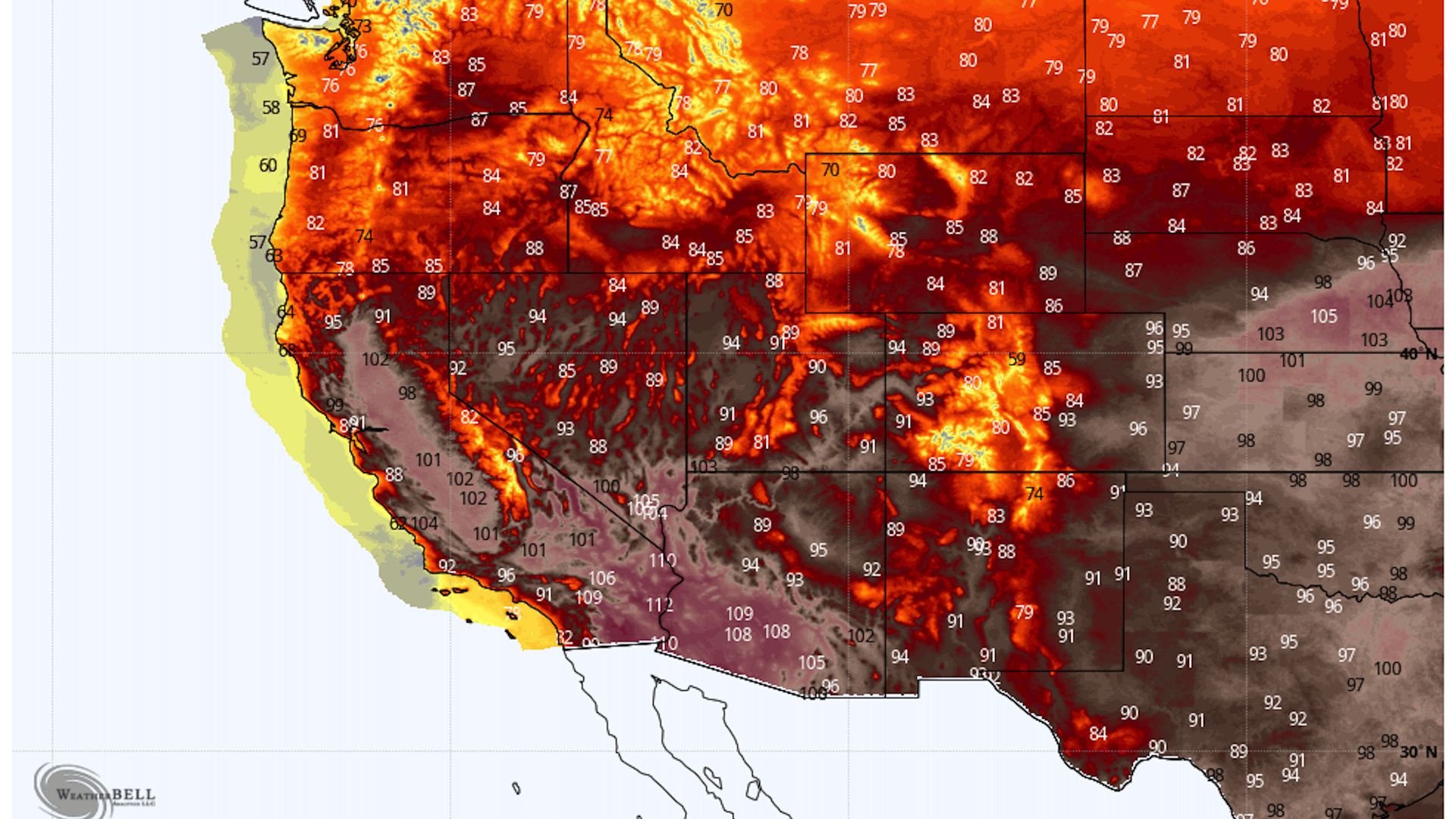
Why it matters: The West is already experiencing an intense drought, which studies show is being exacerbated by climate change. In the coming days, more than 40 million people in the West and Southwest could see temperatures exceed 100°F.
A new detailed map reveals more than half of the world’s network of rivers and streams runs dry for at least one day each year.
Why it matters: Knowing how often and for how long rivers stop flowing is important for managing water resources and conserving species adapted to these unique ecosystems, but so-called nonperennial rivers are understudied and often overlooked.
Public health officials are renewing calls for COVID-19 vaccinations, as a more infectious variantthat can be thwarted with available vaccinesis spreading rapidly in the United States.
Why it matters: The B.1.617.2 (or Delta) variant was first detected in India and is expected to become the dominant strain in the U.S. in three to four weeks, some researchers say. If vaccination rates continue to slow, the variant could fuel surges in pockets of the country this fall.
The record-breaking heat wave roasting the West is expanding its grip on Thursday, with the focus of the triple-digit heat shifting into California — particularly the Central Valley and desert regions.
Why it matters: Across the West, the combination of record heat, preexisting drought conditions, and dry lightning strikes from afternoon thunderstorms threatens to ignite numerous wildfires Thursday.
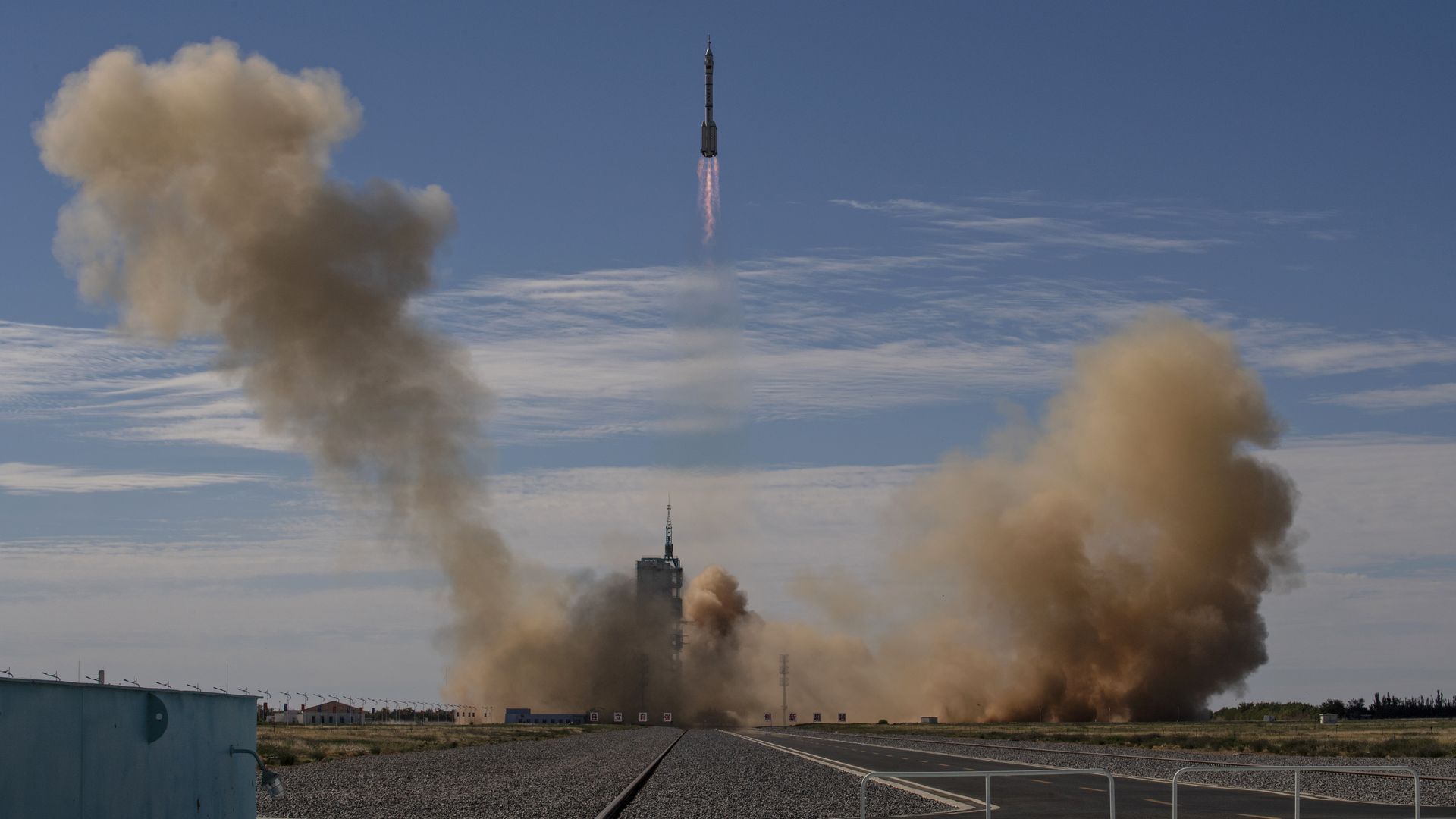
Three astronauts entered China's new space station for the first time after riding into space on the Shenzhou-12 spacecraft launched from the edge of the Gobi Desert on Thursday, according to AP.
Why it matters: Astronauts Nie Haisheng, Liu Boming and Tang Hongbo are set to occupy the station for a three-month mission, marking the country's longest crewed space mission ever and the first in almost five years.
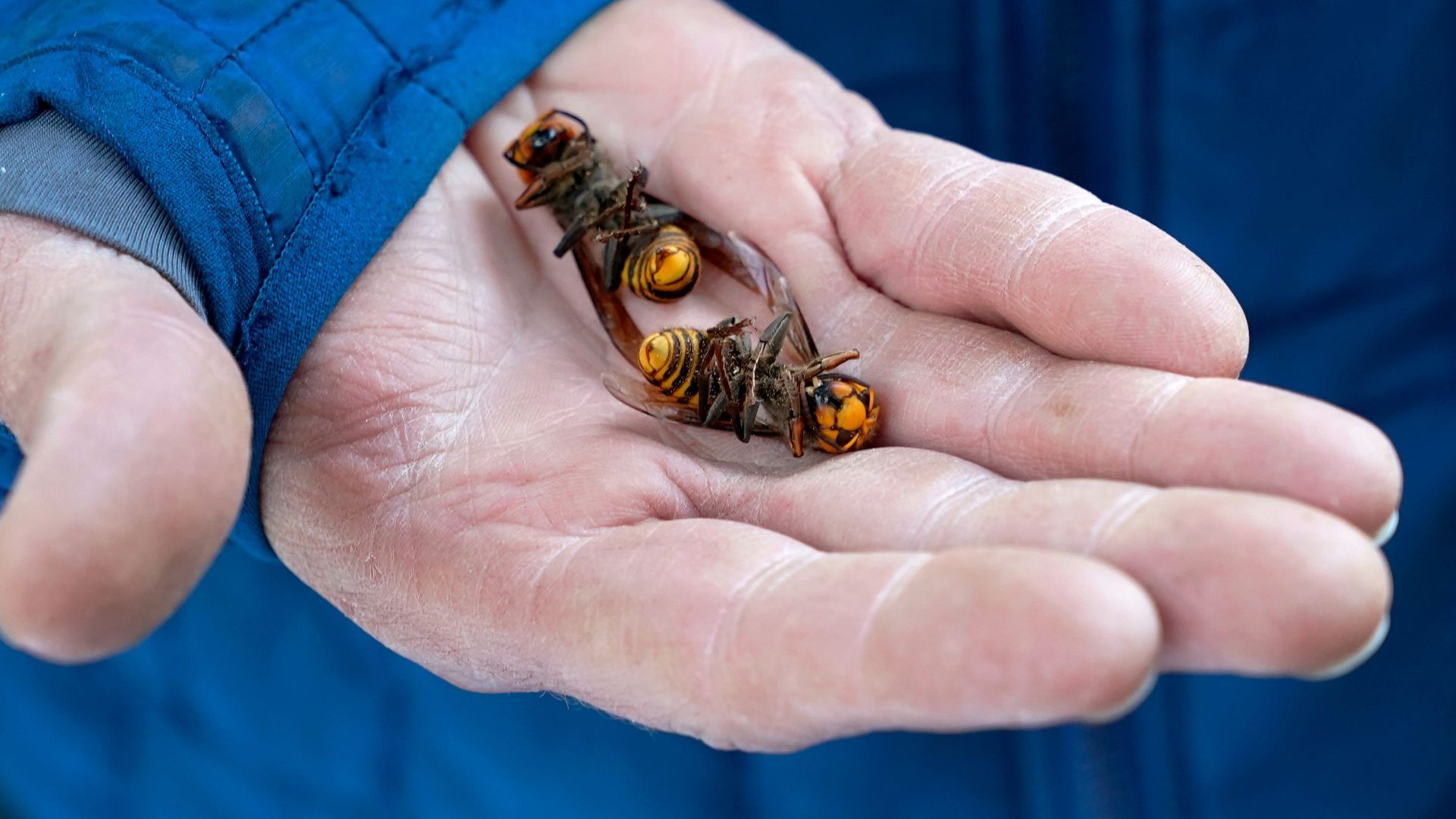
An Asian giant hornet was found dead near Seattle — the first such sighting in the United States this year, per AP.
Why it matters: The 2-inch-long invasive insects, known as "murder hornets," pose a threat to honeybees and native hornet species, and their extremely painful stings can be deadly to human beings.
A punishing and long-enduring heat wave is intensifying in parts of the West and Southwest, with heat warnings and advisories in effect across seven states Wednesday. The heat will not relent until late in the weekend.
Threat level: In the coming days, 40 million are likely to see temperatures reach or exceed 100 degrees.