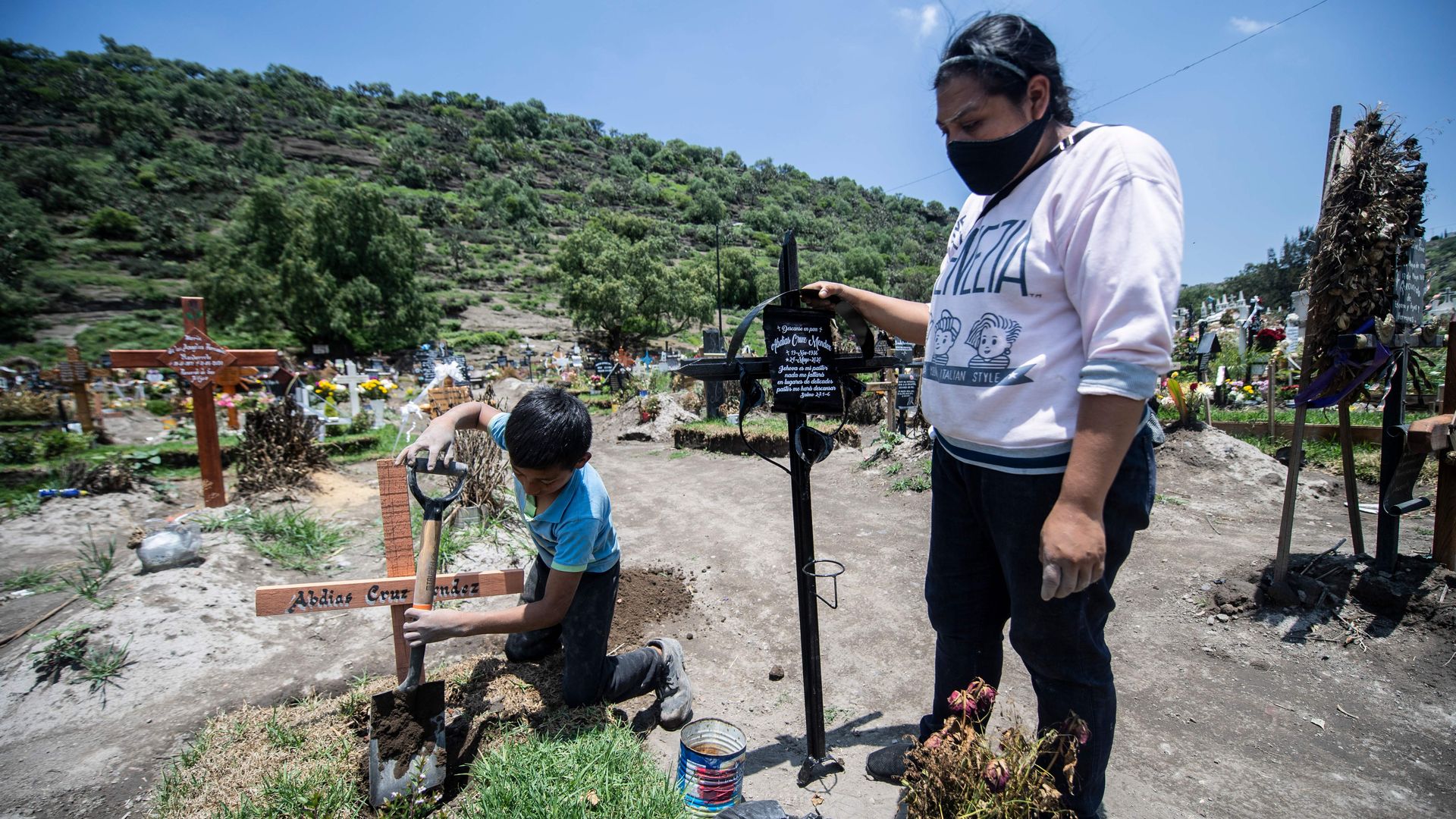
Mexico's health ministry increased the country's total COVID-19 pandemic death toll by 4,272 to 227,840.
Driving the news: Jose Luis Alomia, the ministry's head of epidemiology, told reporters the revision was due to previously suspected cases being confirmed, per Reuters. "We will likely be seeing these adjustments not only in deaths but also in cases," Alomia warned.
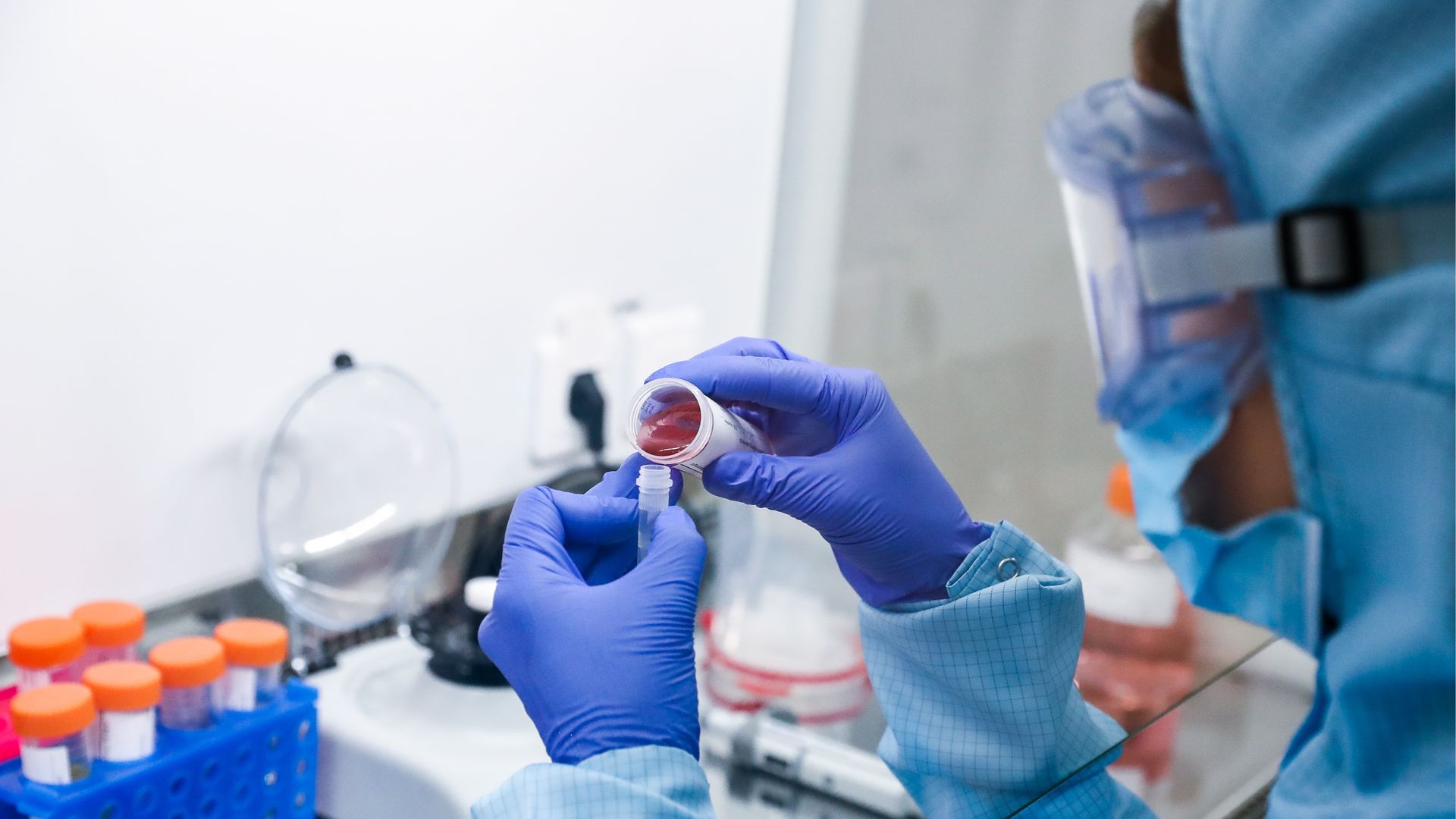
U.S. health officials have begun a clinical trial with adults fully vaccinated against COVID-19, administering a booster shot of a different vaccine brand to the one they've already received, the National Institutes of Health announced Tuesday.
Why it matters: The study will examine immune responses and the safety of mixing different vaccines. Scientists will also measure the shots' efficacy in staving off emerging variants, according to a statement from the NIH.
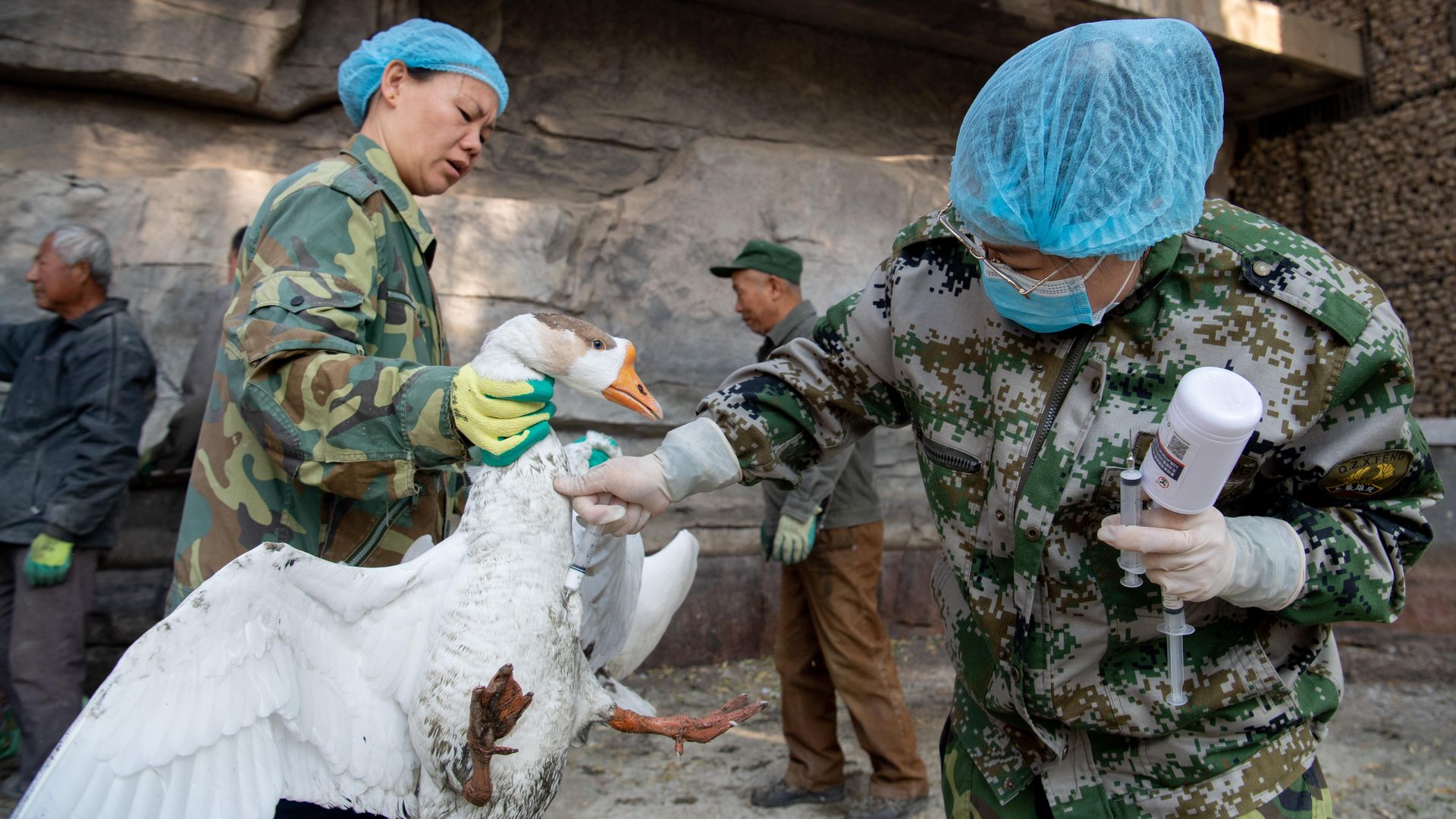
A man in the eastern Jiangsu province of China has become the first person known to have been infected with the rare H10N3 strain of bird flu, the National Health Commission announced Tuesday.
Driving the news: The man from the city of Zhenjiang was hospitalized on April 28 and diagnosed May 28, the governmental health body said in a statement that noted the "risk of large-scale spread is extremely low," per AFP. He's in a stable condition and is expected to be discharged from the hospital.
The clouds on Mars look oddly Earthlike in recently released photos taken by NASA's Curiosity rover.
Why it matters: By studying these Martian clouds from the ground, scientists hope to learn more about how Mars' thin atmosphere works and how it differs from Earth's.
Maryland and Montana have passed new laws restricting forensic genealogy, the DNA technique used to trace the Golden State Killer, in order to protect the privacy of suspects and their families, the New York Times reported Monday.
Why it matters: Law enforcement across the U.S. have access to DNA in databases outside of the criminal justice system. Through genealogy websites with millions of users, police have used DNA to identify suspects.
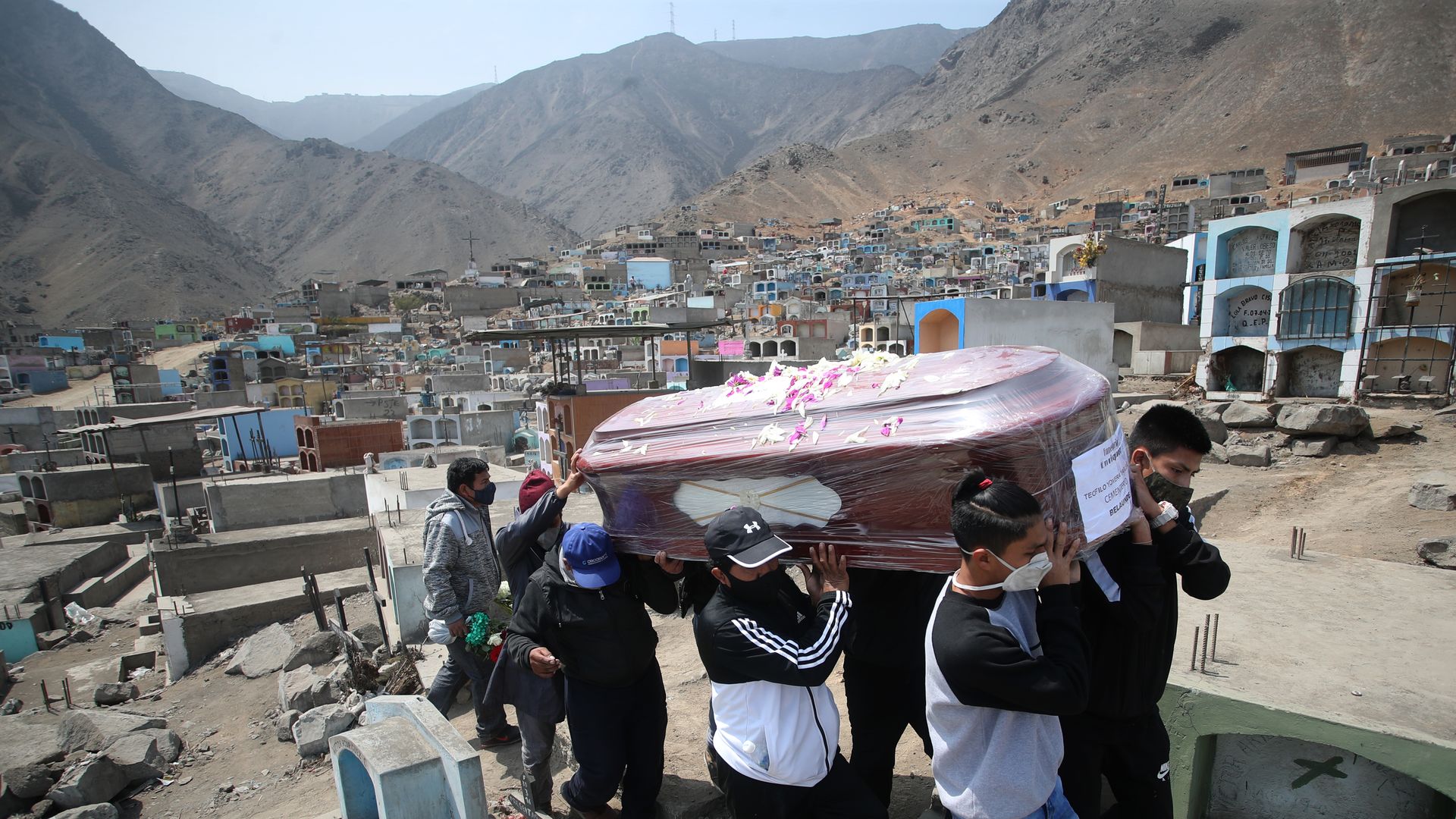
Peru officials revised the country's COVID-19 death toll Monday from 69,342 to 180,764 after a review.
Why it matters: The almost tripling of the number listed Sunday means the country has the worst pandemic death rate per capita, according to Johns Hopkins University data.