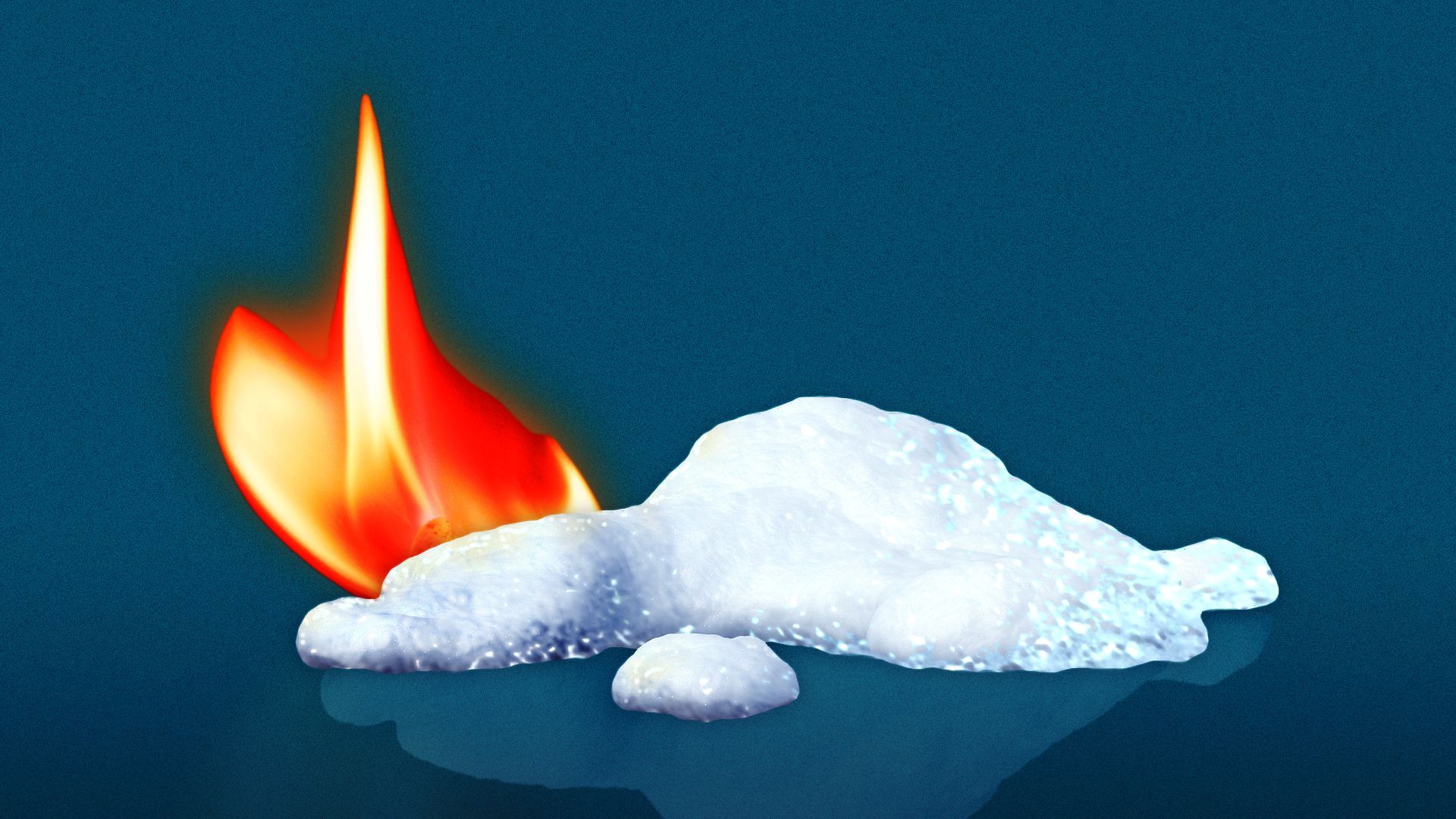
One of the fastest-warming regions of the U.S. is the Southwest — and that region, plus the broader West, is stuck in its most expansive and intense drought of the 21st century.
Why it matters: Studies show that a warming climate is exacerbating the drought, and in some ways may be triggering it in the first place. That means the Southwest is drying out — and California's large wildfires could start as soon as next month.
Tens of thousands of people rallied in over 200 cities and towns across Brazil Saturday to protest President Jair Bolsonaro's handling of the COVID-19 pandemic, which has killed some 460,000 people in the country, per the Guardian.
The big picture: Bolsonaro has frequently downplayed the pandemic despite soaring cases, with hospitals overstretched. Saturday's protests, organized by leftist groups, remained peaceful in most cities, but police fired tear gas and rubber bullets at demonstrators in Recife, northeast Brazil, Reuters notes.
Houston Methodist Hospital is being sued by 117 employees who allege its policy requiring all staff to be vaccinated against COVID-19 is unlawful, the Washington Post reported Saturday.
Why it matters: The lawsuit and similar legal challenges "could test whether employers can require employee vaccinations as the country navigates out of a pandemic that has killed nearly 600,000 Americans," WashPost notes.
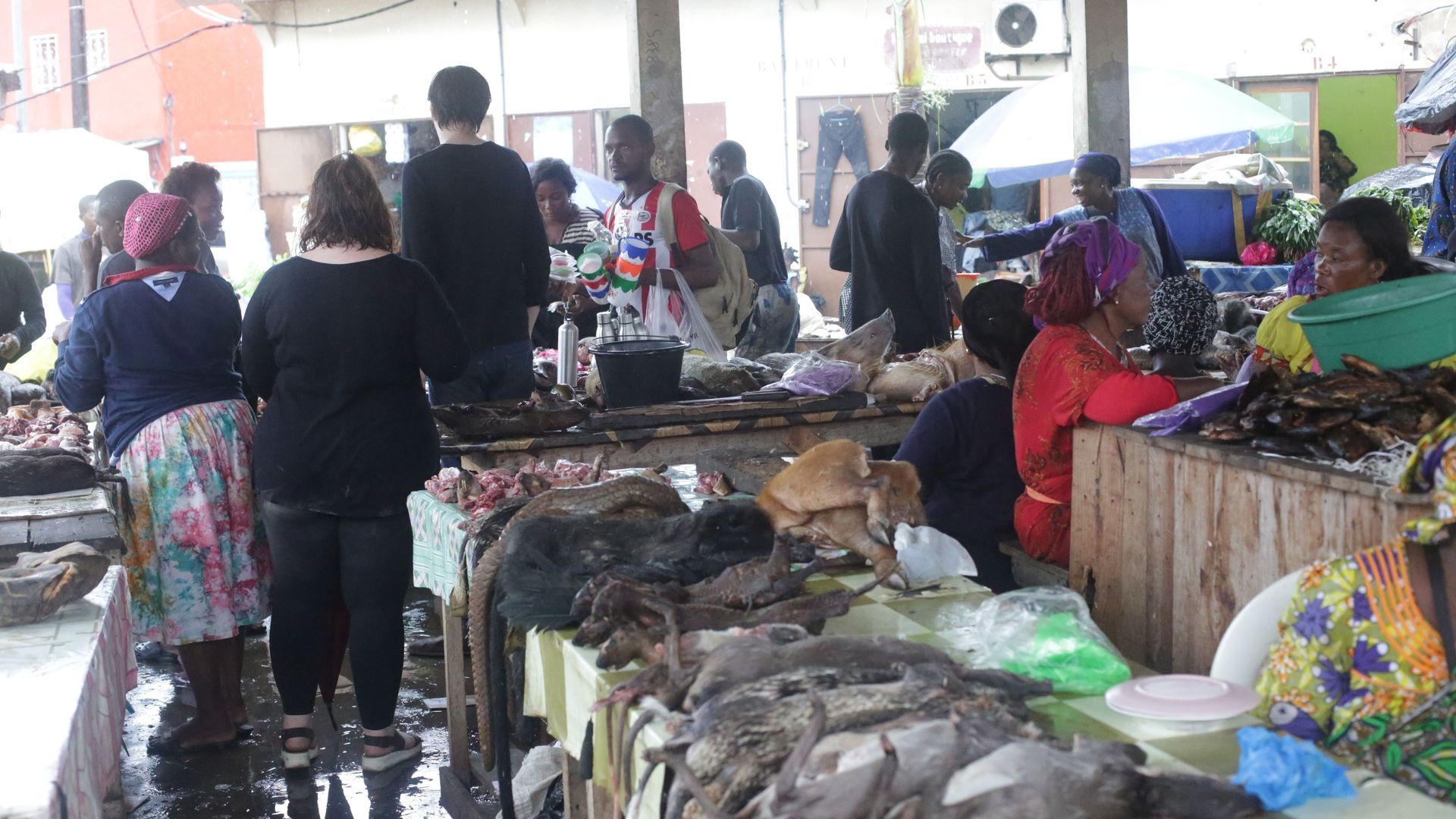
A new scientific task force is focusing on how to prevent the emergence of diseases that spill over from animals to human beings.
Why it matters: The focus on the origins of COVID-19 has recently turned to the possibility of a lab leak, but a zoonotic spillover is still highly likely, both for the novel coronavirus and for any future pandemic-causing pathogens.
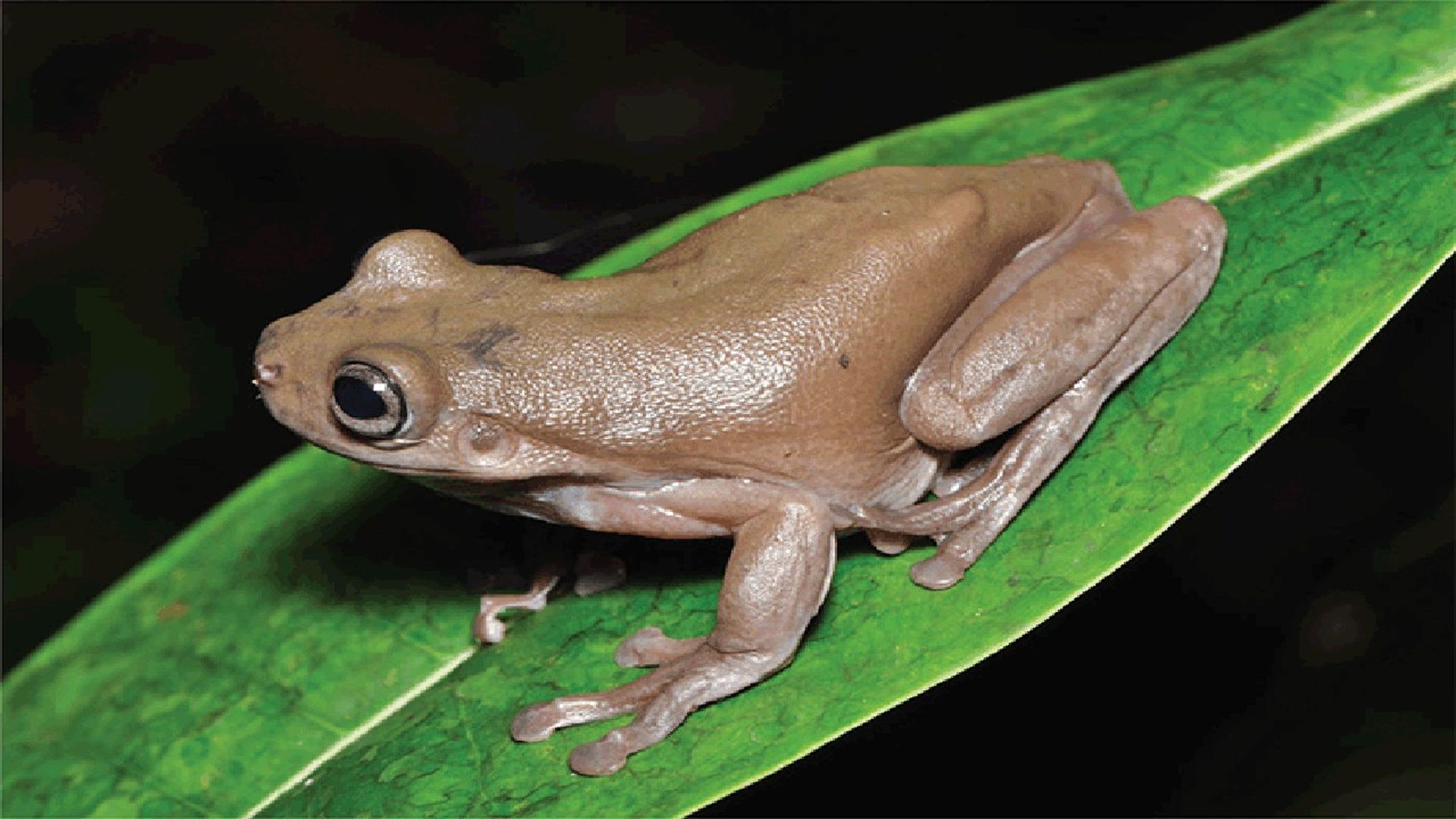
Australian scientists discovered a new species of tree frog in a swampy rainforest in New Guinea.
Details: Tree frogs are known for their green skin, but researchers encountered a species that had brown coloring, nicknaming it the "chocolate frog." The team named the species "mira" — which translate to "surprised" in Latin — because they were shocked to discover a relative of the common green tree frog, they told CNN.
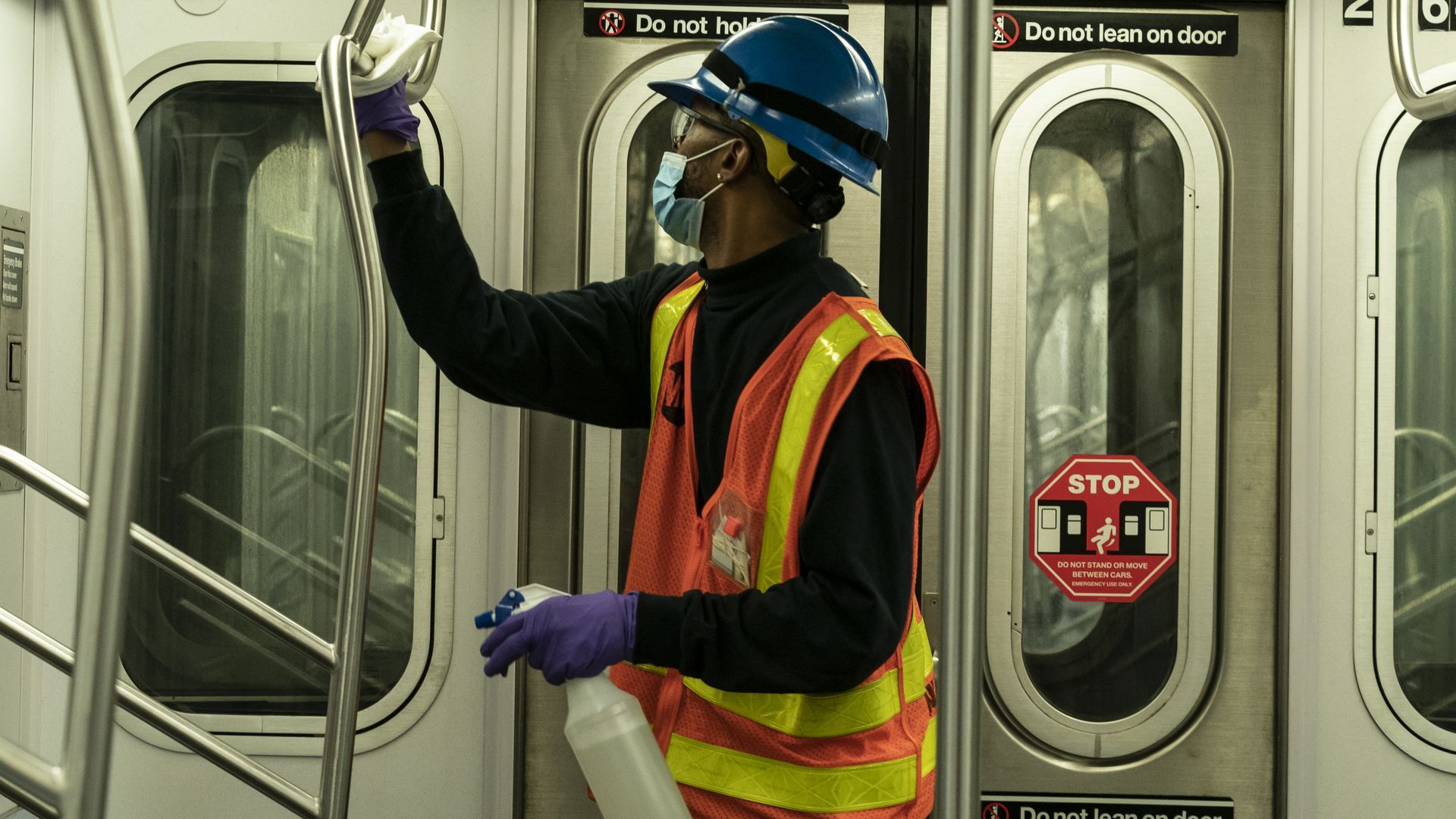
A team of researchers has collected an atlas of unique microorganisms found in the world's subways.
The big picture: While each city has its own unique microbial profile, they possess a distinct urban microbiome that reminds us that we share space not just with our fellow commuters, but vast numbers of bacteria and viruses.