The Earth's ocean acts as a global climate regulator, and scientists are increasingly studying its chemistry and geologyto find potential ways to store carbon dioxide captured from emissions or removed from the air.
The big picture: Oceans are bearing some of the brunt of climate change — they're acidifying, warming at the surface and experiencing other damaging effects. But deploying wind and solar energy offshore, restoring coastal ecosystems and other efforts could turn the seas into a solution, Axios' Andrew Freedman reports.
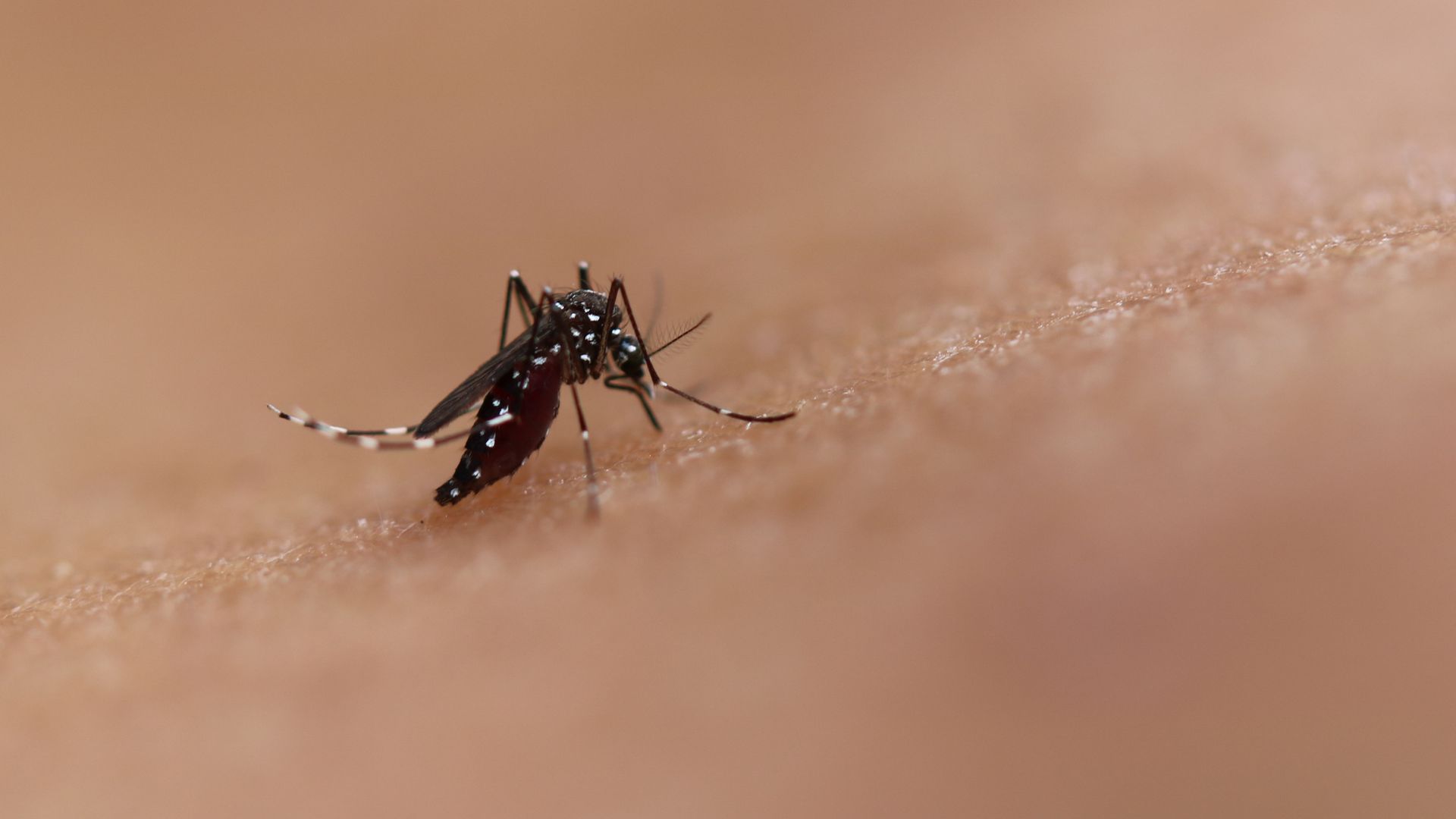
Oxitec, a British startup that plans to release genetically modified mosquitoes into Florida, on Thursday announced that it raised $6.8 million in venture capital from the Wellcome Trust.
Why it matters: This is one of the world's most controversial startups, even though everyone applauds its mission of reducing instances of mosquito-borne diseases like Zika and dengue fever.
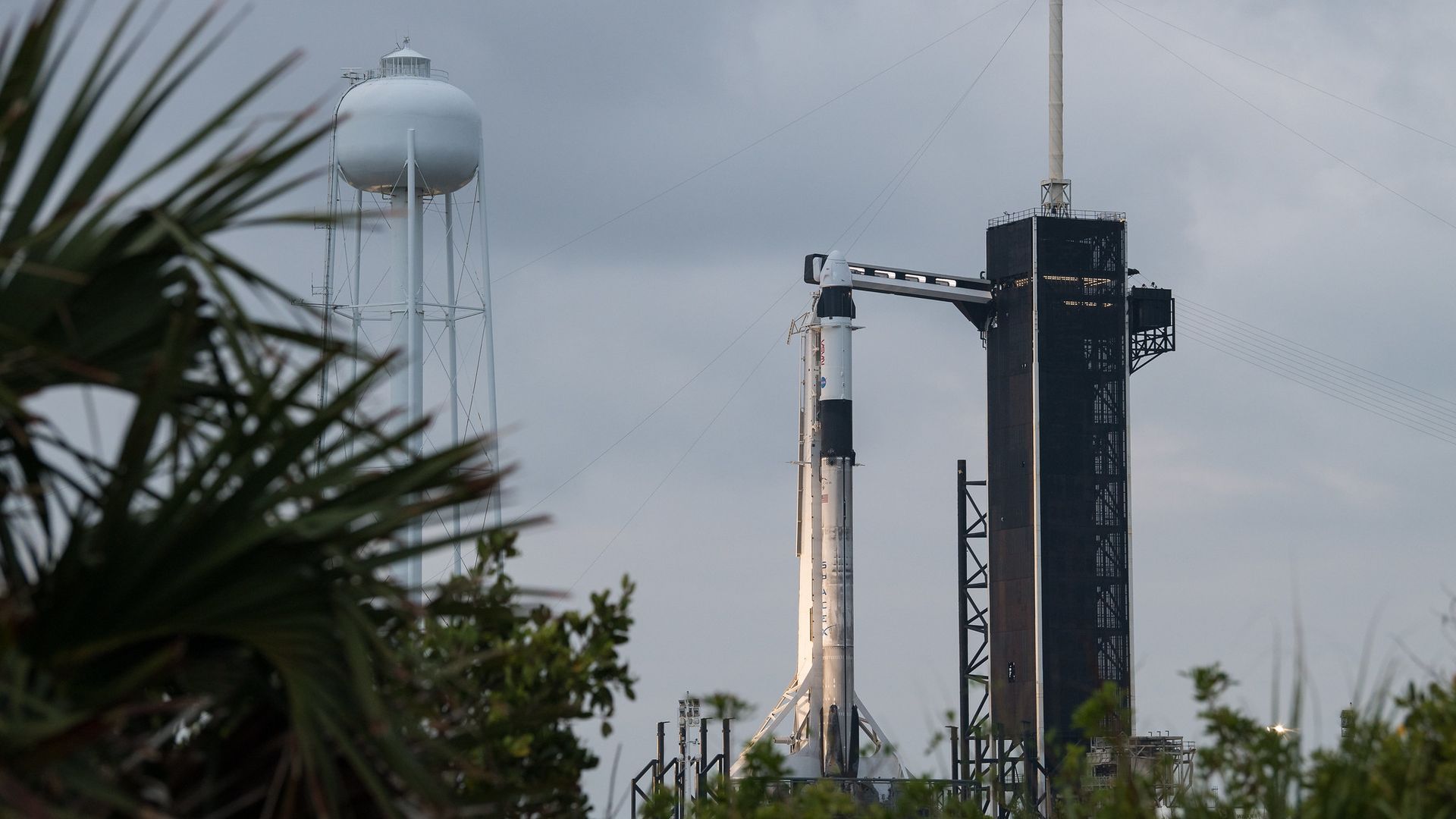
SpaceX is slated to send four new crewmembers to the International Space Station on Friday.
Why it matters: This will mark the third crewed flight for the company, which has big plans to one day launch people to the Moon and eventually to Mars.
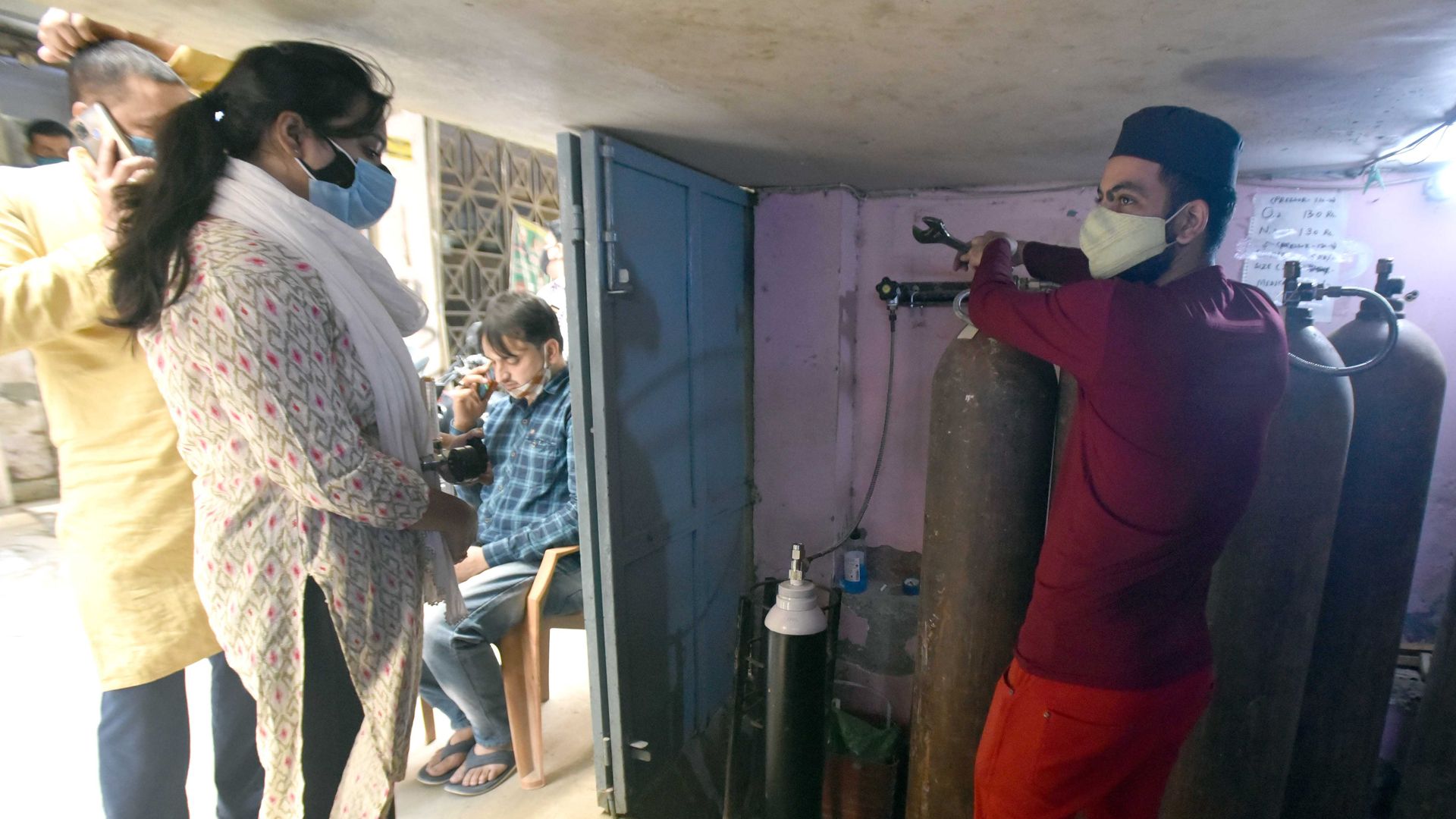
India's health ministry confirmed 314,835 new COVID-19 cases on Thursday, taking the total tally to nearly 16 million infections.
Why it matters: It's the highest number of coronavirus cases reported in a single day anywhere in the world, eclipsing the previous record of 307,581 cases set in the U.S. on Jan. 8, AP notes.
Hawaii will from next month allow residents who've been fully inoculated against COVID-19 to bypass the state's pre-travel tests and quarantine for inter-island flights.
Why it matters: Hawaii is the second U.S. state to launch a "vaccination verification" scheme after New York, AP notes. Many businesses view such "vaccine passports" as key to returning to normal, but some Republican governors have taken steps to block them.