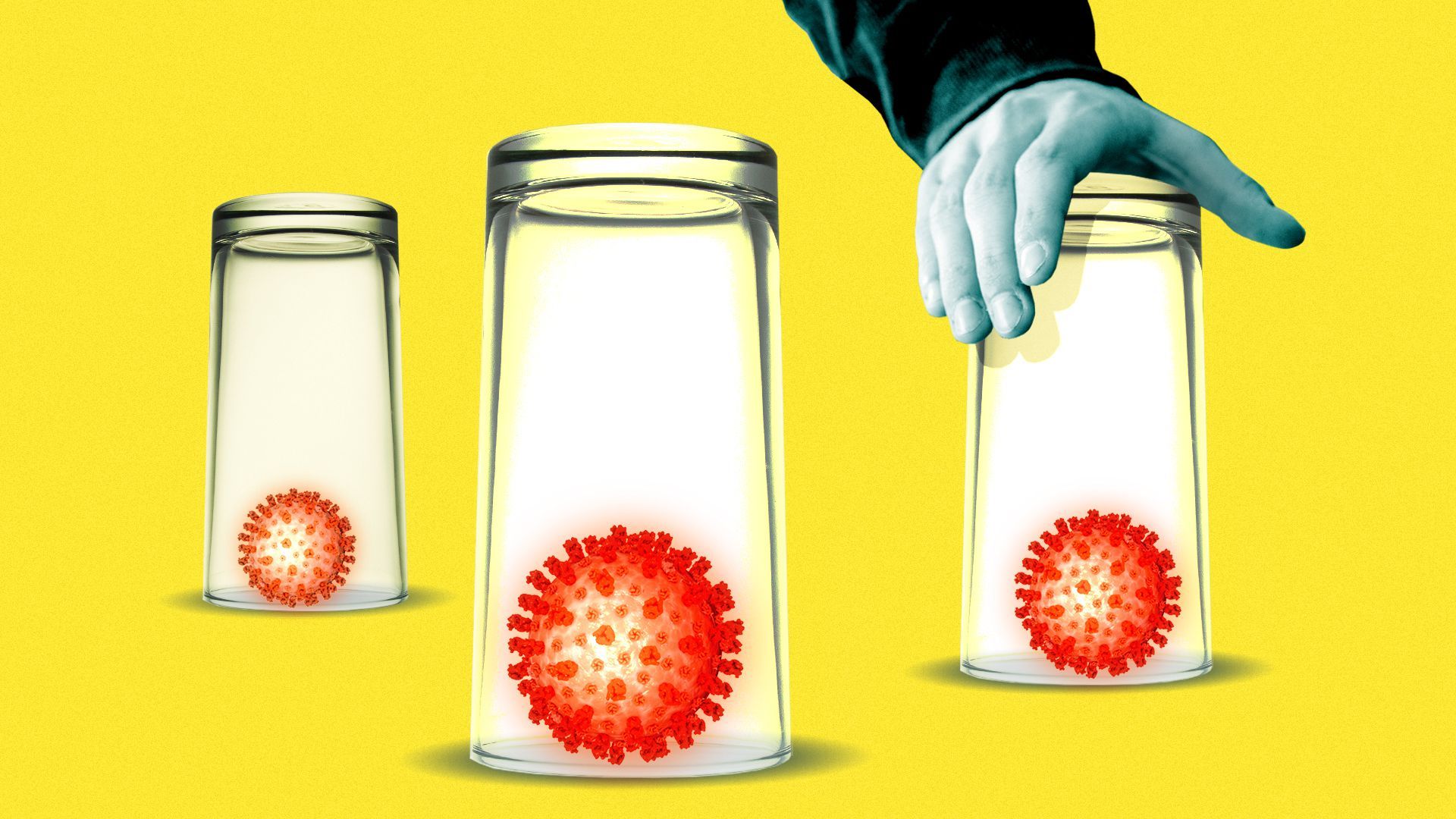
Now that COVID-19 vaccines are bringing hope to fighting the pandemic, there is some concern the U.S. and others will lose interest in improving the tools needed to confront emerging outbreaks.
The big picture: On top of the coronavirus pandemic, there are currently other smaller outbreaks around the globe — some with pandemic potential. These, and the threat of viruses emerging in the future, mean more permanent pandemic preparedness is needed, experts tell Axios.
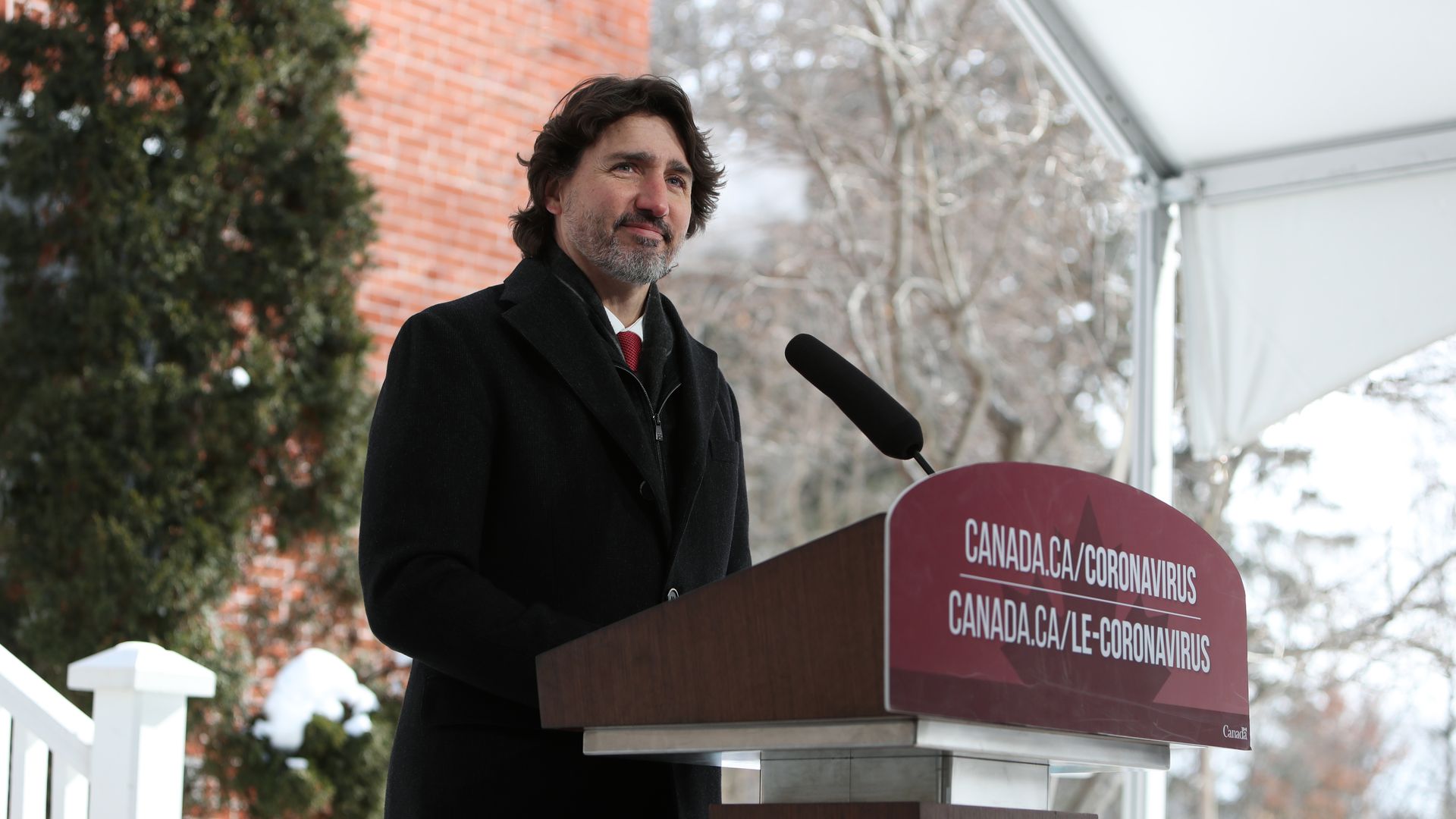
Canada's National Advisory Committee on Immunization (NACI) on Wednesday recommended extending the interval between first and second doses of COVID-19 to up to four months to boost inoculation numbers.
Why it matters: The panel said taking such action would allow about 80% of Canadians over 16 to receive a single dose by the end of June.
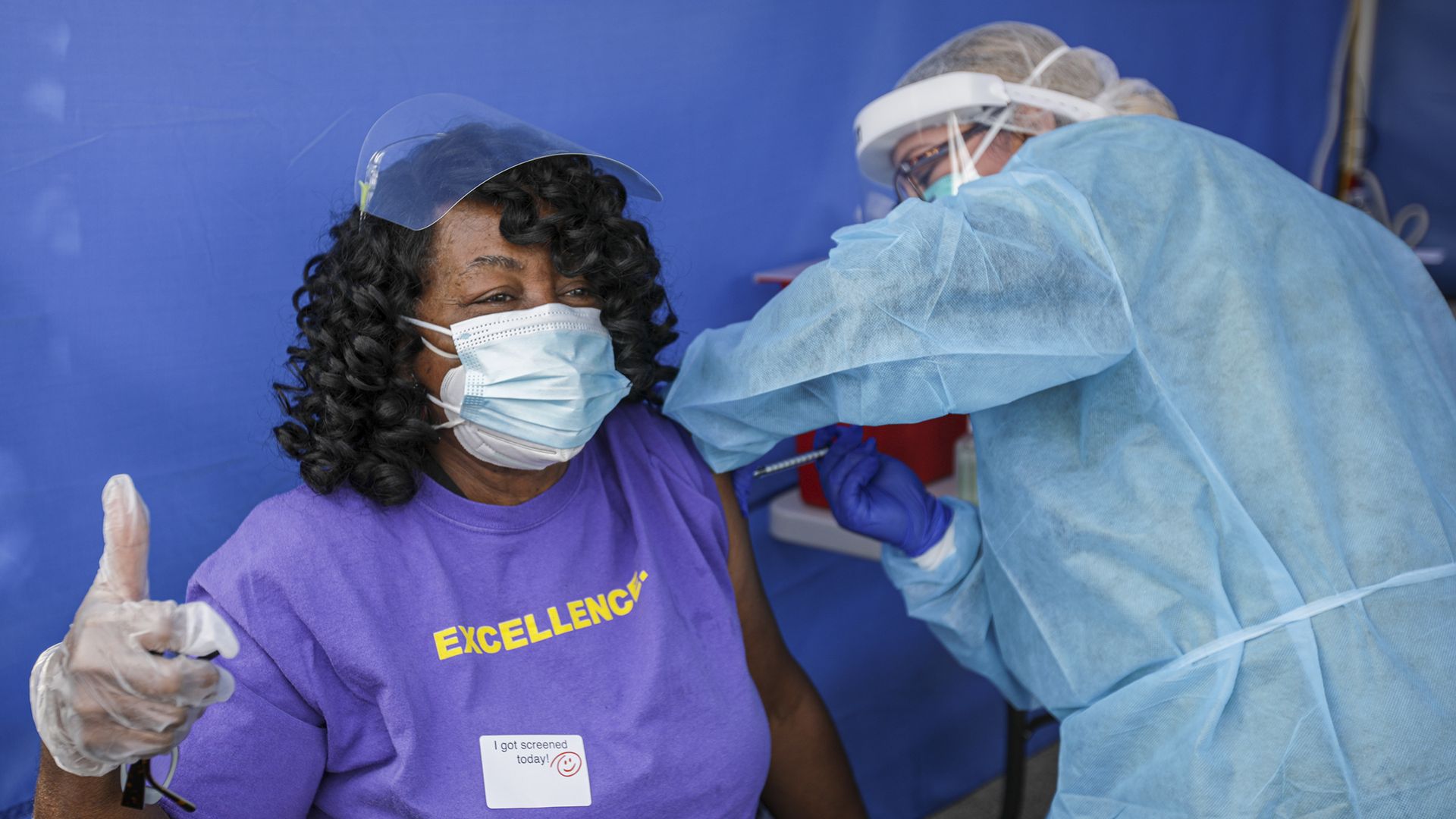
The U.S. has administered 80,540,474 COVID-19 doses as of Wednesday, CDC data shows.
Why it matters: That's 75% of the 107,028,890 doses delivered. It means some 1.9 million more doses have been reported administered since Tuesday, taking the seven-day average to over 2 million a day for the first time, CNN notes. Nearly 53 million people, or 16% of the U.S. population, have had at least one COVID shot and almost 27 million have had two, per the CDC.
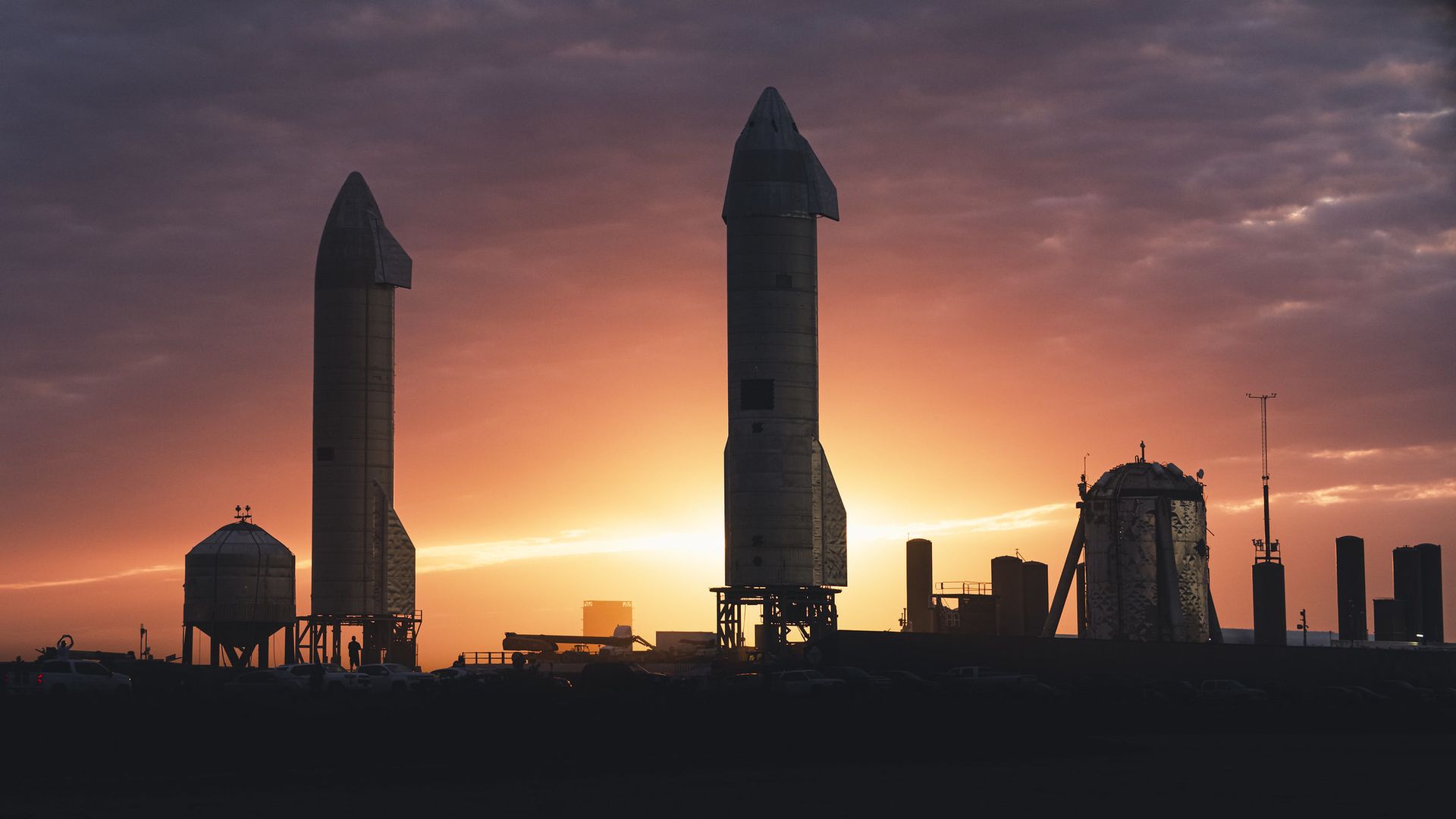
A prototype of a next-generation SpaceX rocket took to the skies above Texas today for a test flight that ended in a successful landing for the rocket before it later exploded on the pad.
Why it matters: SpaceX hopes to one day use its Starship to send people and cargo to places like Mars. These tests are key to proving out the tech needed for those future missions.
The Interior Department rescinded a Trump-era policy that the Biden administration says "improperly restricted" the use of science and data, and ordered a review of its "scientific integrity policies," effective immediately, the acting Interior secretary announced Wednesday.
Why it matters: The action is part of an effort to ensure the Interior Department remains a "leader in scientific integrity." The American public's divided trust in science was deemed a foundational crisis that President Biden would need to address to tackle other challenges awaiting him on Day 1 of his presidency, including the pandemic and climate change.
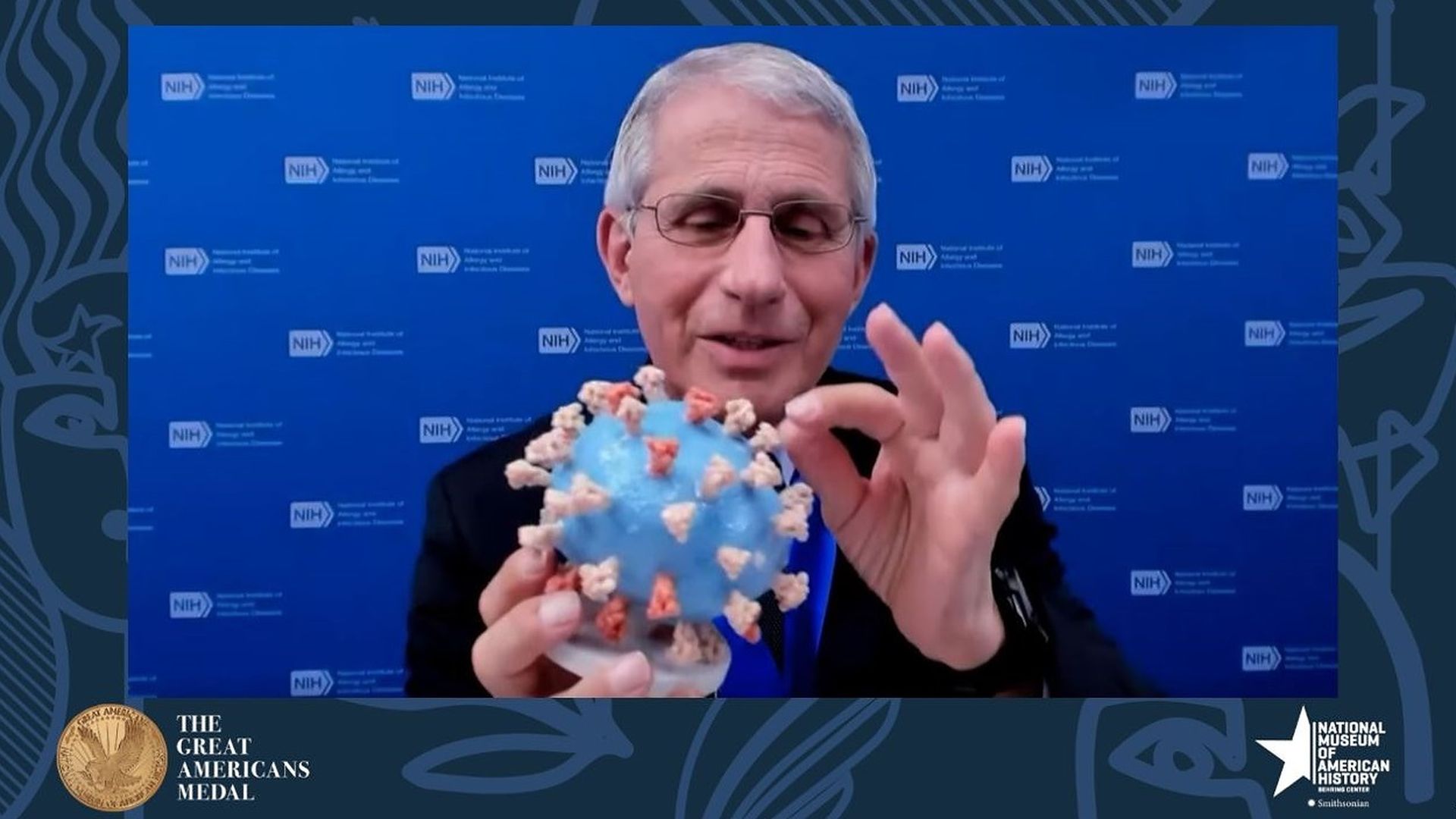
NIAID director Anthony Fauci gave the Smithsonian's National Museum of American History his personal COVID-19 model Tuesday, as he was honored with the institution's Great Americans Medal.
The big picture: Fauci virtually presented the educational tool, made with a 3D printer, to museum director Anthea Hartig. She praised him in a statement for his "humanitarianism" and "dedication," helping to "save millions of lives" and advance the treatment and understanding of infectious and immunologic diseases. Fauci said in a video the medal was a "humbling honor."