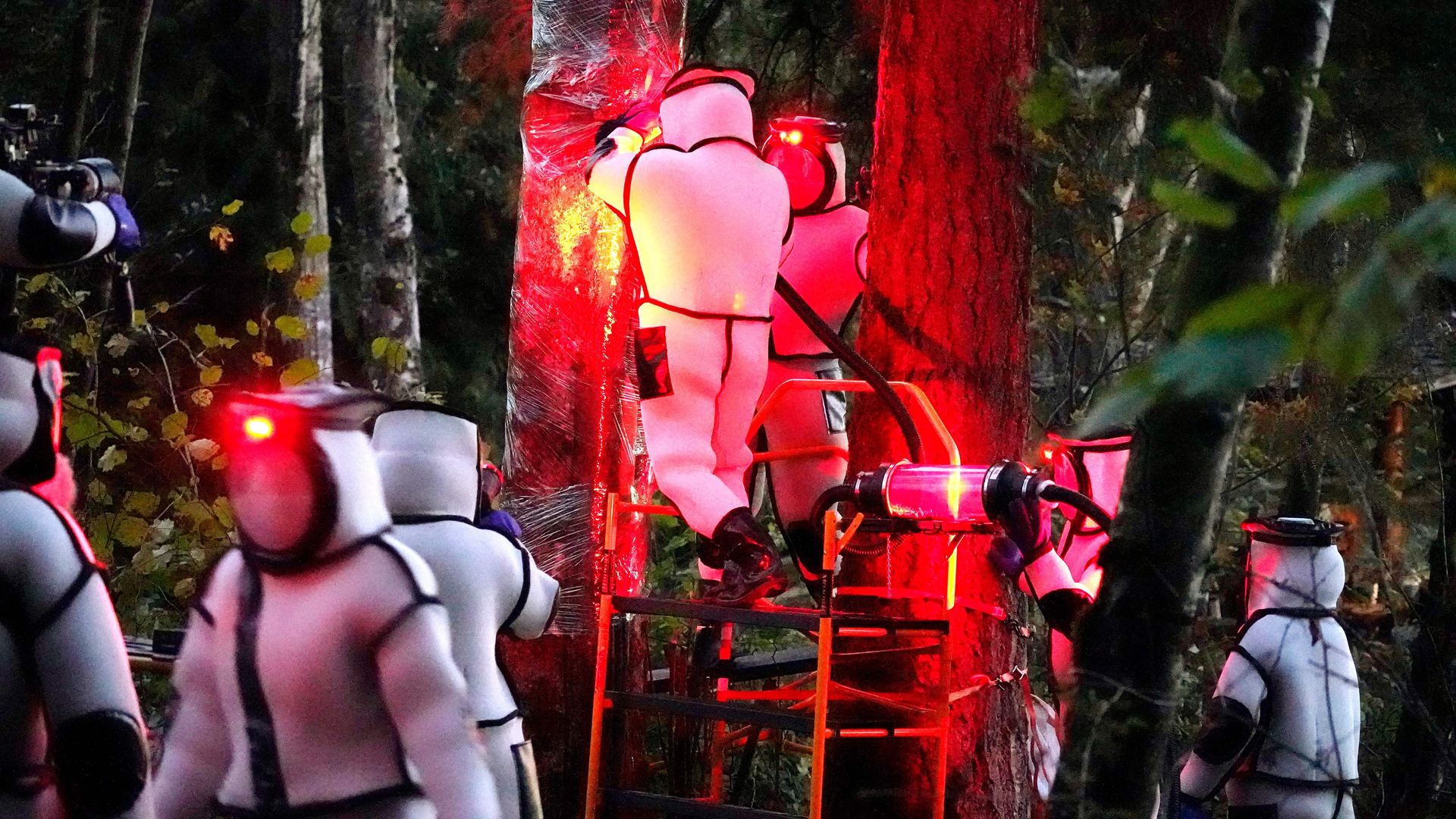
Heavily protected crews on Saturday dismantled the first Asian giant hornet nest found in the U.S., the Washington State Department of Agriculture (WSDA) confirmed in a statement declaring: "Got 'em."
The big picture: The invasive species commonly referred to as the "murder hornet," typically doesn't harm humans unless provoked, though it has been known to kill people in Japan. The insect poses a major threat to local honeybee populations. But the WSDA said in a statement that the nest removal "appears to have been successful."
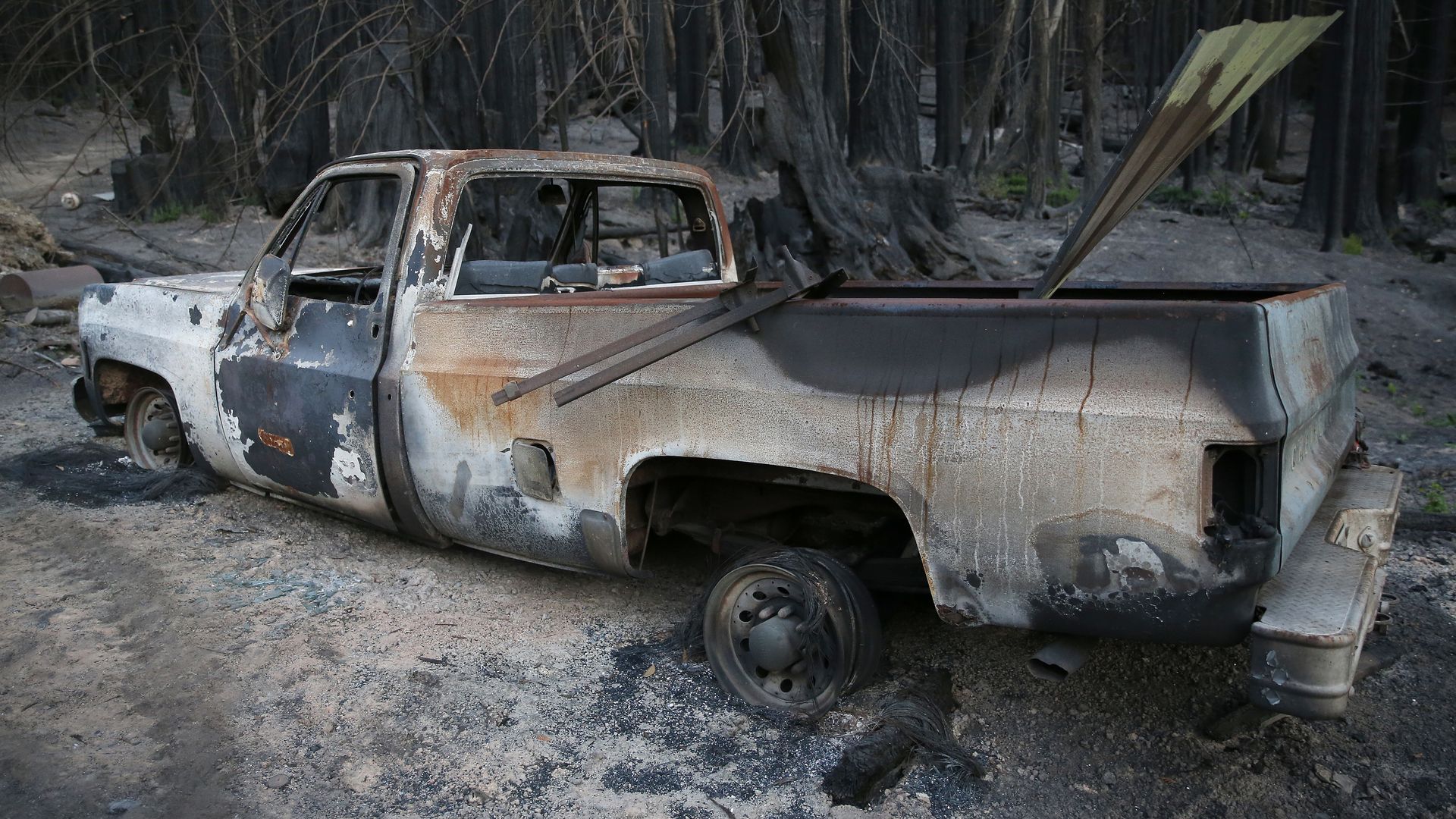
The National Weather Service issued a "Red Flag" alert for much of Northern California Sunday through Monday, warning that damaging winds and low humidity will create "extreme fire weather conditions."
Why it matters: Authorities fear the expected weather conditions will bring more devastating fires to the state, which is already experiencing a record fire year, with more than 8,600 fires burning over 4.1 million acres and killing at least 31 people, per Cal Fire.
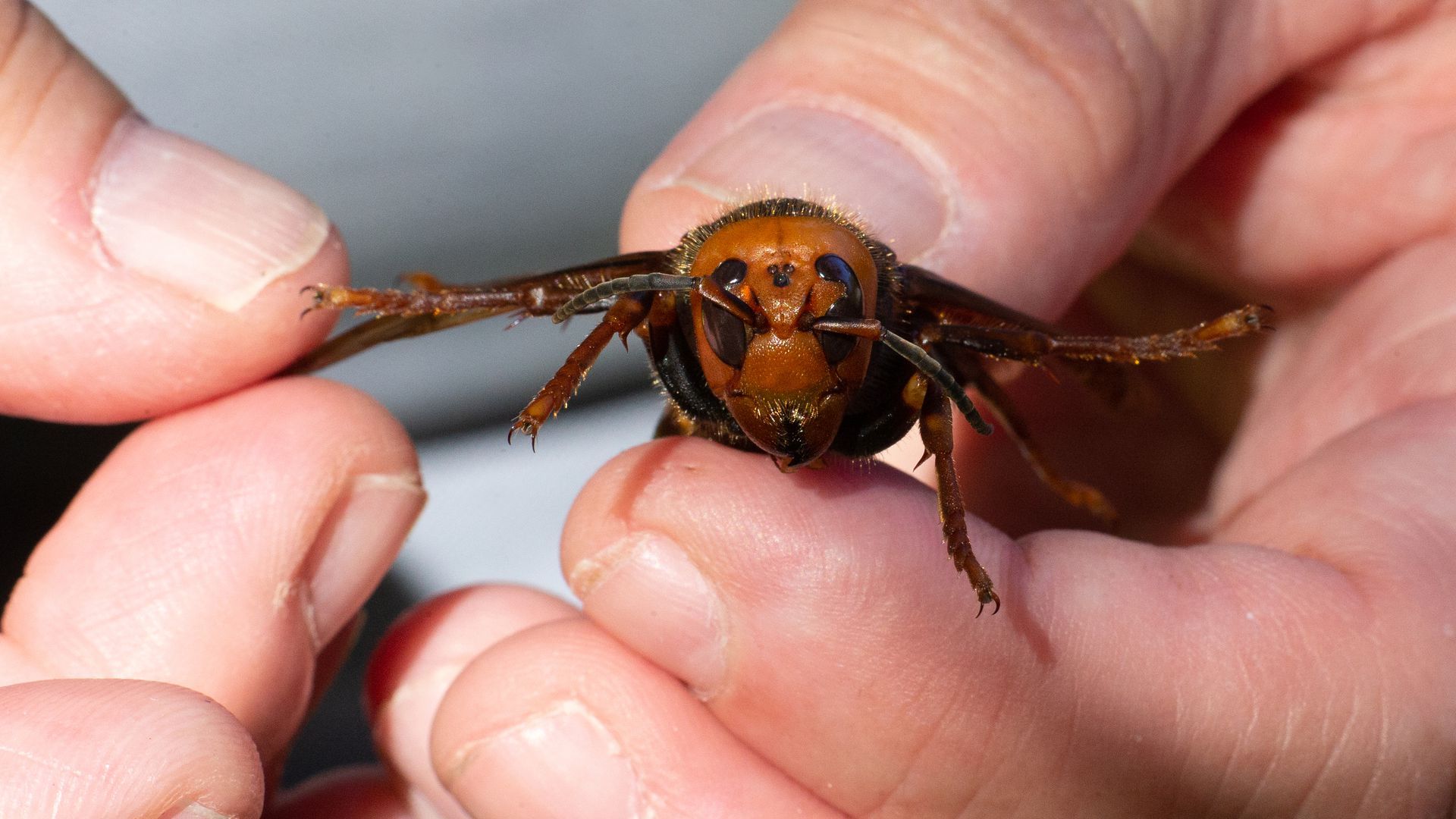
Entomologists in Washington state on Thursday discovered the first Asian giant hornet nest in the U.S.
Why it matters: You may know this insect species by its nom de guerre: "the murder hornet." While the threat they pose to humans has been overstated, the invading hornets could decimate local honeybee populations if they establish themselves.
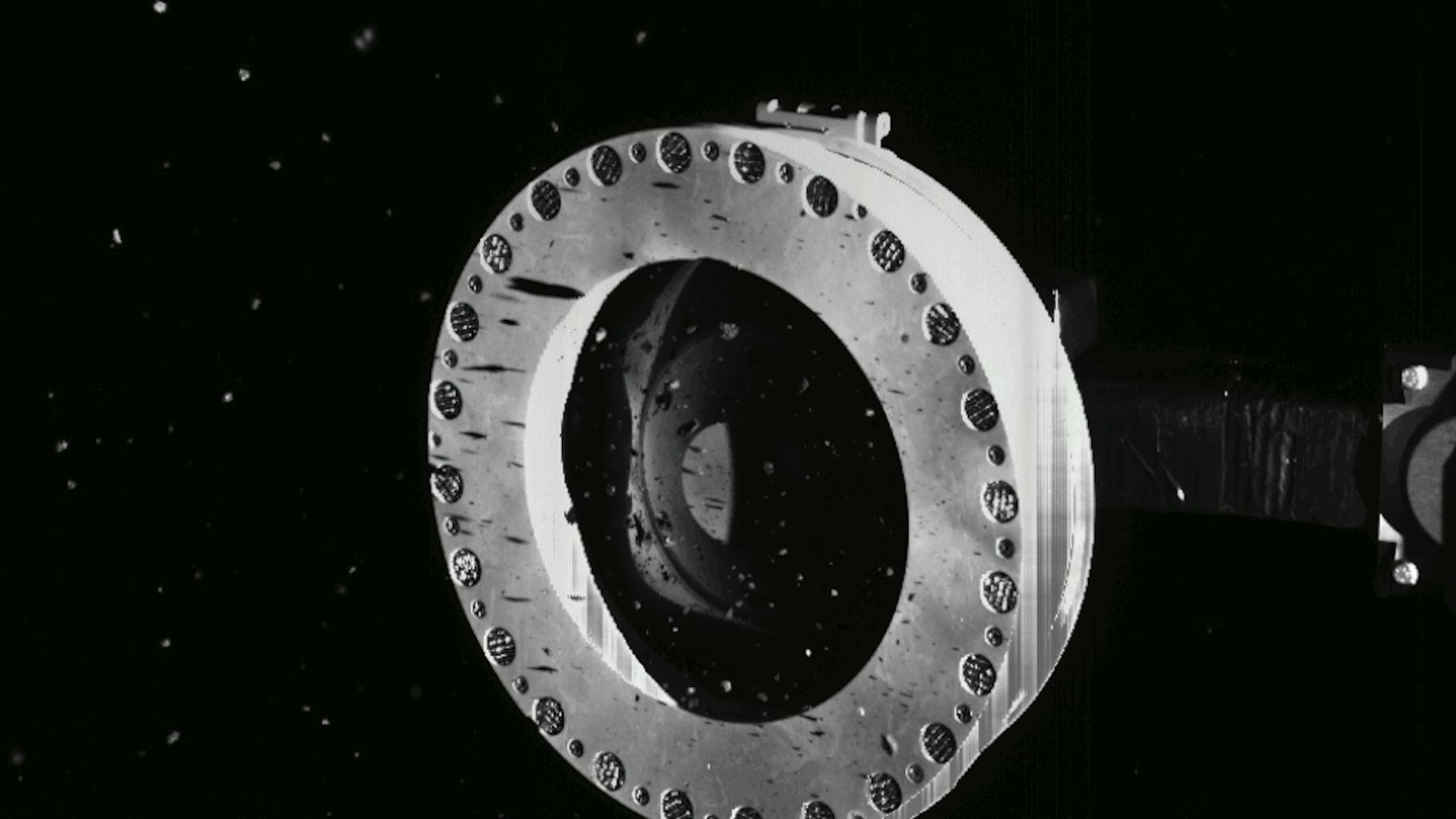
NASA's OSIRIS-REx spacecraft was able to snag a large sample of the asteroid Bennu, but some of that material is now escaping into space, forcing the space agency to adjust its plans to get the sample back to Earth.
Why it matters: Scientists hope to study the sample back on our planet to learn more about the history and evolution of our solar system over the course of billions of years.