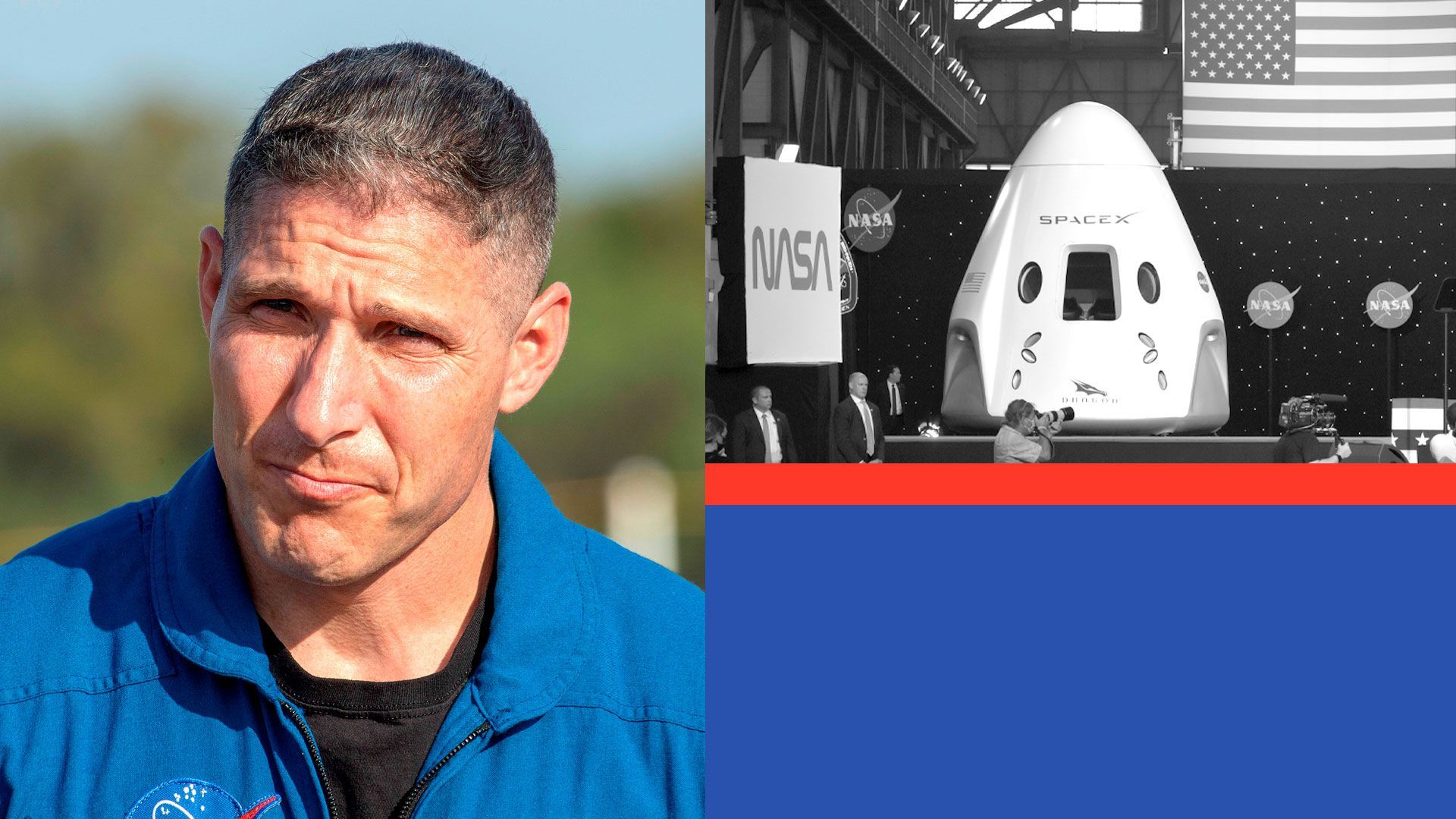
NASA astronaut Mike Hopkins is slated to head back to the International Space Station next month for his first flight to orbit since 2013.
Why it matters: Hopkins will command the SpaceX Crew Dragon spacecraft that will take him and three other crewmembers — NASA's Shannon Walker and Victor Glover and Japanese astronaut Soichi Noguchi — to the station as part of the capsule's first crewed, non-test flight to orbit.
Joe Biden hasn't gone out of his way to talk about outer space during his presidential campaign. That could be bad news for NASA's exploration ambitions, but good news for the Space Force.
The big picture: NASA faces two threats with any new administration: policy whiplash and budget cuts. In a potential Biden administration, the space agency could get to stay the course on the policy front, while competing with other priorities on the spending side.
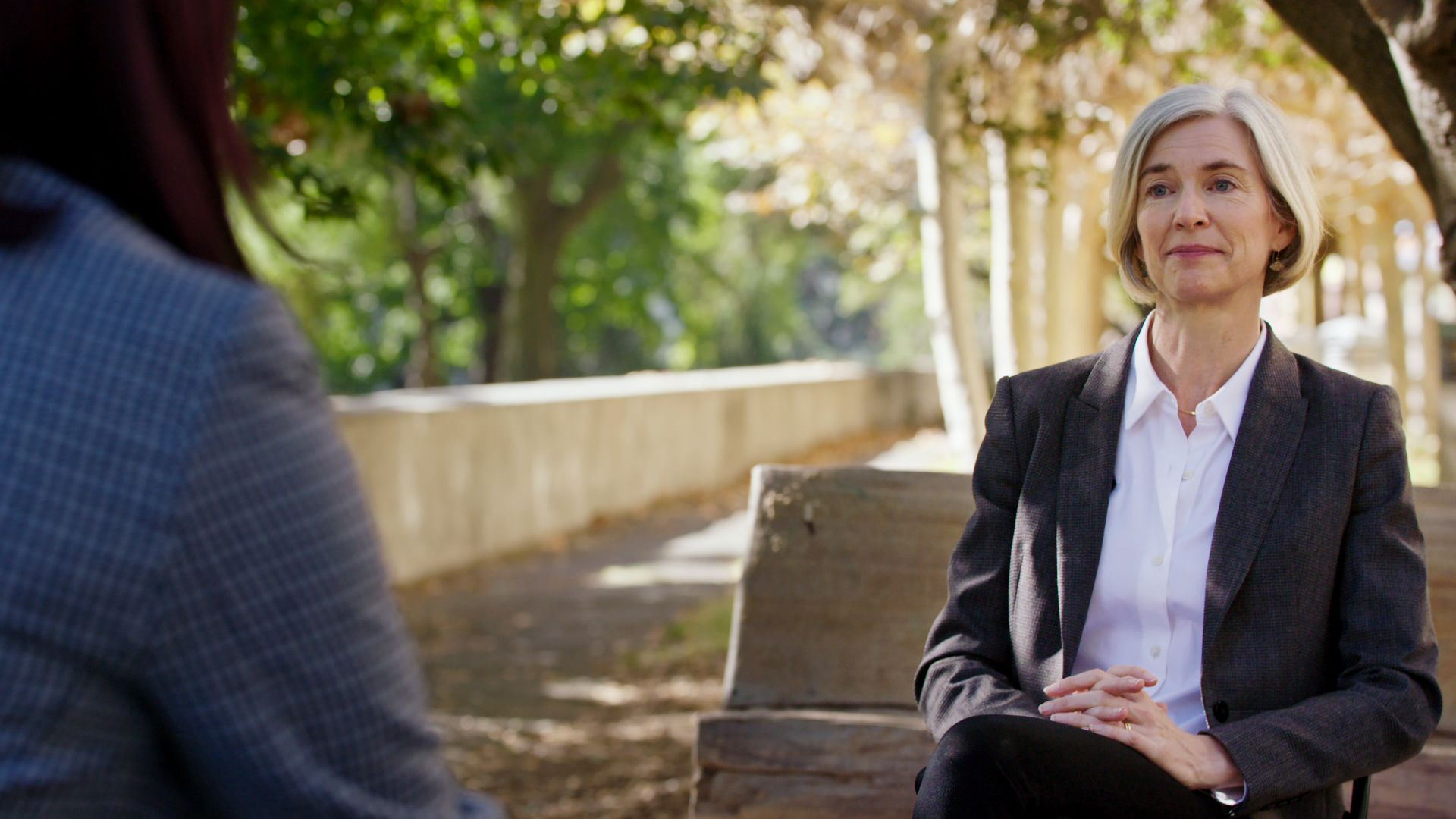
In her three decades in science, Jennifer Doudna said she has seen a gradual erosion of trust in the profession, but the recent Nobel Prize winner told "Axios on HBO" that the institution itself has been under assault from the current administration.
"I think science is on the ballot," Doudna said in the interview.
Why it matters: That has manifested itself in everything from how the federal government approaches climate change to the pandemic.
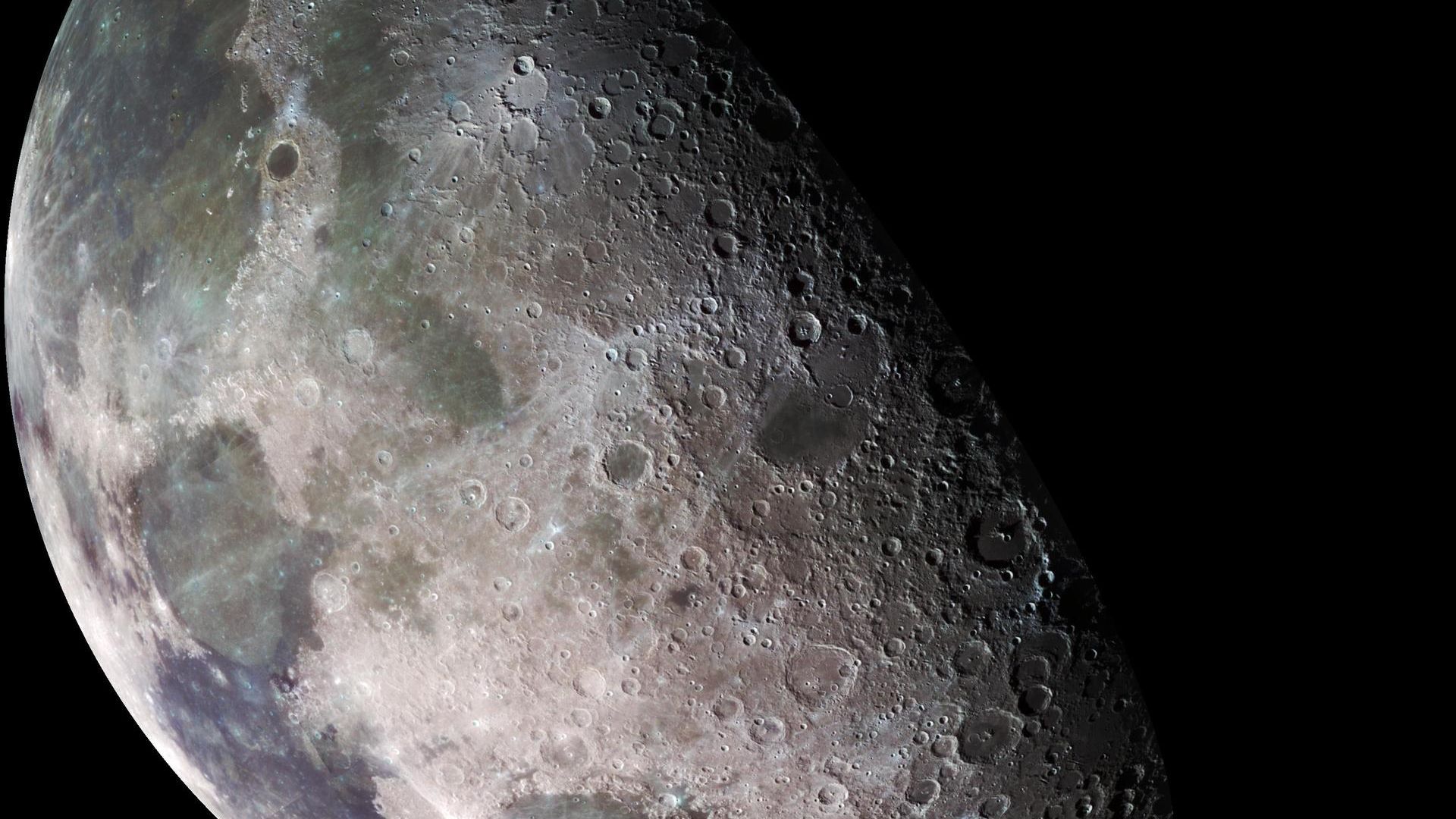
Water on the Moon might be more easily accessible than previously thought, opening up new possible avenues for future human exploration, according to a new study.
Why it matters: NASA is aiming to send people back to the Moon as part of its Artemis program by 2024, with plans to eventually create a sustainable presence on the lunar surface. That sustainability relies on mining the moon for its resources, like water.