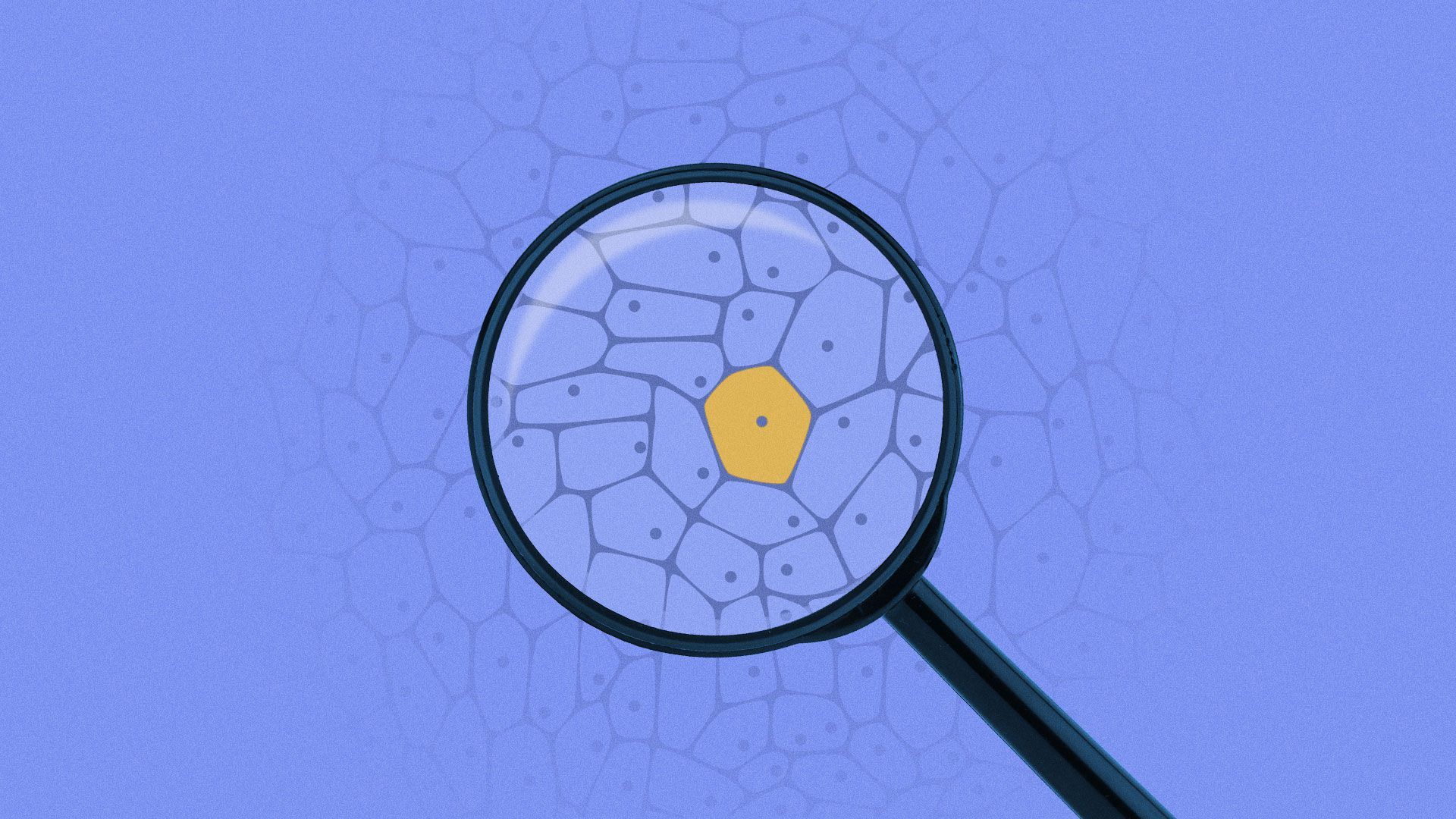
Severe cases of COVID-19 are increasingly being tied to inflammation, a complex immune process researchers are trying to decipher by studying the cells involved.
Why it matters: Pinpointing the cells in the body's immune response would help speed the development of treatments and vaccines. It also offers insights into inflammation, which underlies diseases ranging from cancer to arthritis to heart disease.
Scientists, students, professors and researchers paused their work Wednesday to highlight the racism faced by black people in academia.
The big picture: Discrimination, racism and a lack of diversity within STEM fields have been documented for years. There has been some progress, but it remains a problem: 76% of college faculty members were white in 2017.
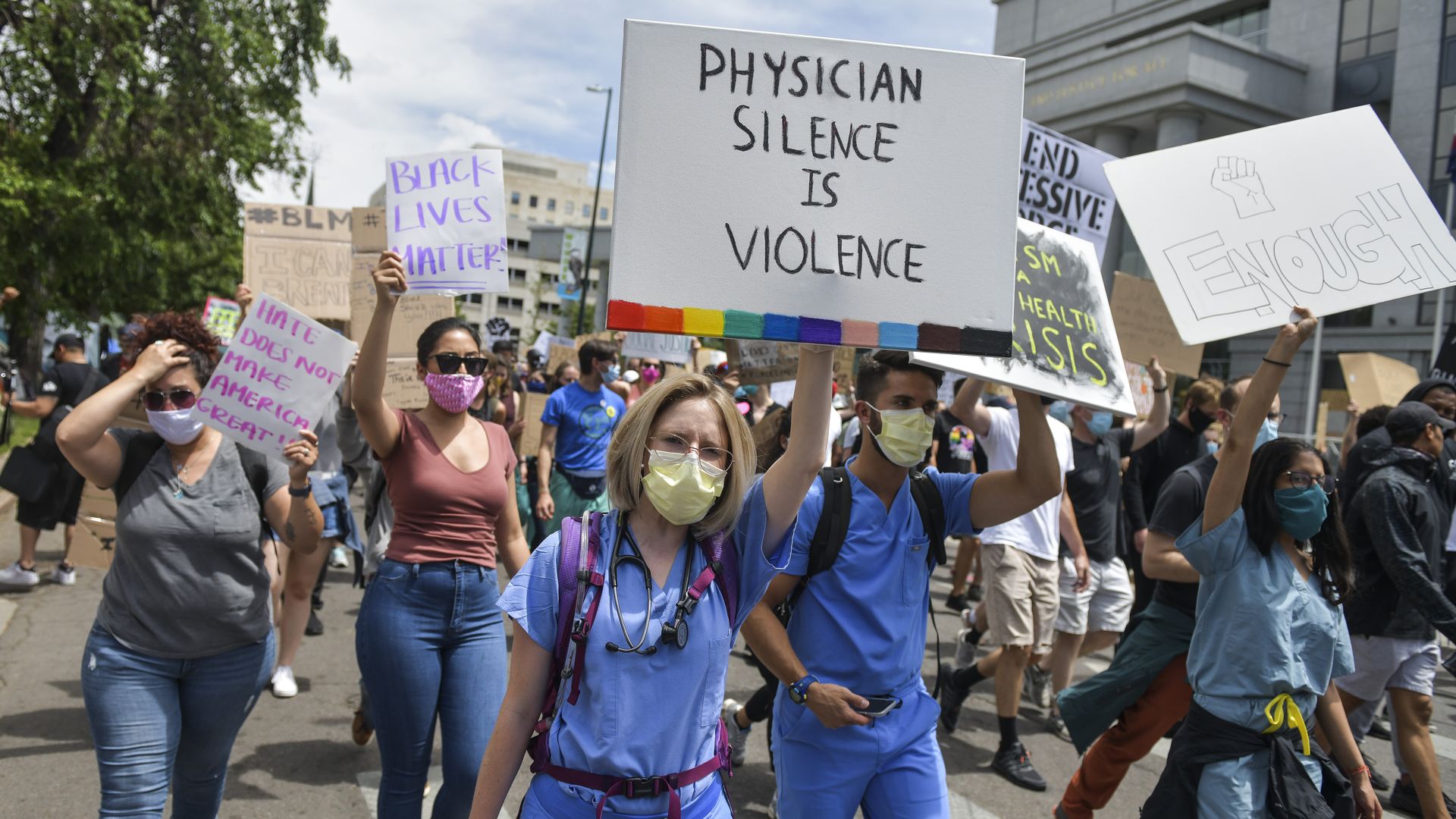
When protests broke out against the coronavirus lockdown, many public health experts were quick to warn about spreading the virus. When protests broke out after George Floyd's death, some of the same experts embraced the protests. That's led to charges of double standards among scientists.
Why it matters: Scientists who are seen as changing recommendations based on political and social priorities, however important, risk losing public trust. That could cause people to disregard their advice should the pandemic require stricter lockdown policies.
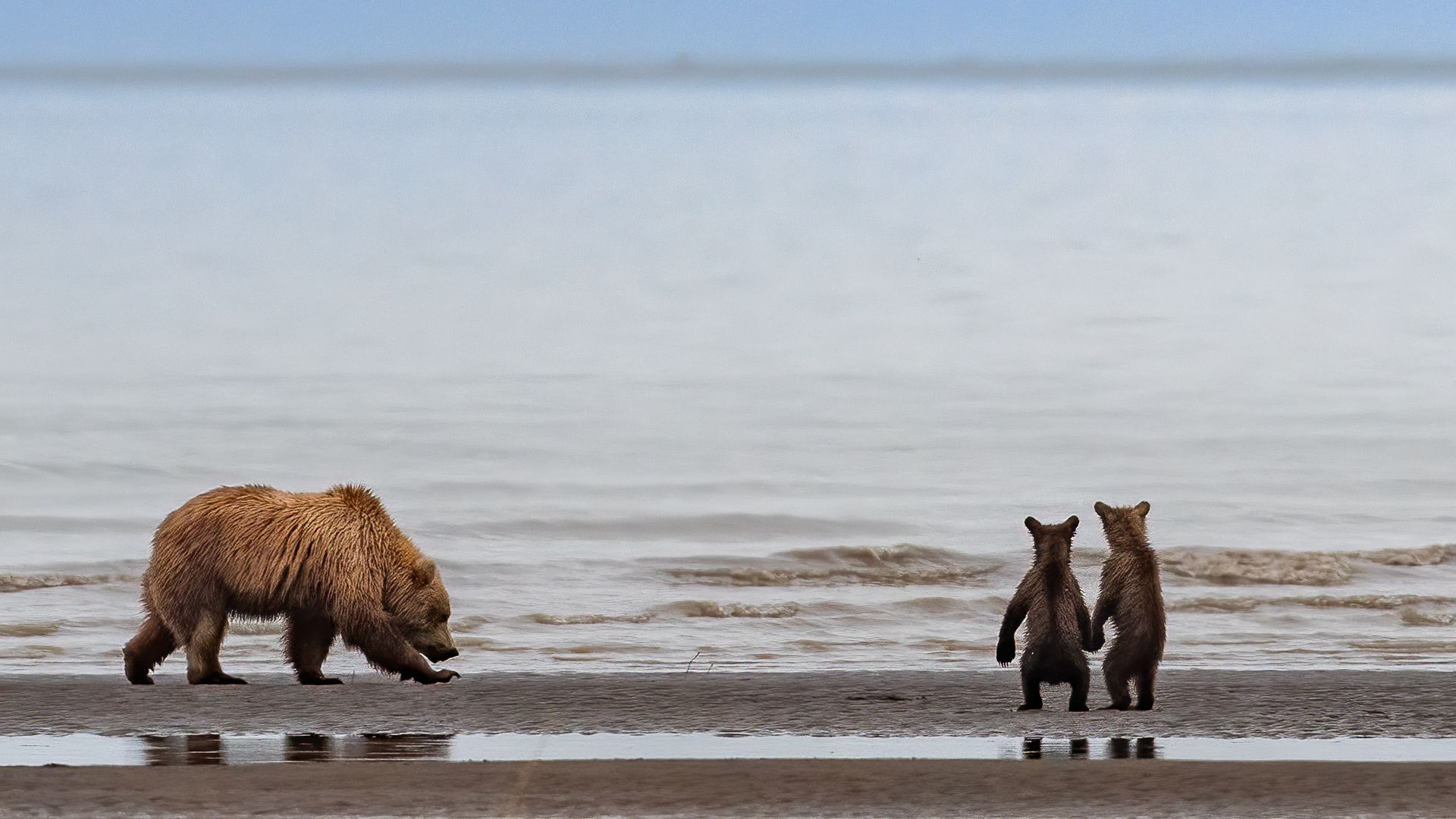
The National Park Service published new rules on Tuesday that will enable the resumption of hunting and trapping methods including baiting bear traps, killing grizzly bear cubs and wolf pups in Alaska's national preserves.
The big picture: The new policy reverses Obama administration regulations. Wildlife welfare groups have called the hunting practices that will be permitted starting July 9 "cruel." Hunting advocates and Alaskan state leaders criticized the Obama-era ban for eroding state's rights and encroaching on their livelihoods, the New York Times notes. Tribal groups opposed the previous rules for threatening "long sustainable management practices" and have welcomed the Trump administration's changes.