When protests broke out against the coronavirus lockdown, many public health experts were quick to warn about spreading the virus. When protests broke out after George Floyd's death, some of the same experts embraced the protests. That's led to charges of double standards among scientists.
Why it matters: Scientists who are seen as changing recommendations based on political and social priorities, however important, risk losing public trust. That could cause people to disregard their advice should the pandemic require stricter lockdown policies.
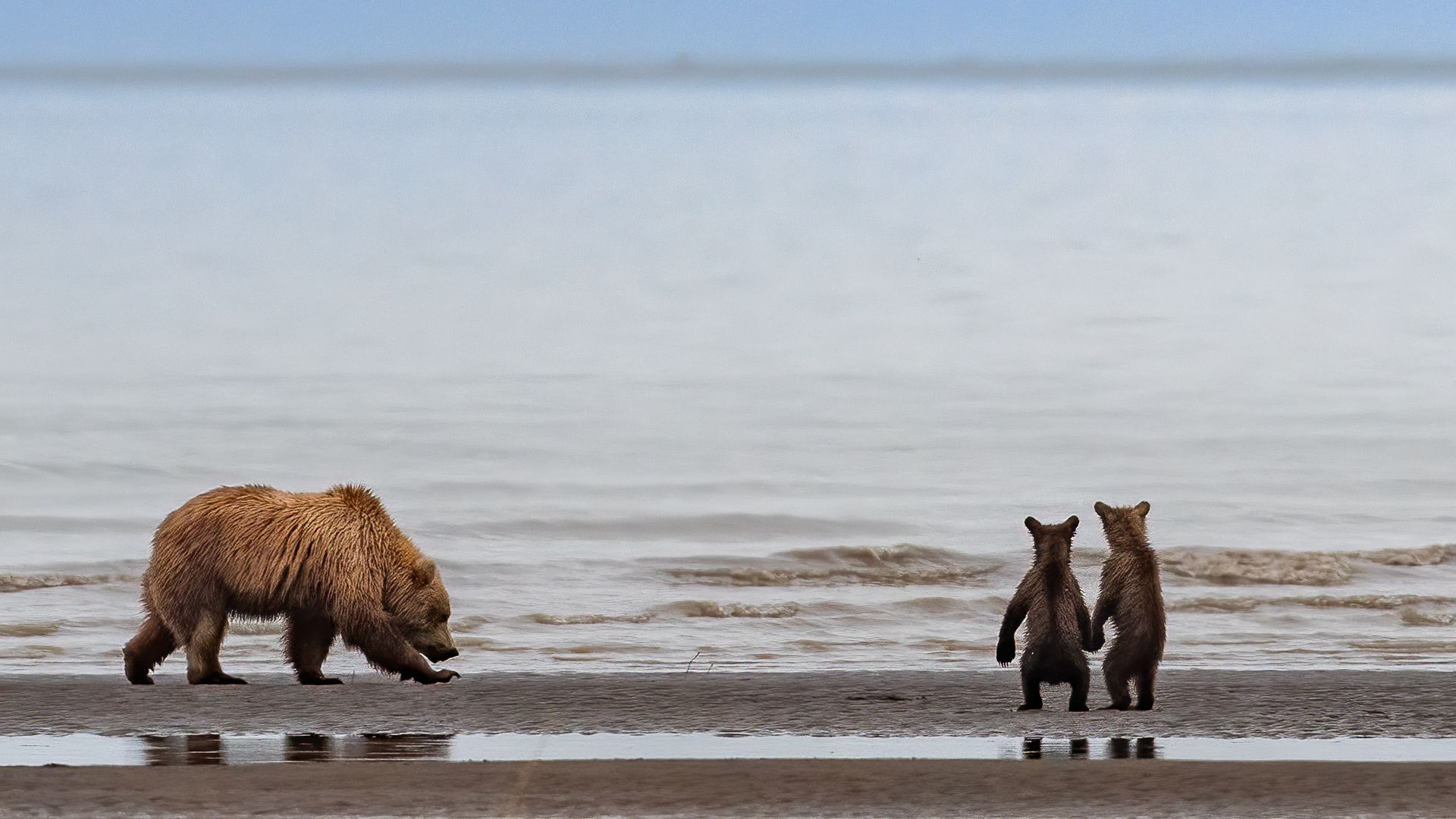
The National Park Service published new rules on Tuesday that will enable the resumption of hunting and trapping methods including baiting bear traps, killing grizzly bear cubs and wolf pups in Alaska's national preserves.
The big picture: The new policy reverses Obama administration regulations. Wildlife welfare groups have called the hunting practices that will be permitted starting July 9 "cruel." Hunting advocates and Alaskan state leaders criticized the Obama-era ban for eroding state's rights and encroaching on their livelihoods, the New York Times notes. Tribal groups opposed the previous rules for threatening "long sustainable management practices" and have welcomed the Trump administration's changes.
Planet, a company that operates more than 100 small imagery satellites in orbit, is rolling out plans to bring its trove of data to new customers across industry and government.
Why it matters: Satellite operators are now able to beam back huge amounts of data from orbit each day, but that hasn't necessarily translated into big rewards and commercial success.
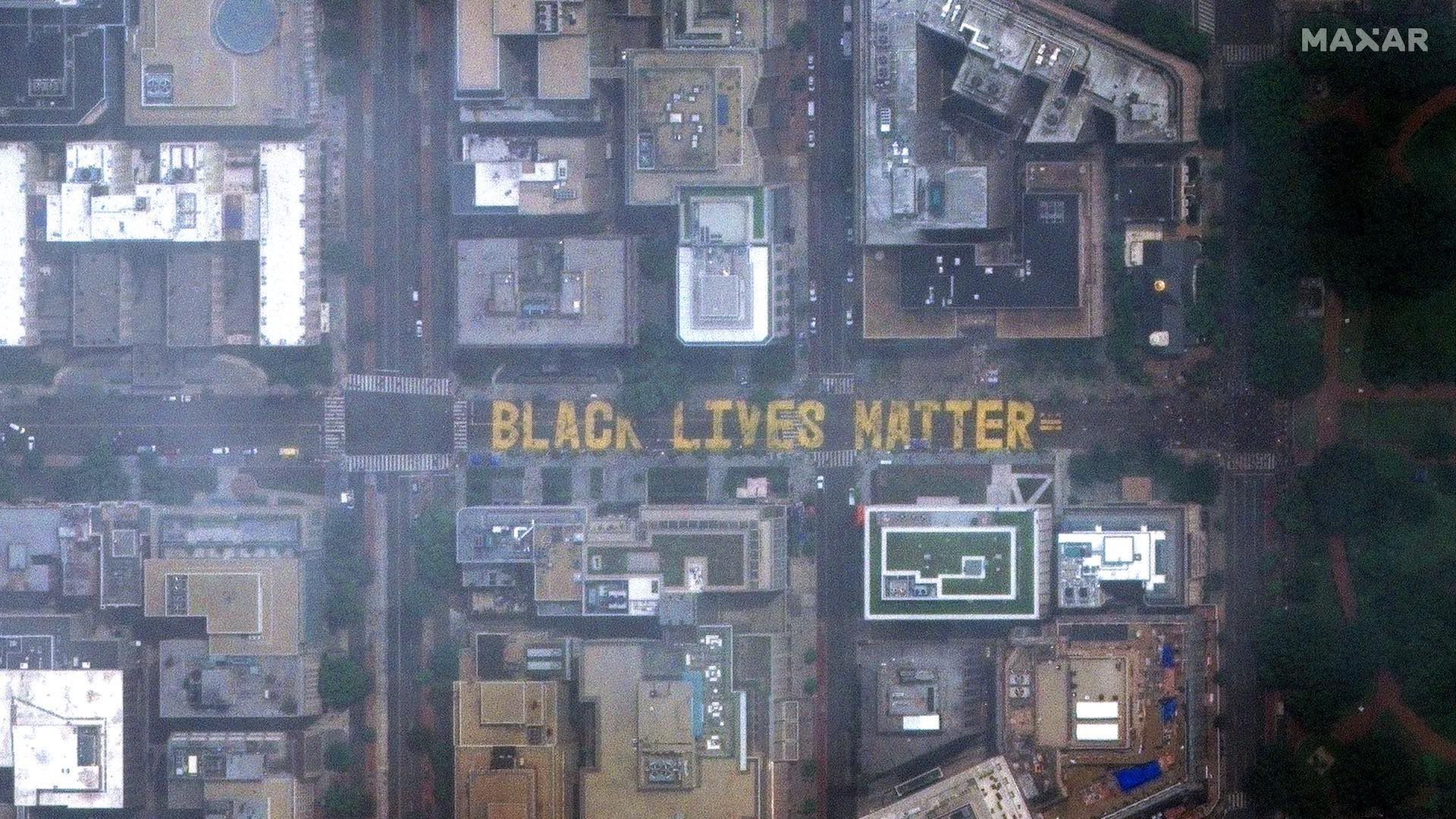
As protests against police brutality and violence erupted around the world, space companies have spoken out in support of those taking to the streets.
Why it matters: These statements suggest that the industry at large is trying to engage with what's happening on the ground and how it affects its employees.
The coronavirus and agency shakeups are making NASA's goal of landing people back on the Moon in 2024 seem less likely.
Why it matters: The Trump administration has hung its hat on the Artemis Moon program as its defining space policy, with the goal of accomplishing the first crewed landing before the end of President Trump's second term — if he is re-elected.
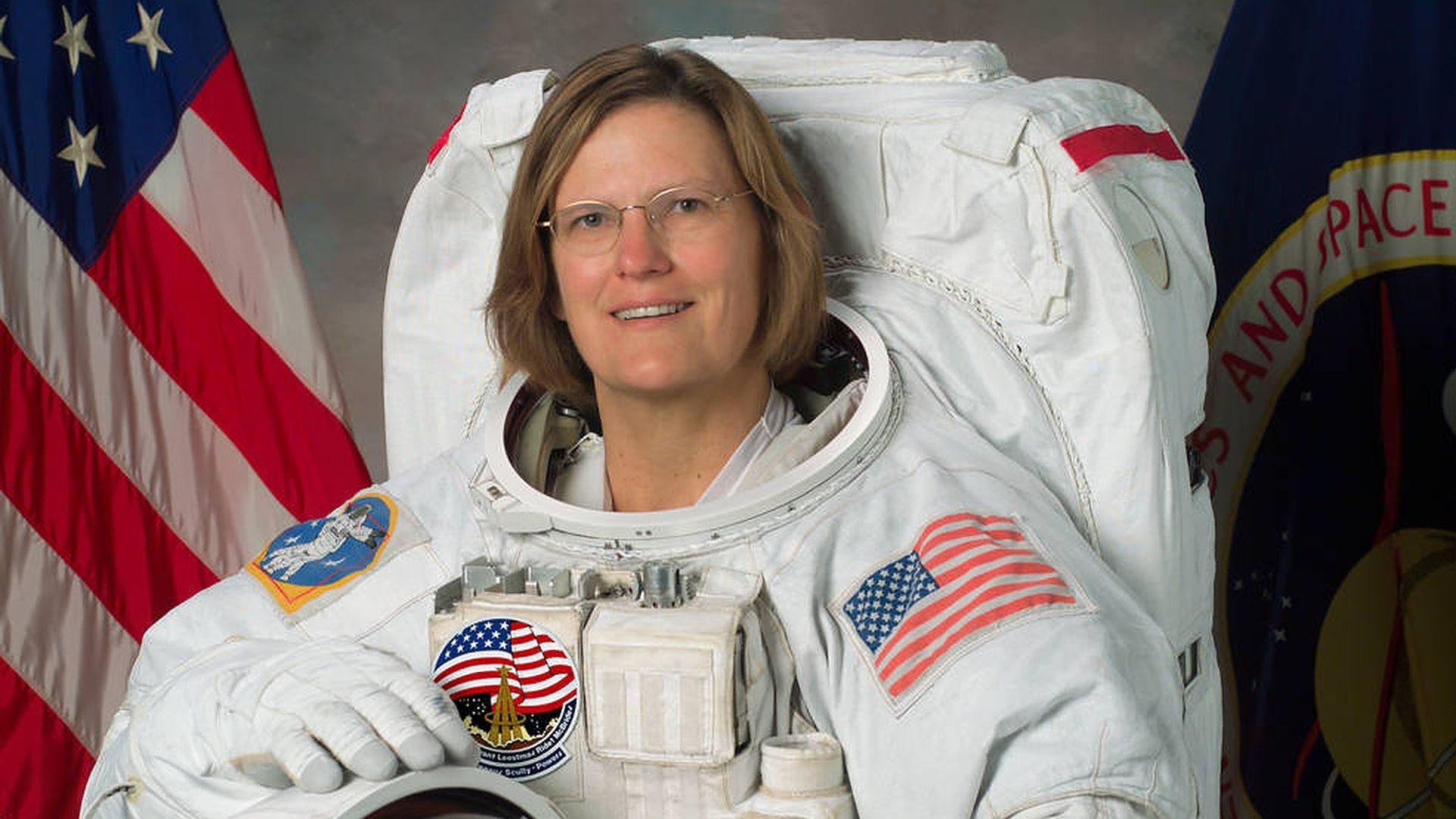
Kathy Sullivan has become the first woman in the world to reach the lowest point on Earth, the Challenger Deep.
Why it matters: The 68-year-old former NASA astronaut and oceanographer became in 1984 the first American woman to walk in space. Now she's "the first human to have been in space and at full ocean depth," said EYOS Expeditions, a firm coordinating the mission' logistics, in a statement on Monday.