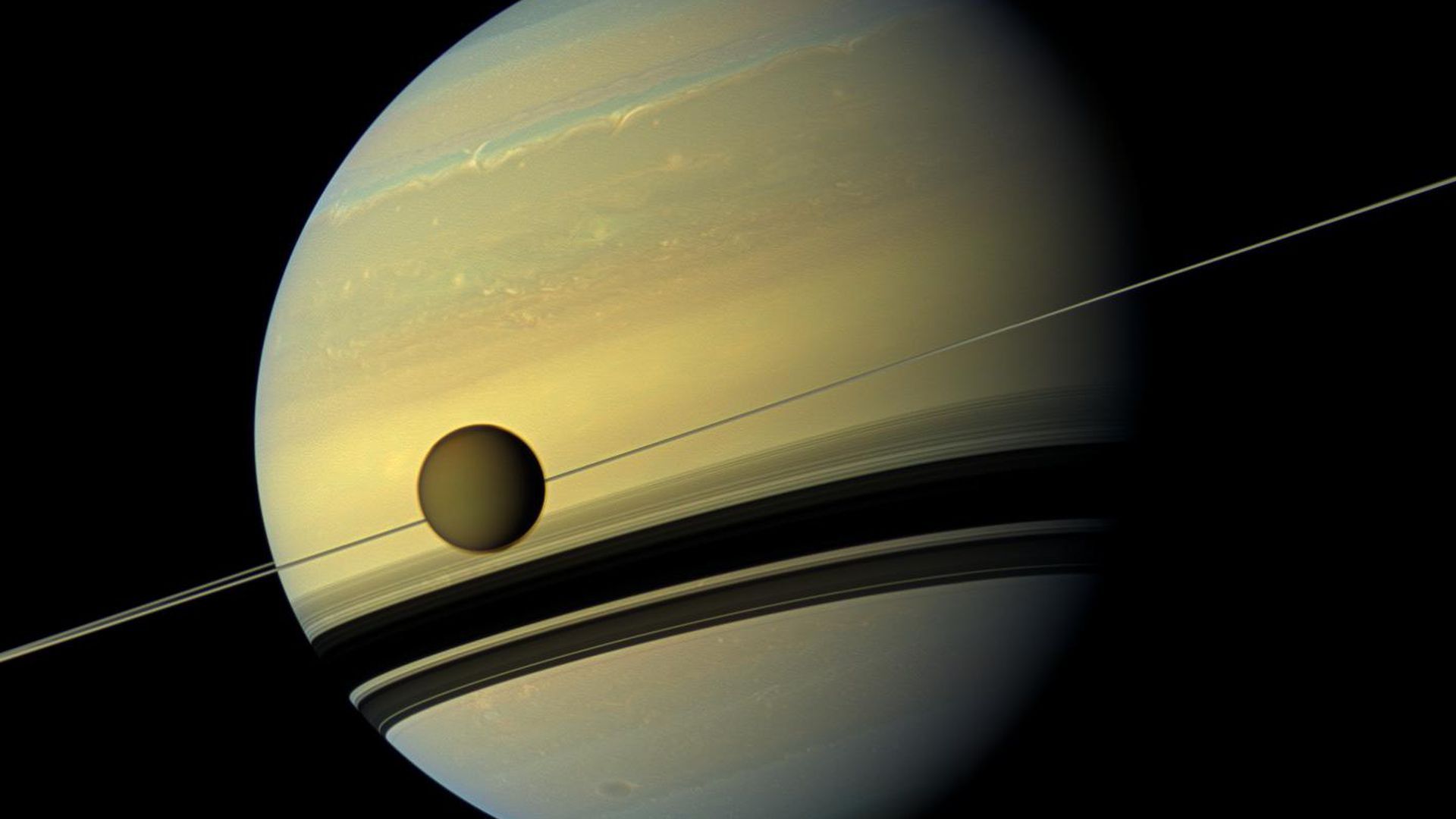
Planet, a company that operates more than 100 small imagery satellites in orbit, is rolling out plans to bring its trove of data to new customers across industry and government.
Why it matters: Satellite operators are now able to beam back huge amounts of data from orbit each day, but that hasn't necessarily translated into big rewards and commercial success.
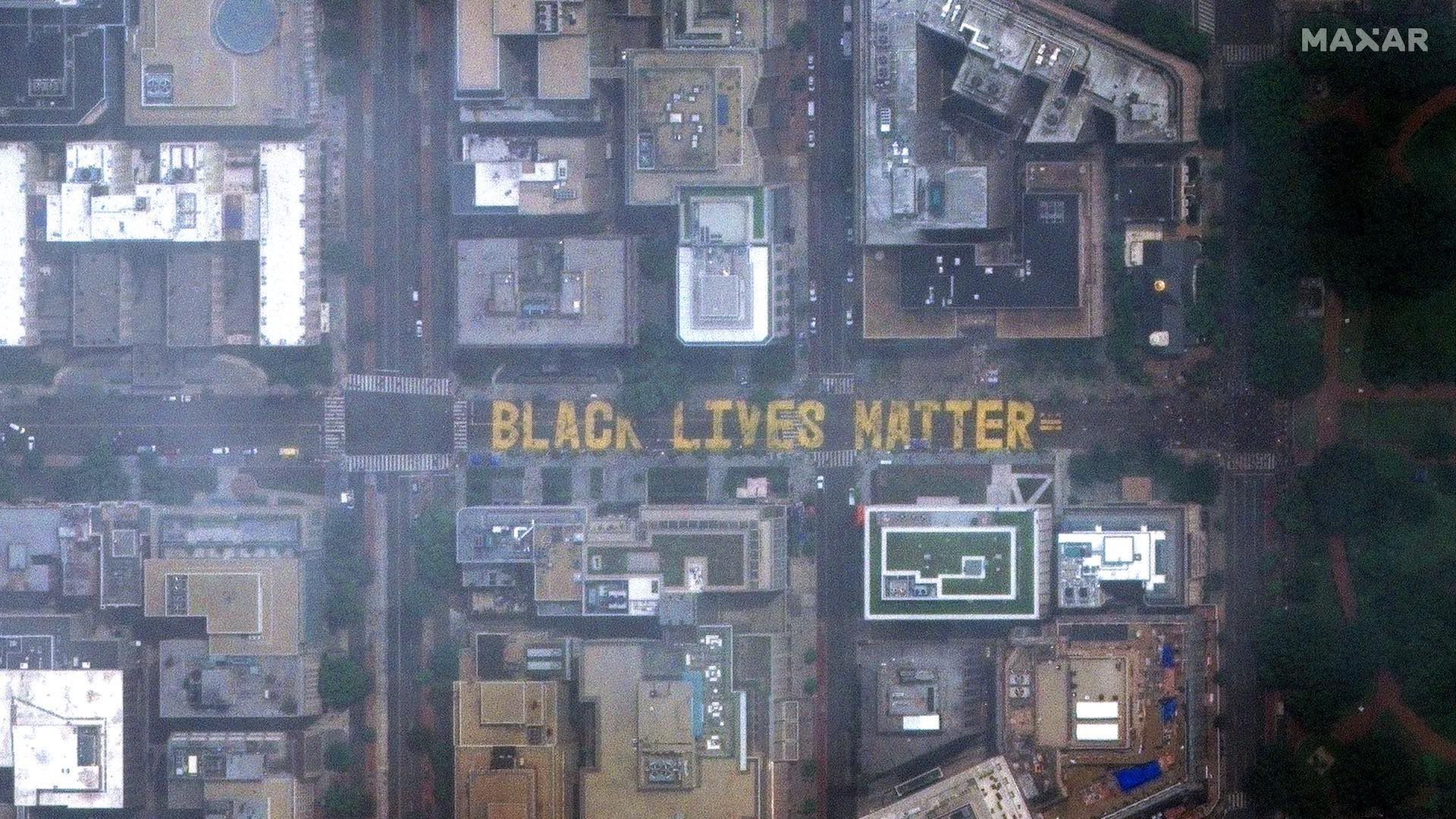
As protests against police brutality and violence erupted around the world, space companies have spoken out in support of those taking to the streets.
Why it matters: These statements suggest that the industry at large is trying to engage with what's happening on the ground and how it affects its employees.
The coronavirus and agency shakeups are making NASA's goal of landing people back on the Moon in 2024 seem less likely.
Why it matters: The Trump administration has hung its hat on the Artemis Moon program as its defining space policy, with the goal of accomplishing the first crewed landing before the end of President Trump's second term — if he is re-elected.
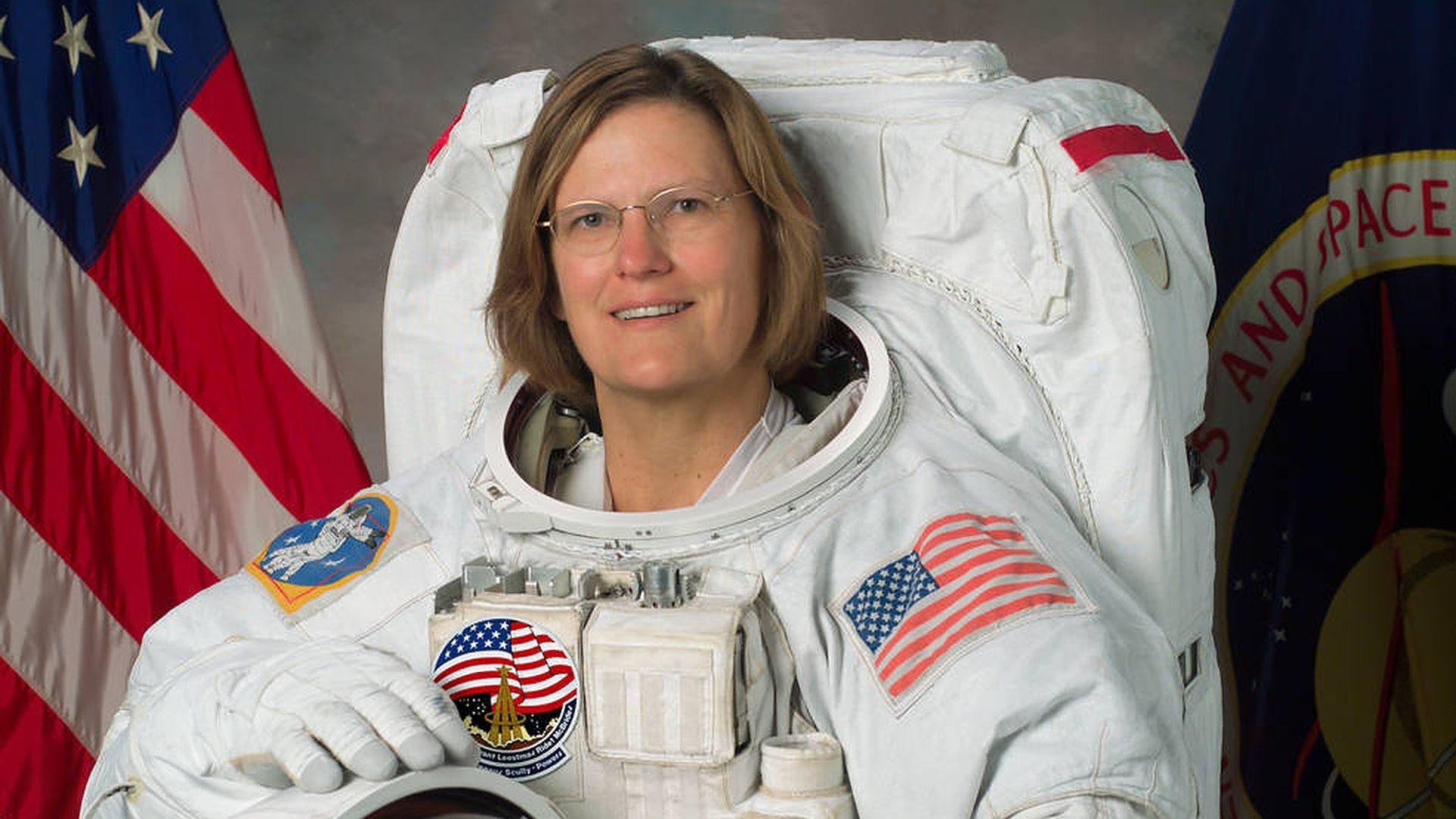
Kathy Sullivan has become the first woman in the world to reach the lowest point on Earth, the Challenger Deep.
Why it matters: The 68-year-old former NASA astronaut and oceanographer became in 1984 the first American woman to walk in space. Now she's "the first human to have been in space and at full ocean depth," said EYOS Expeditions, a firm coordinating the mission' logistics, in a statement on Monday.
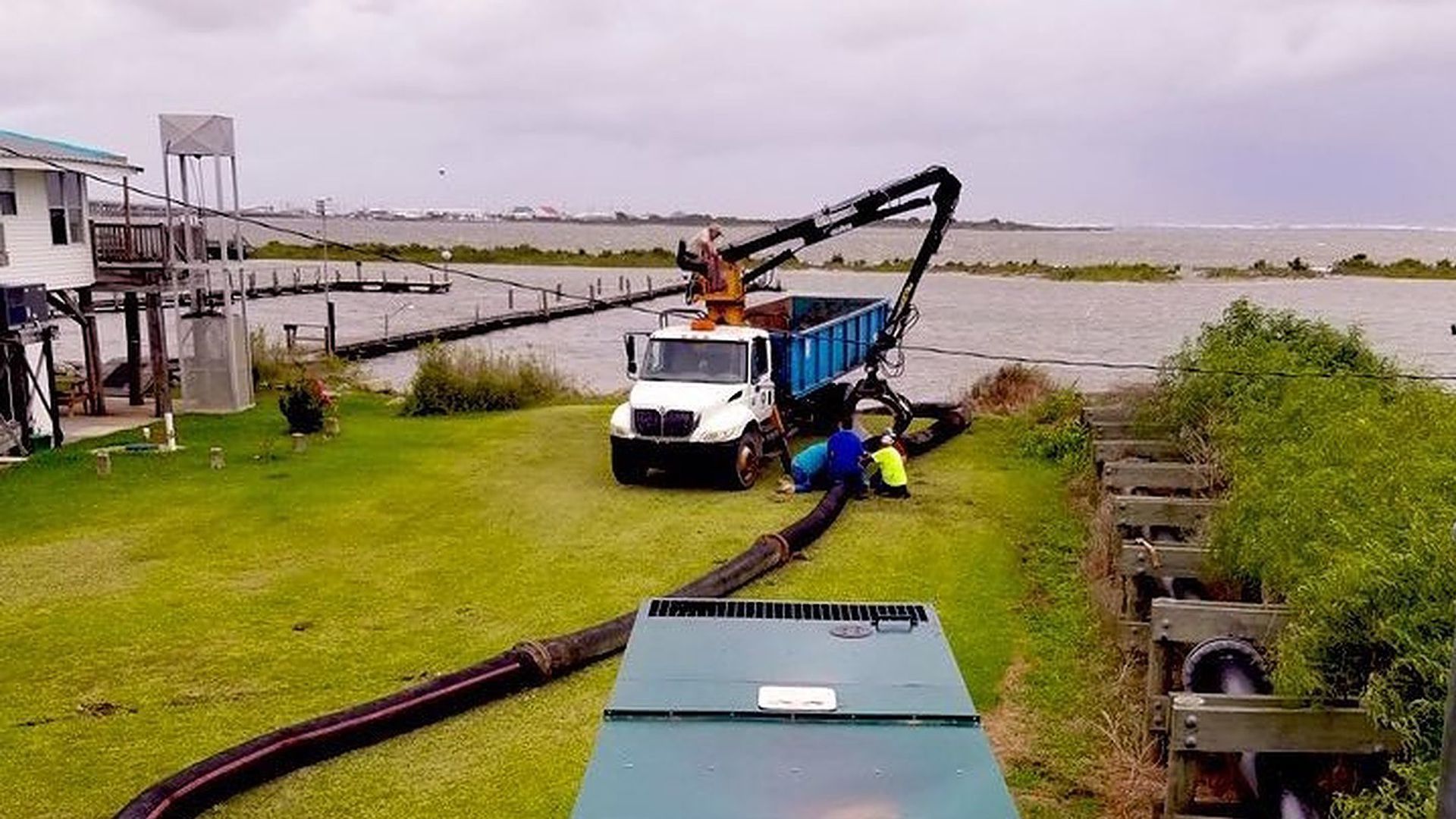
Cristobal weakened to a tropical depression as the center of the storm moved inland on Monday morning. But the National Hurricane Center warns there remains a "life-threatening storm surge" danger for parts of Mississippi and Louisiana.
What's happening: A flood-watch was in effect for Louisiana amid heavy rain forecast by the National Weather Service, as the storm moved 40 miles north of Baton Rouge, packing maximum sustained winds of 35mph on Monday morning.