NASA today announced three companies — Jeff Bezos' Blue Origin, Dynetics and Elon Musk's SpaceX — will continue developing their lunar landers designed to bring astronauts to the Moon.
Why it matters: In spite of the coronavirus pandemic, NASA is moving forward with its plans to send humans back to the surface of the Moon by 2024 as part of its Artemis program.
All the tough talk and finger-pointing between officials in the U.S. and China about this pandemic belies cooperation among scientists in the two countries who are racing to understand the deadly virus.
Why it matters: Pandemics are a global problem that scientists say require a global solution. But scientific advances are increasingly seen as a national competitive advantage, creating tension that some experts warn could undercut global efforts to defeat COVID-19.
Global demand will be high for a successful COVID-19 vaccine, even if it's years down the road before any become available.
State of play: There will not be enough vaccines to meet initial demand, experts say. That’s left nations racing to secure future supplies and international organizations scrambling to make sure there is equitable access to any vaccines for the novel coronavirus.
The seasonal return of influenza in the fall and winter is set to further complicate the ongoing response to the COVID-19 pandemic — but it doesn't have to be a double disaster.
The big picture: Influenza kills tens of thousands of Americans each year, with symptoms similar to COVID-19 that make it easy to mistake one for the another. But the flu has a vaccine — and a dedicated plan to increase vaccination rates could avert a magnified disease crisis.
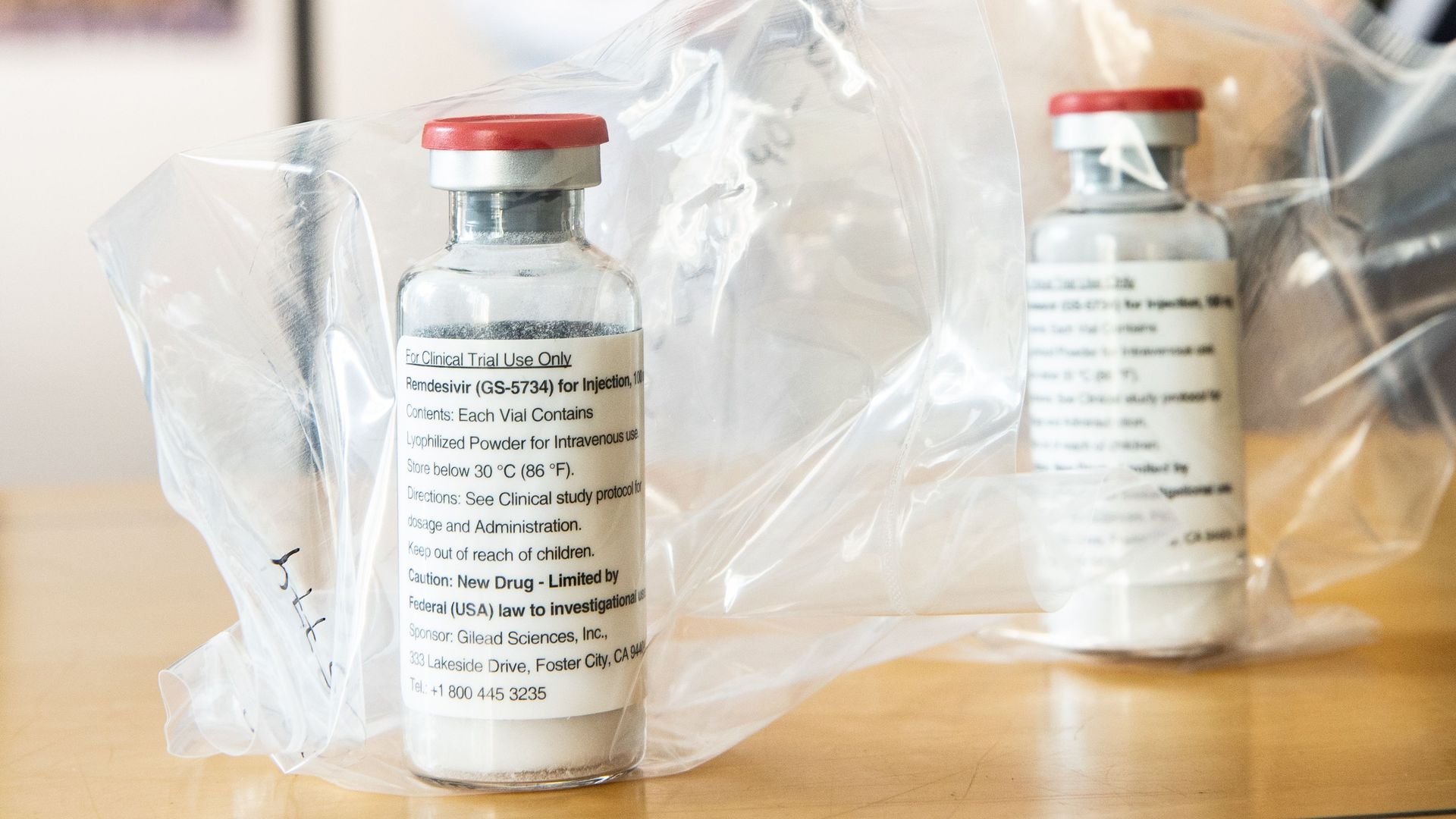
If you feel like you're suffering whiplash from the new, conflicting study data on Gilead Sciences' experimental coronavirus drug, remdesivir, you're not alone.
The big picture: Remdesivir could provide some help and lay the groundwork for more research, but this drug on its own does not appear to be any kind of "cure" for the novel coronavirus.
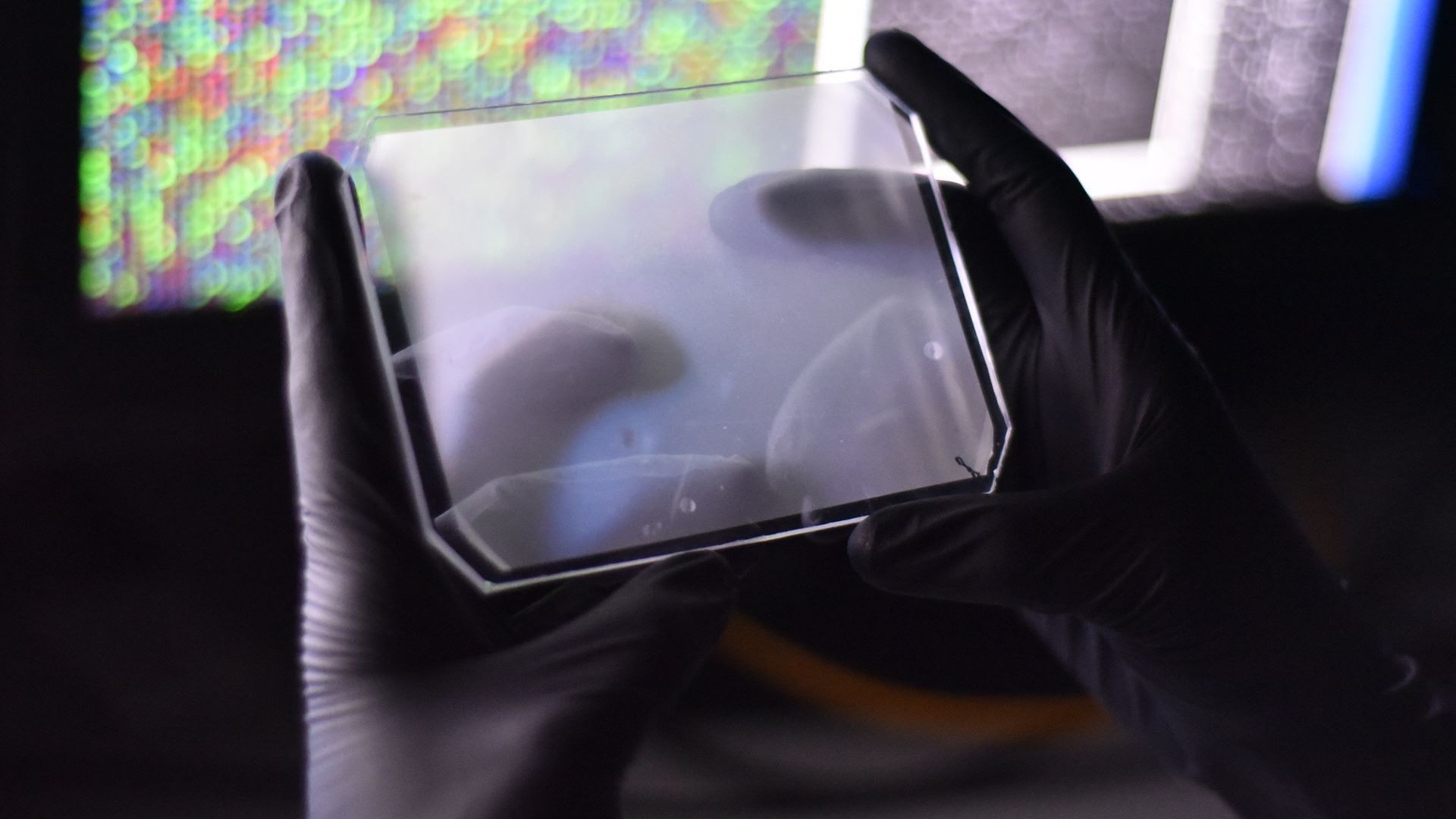
A new technology has been developed using CRISPR-based molecular diagnostics to run thousands of tests for diseases simultaneously, per a paper published in Nature today.
Why it matters: COVID-19 has painfully demonstrated the limits of conventional diagnostics methods for infectious disease. A new platform that would allow doctors to test a single sample for thousands of different pathogens could revolutionize disease response.
Remdesivir, an antiviral drug made by Gilead Sciences, appears to help coronavirus patients recover more quickly than no treatment at all, but it does not significantly reduce death, according to preliminary data released today from the National Institutes of Health.
Yes, but: A conflicting trial in China, which also released full data today, said the opposite: That remdesivir doesn't appear to have a lot of clinical benefit.
The National Institutes of Health is spending $1.5 billion in federal stimulus money to speed the development of COVID-19 tests, with a goal of creating "millions" of quick tests every week "by the end of summer 2020, and even more in time for the flu season," the federal agency said Wednesday.
Why it matters: Containing the coronavirus outbreak and resuming a semblance of normal life will require a big increase in the country's testing capacity, which is still well below where experts say it should be.