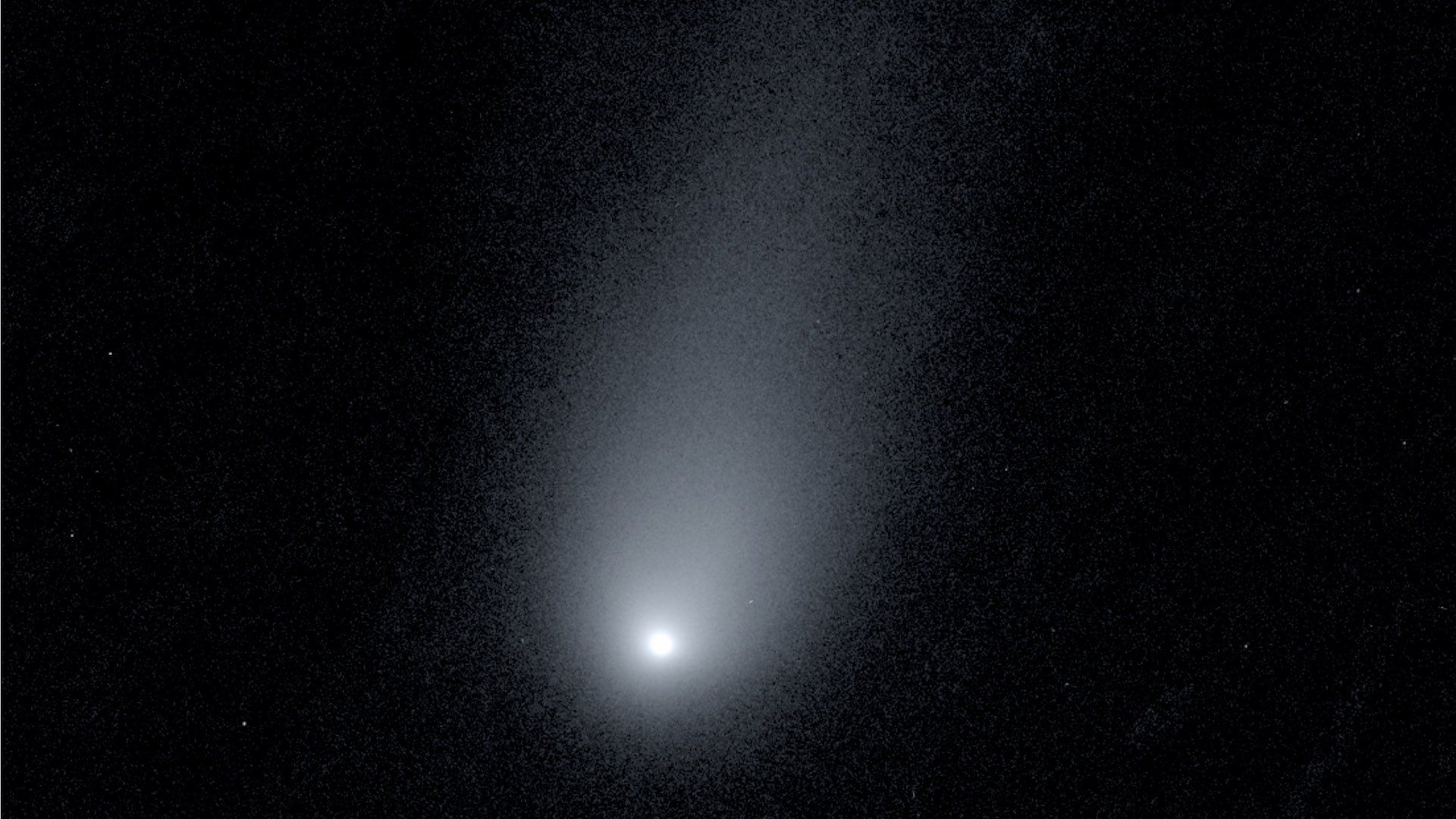
An interstellar comet spotted earlier this year is on its way to its close approach to the Sun this month, giving astronomers a close-up view of the visitor from outside our solar system.
What's happening: A new photo taken by Yale astronomers shows Comet 2l/Borisov's 100,000-mile-long tail and 1-mile-across nucleus in new detail.
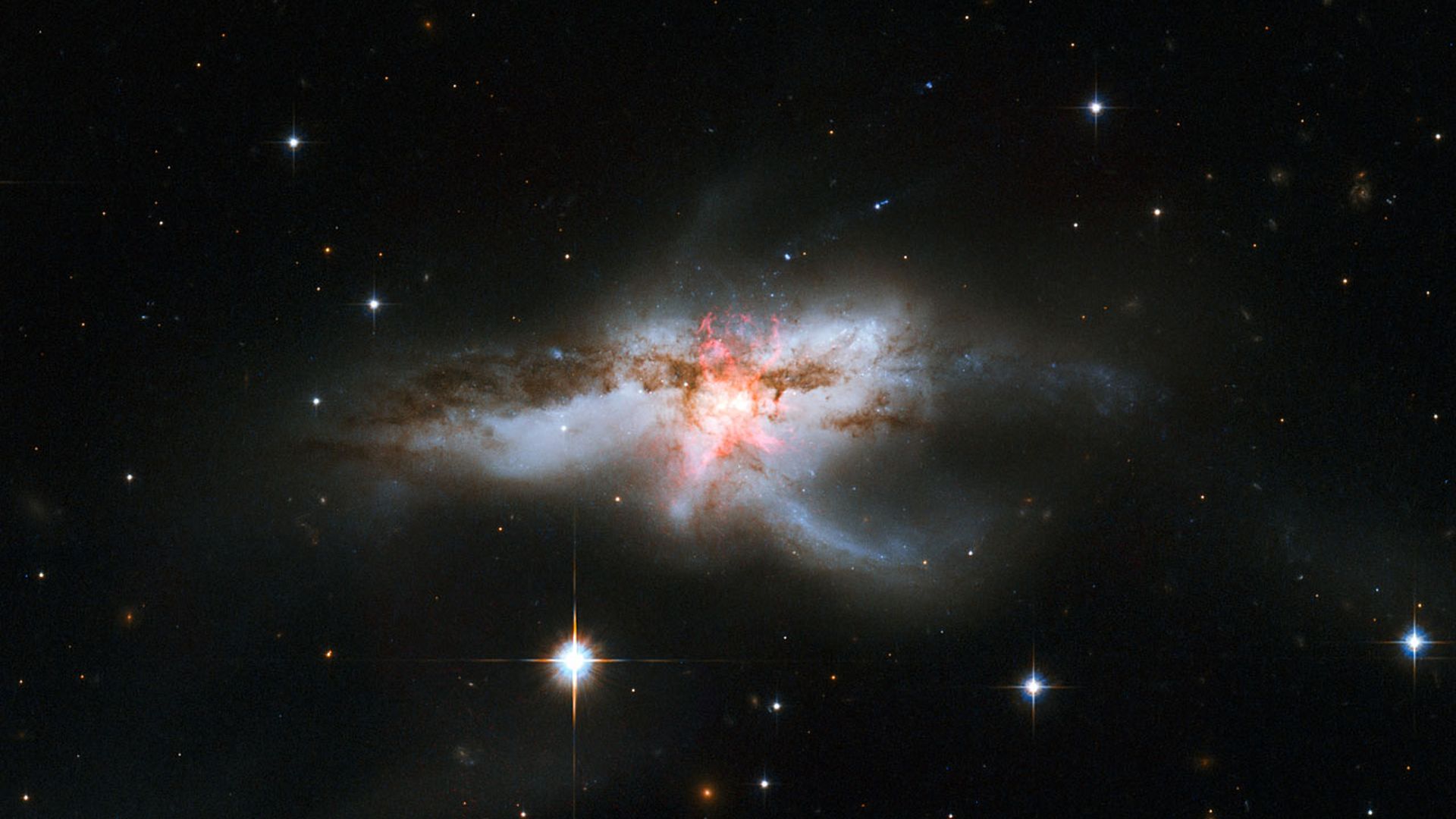
A galaxy with three supermassive black holes swirling within it could help astronomers piece together just how some of the largest galaxies formed.
Why it matters: The discovery in the NGC 6240 galaxy located about 400 million light-years away marks the first time three supermassive black holes have been found in such close proximity to one another. The galaxy gives scientists an unprecedented chance to study the motions of three huge black holes that were once likely parts of three different galaxies as they merge.
The final resting place of India's failed lunar lander has been found.
The big picture: The Vikram lander was India's bid to become the fourth nation to land and operate a spacecraft on the surface of the Moon. The mission failed on Sept. 6 when a thruster issue caused the lander to crash not long before its expected touchdown.
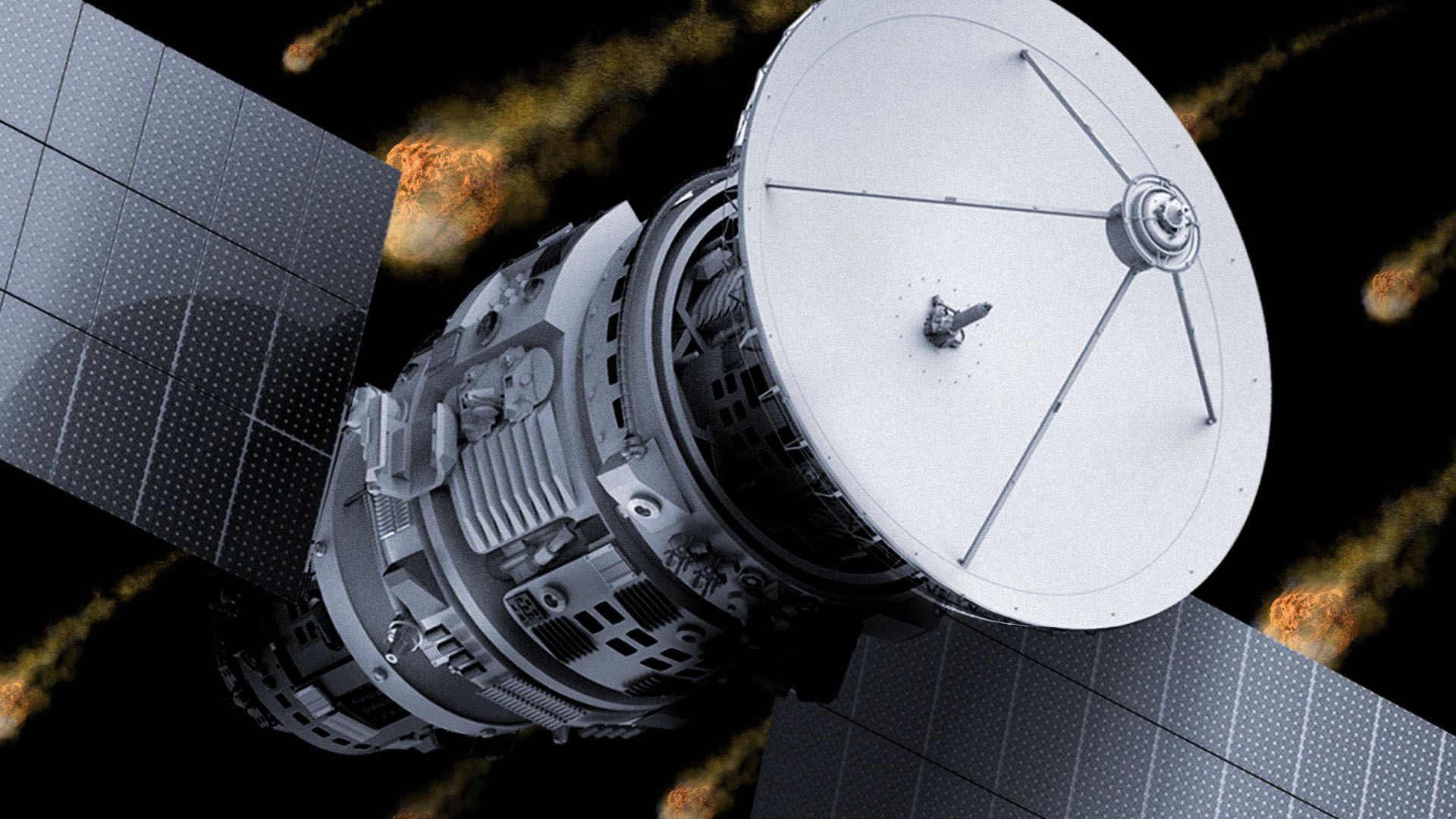
Astronomers are worried the influx of new satellites in the coming years could impede the hunt for asteroids near Earth.
What's happening: Companies like SpaceX and Amazon are planning to launch thousands of internet-beaming satellites to low orbits. The new spacecraft are already changing the night sky — SpaceX's Starlink satellites can be seen shooting across astronomers' images.
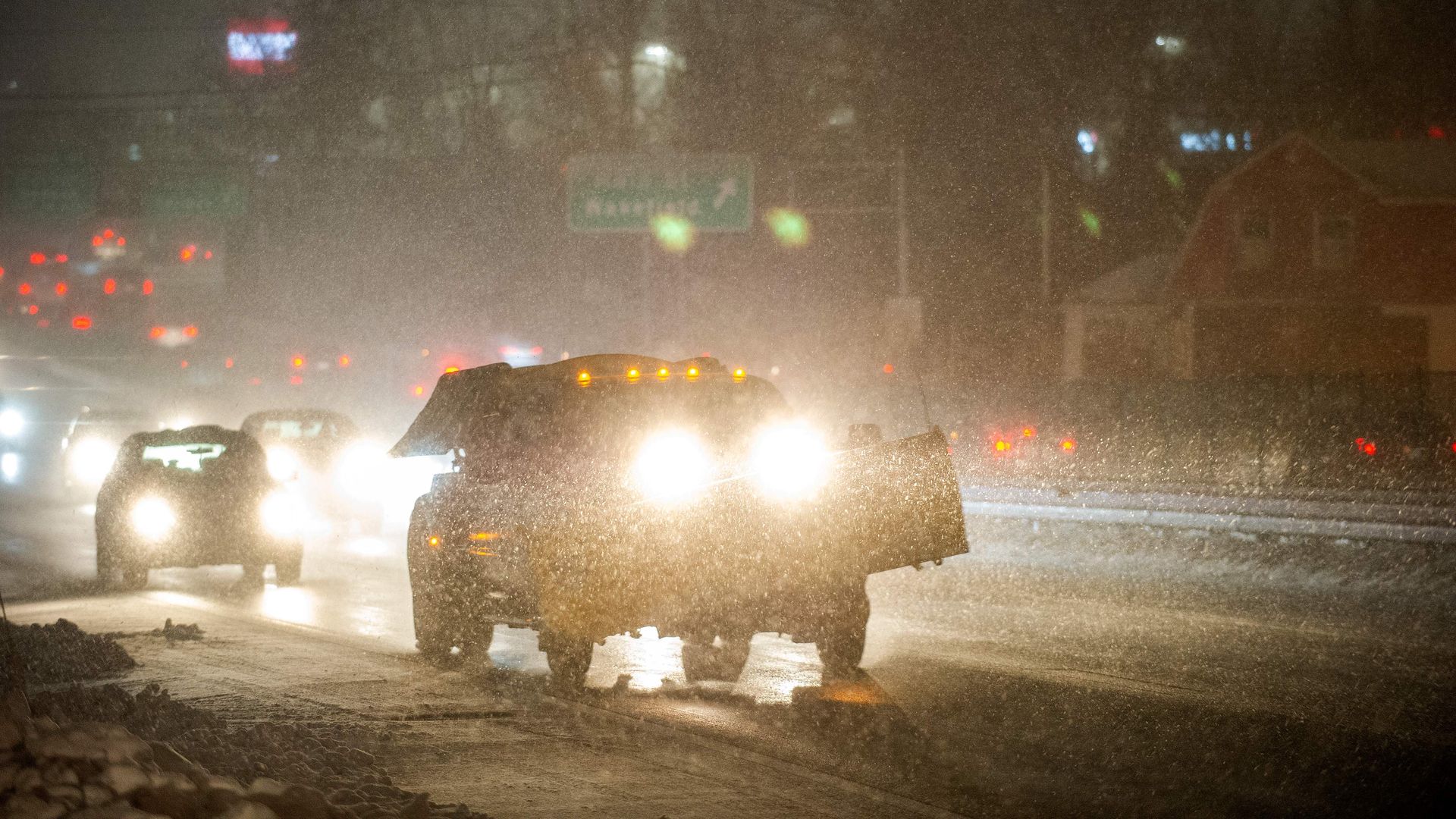
A seemingly unrelenting early winter storm that's been blamed for several deaths and caused travel chaos across the U.S. over the past week is now dumping heavy snow as it pummels the Northeast.

/2019/12/03/1575407802674.gif?w=3840)