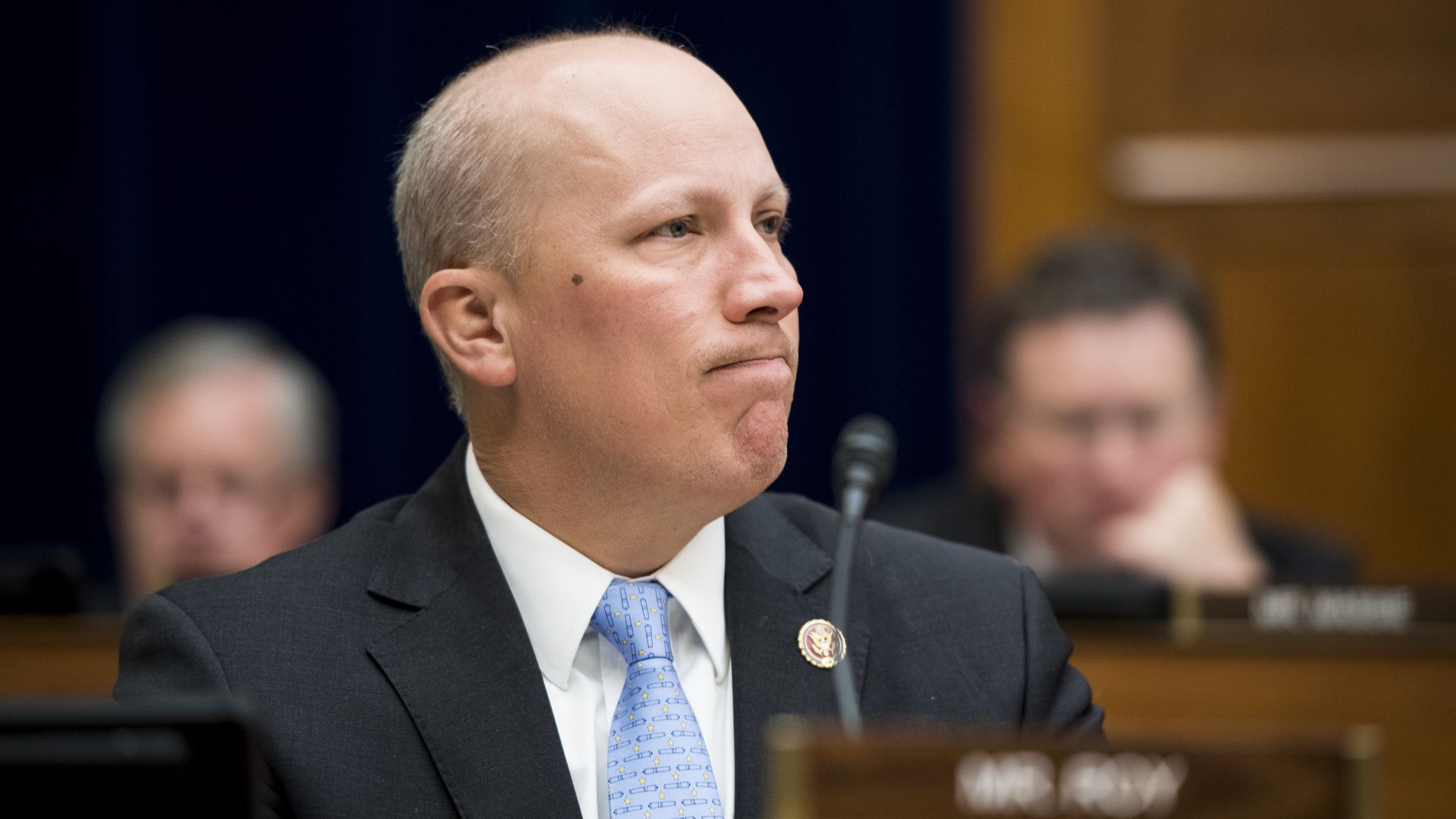
Rep. Chip Roy (R -Texas) voted on Friday to block a $19.1 billion aid package for areas affected by natural disasters over the last 2 years, the Washington Post reports.
Why it matters: This last-minute agreement, forged on Thursday night after months of tense negotiations, aims to provide about $900 million for Puerto Rico and reduce the risk of future floods and hurricanes in the U.S. Historic flooding and extreme weather have ransacked the Central U.S. over the past several months.
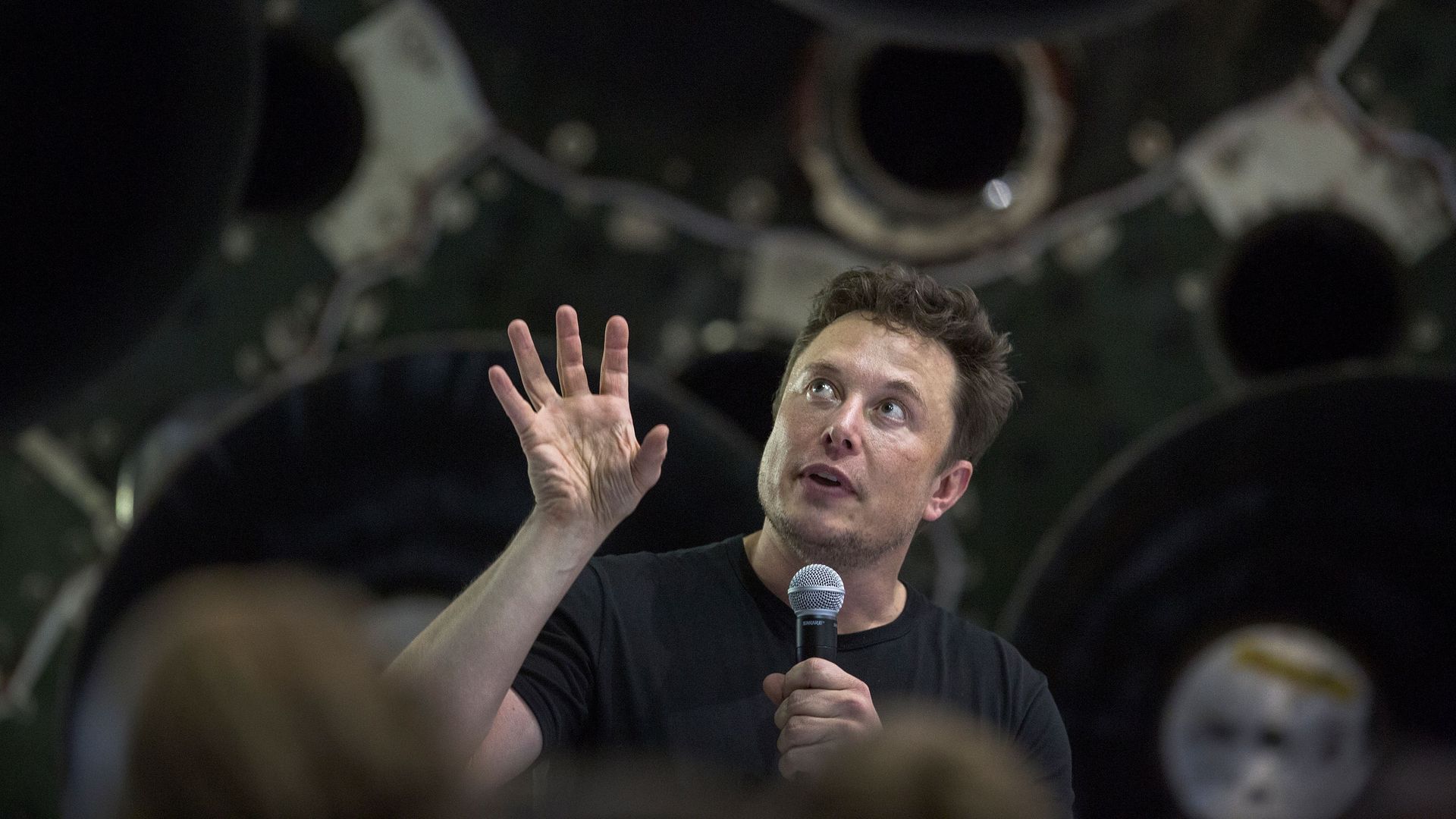
Elon Musk's SpaceX has big plans to beam high-speed internet to millions of people around the world.
The big picture: Called Starlink, the project is designed to use thousands of relatively low-cost satellites to provide broadband globally, even to remote areas without access to the internet today. But it will likely take dozens of launches to get the satellite constellation up and running, with many more over the years to keep them functioning — and even then it could contribute to a larger space junk problem.
SpaceX is Elon Musk's private space company with big plans to build a city on Mars, reduce the cost of space exploration and create a satellite constellation to provide broadband globally. The company is also helping NASA to restart launching astronauts into space from U.S. soil instead of relying on Russia's help.
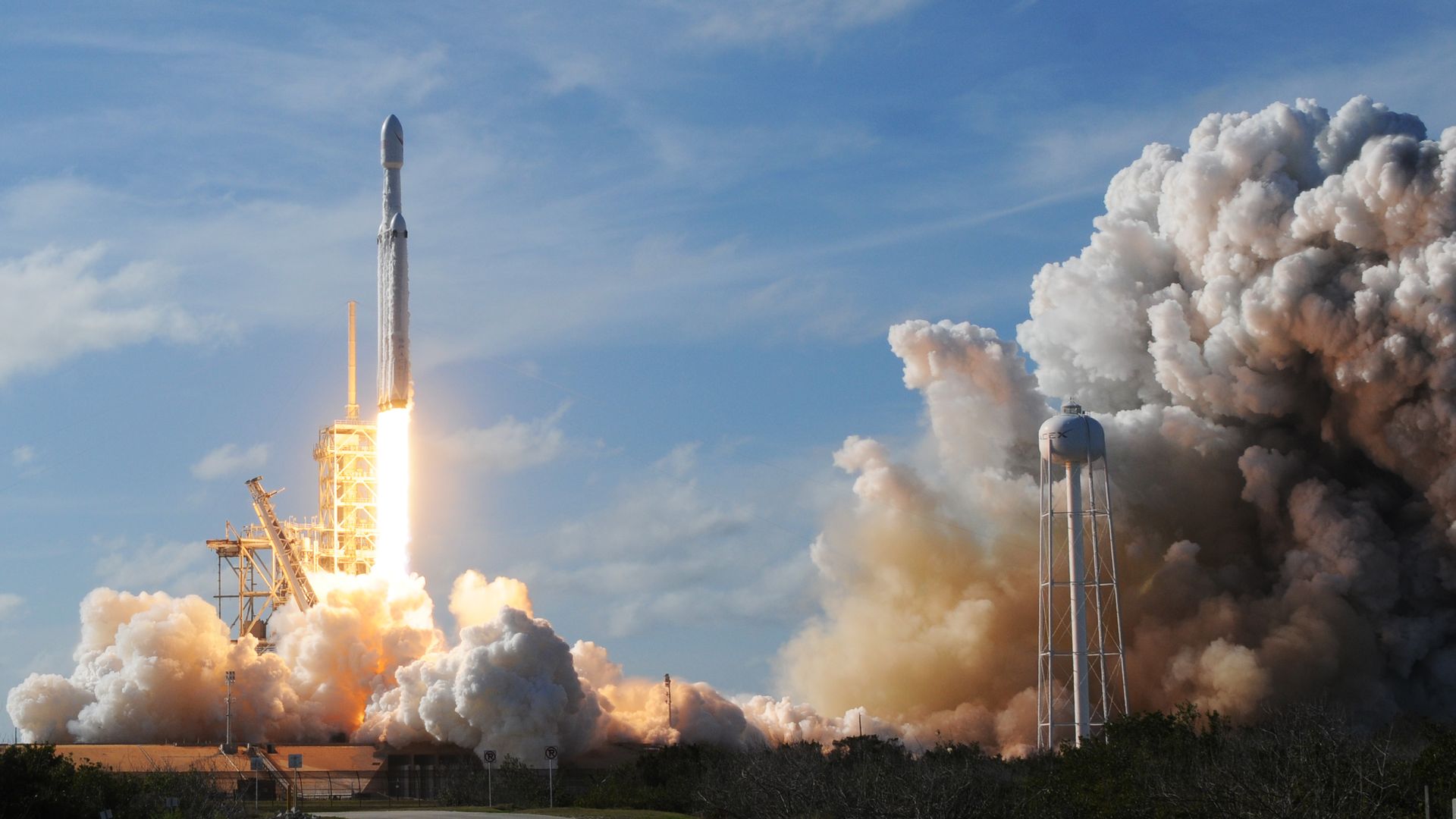
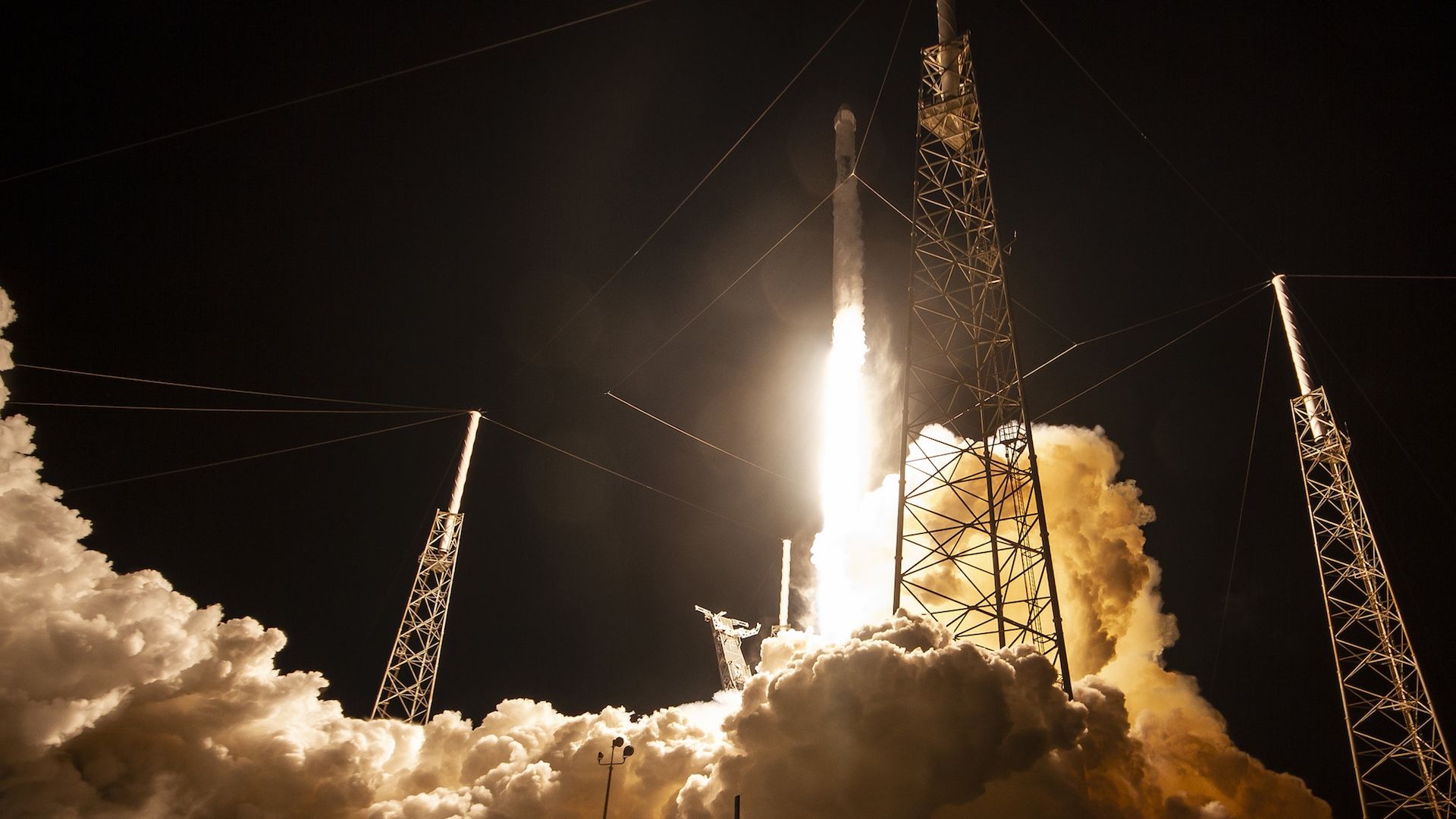
The latest: SpaceX launched its first wave of 60 Starlink satellites into orbit on Thursday night on one of its Falcon 9 rockets as part of its plan to deliver global internet connection from space. The rocket launched from Cape Canaveral Air Force Station at 10:30 ET, and the first booster returned for a smooth landing on a drone ship in the Atlantic Ocean about 10 minutes after launch, after sending the satellites to orbit.
SpaceX launched 60 of its internet-beaming Starlink satellites to orbit on Thursday night from Cape Canaveral, marking the first launch of its kind for the Elon Musk-founded company.
Why it matters: Starlink is SpaceX's big move into the satellite internet market. The company hopes to one day have a constellation of thousands of satellites in orbit, beaming broadband internet around the globe, particularly to areas without reliable coverage now. Musk thinks that revenue from Starlink has the potential to help fund the company's big plans for the future, including a possible city on Mars or base on the Moon.
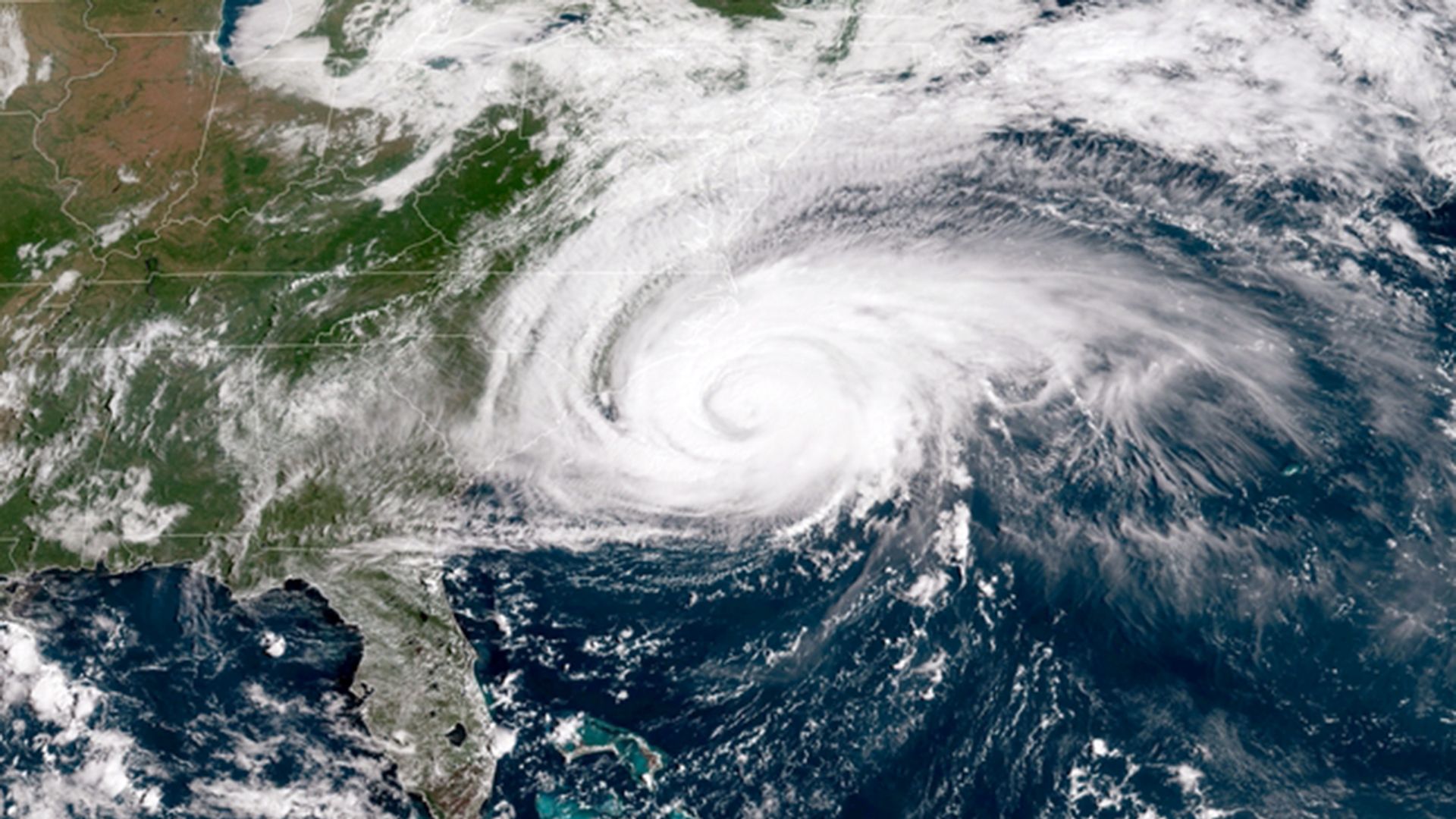
NOAA's Climate Prediction Center is forecasting a 40% chance for a near-normal Atlantic hurricane season — June 1 to November 30, 2019 — determining a 70% likelihood of 9-15 named storms, of which 4-8 could become hurricanes.
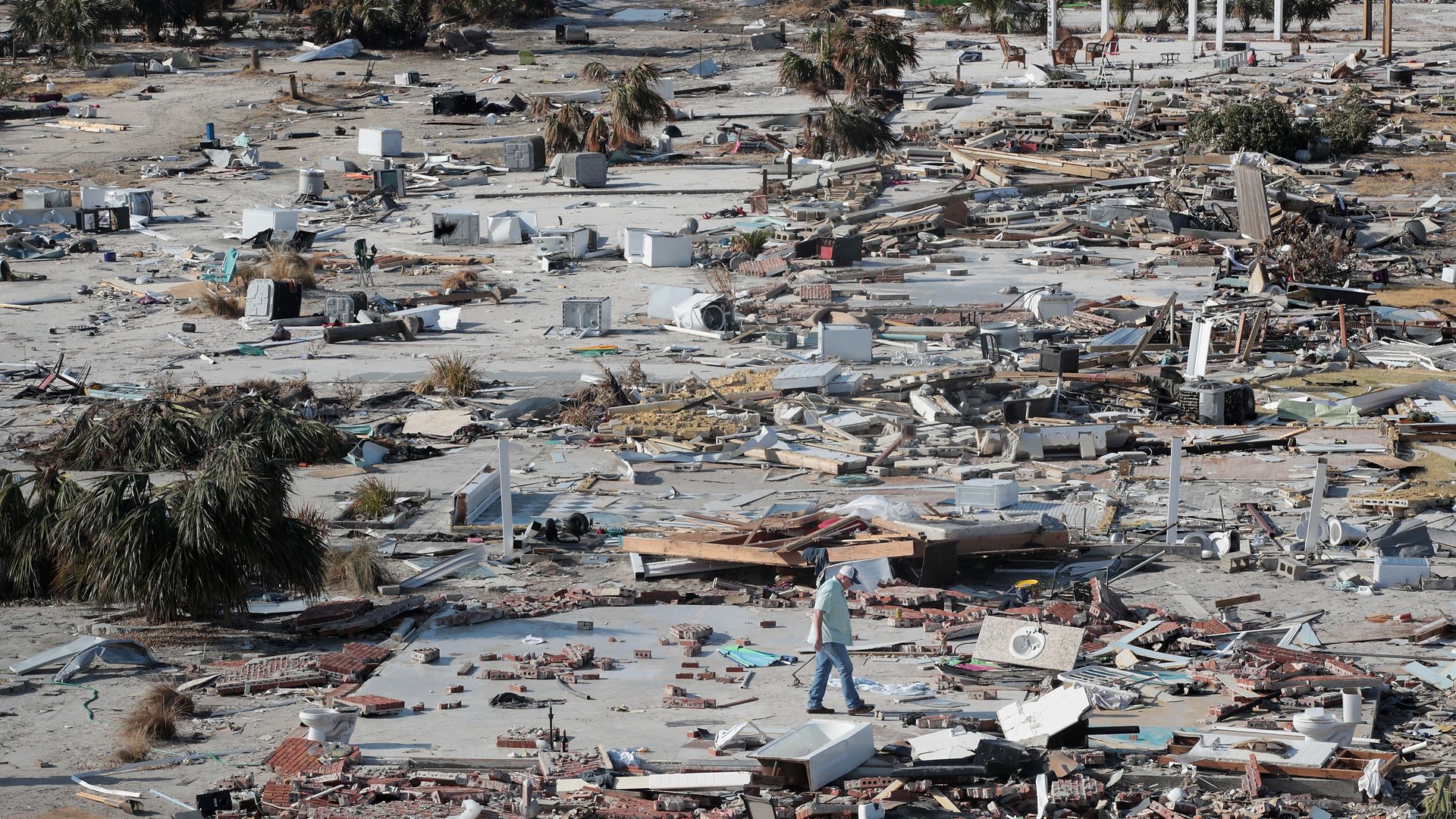
The backdrop: This year's outlook comes after 2018's devastating season, with Cat. 5 Hurricane Michael hitting the Florida Panhandle. The average hurricane season produces 12 named storms, of which 6 progress to hurricanes status and 3 turn into major hurricanes.
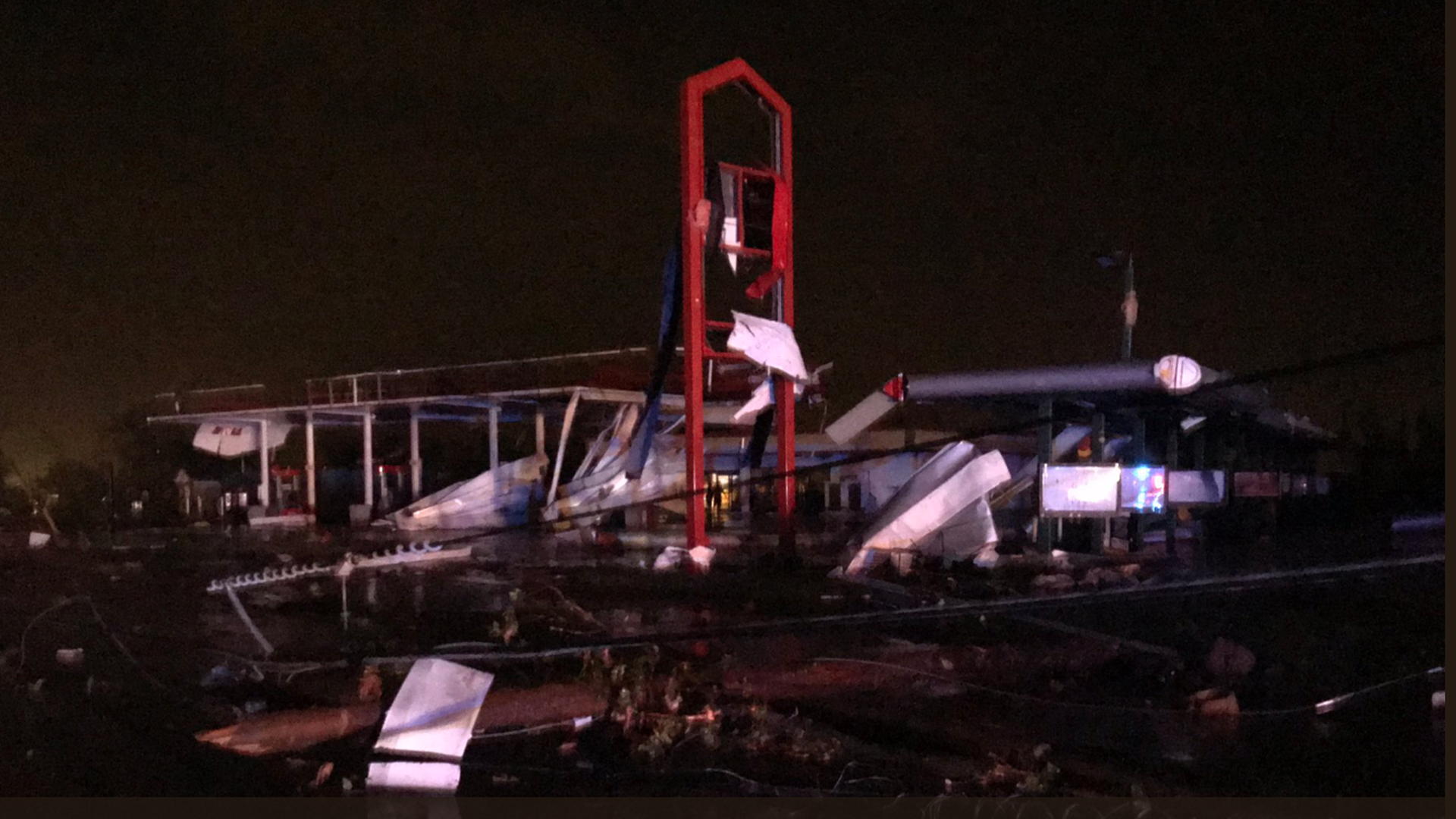
The Missouri Department of Public Safety said 3 people died in a storm that struck the southwest region of the state, and the National Weather Service confirmed a "violent tornado" struck Jefferson City late on Wednesday, as severe thunderstorms continued to hammer the Central U.S.
What's new: NOAA issued a severe thunderstorm outlook calling for an "enhanced" risk of severe storms again on Thursday in parts of Texas, Oklahoma and Kansas, as well as the Mid-Atlantic and Northeast. There is a continued threat for heavy rain in already flooded areas of the Central U.S.
Prior to the 1950s, there was no uniform way to name hurricanes. Some used saints' names, others used longitude and latitude. In 1953, that all changed when the U.S. started using female names to identify storms. By 1979, the use of female and male names was adopted for storms in the northern Pacific Ocean, Atlantic Ocean and Gulf of Mexico.
Why it matters: Naming hurricanes stemmed from the need to make communication about such destructive storms more salient and less confusing, especially if two storms were happening at the same time.
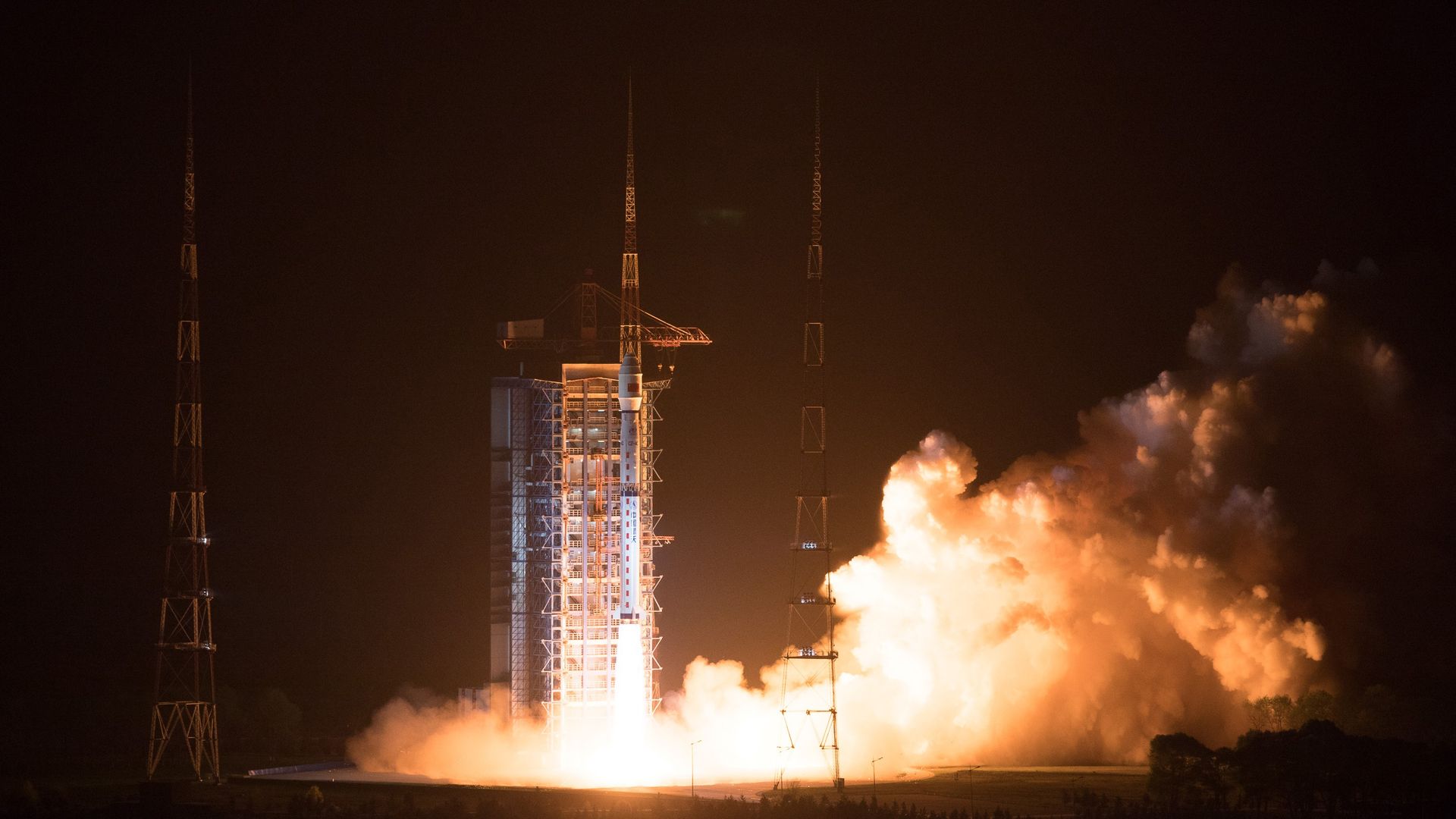
A Chinese Long March-4C rocket failed during launch on Thursday morning from north China's Shanxi Province, according to China's state run media organization Xinhua.
Why it matters: The rocket was carrying the remote-sensing Yaogan-33 satellite, which is thought to be one in a series of government spy satellites.