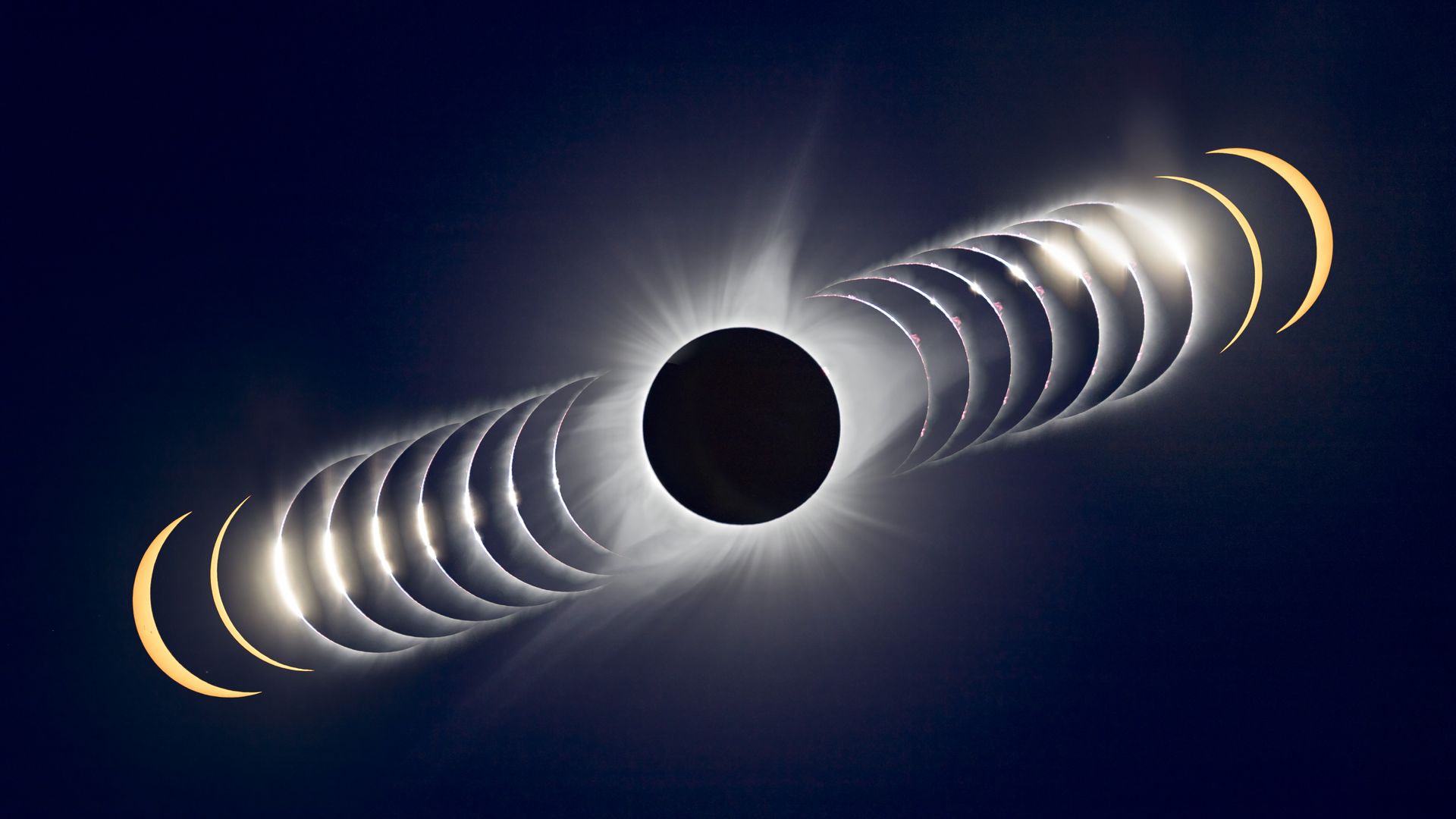
The next solar eclipse will happen on July 2 and will be visible from South America and the South Pacific.
Details: The upcoming solar eclipse will be a "total" solar eclipse, per NASA. Solar eclipses happen about every 18 months and only last for a few short moments.
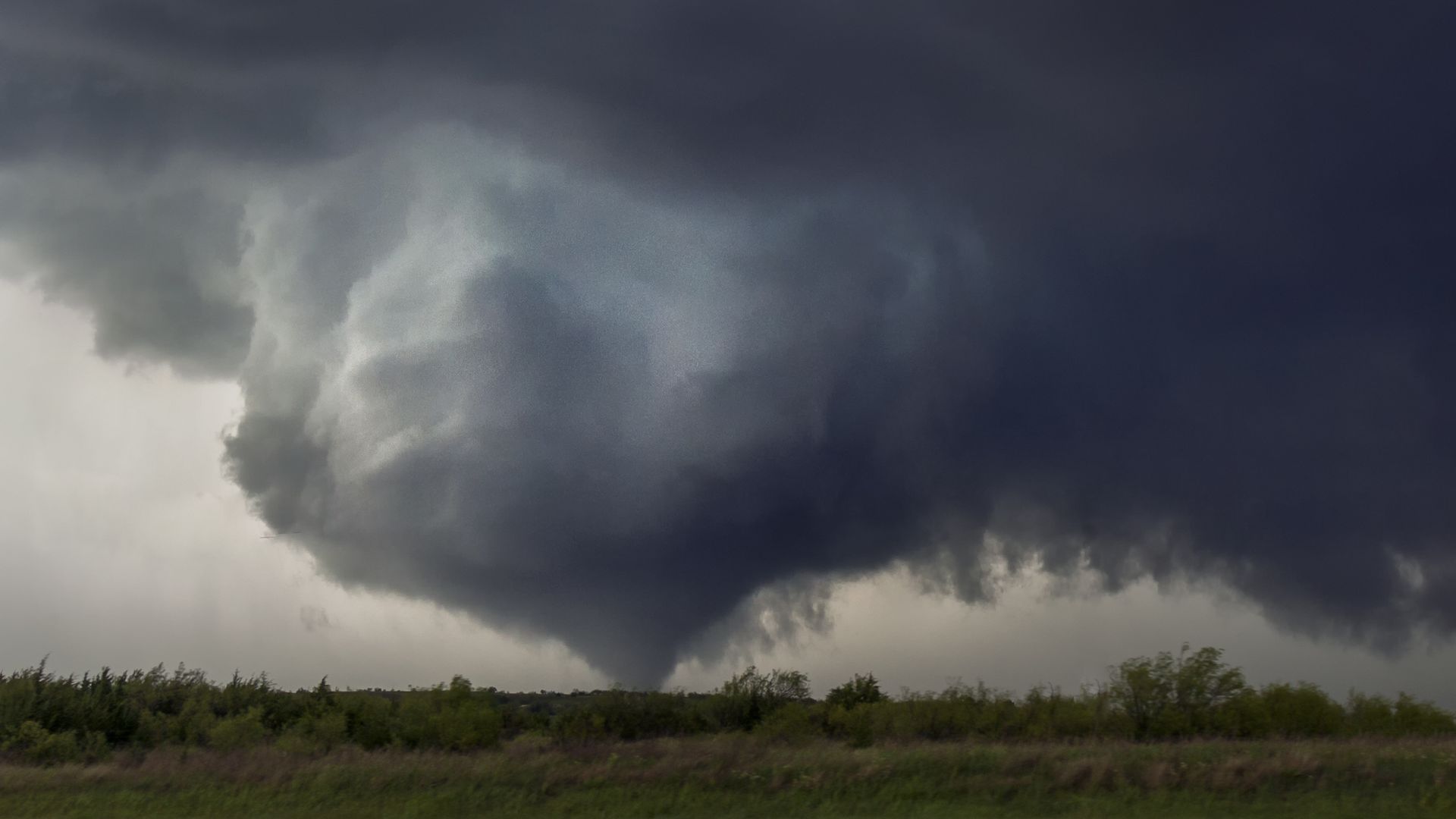
The single deadliest tornado to ever hit the United States, the "Tri-State Tornado," killed 695 people and injured 2,027 others in Southern Missouri, Illinois and Indiana in 1925. The tornado went on for 219 miles, making it the longest ever recorded.
Rep. Chip Roy (R -Texas) voted on Friday to block a $19.1 billion aid package for areas affected by natural disasters over the last 2 years, the Washington Post reports.
Why it matters: This last-minute agreement, forged on Thursday night after months of tense negotiations, aims to provide about $900 million for Puerto Rico and reduce the risk of future floods and hurricanes in the U.S. Historic flooding and extreme weather have ransacked the Central U.S. over the past several months.
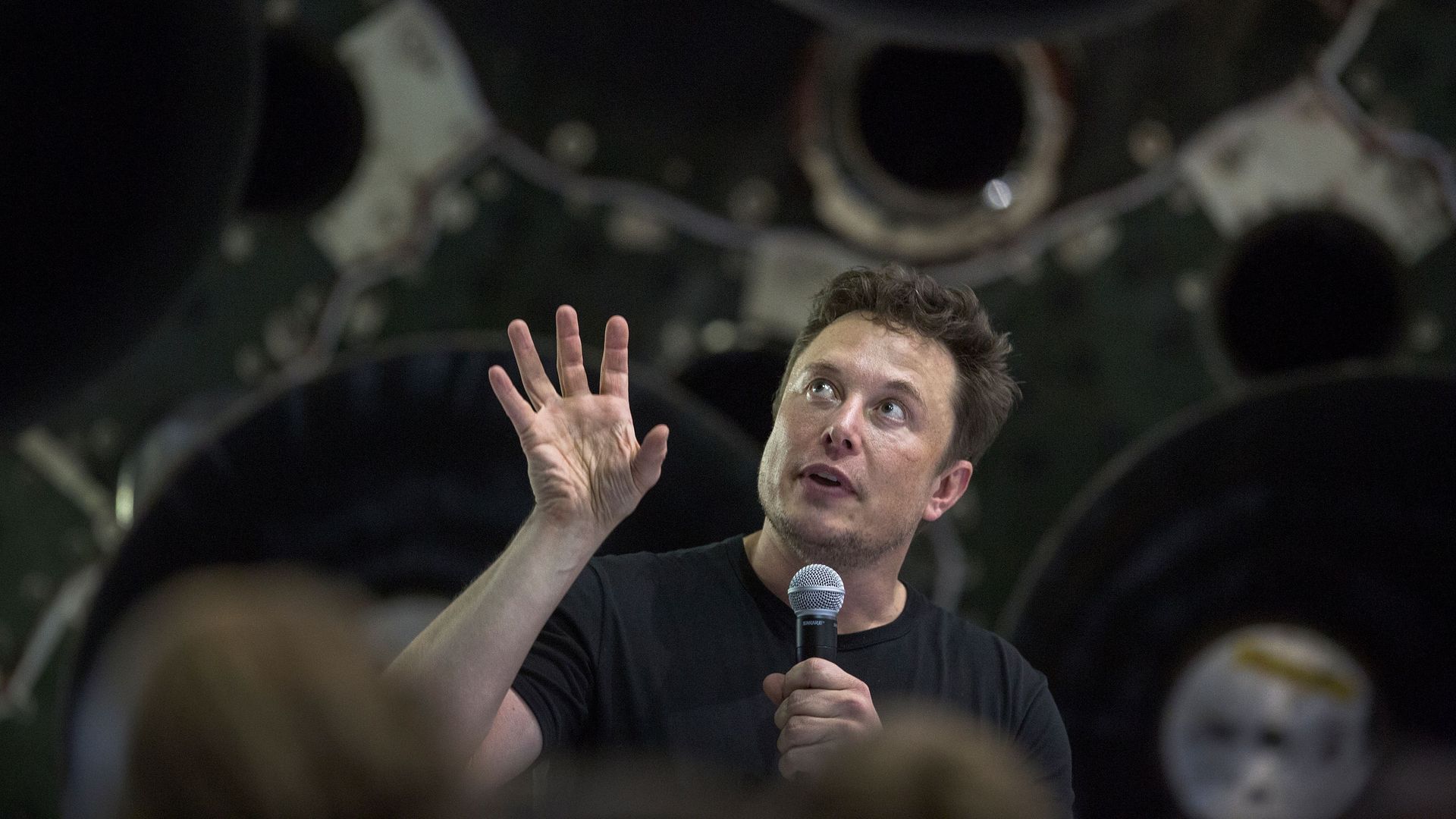
Elon Musk's SpaceX has big plans to beam high-speed internet to millions of people around the world.
The big picture: Called Starlink, the project is designed to use thousands of relatively low-cost satellites to provide broadband globally, even to remote areas without access to the internet today. But it will likely take dozens of launches to get the satellite constellation up and running, with many more over the years to keep them functioning — and even then it could contribute to a larger space junk problem.
SpaceX is Elon Musk's private space company with big plans to build a city on Mars, reduce the cost of space exploration and create a satellite constellation to provide broadband globally. The company is also helping NASA to restart launching astronauts into space from U.S. soil instead of relying on Russia's help.
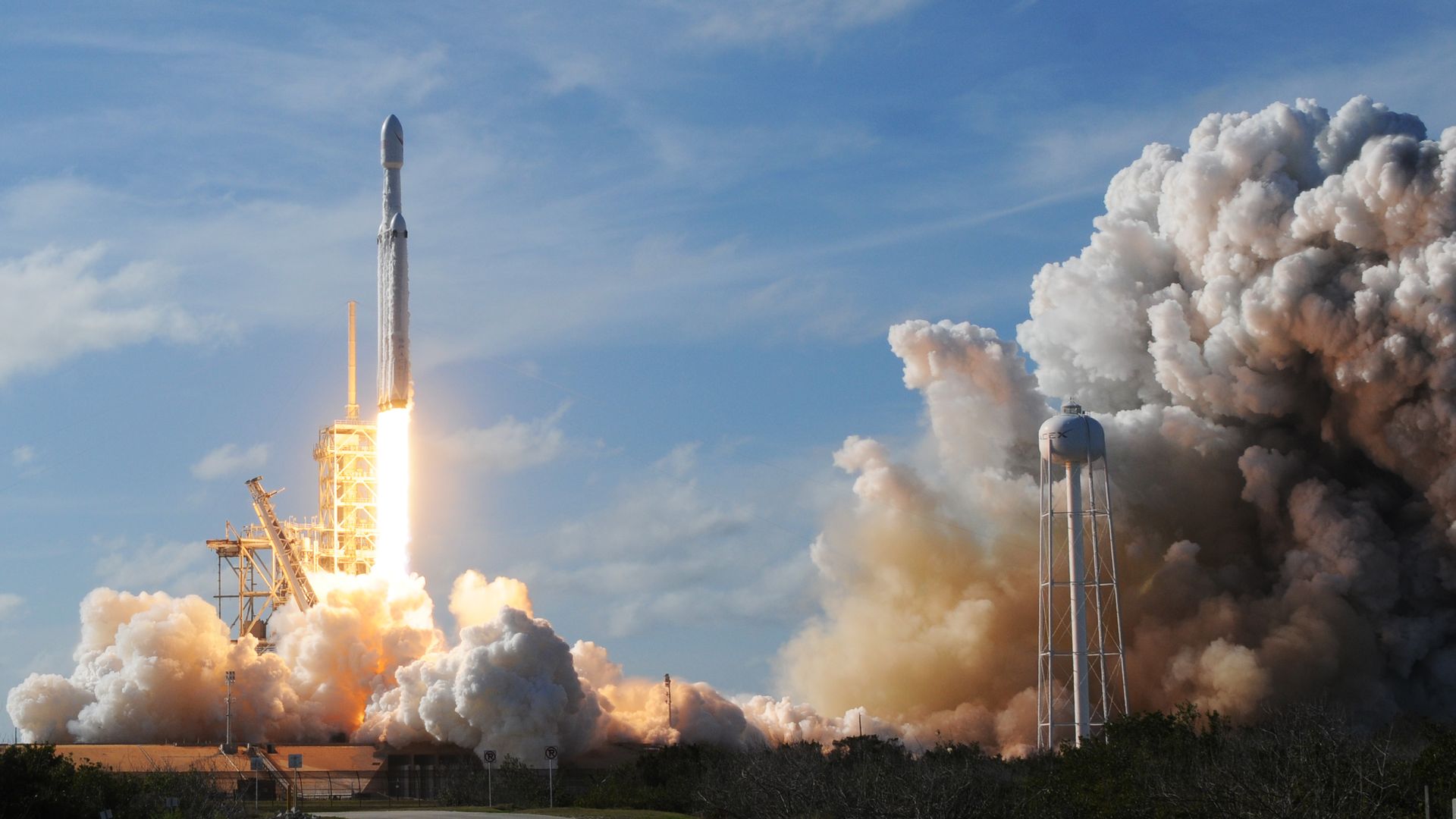
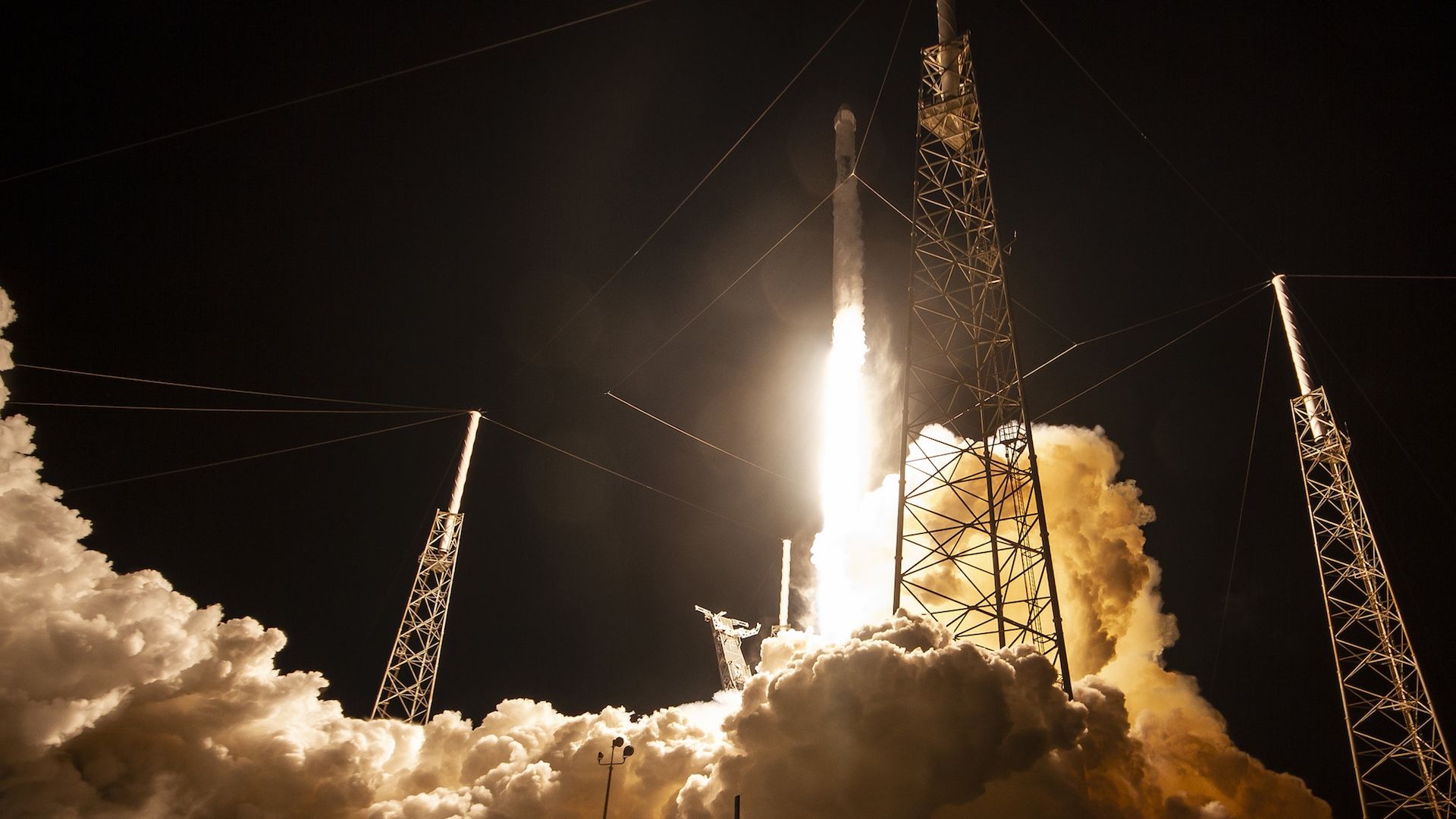
The latest: SpaceX launched its first wave of 60 Starlink satellites into orbit on Thursday night on one of its Falcon 9 rockets as part of its plan to deliver global internet connection from space. The rocket launched from Cape Canaveral Air Force Station at 10:30 ET, and the first booster returned for a smooth landing on a drone ship in the Atlantic Ocean about 10 minutes after launch, after sending the satellites to orbit.
SpaceX launched 60 of its internet-beaming Starlink satellites to orbit on Thursday night from Cape Canaveral, marking the first launch of its kind for the Elon Musk-founded company.
Why it matters: Starlink is SpaceX's big move into the satellite internet market. The company hopes to one day have a constellation of thousands of satellites in orbit, beaming broadband internet around the globe, particularly to areas without reliable coverage now. Musk thinks that revenue from Starlink has the potential to help fund the company's big plans for the future, including a possible city on Mars or base on the Moon.