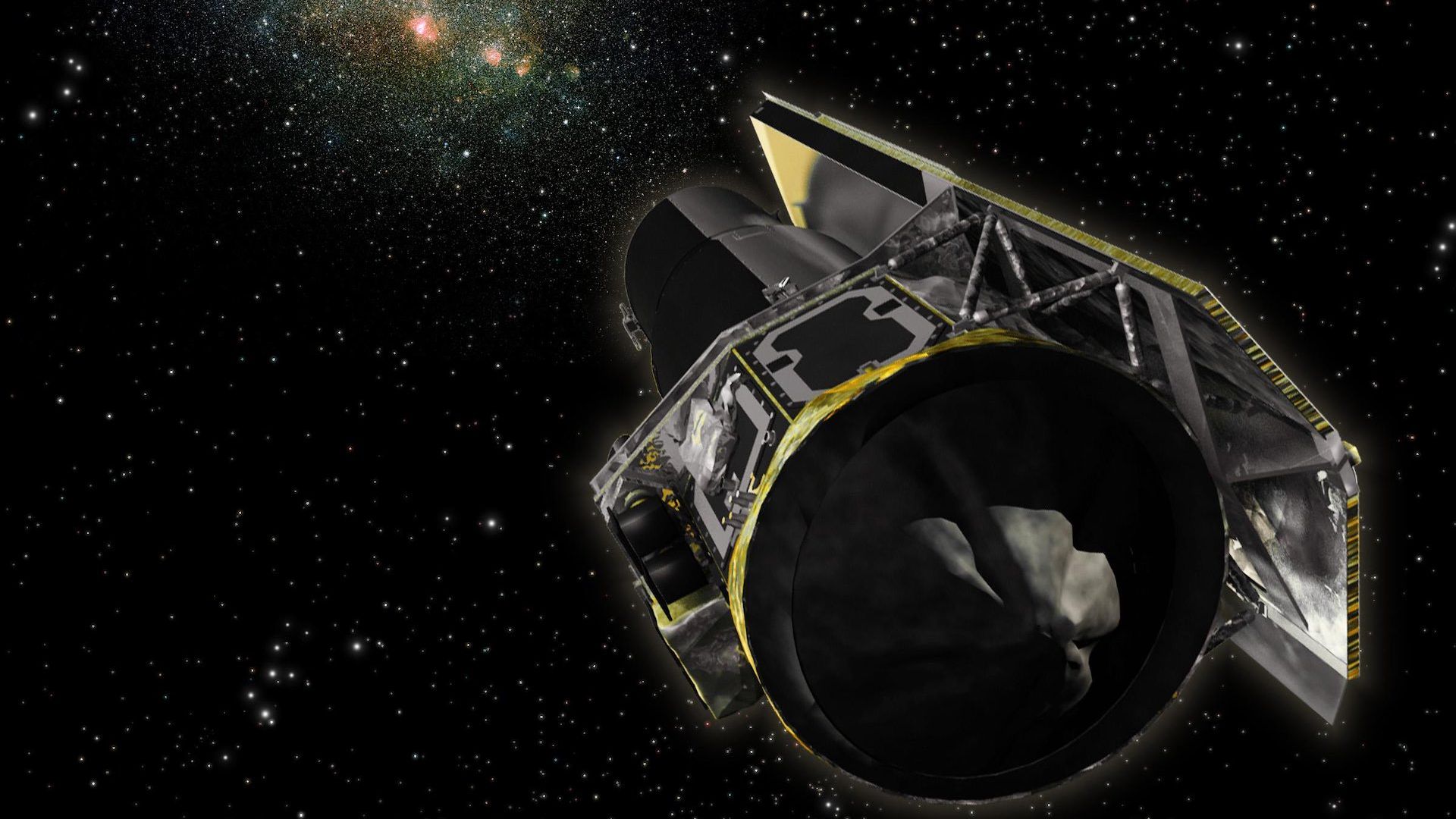
The long-running Spitzer Space Telescope is nearing the end of its mission, NASA's Jet Propulsion Laboratory announced in a quietly posted blog entry on May 16. The spacecraft's last day of operations is set for Jan. 30, 2020.
Why it matters: Spitzer transformed our understanding of the universe. The telescope — which looks out at the universe in infrared light — has helped astronomers clock the expansion of the universe, map the Milky Way and discover black holes.
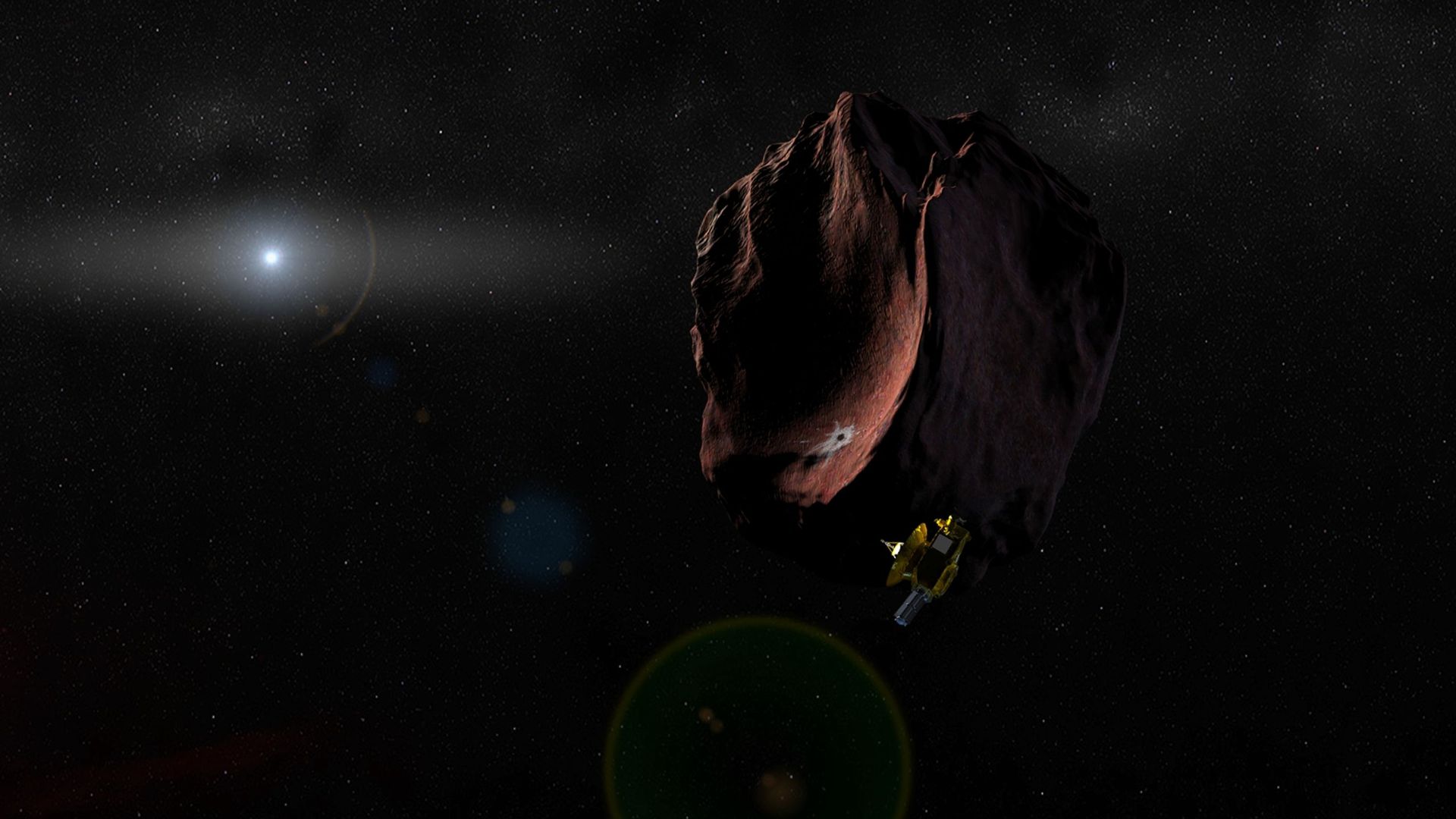
As NASA’s New Horizons spacecraft continues to speed through the solar system after its historic rendezvous with Pluto and Ultima Thule, scientists on Earth are thinking up ways to do even more with the mission.
Why it matters: New Horizons transformed our understanding of the solar system by revealing ice mountains on Pluto's surface and beaming back photos of Ultima Thule, a leftover from the dawn of the solar system.
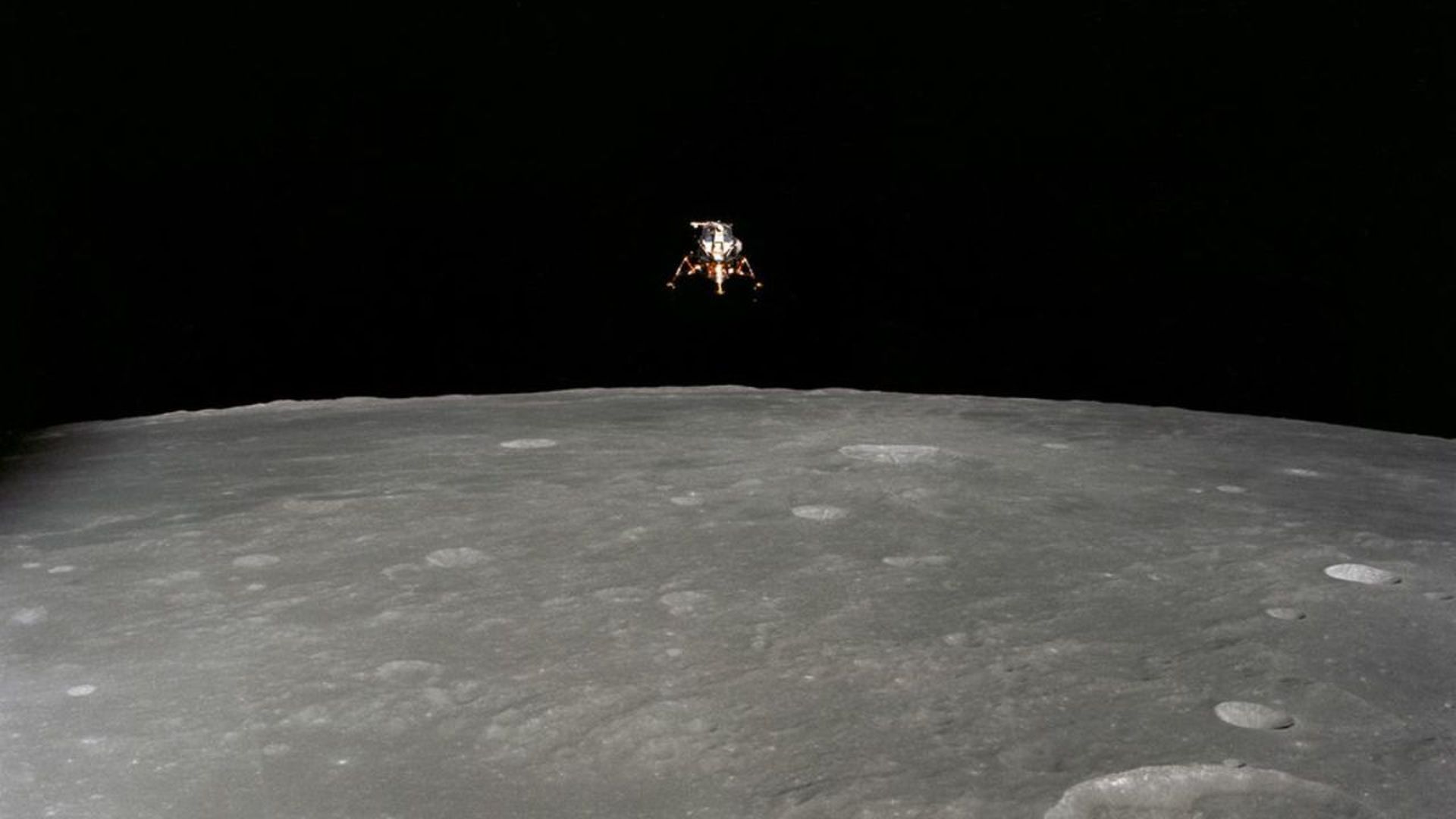
NASA wants to return humans to the surface of the Moon by 2024 as part of its newly minted Artemis program, but they're having trouble getting congressional buy-in.
What's happening: Last week, the space agency rolled out an amended budget for Fiscal Year 2020, asking for an extra $1.6 billion to get astronauts back on the Moon four years earlier than initially planned.
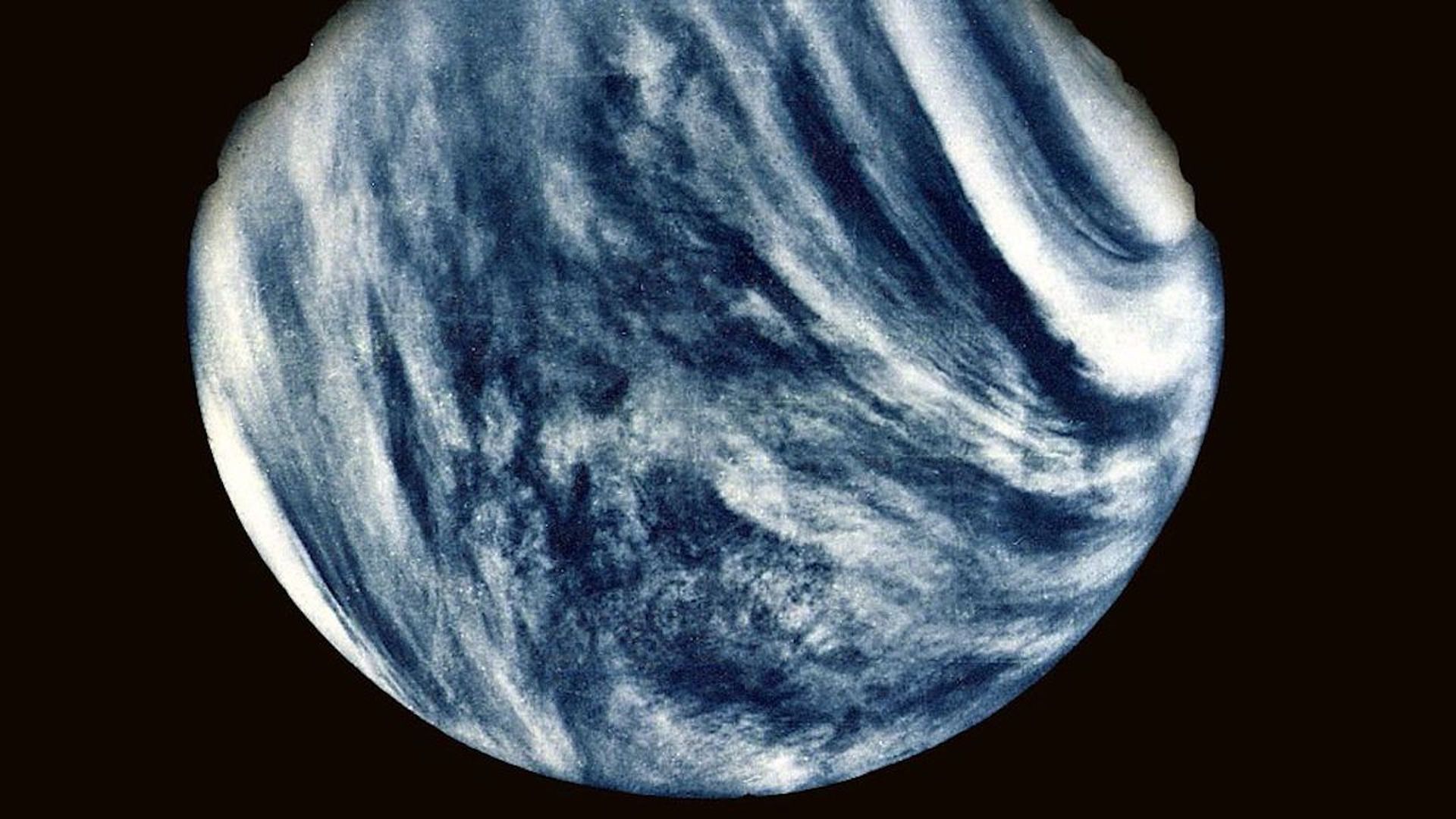
Venus is sometimes considered Earth’s "evil twin," and yet we know frustratingly little about it, creating a blind spot in our own history.
The big picture: NASA has prioritized Mars, Earth's other sibling planet. The space agency has launched more than a dozen spacecraft to study the red world over the past 30 years and is planning to eventually send humans there. Meanwhile, in that time, NASA only launched one dedicated mission — Magellan — to Venus.
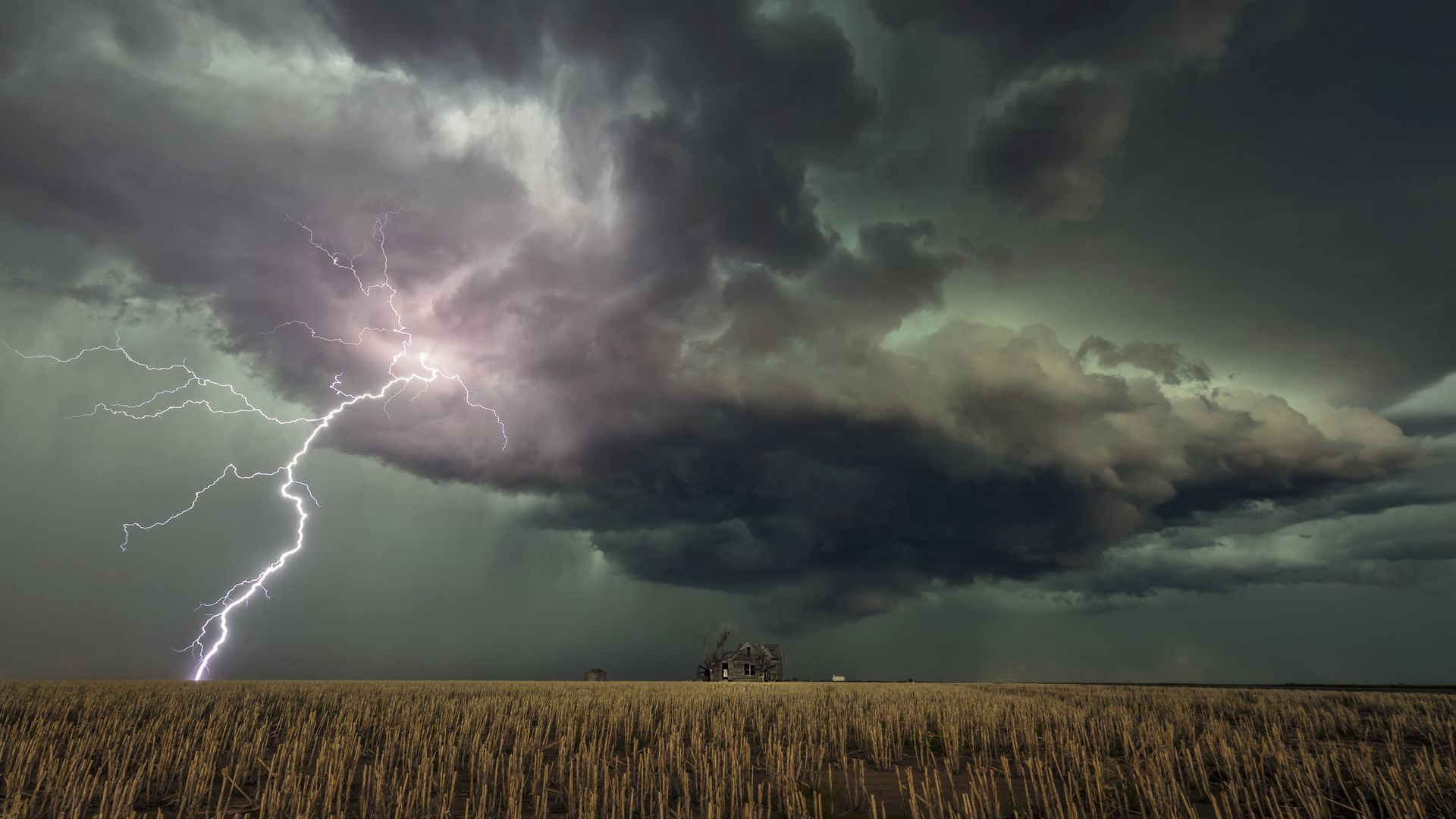
The forecast from the top tornado specialists in the world was dire: A "high risk" of severe thunderstorms, including numerous strong tornadoes, striking parts of Oklahoma. In the end, however, the tornado outbreak on Monday mercifully underperformed expectations in some areas.
Why it matters: The fact that there were no high-end tornadoes in populated areas during this tornado outbreak seems miraculous, considering the rare combination of ingredients that were present across southwest and central Oklahoma on Monday and Monday night. The atmosphere was essentially a powder keg, with abundant wind shear, instability and moisture.
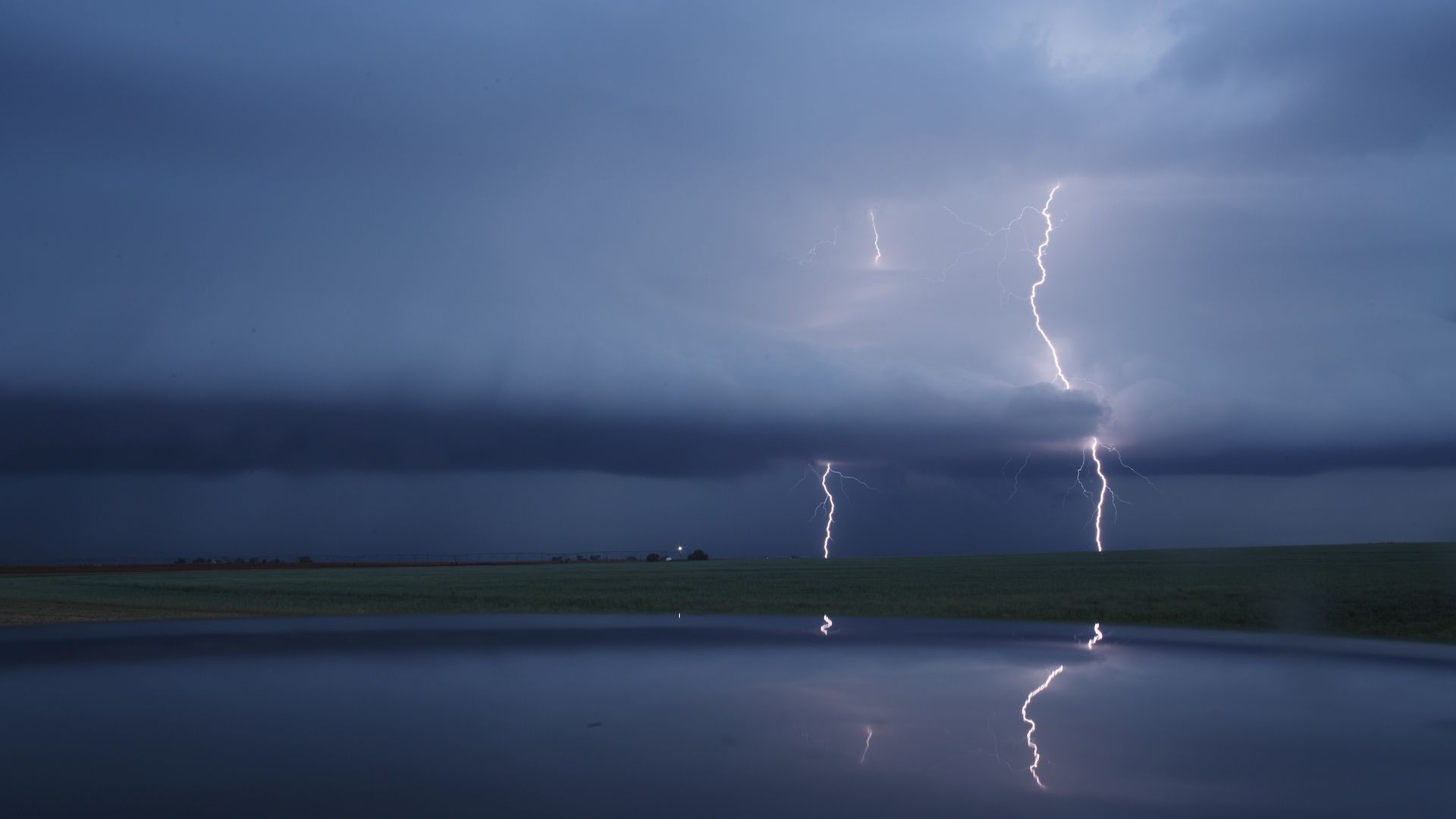
A dangerous and potentially deadly severe weather outbreak is underway across the southern Plains, particularly in northern Texas and across Oklahoma, as a rare and especially volatile mix of tornado and flash flood-producing ingredients combine.
The big picture: The intense storm system brought a series of tornadoes over Monday night. Some damage was reported, but the tornadoes did not cause as much destruction as forecasters feared, per AP. But it's not over yet.
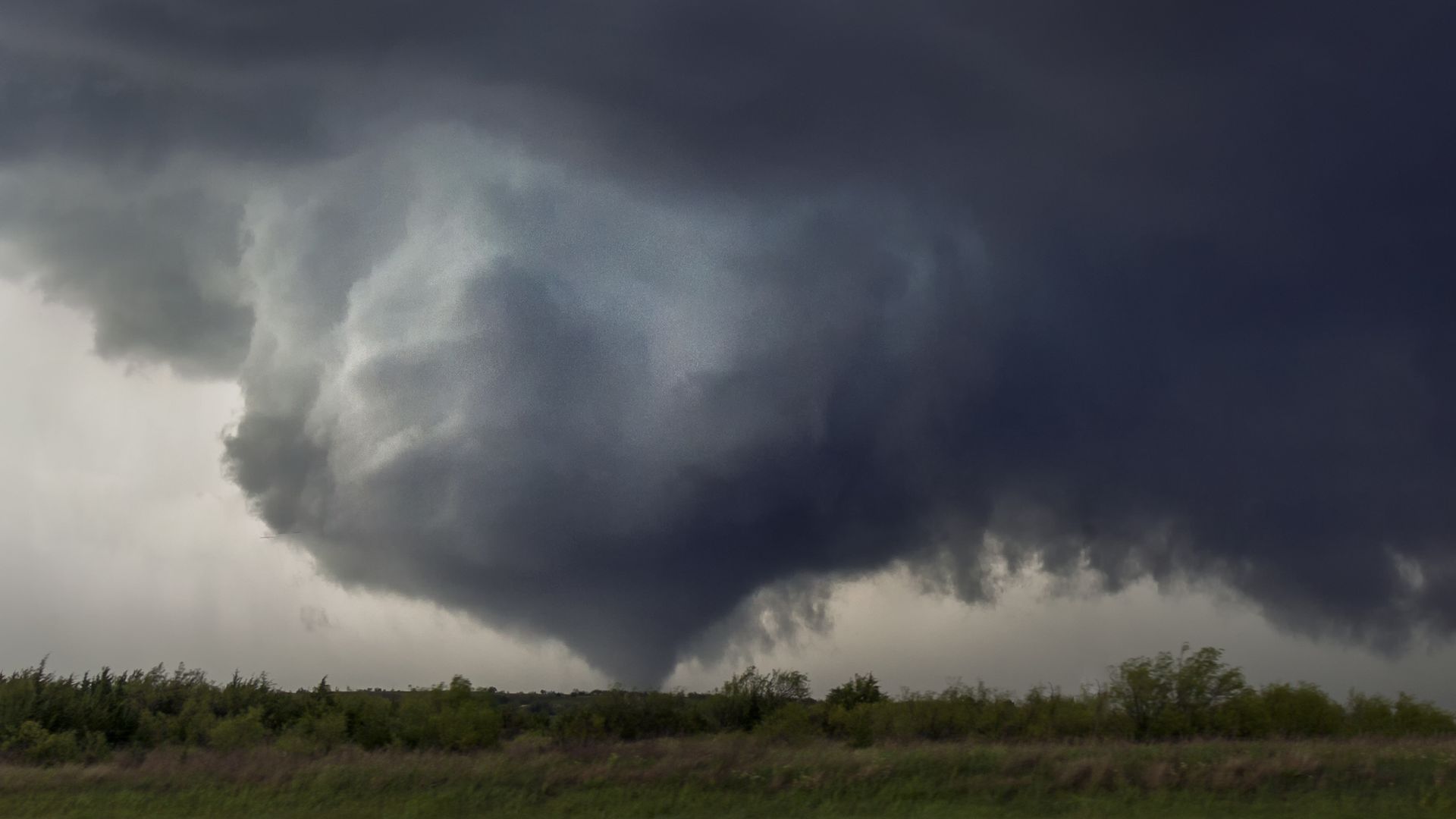
A tornado struck near Paducah, Texas, just after 3pm CST Monday, kickstarting a potentially deadly severe weather outbreak that's expected to continue to hit northern Texas and across Oklahoma through Tuesday.
Between the lines,per Axios' Andrew Freedman: An unusually powerful jet stream is roaring above the central and southern Plains, and there is plenty of wind shear (winds changing speed and/or direction with height) and powder-keg-like instability to trigger thunderstorms to erupt. Forecasters have warned of "significant threat to life and property" from this severe weather event, both from tornadoes and flash flooding.