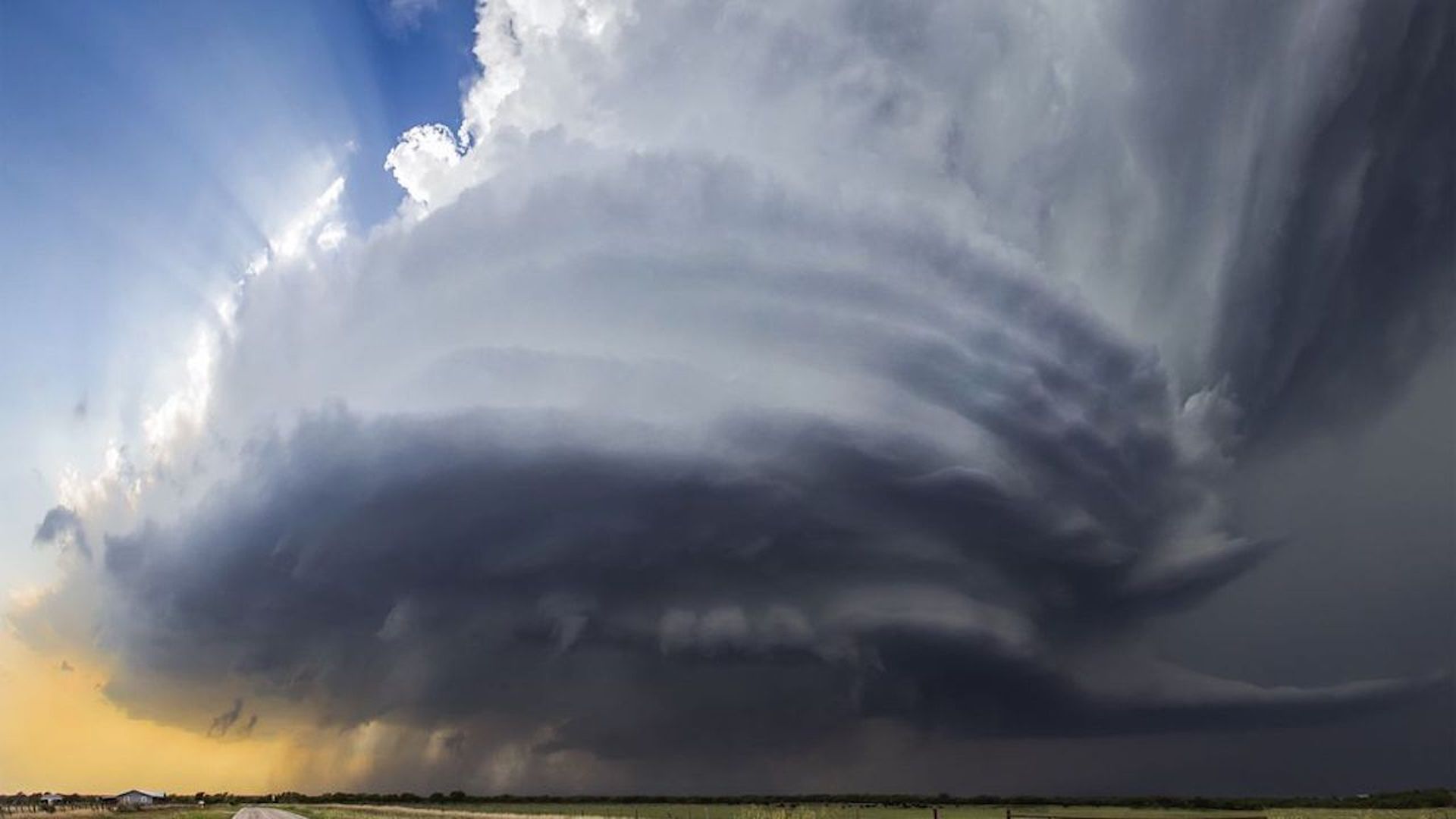
With a multiday severe weather outbreak poised to strike the central U.S., an armada of weather researchers is heading into the Plains. Their mission: to solve some of the elusive mysteries of tornado formation.
Why it matters: Scientists know what to look for on Doppler radar imagery to detect tornadoes, and the National Weather Service warns people with an average lead time of about 15 minutes. However, meteorologists have not overcome the hurdle of determining why one storm produces a tornado while another identical-looking storm does not, which is needed to improve the false alarm rate.
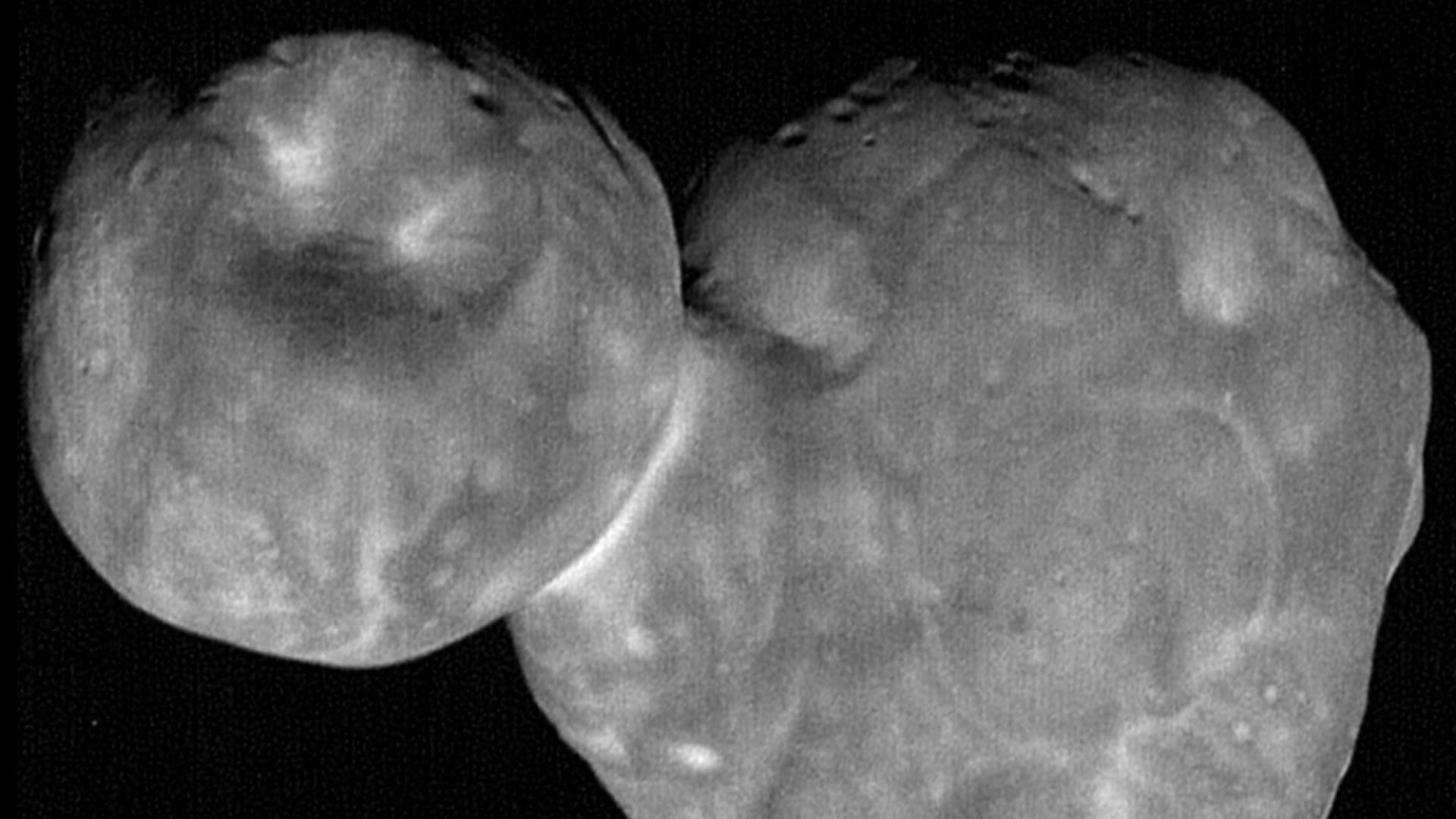
Newly analyzed results from NASA’s New Horizons flyby of Ultima Thule reveal clues about the evolution of our solar system, according to a new study published in the journal Science.
Why it matters: New Horizons found that Ultima Thule appears to be leftover debris from the early days of the solar system and has remained largely untouched by the heat of the sun since it formed 4.5 billion years ago. This means that any data gathered could help researchers piece together the ancient history of our solar system.
While scientists prowl the Plains in search of monster storms, others are looking at broader-scale trends that show tantalizing clues about how Tornado Alley may be shifting both geographically and temporally as the climate changes.
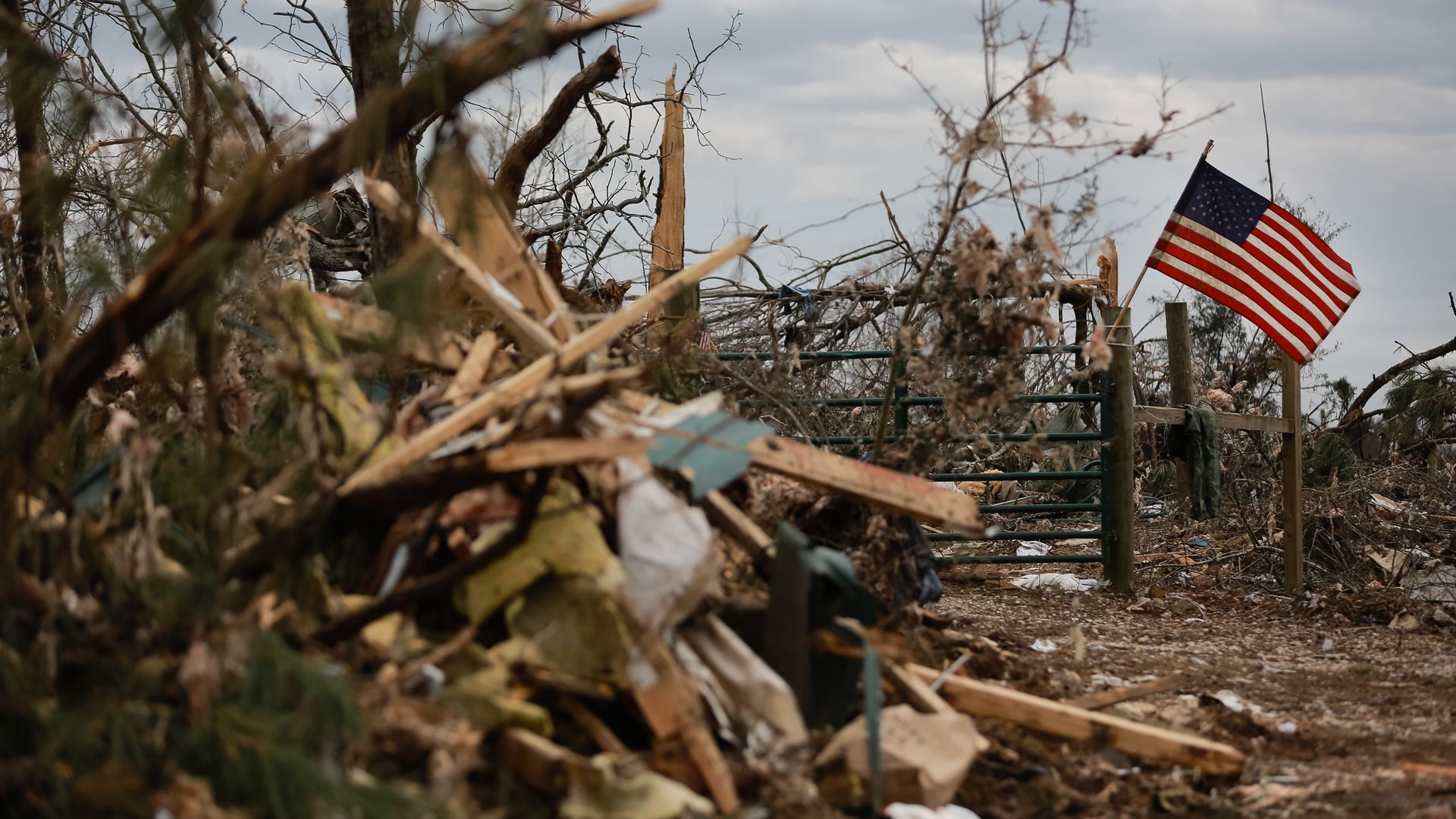
Why it matters: The U.S. has the greatest number of tornadoes of any nation on Earth, and where they occur affects emergency management preparations, insurance markets and individual decisions on whether to build a storm shelter. If, as global warming continues, Tornado Alley migrates, or outbreaks become more massive, this would shift the risk distribution.
Violent storms are set to hit the Central U.S. starting on Friday and lasting into the following week, potentially bringing damaging winds, large hail, tornadoes and flooding, the Washington Post reports.
Our thought bubble from Axios’ Andrew Freedman: Meteorologists see warning signs flashing red during the next several days as a strong jet stream disturbance brings the ingredients necessary for round after round of severe weather to the Central U.S. In addition to tornadoes, there are major flash flooding concerns given the already water-logged ground in this region, and up to a foot of rain likely in some locations during the next 7 days.