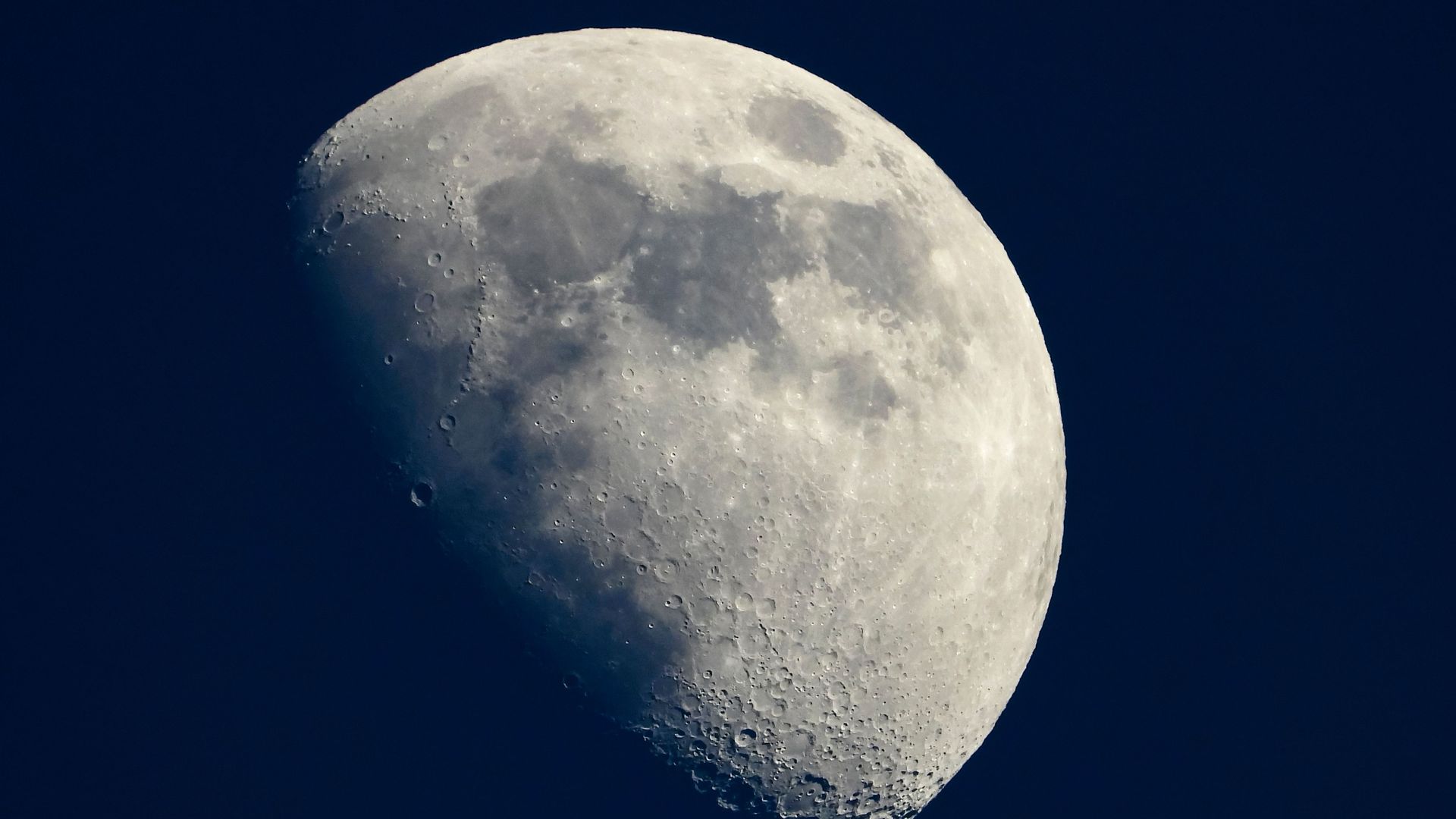
The Moon is cooling, shrinking and stretching, causing “moonquakes” that shake the lunar surface, according to a new study in the journal Nature Geoscience.
The big picture: The research paints a picture of the Moon as a dynamic object, not the dead rock we’ve imagined it to be in the past. The findings could also have implications for our understanding of how other relatively small, rocky bodies in the solar system evolve over time.
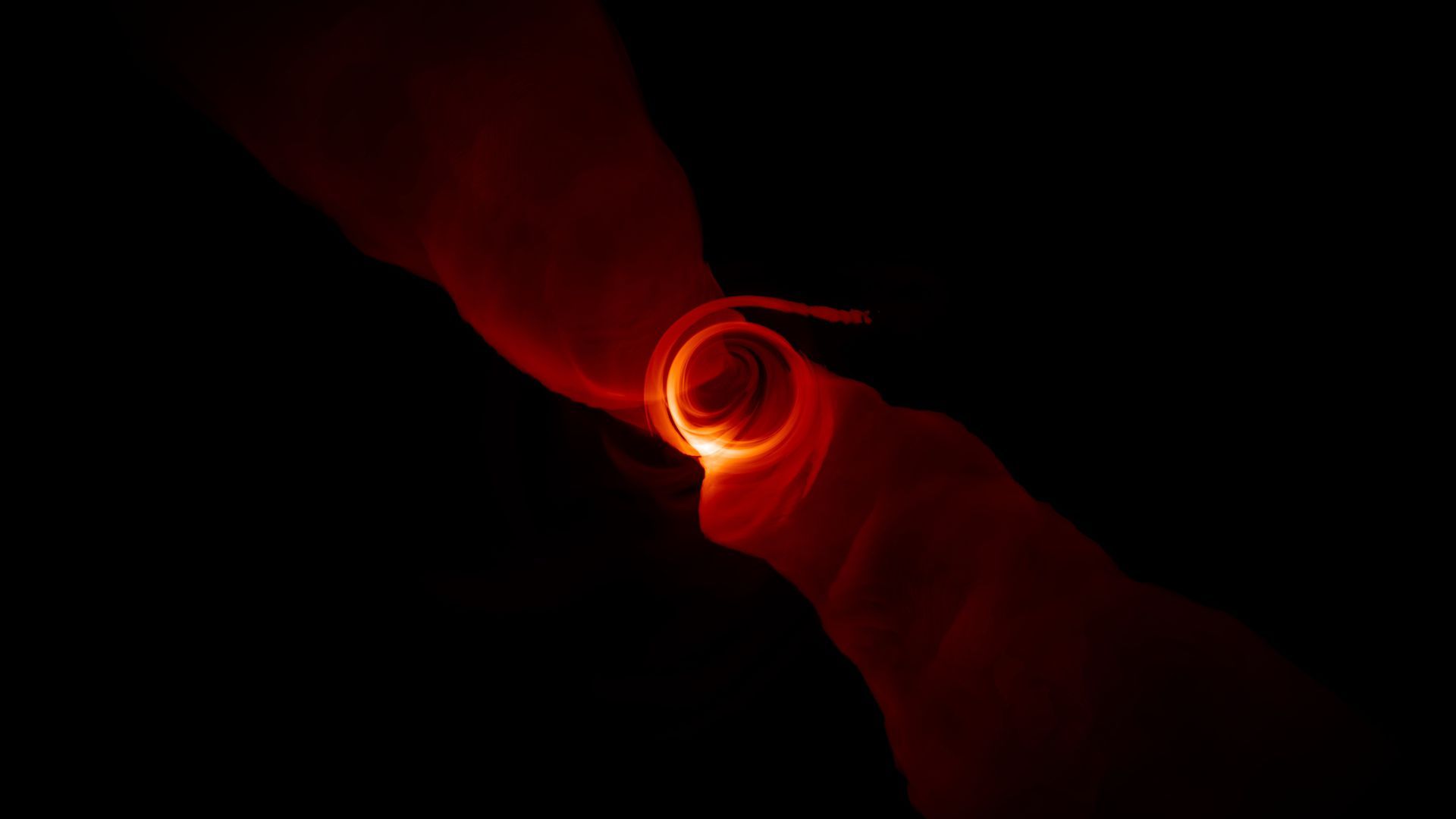
A couple of well-placed satellites in orbit above Earth could capture an incredibly detailed photo of the black hole at the center of our galaxy, scientists say in a new study in the journal Astronomy & Astrophysics.
Why it matters: If scientists can capture better photos of black holes, they might be able to push Einstein’s theory of general relativity closer to its limits.
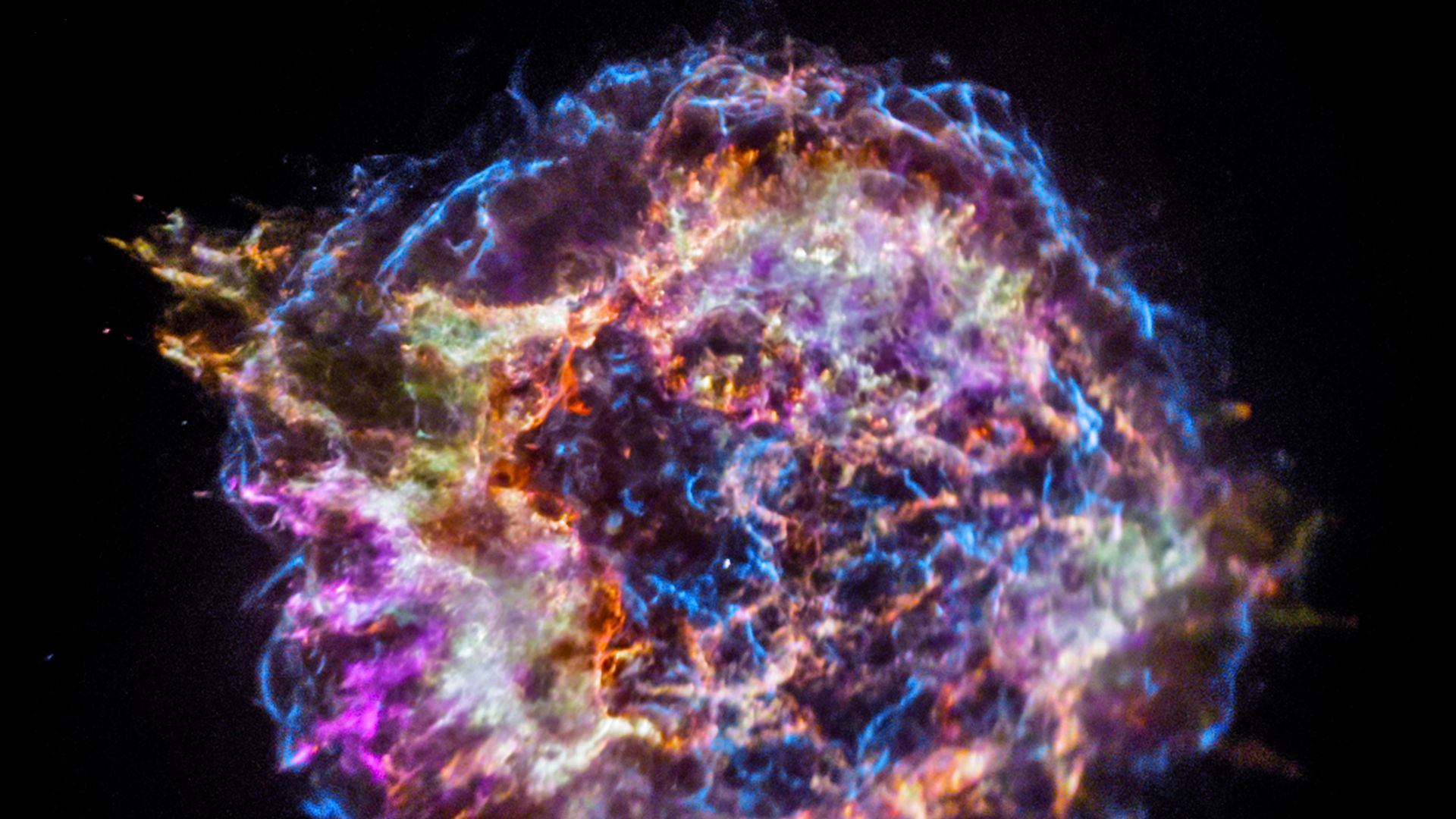
The first stars born just millions of years after the Big Bang are thought to have been massive, bright balls of helium and hydrogen, with heavy elements like carbon, zinc and iron forming in their cores.
Driving the news: A new study published in the Astrophysical Journal details how these stars died, seeding the universe with elements that eventually gave rise to our sun, planets, other stars and more.
The Trump administration will ask Congress to authorize another $1.6 billion for NASA in fiscal year 2020 in order to put the agency on track to return humans to the moon by 2024, President Trump tweeted Monday evening.
Why it matters: The administration had previously submitted a budget proposal to Congress that did not include funding for the ambitious moon mission, which moved the timeline for a crewed mission to the moon up by four years compared to NASA's previous plans. On a press call, NASA administrator Jim Bridenstine said the additional funding provides a "down payment" on NASA’s efforts to land humans on the moon by 2024 and that more funding will be required in later years.