We are desperate to fight forgetting — it scares us, it annoys us, and it can cost us. Yet there are also memories we want to forget.
Why it matters: Rather than being a flip side or failure of memory, forgetting is now being studied by neuroscientists as a brain process in its own right. They're starting to understand how neurons forget information, in hopes of developing new treatments for degenerative diseases that cause debilitating forgetting and for helping those who need to forget.
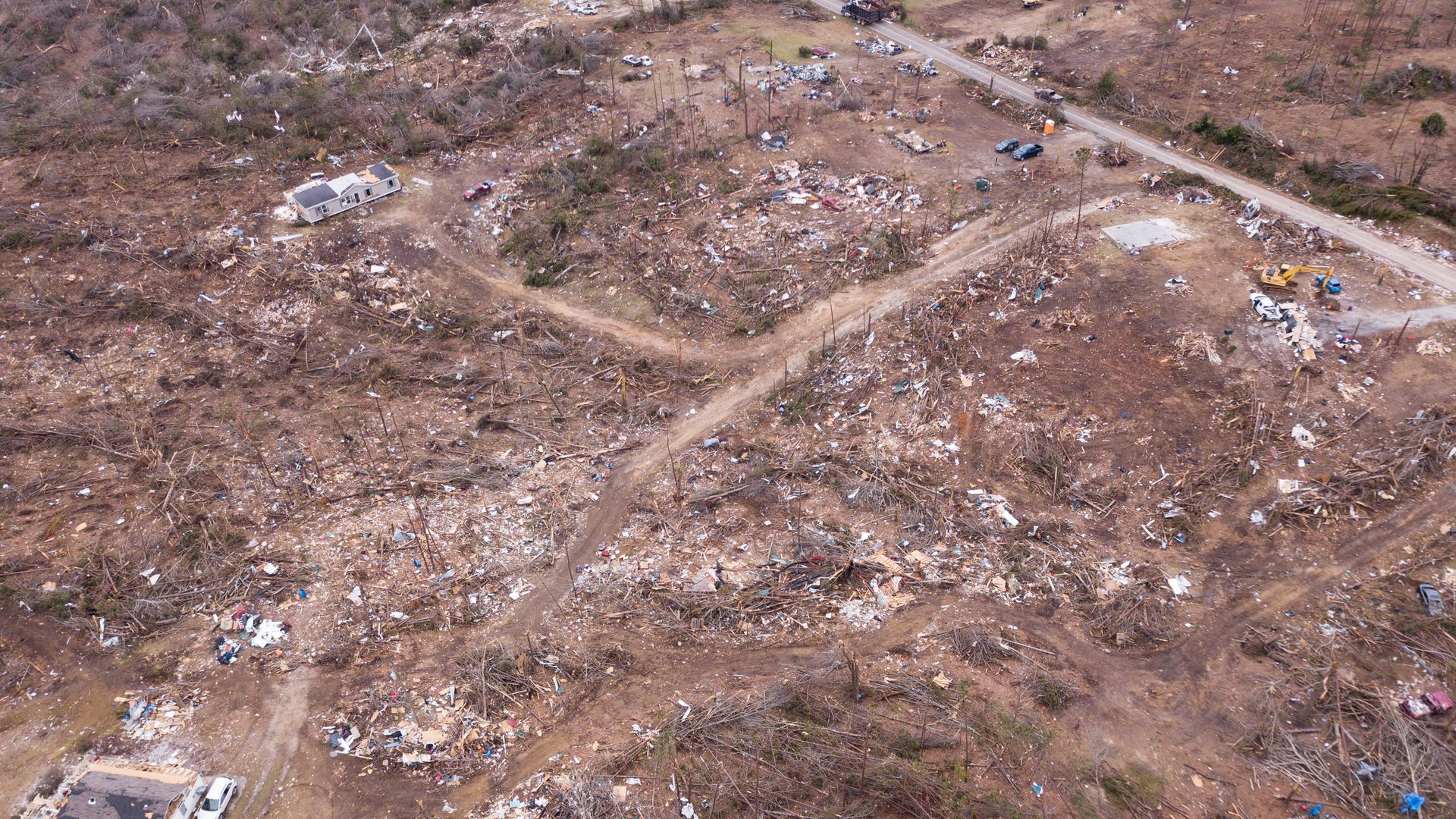
Since February 2007, the National Weather Service has used the Enhanced Fujita Scale to measure the intensity of tornadoes. After the tornado strikes, meteorologists survey the damage it caused and assign a "rating" based on estimated wind speeds corresponding with the damage.
The backdrop: The EF scale is an updated version of the Fujita Scale, which was first introduced in 1971. The enhanced scale takes into consideration how winds affect certain types of structures in the tornado's path. It looks at how those structures are designed and how the design might impact the destruction they face.
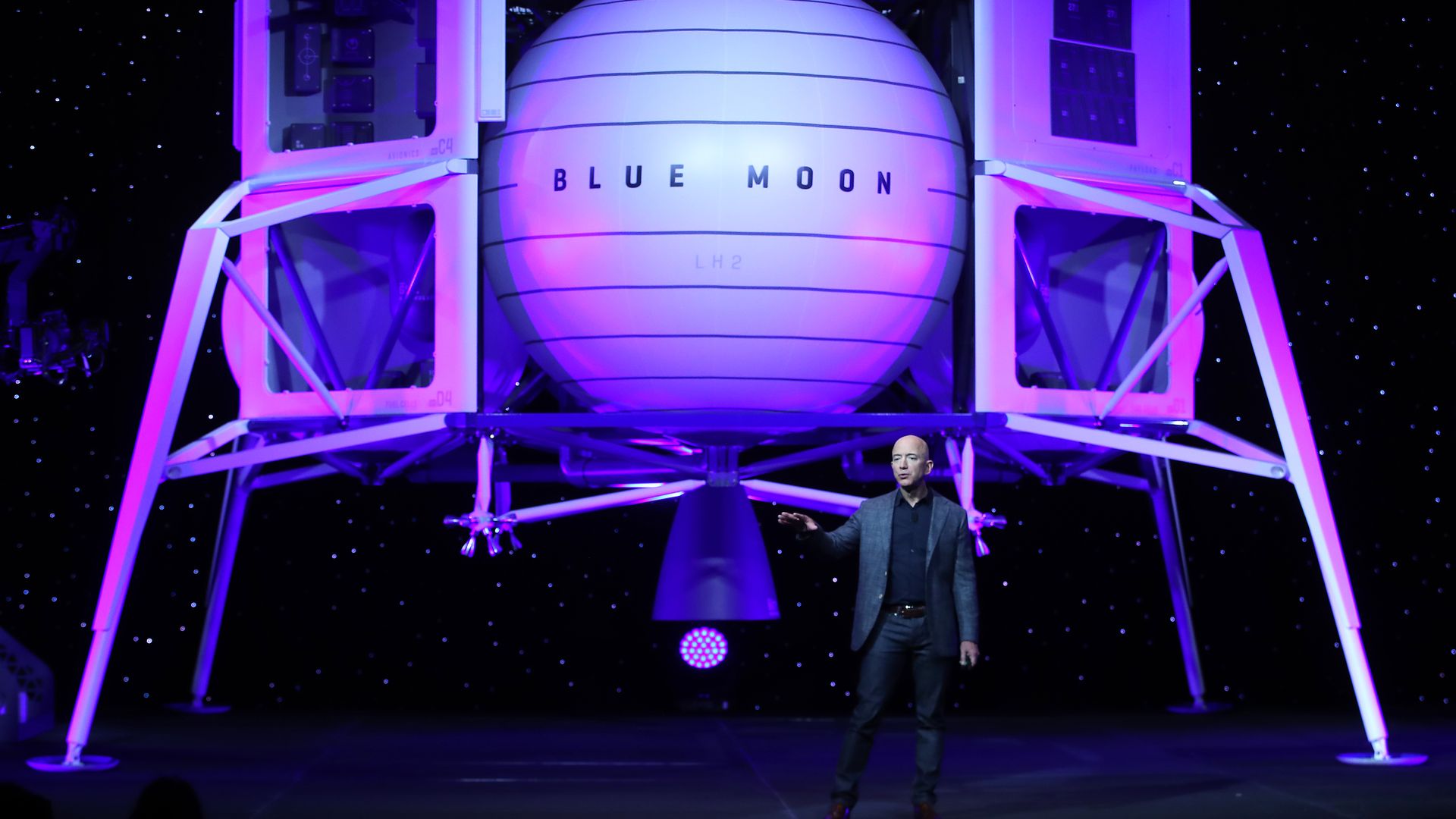
Jeff Bezos' Blue Origin is a private space company hoping to send paying customers to space in the very near future. Bezos has often stated the company's goal is to help bring about a future in which millions are living and working in space.
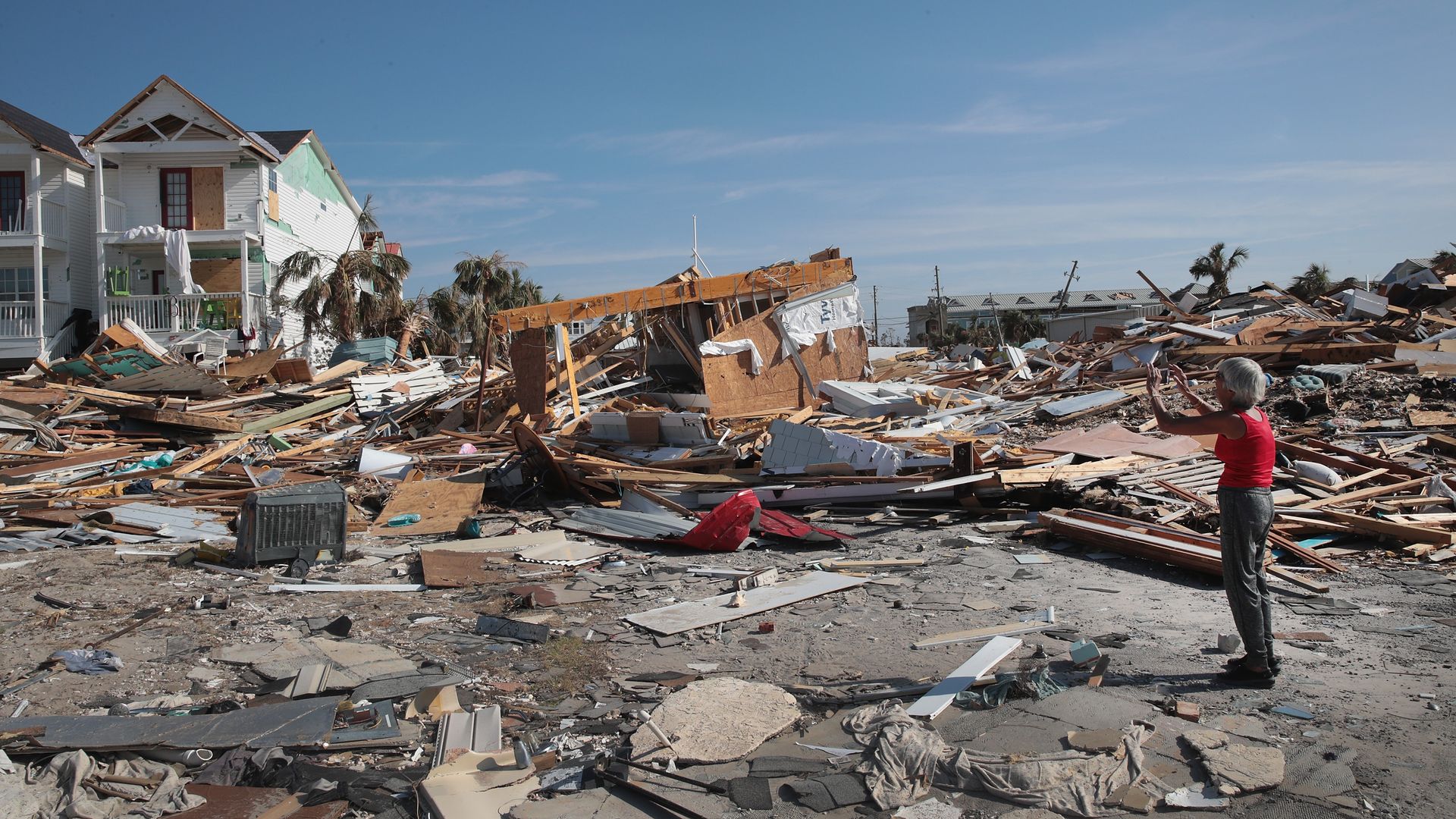
Hurricanes are classified using the Saffir-Simpson Hurricane Wind Scale — a 1 to 5 rating that's based on maximum sustained wind speed, according to the National Hurricane Center.
Background: The scale also assesses potential property damage from strong winds, with "Category 3" hurricanes and higher considered to be "major" hurricanes. The scale was created by Herbert Saffir and Robert Simpson in 1971 and introduced to the public in 1973. It was updated in 2010 to solely reflect wind speed and not storm surge or other factors.
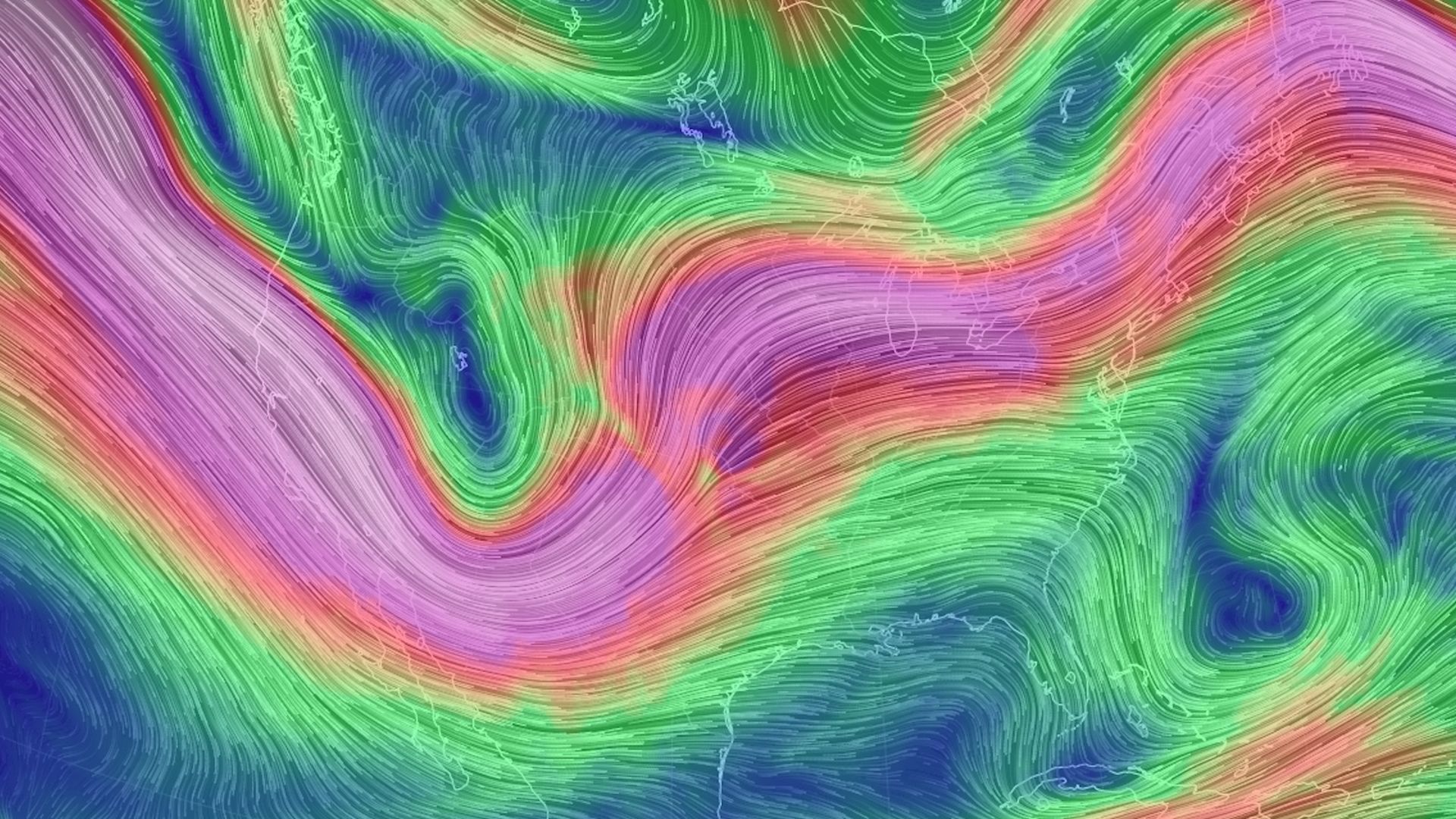
Depending where you live in the U.S., you might experience severe thunderstorms, flooding rains, sizzling heat, or unseasonable cold and snow during the next five days as an unusually divisive weather pattern develops across the Lower 48.
Why it matters: There is the potential for multiple rounds of severe thunderstorms in the nation's midsection, beginning on Friday, and continuing this weekend into next week. Because soils are so saturated in the central states, flooding will be a major concern with this weather pattern, which will feature a collision between late winter-like cold in the Rockies and Mountain West and sizzling mid-summer weather in the Southeast.