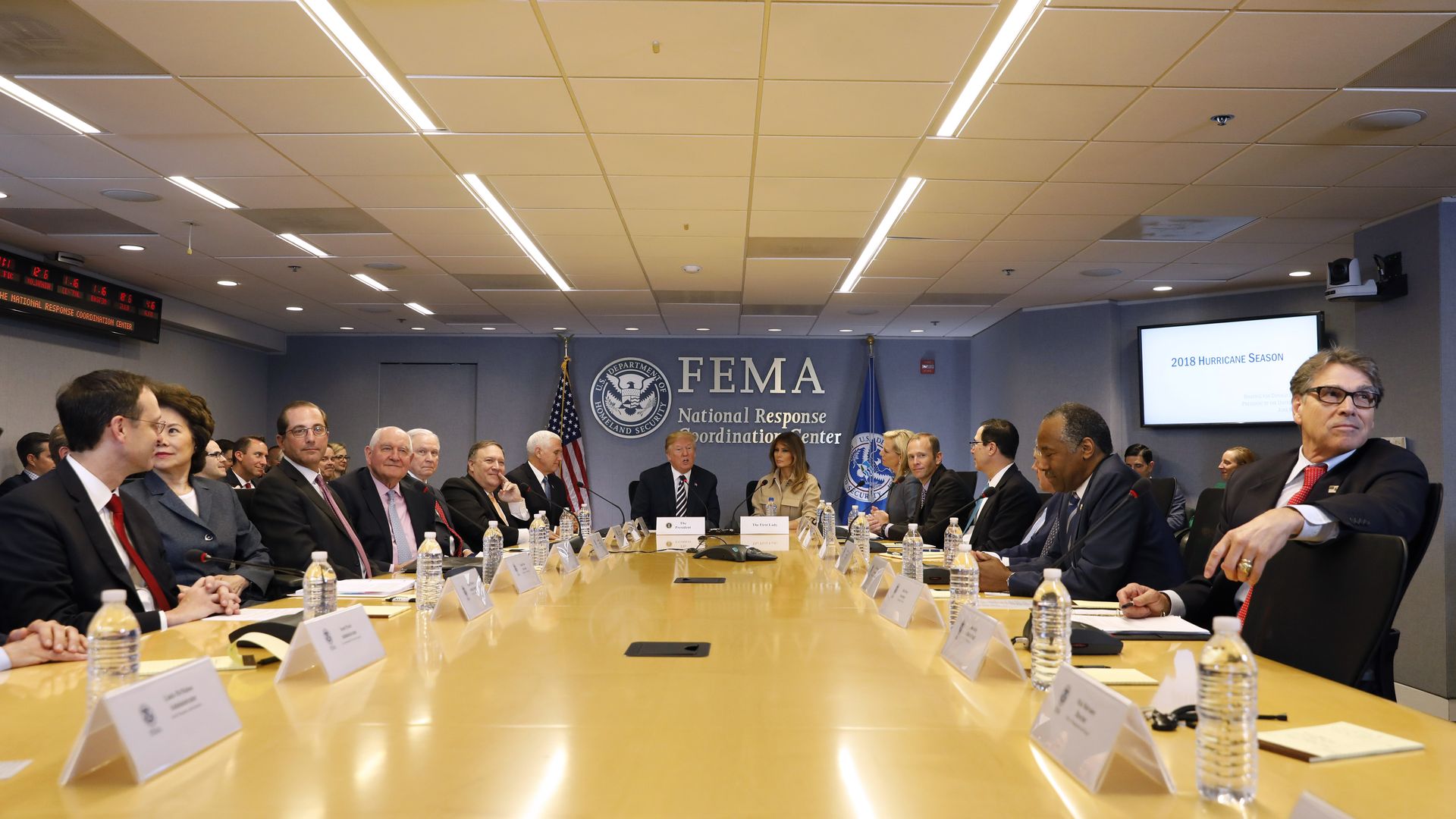
Officials from the Federal Emergency Management Agency admitted on Friday to a data "incident" involving the personal and banking information of 2.5 million U.S. disaster survivors who used FEMA's Transitional Sheltering Assistance program, the Washington Post reports.
Details: Those effected survived natural disasters including hurricanes Harvey, Irma and Maria. The release of the information could result in identity theft and fraud, according to a watchdog report dated March 15. FEMA Press Secretary Lizzie Litzow explained in a statement that the security blunder was the result of FEMA "oversharing" "unnecessary" amounts of personal details during the process of transferring disaster survivor information to a contractor. Litzow also said the government agency is taking "aggressive measures to correct this error," per the Post.
Editor's note: This story has been corrected to say the release of information was not a "breach."
The big picture: The national security consequences of climate change, mainly through extreme weather events, are here and now, Axios Science editor Andrew Freedman emails.
The mayor of San Juan, Carmen Yulín Cruz, announced her run for governor of Puerto Rico, AP reports.
The big picture: She is challenging Gov. Ricardo Rosselló, who is seeking a second term.Cruz became well-known as a critic of President Trump after Hurricane Maria devastated Puerto Rico in 2017.
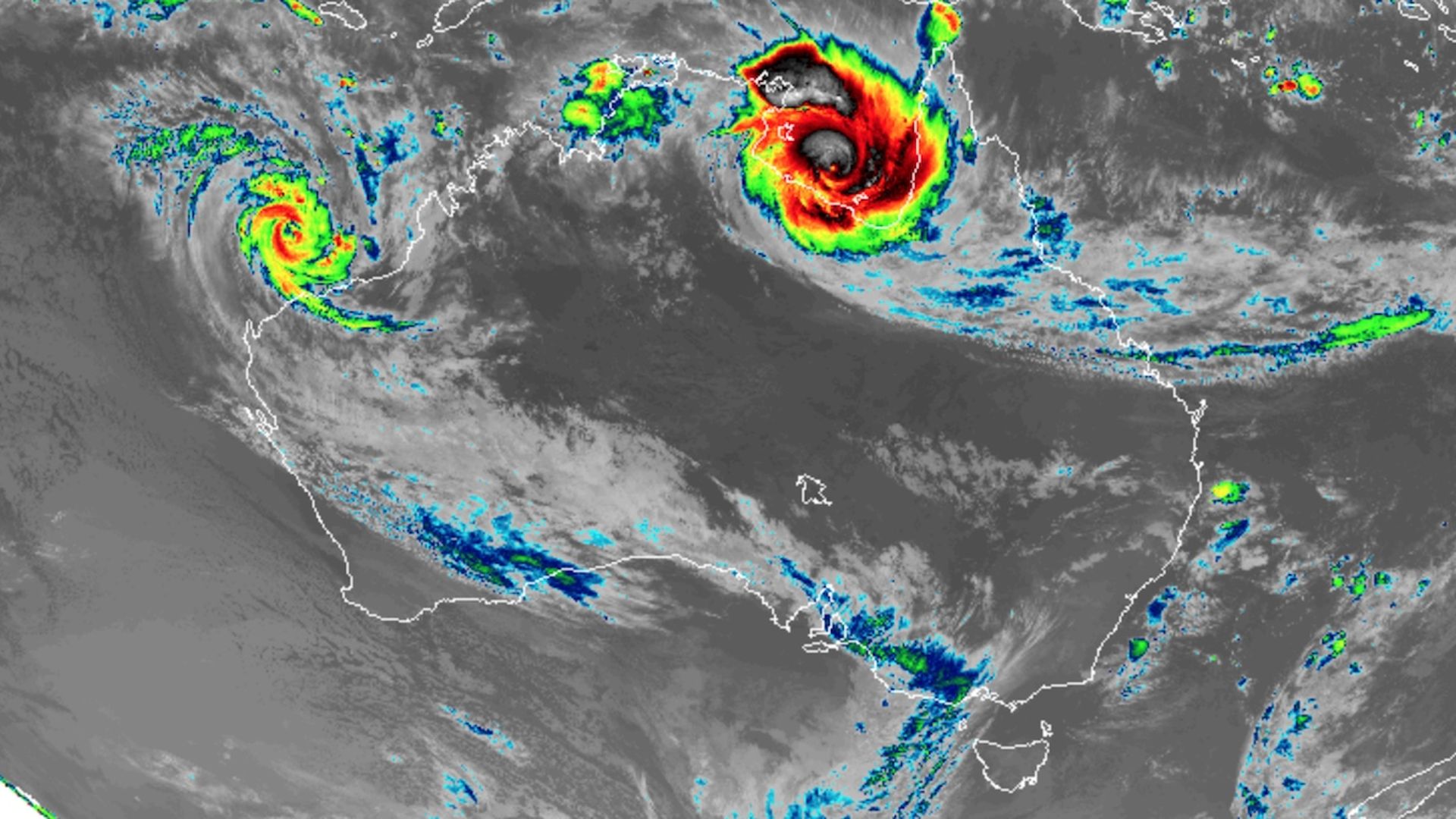
Two ferocious cyclones are taking aim at Australia this weekend, with the possibility that both could make landfall as Category 4 or greater storms within 24 hours of each other. If that happens, it would mark only the second time in the country's history that such a weather event has occurred.
Why it matters: Cyclone Trevor, in the Gulf of Carpenteria, and Cyclone Veronica, off Western Australia, are each intensifying while moving slowly toward land. These storms threaten to bring storm surge flooding to the coast, damaging winds and excessive inland rainfall. Of the two, Cyclone Veronica appears poised to hit a more populated part of the country, potentially coming ashore on March 24 near Port Hedland in Western Australia. That city of about 16,000 could be inundated by a powerful storm surge as the storm barrels slowly inland.
Weather-related natural disasters are on the rise, and AVs could become powerful tools for activating response systems and for collecting and sharing data, news and warnings.
Why it matters: Connected AVs could contribute to new emergency response networks by disseminating critical information, routing people away from disasters and possibly even dispatching emergency AVs on optimized routes.
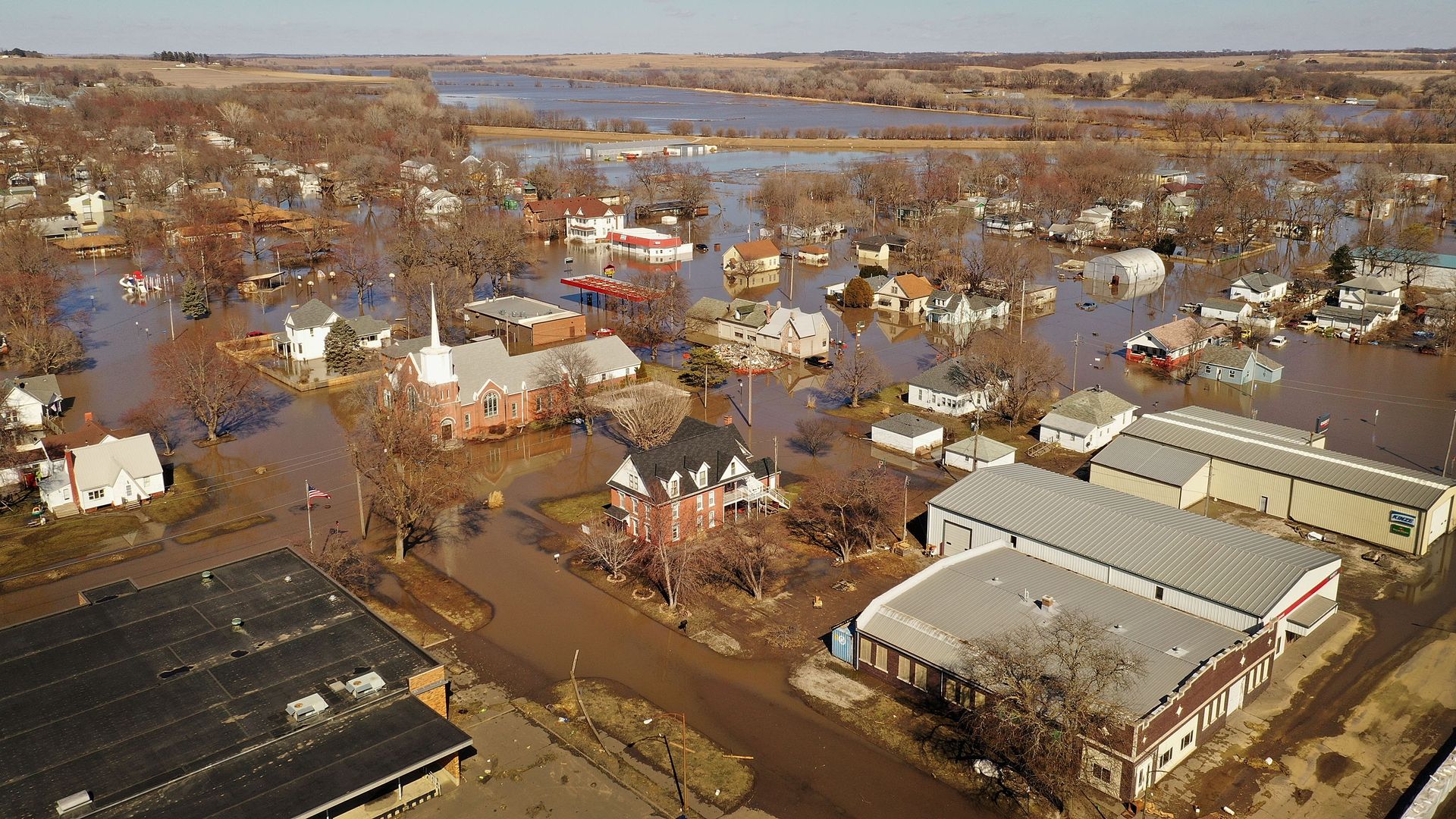
America's farmers are living through the worst economic crisis in almost 30 years, driven by low commodity prices, trade war pressures and record flooding.
Why it matters: What's ravaging U.S. farms are part of a trend that's upending economies and regions around the world. That may make this heartland downturn different from the ones before it. As NYT columnist Paul Krugman writes, rural America is being "undermined by powerful economic forces that nobody knows how to stop."
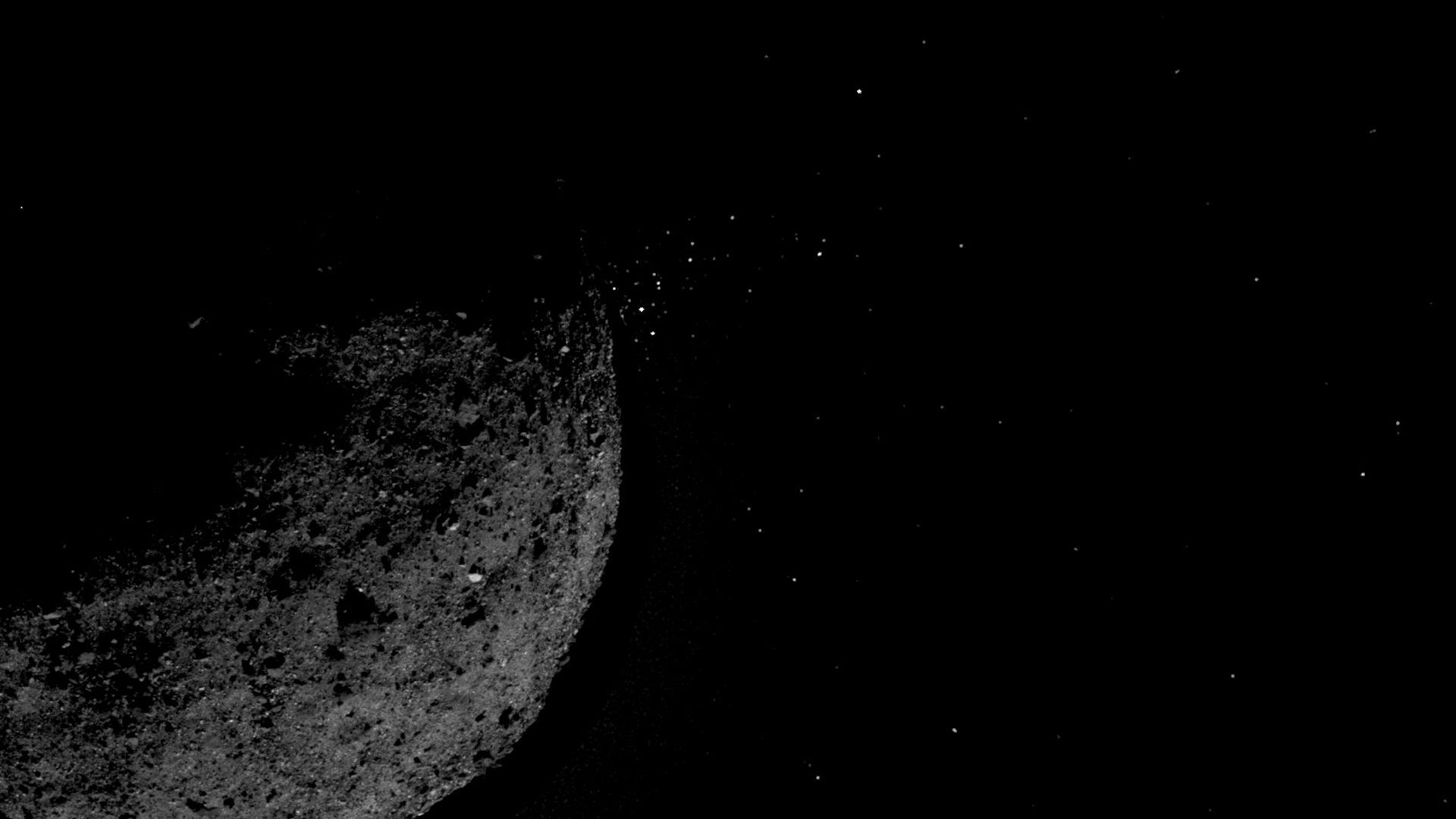
The near-Earth asteroid Bennu is an active asteroid that periodically ejects rocky material into space, according to early results from NASA's OSIRIS-REx Mission.
Why it matters: This is surprising, as the vast majority of known asteroids are inactive. In addition, NASA scientists hoping to land a spacecraft on Bennu to take samples back to Earth in 2023 have found the asteroid contains larger rocks than earlier thought, which could complicate the sampling mission.
What they're saying: "The extensive flooding we've seen in the past two weeks will continue through May and become more dire and may be exacerbated in the coming weeks as the water flows downstream. This is shaping up to be a potentially unprecedented flood season, with more than 200 million people at risk for flooding in their communities," writes Ed Clark, the director of NOAA's National Water Center.






/2019/03/21/1553201172300.gif?w=3840)