Wednesday's science stories

The "inland ocean" in the Indian Ocean
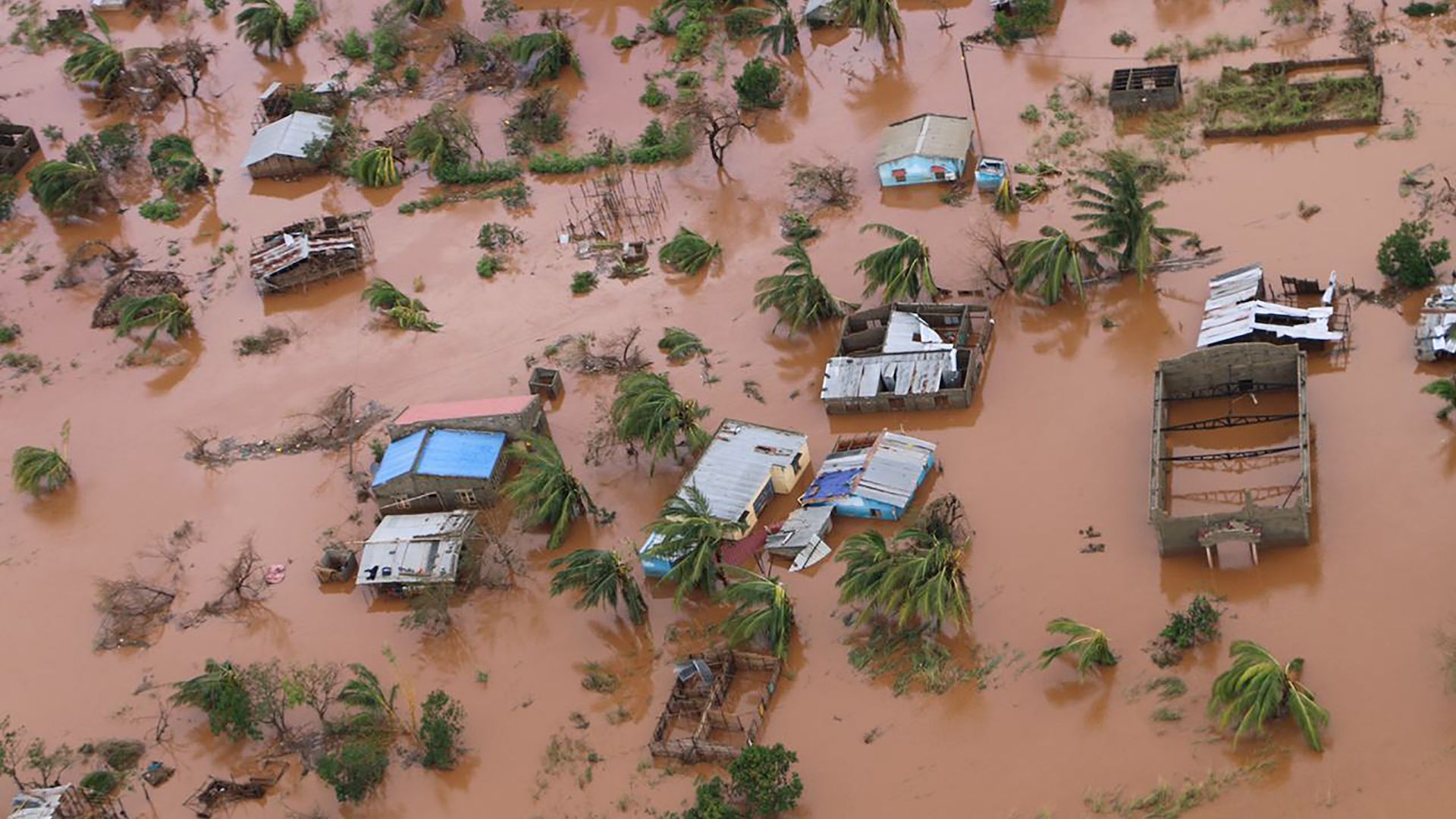
The mounting misery and destruction in the wake of Cyclone Idai, which roared into Mozambique on March 14 and 15, is becoming clearer — and more dire — as aid agencies struggle to assess the damage and deliver badly needed supplies to areas that are still submerged.
Why it matters: With the official death toll in three countries — Mozambique, Zimbabwe and Malawi — climbing past 300 and potentially headed for 1,000 or more, Cyclone Idai could become one of the worst weather disasters ever to strike the Southern Hemisphere, according to the World Meteorological Organization. Torrential rains are continuing in parts of the three-country region on Thursday, as floodwaters slowly drain into the Indian Ocean.

British satellite company Inmarsat gets private equity buyout

Inmarsat, a British satellite company, said it received a non-binding $3.3 billion takeover offer from a private equity consortium that includes Apax Partners, Warburg Pincus and the Canada Pension Plan Investment Board.
Why it matters: This is yet another big-money example of buyout firms returning to a familiar well, as Apax had helped buy Inmarsat in 2003 before later taking it public. It also comes about a year after Inmarsat turned down a $3.2 billion takeover bid from Echostar.

Mike Pence: Federal aid will arrive soon for flood-hit Midwest towns
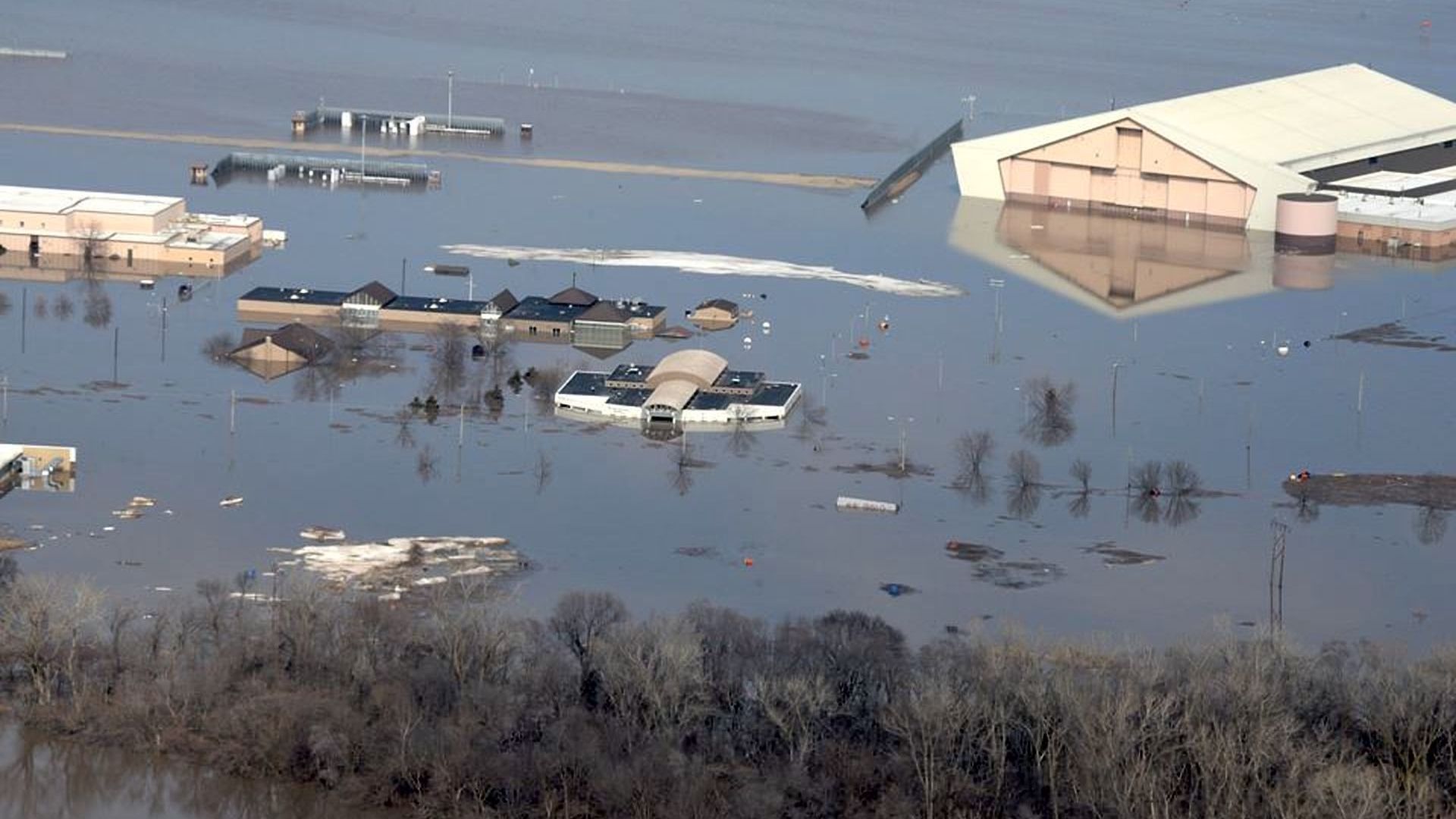
Vice President Mike Pence said Tuesday that federal aid would soon arrive for communities impacted by historic flooding in the Midwest.
The latest: Pence visited a relief shelter in Omaha, Nebraska, and surveyed flood damage in the region during a tour of the region. The Nebraska Farm Bureau said farm and ranch losses from the flooding could total $1 billion and there would be up to $500 million in livestock losses, according to the Associated Press.
Record flooding in Plains as seen through before and after photos

A combination of a cold winter, rapid snowmelt due to mild air and heavy rain from a massive "bomb cyclone," and other factors led to some of the worst flooding on record in Nebraska, Iowa, Minnesota and Wisconsin, and is beginning to affect downstream states. The extreme nature of the floods — which have overtaken large parts of Offutt Air Force Base, where America's nuclear forces are coordinated — is best seen from high above.
Why it matters: The floods have wiped out farms, killed an unknown amount of livestock, marooned entire towns and destroyed large infrastructure as rivers have risen, sending surges of water and chunks of ice churning downstream. While waters are receding in many locations in Nebraska, flooding is occurring further southeast into the Mississippi River Valley.
Historic Midwest flooding: Warnings in place as torrent continues

Much of the Midwest continued to be inundated with historic flooding Monday night.
The latest: The National Weather Service issued flood warnings and advisories for the Plains, the Mississippi Valley, and parts of the Ohio Valley region.
Go deeper: In photos: Staggering destruction from historic flooding in the Plains
The big picture: Vice President Mike Pence would survey the damage from the "terrible flooding" in Nebraska Tuesday, White House Press Secretary Sarah Huckabee Sanders said.
- Two-thirds of the town of Hamburg, just east of the Missouri river, was "lost,"Iowa Gov. Kim Reynolds said, according to NBC News, and 42 of Iowa's counties had declared emergencies.
- Mills County Emergency Management Director Larry Hurst told the Des Moines Register nobody knew when the water would subside, as it continued to smash through a levee break near the point where the Platte and Missouri rivers converge at Plattsmouth Toll Bridge. "I've got water all the way to the Loess Hills, he said. "There's water on this entire basin."
Why it matters: At least three people have died in ferocious flooding in the regions around the Platte and Missouri rivers, caused by melting snow and heavy rain from the "Bomb Cyclone" in the Midwest. Nebraska Gov. Pete Ricketts said it's the worst flooding in the state for 50 years. Dams have failed, levees breached and other infrastructure stripped away as raging floodwaters and chunks of ice move downstream.