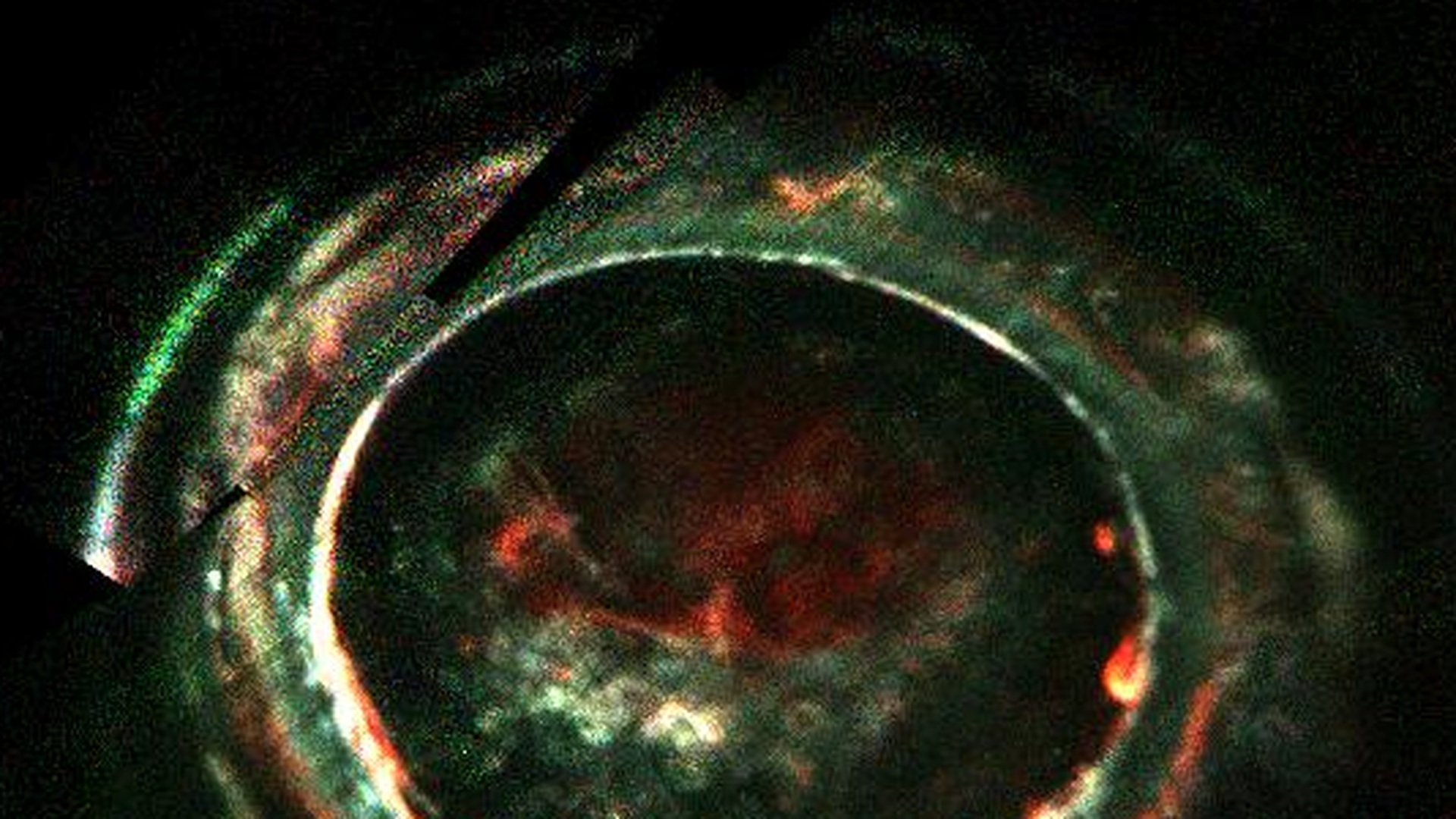
Jupiter is home to the solar system's most powerful auroras. Their source is a mystery but researchers reported this week that they now know the planet's auroras are generated by processes different from those on Earth.
How it works on Earth: Auroras are created when the solar wind blows over the planet's magnetic fields and drives electrons into oxygen and nitrogen in the atmosphere. Those electrons then emit photons that the luckiest of us get to see as the vibrant colors of the Northern and Southern Lights.
How it works on Jupiter: It's different. The rotation of the planet in its own magnetic field, not the solar wind, can generate 400,000 volts of charge as it pushes electrons toward the atmosphere. But unlike on Earth, that doesn't create Jupiter's brightest auroras.
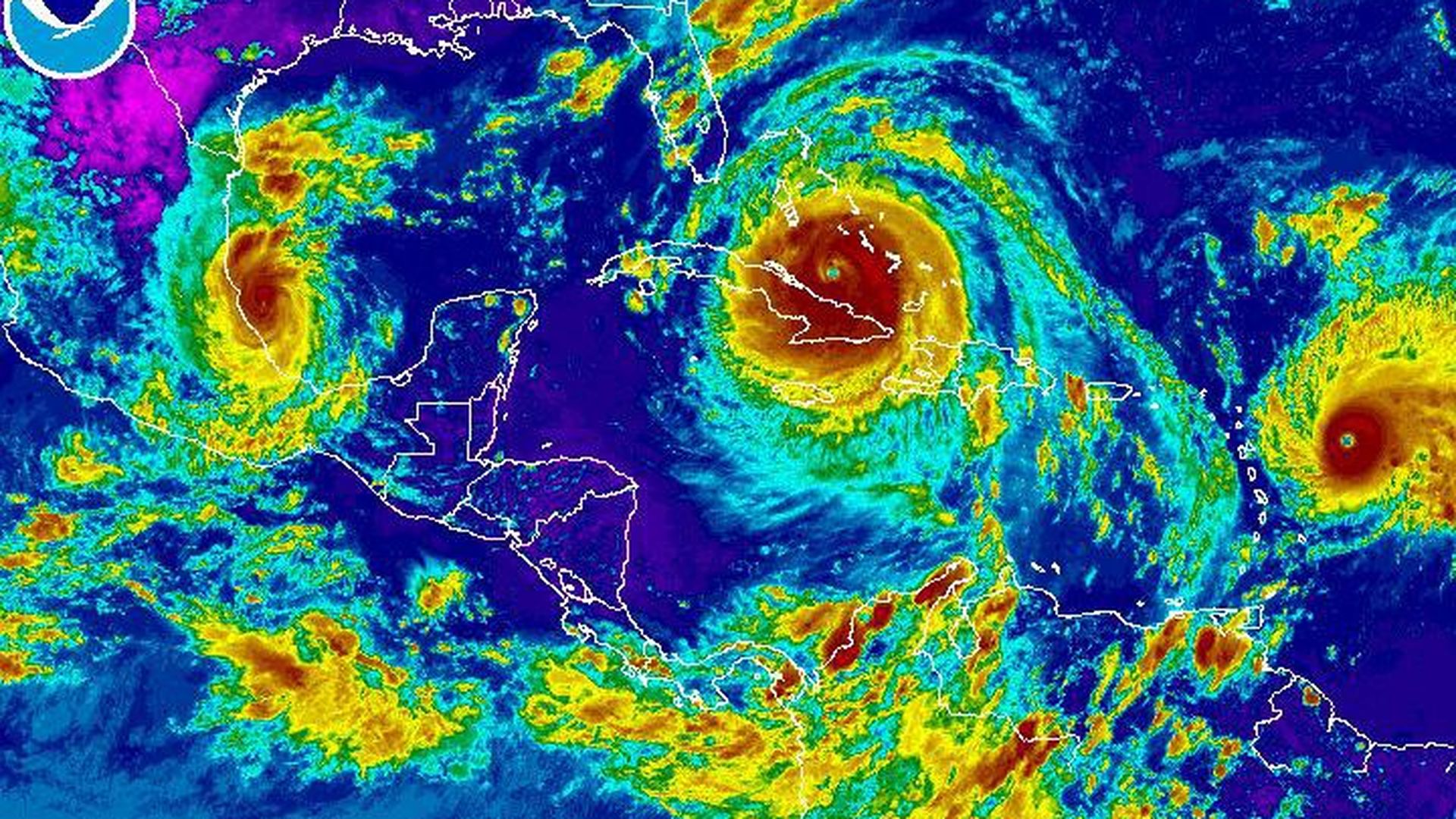
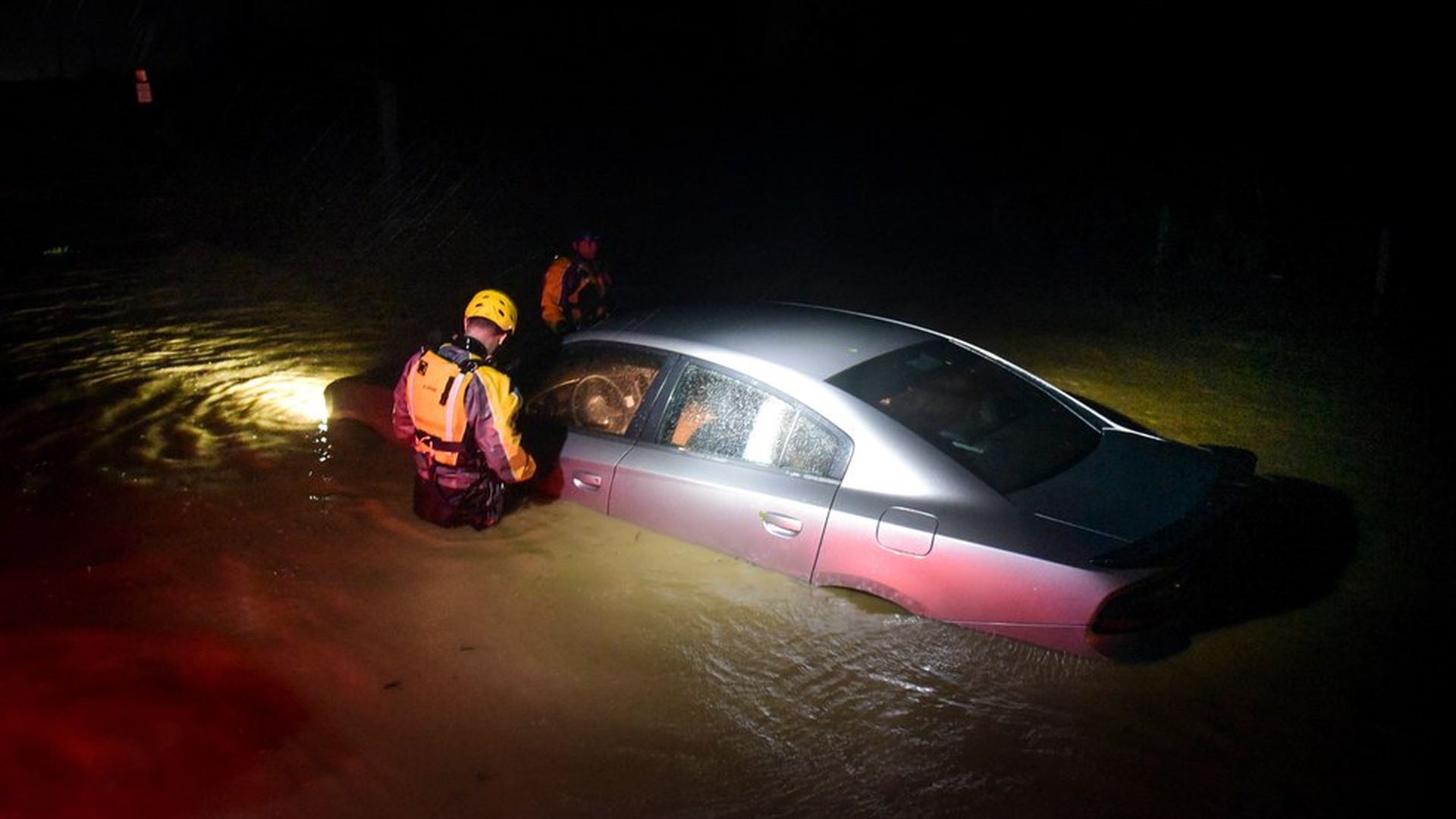
Hurricane Irma, one of the strongest storms to ever form in the Atlantic, is continuing to tear through the Caribbean as a Category 5 storm, having already devastated several islands, including Barbuda, St. Martin, the U.S. Virgin Islands, and Puerto Rico. Under the current forecast, the core of the storm, which has maintained its intensity with winds above 180 mph, is expected to hit Florida and the Southeast U.S. this weekend.
Where Irma is now: Raining down on northern parts of Haiti and the Dominican Republic, it lies between Hispaniola and the Turks and Caicos Islands. It may hit the Bahamas Thursday night. It's expected to approach Cuba Friday or Saturday. As of publishing, the National Weather Service said Irma was about 660 miles east-southeast of Key Largo, Florida, and the National Hurricane Center reports Miami is in Irma's direct path. Irma is expected to move southeast of the Upper Keys Saturday night.
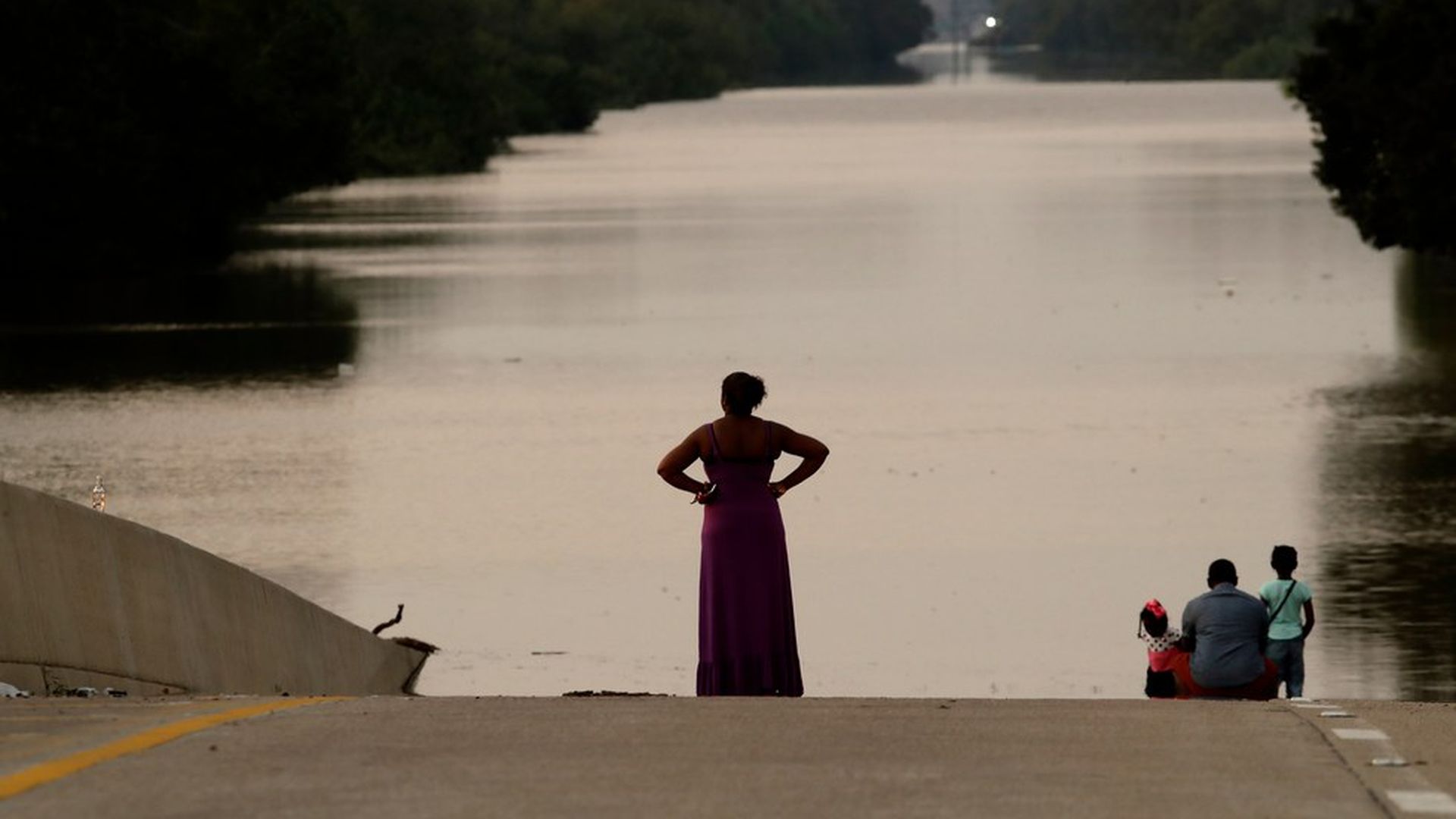
The rainfall from Hurricane Harvey may have caused Houston to sink by about 2 centimeters, according to Geophysicist Chris Milliner, a postdoctoral fellow at NASA's Jet Propulsion Laboratory at the California Institute of Technology.
How it works: Water weighs one ton per cubic meter — that's about 275 trillion pounds from Harvey — and because the floodwaters were so widespread, the Earth's crust "flexed," according to GPS data, Milliner writes.
What's next: It will bounce back in an "opposite elastic response of the crust" since it should be a temporary drop, Milliner told the Houston Chronicle.
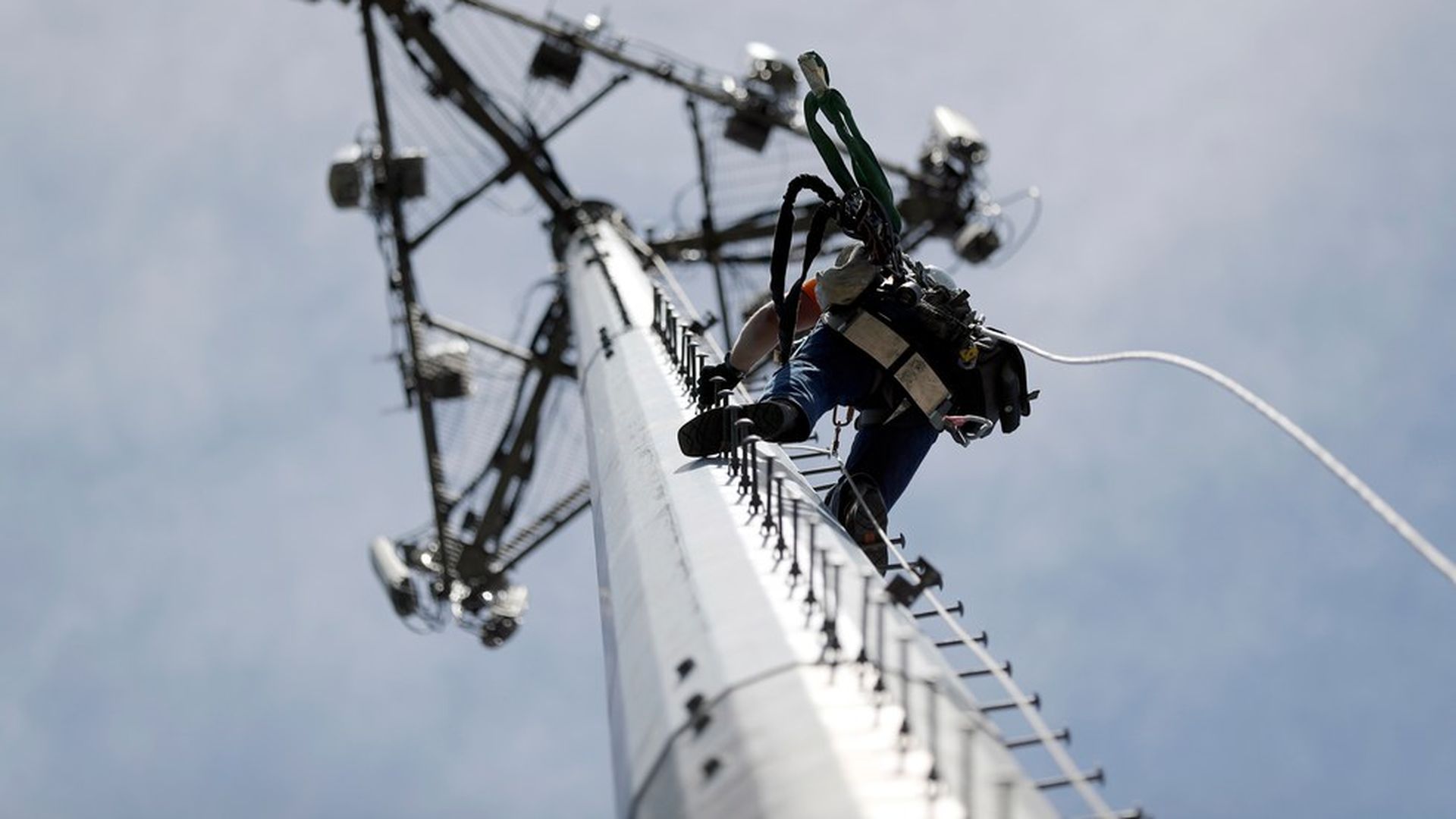
One of the big differences between Hurricane Sandy and Hurricane Harvey was the level of cellphone service customers were able to access during the storms.
The numbers: "25% of cell sites were down during Sandy compared to 5% down during Harvey," CTIA chief Meredith Attwell Baker said in an interview. "That's a significant resiliency improvement."
One company's response: T-Mobile COO Mike Sievert said that the company knows just how important cell phones are to its customers during a disaster and does everything it can — from hardening its network gear, to offering free service in the wake of disasters or delivering free phones to those whose phones are lost or damaged.
"It really matters to (customers) whether you can keep that service going," Baker said. "By and large we did."
This is a history of every Atlantic storm tracked by the National Oceanic and Atmospheric Administration since 1987.
Note: The Atlantic storm season spans June 1 through November 30. Storms do occur outside of that window, but not all of them are shown here; Data: National Oceanic And Atmospheric Administration; Chart: Chris Canipe / Axios