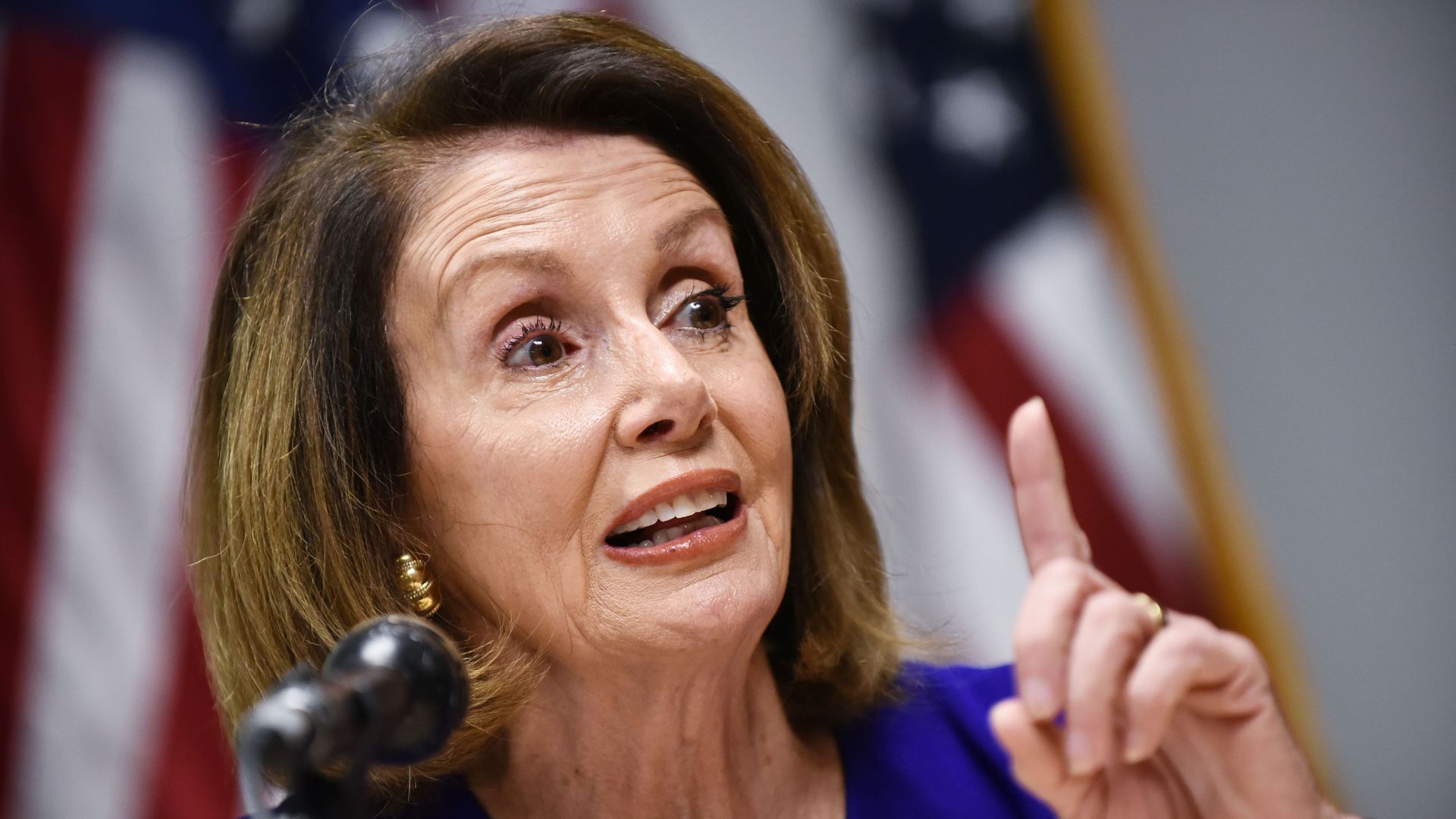
Was Trump trolling when he offered on Saturday to personally whip votes to help Nancy Pelosi become speaker of the House?
Between the lines: I asked that question to about a dozen current and former White House officials and sources close to the president. None of them knew, including a source who spoke to the president on Saturday.
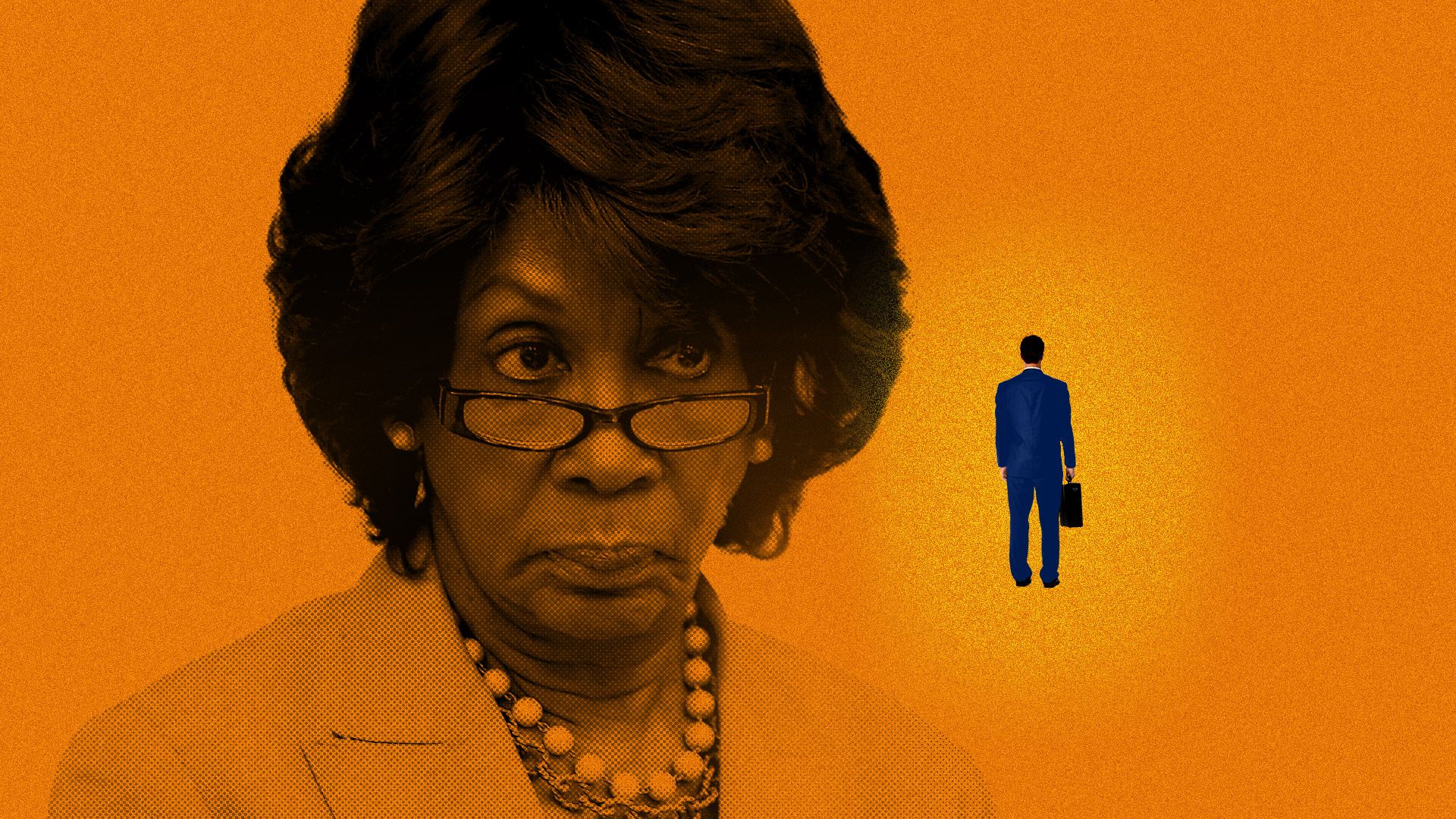
Democratic Rep. Maxine Waters is proposing a new direction for the House Financial Services Committee, which she will almost certainly lead in the next Congress, Axios has learned.
Between the lines: The most notable proposed change: is lumping oversight of “International Financial Institutions" — which could mean anything from the World Bank to foreign banks — with the existing Terrorism and Illicit Finance subcommittee, while scrapping the Monetary Policy and Trade subcommittee.
President Trump has never wanted to make a big deal out of the assassination of journalist Jamal Khashoggi, which the CIA reportedly has concluded was ordered by the Crown Prince Mohammed bin Salman.
Behind the scenes: Trump has privately called the assassination "really bad," but immediately adds that other countries America deals with, including China, do "a lot of bad things," according to sources with direct knowledge. Trump has also privately told associates he thinks it's ridiculous that people are making so much of the Saudi murder of one man, given the brutal practices of countries like China.
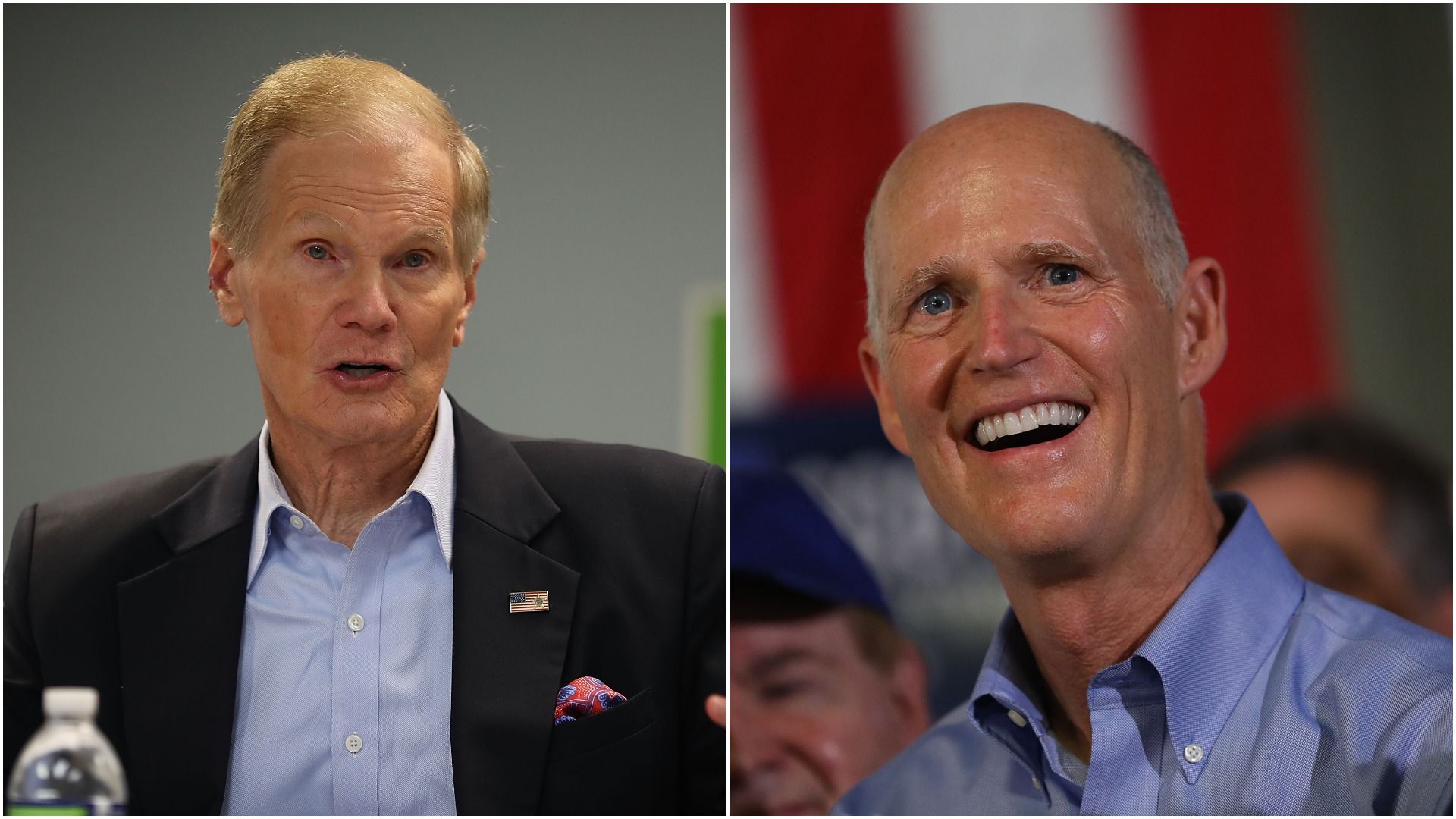
Democratic Sen. Bill Nelson conceded the highly contested Florida Senate race to Florida Republican Gov. Rick Scott, according to a statement from Scott. After rounds of recounts in the state, Scott maintained a lead of about 10,000 votes.
Why it matters: Nelson was one of 10 Senate Democrats running for re-election in a state Donald Trump won in 2016. His defeat at the hands of Scott, a two-term governor, will help Republicans consolidate their Senate majority. The bitter and expensive race comes to an end after two rounds of mandatory recounts and a series of dueling lawsuits and unfounded accusations of voter fraud from the Scott camp.
Members of the most diverse incoming congressional class in American history joined Sunday's cable news talk shows to discuss a range of topics, including how their unique perspectives will play a role in trying to bridge a divided nation.
The big picture: On ABC's "This Week," where host Martha Raddatz interviewed five of the record number of women who will serve in the new Congress, Rep.-elect Chrissy Houlahan (D-Pa.) said the success of diverse candidates in the midterms is "an important step for Congress to better represent the face of the nation. And as you can see from our faces, I think we're a better representation of what's been missing in Congress."
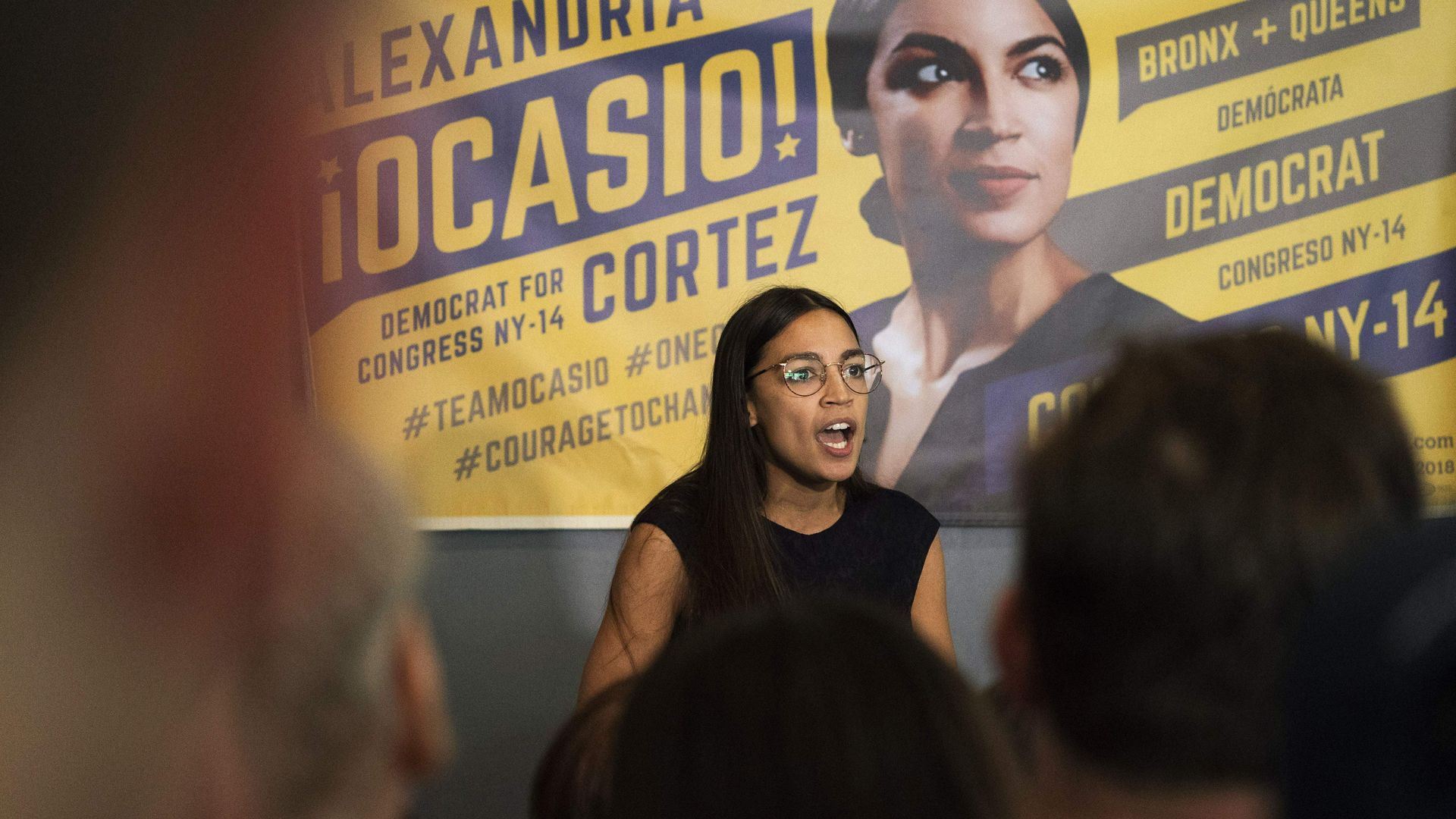
Rep.-elect Alexandria Ocasio-Cortez (D-N.Y.) endorsed a national campaign on Saturday that seeks to find progressive Democratic candidates to run against incumbent Democrats deemed too conservative or out of touch with their home districts.
Why it matters: It's part of a concerted effort from the Democrats' progressive wing to shift the party further to the left by replicating Ocasio-Cortez’s playbook after she shockingly defeated Rep. Joseph Crowley (D-N.Y.), who was viewed as a possible successor to Nancy Pelosi as House Democratic leader.
Sen. Jeff Flake (R-Ariz.) told CNN's "State of the Union" that he's "very concerned" about Republicans' chances in the 2020 presidential election — both in Arizona and in suburbs around the country. Discussing his home state, which just flipped his Senate seat to Democrat Kyrsten Sinema, Flake said, "You cannot run as someone who is tied at the hip with the president and win statewide."
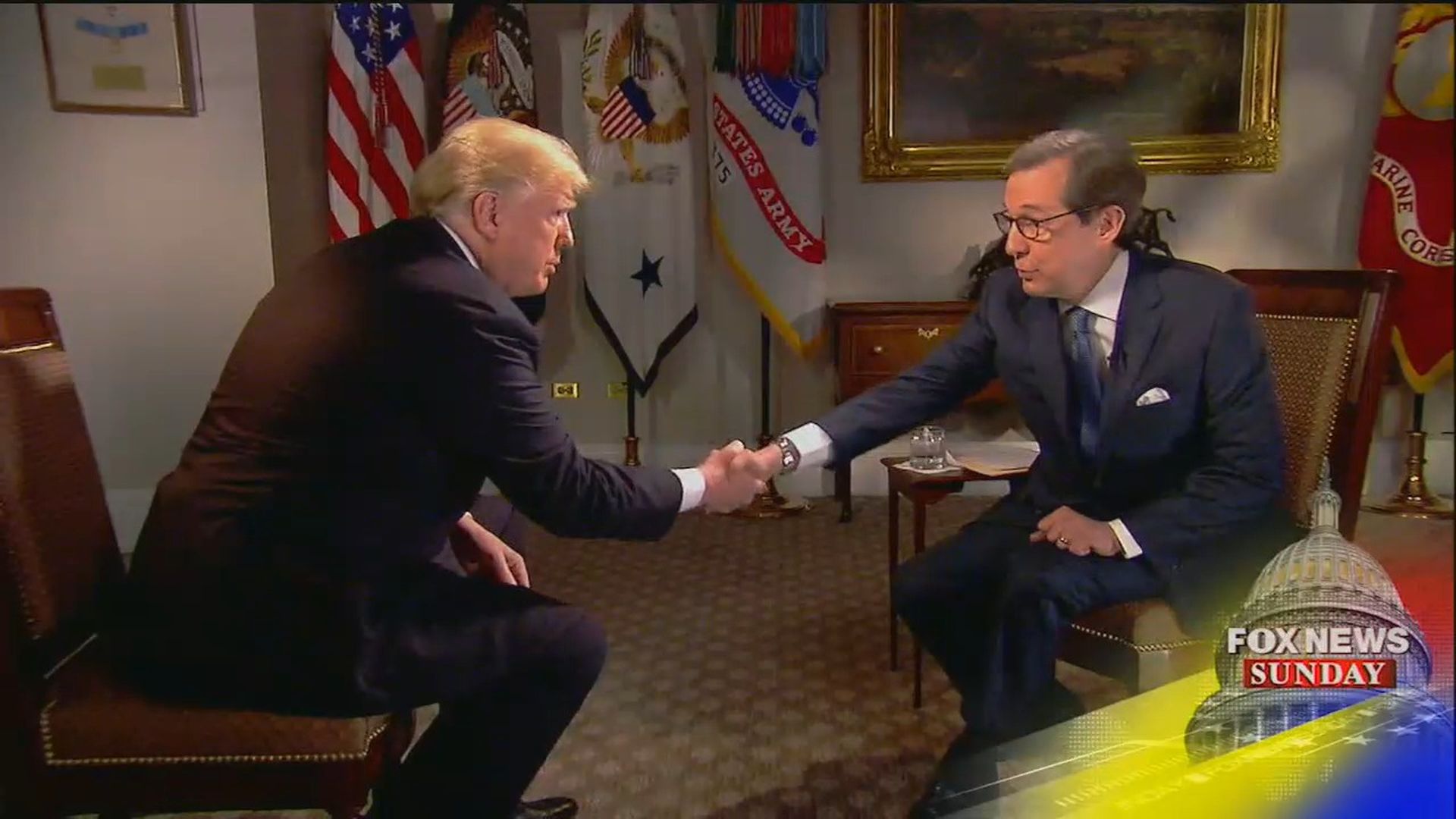
In an interview with Chris Wallace for "Fox News Sunday," President Trump talked about some of the biggest topics of the day — from the murder of journalist Jamal Khashoggi to his fiery press rhetoric to the palace intrigue engulfing his own White House.
Driving the news: Trump was hesitant to discuss the prospects of two of his most at-risk advisers, Chief of Staff John Kelly and DHS Secretary Kirstjen Nielsen, damning both with faint praise while remaining noncommittal about their future in his Cabinet. He said, "Let’s see what happens. I have not — look, I have three or four or five positions that I’m thinking about. Of that, maybe it’s going to end up being two. Maybe, but I want to — I need flexibility."
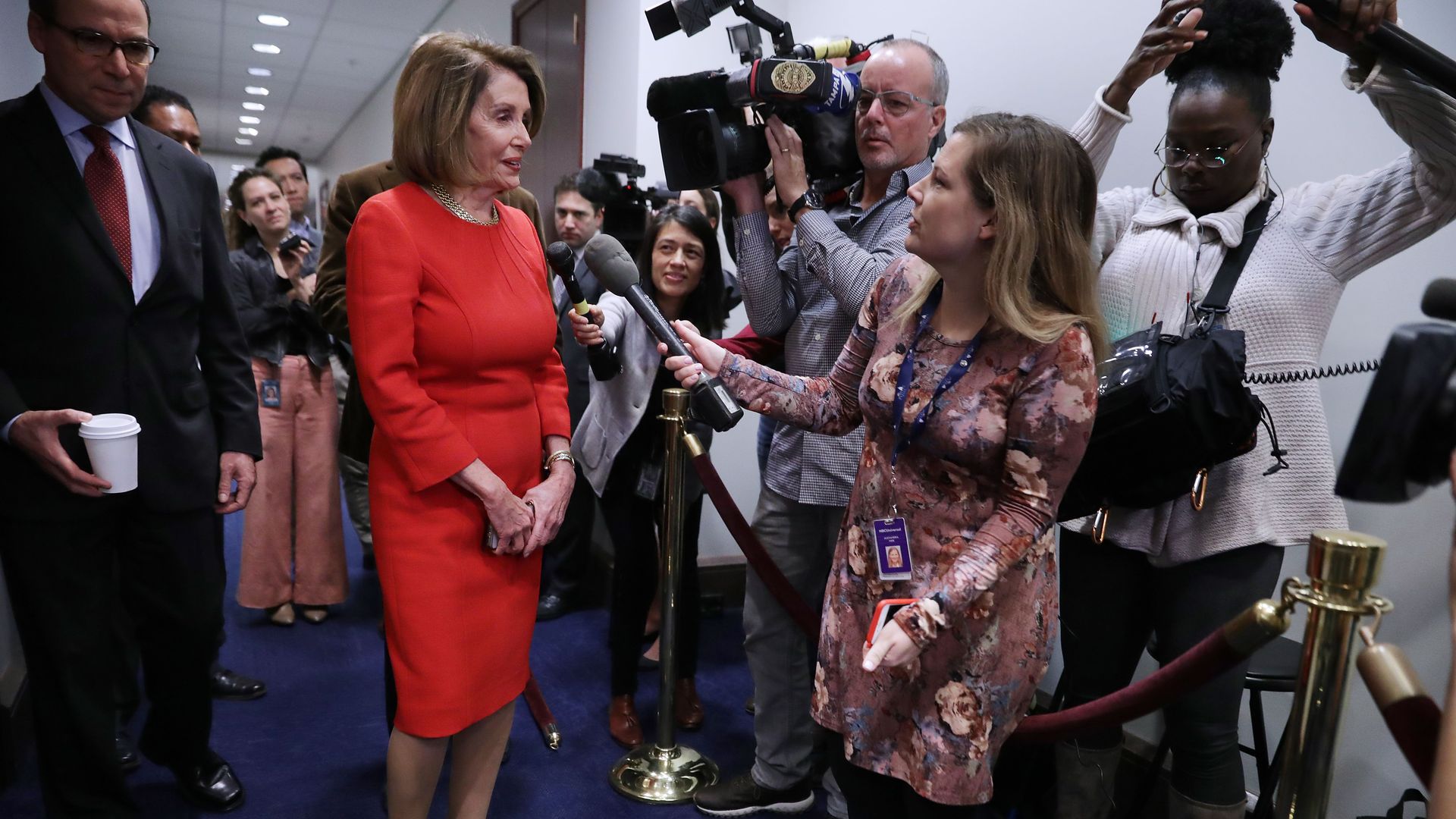
The battle over whether Rep. Nancy Pelosi, who already became the first woman to serve as speaker of the House in 2007, will retake the gavel for Democrats now that they're in the majority has "exploded into a national political campaign," reports the Washington Post.
Why it matters: The speaker of the House will not only be responsible for advancing the Democrats' legislative agenda, but will also "emerge as the country’s most high-profile counterpoint to President Trump — who will set the strategy for investigating him, who will lead the opposition to his agenda, and who will be the face of the Democratic Party ahead of the 2020 campaign," per the Post. Riding a wave of at least 40 flipped House seats, new Democratic members have an expectation for change, one that could come via a speaker challenge from African-American lawmaker Rep. Marcia L. Fudge (D-Ohio).