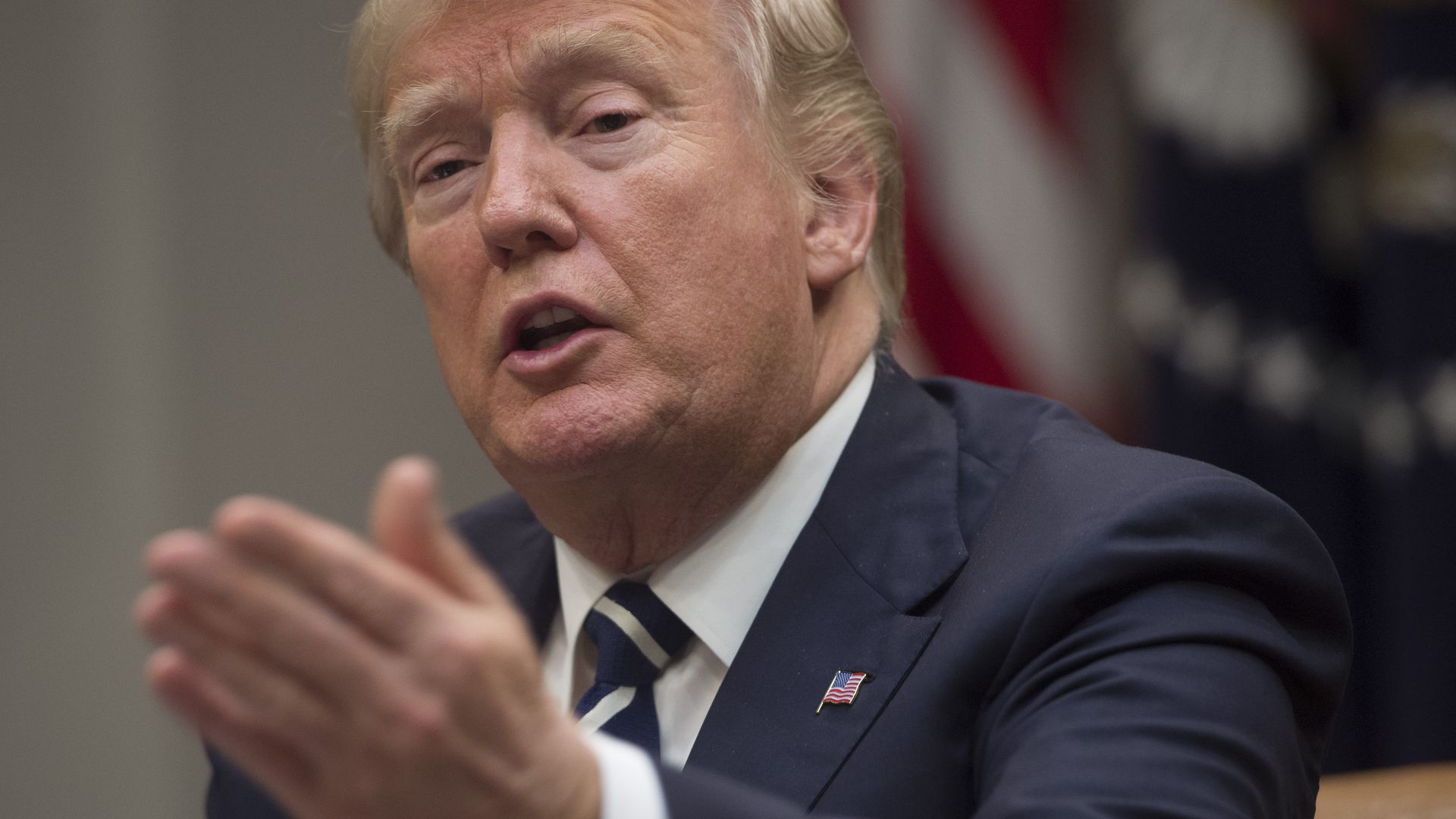
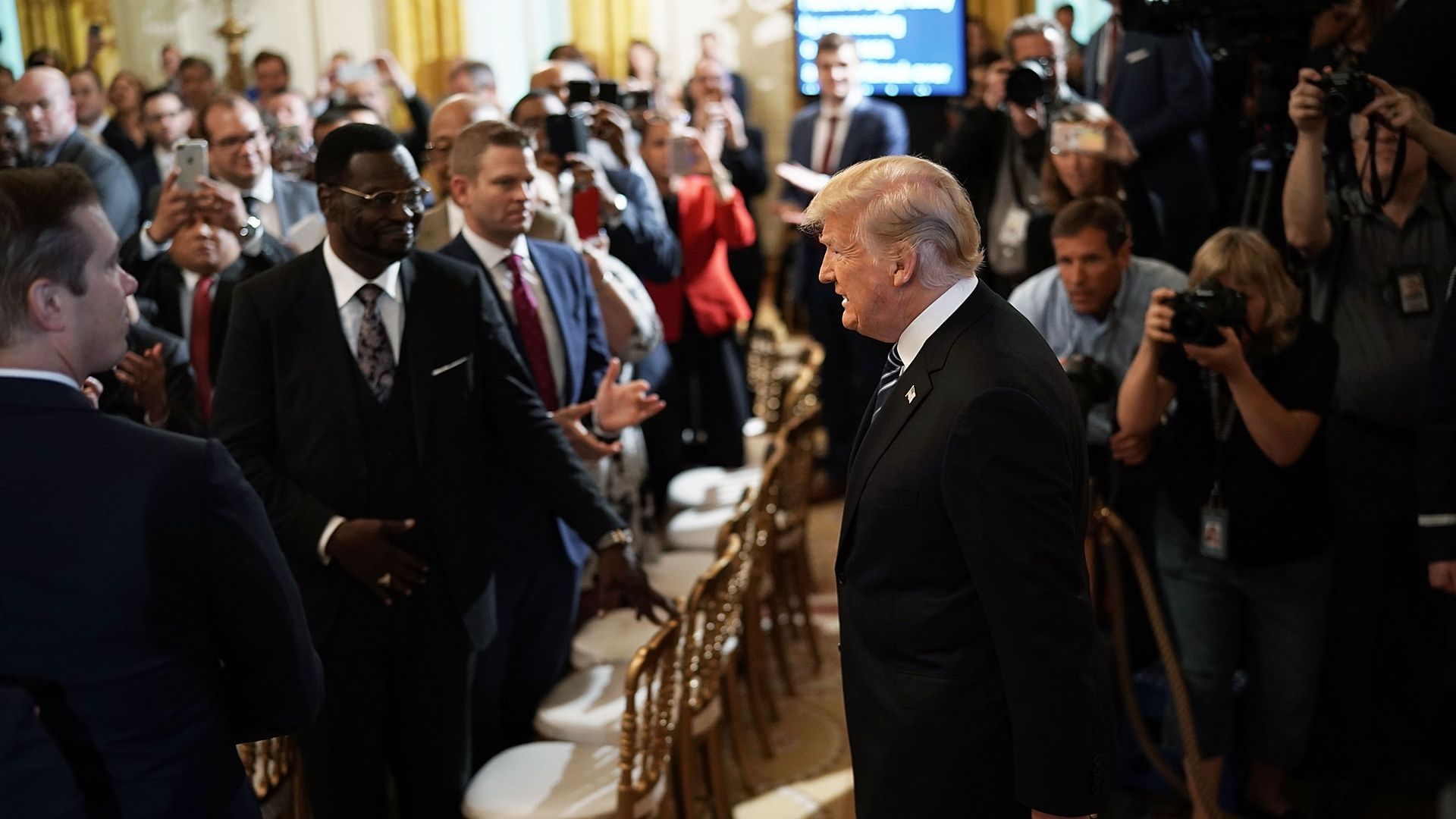
As improbable as it sounds, it looks like Trump is genuinely embracing an issue — prison reform — that seemed unthinkable when he was yelling "law and order" on the campaign trail. At an event at the White House on Friday, Trump endorsed prison reform— and promoted upcoming House legislation — with more passion than we've ever seen.
The big picture: Prison reform wasn't on his radar at all during the campaign and his impulses on this issue have frequently been muddled (he wants the death penalty for drug dealers and privately has spoken admiringly of what President Rodrigo Duterte is doing in the Philippines).
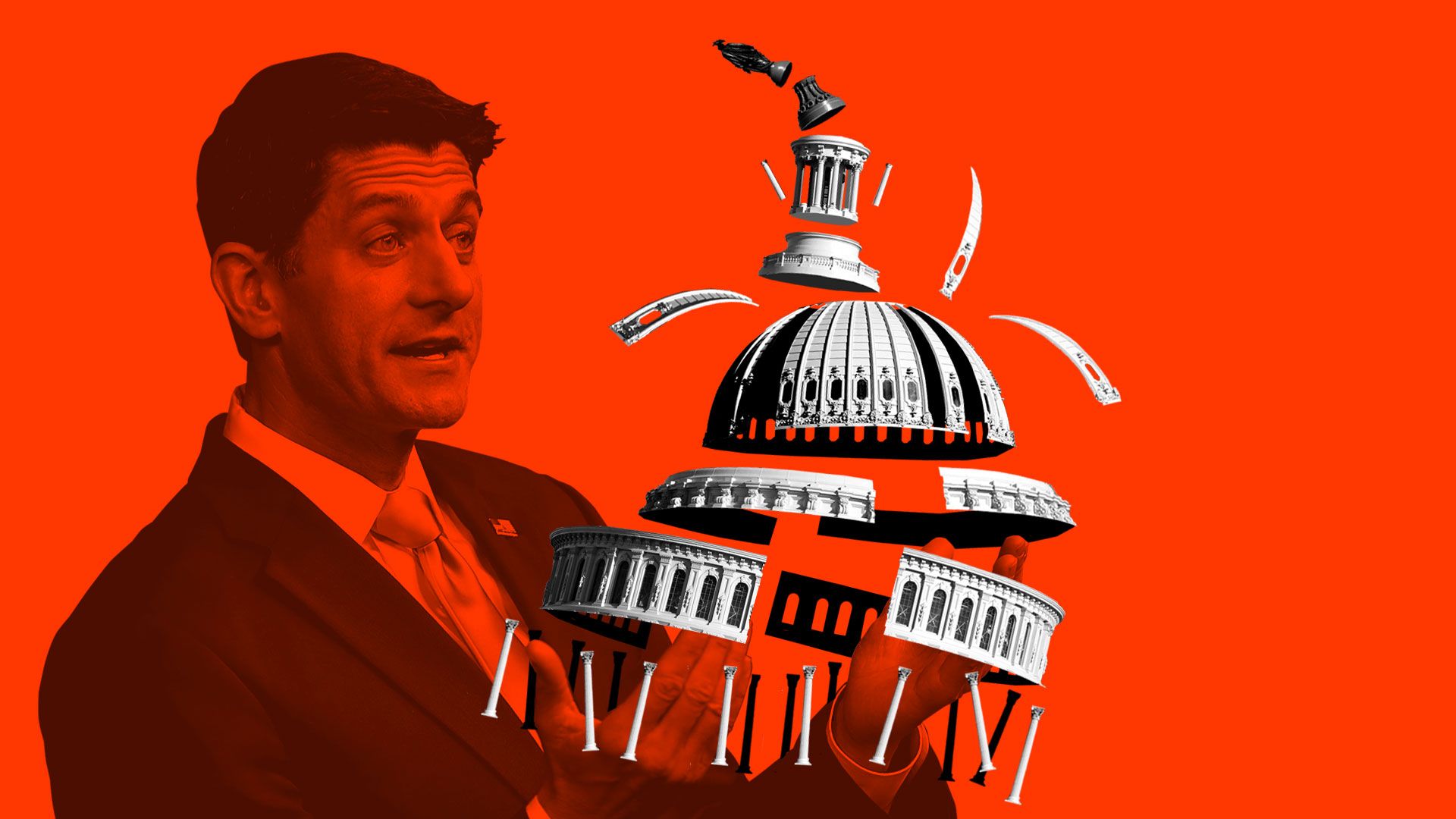
Paul Ryan's House is collapsing, and if the chaos keeps accelerating it could force him out of the speakership before his planned graceful exit at the end of the year:
The state of play: A group of about 20 moderate Republicans are threatening to help Democrats force a vote on a DACA bill. If this works, it could trigger a larger rebellion — likely driven by the Freedom Caucus — similar to the revolt that brought down Ryan's predecessor John Boehner.
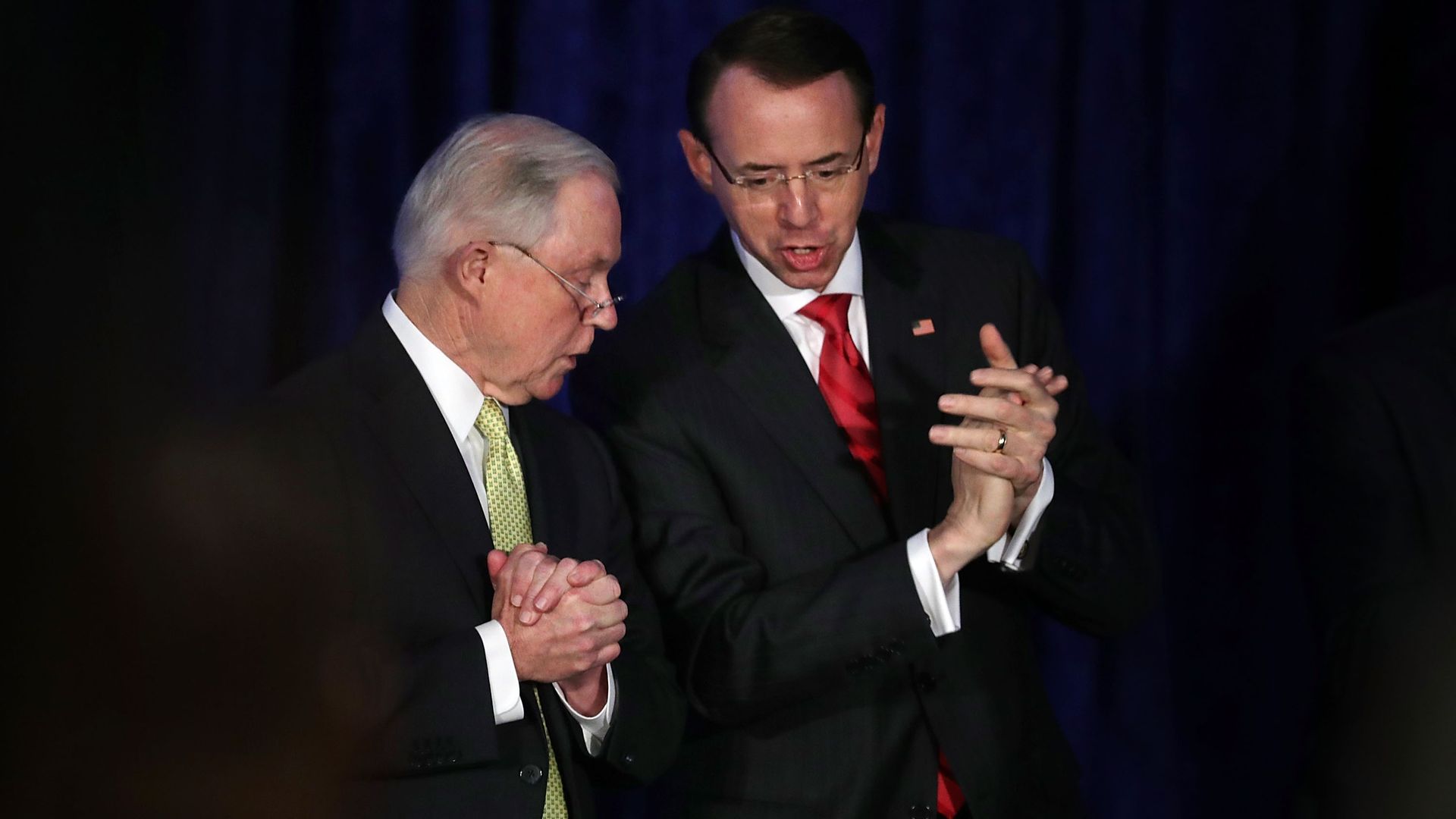
At 1:37 p.m. today, the President issued a consequential and ominous tweet: "I hereby demand, and will do so officially tomorrow, that the Department of Justice look into whether or not the FBI/DOJ infiltrated or surveilled the Trump Campaign for Political Purposes - and if any such demands or requests were made by people within the Obama Administration!"
Why this matters: Trump was effectively rolling a grenade into the Department of Justice — ordering the agency to conduct a politically-motivated investigation of itself.
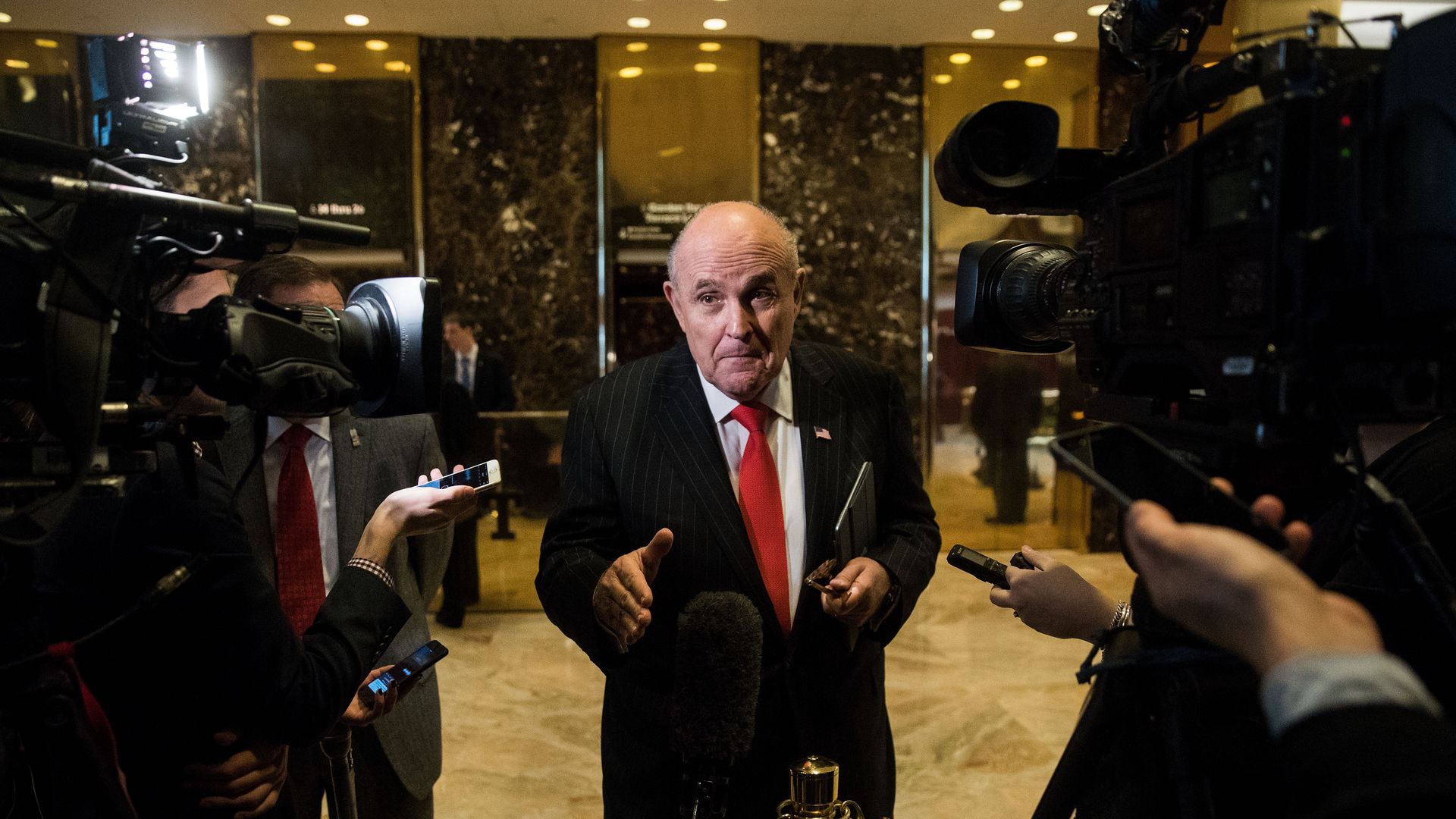
President Trump’s personal lawyer Rudy Giuliani told The New York Times' that Special Counsel Robert Mueller plans to wrap up the portion of his investigation surrounding potential obstruction of justice by Trump by September 1.
Yes, but: While Giuliani claimed in his interview with the Times that Mueller believes that continuing the obstruction investigation any longer would affect this fall’s midterm elections, this isn't the first time we've heard similar talk from a lawyer close to Trump.
Capping off a Sunday morning tweetstorm about the Mueller investigation, President Trump alleged that its expanding scope is designed to "put some hurt on the Republican Party" during this fall's midterm elections.
The big picture: Trump is referencing yesterday's New York Times story that detailed how his son, Donald Trump Jr., heard suggestions from an emissary that the Saudis and Emiratis both wanted to help the Trump campaign in the 2016 election.
The longer the Robert Mueller investigation drags on, the more we're told by President Trump's supporters that Mueller's focusing on the wrong target, because the real collusion on Russia was by the Clintons.
Between the lines: It's easy to dismiss the talk as a distraction, since Hillary Clinton isn't president and has no power. But the real question is whether the talk would deserve more attention if she had won. And the answer is, one broad storyline — foreign donations to the Clinton Foundation — would certainly be getting a closer look. The rest falls apart under scrutiny.
Donald Trump Jr. participated in an August 2016 meeting at Trump Tower that included suggestions that Saudi Arabia and the United Arab Emirates wanted to help his father win the 2016 presidential election, according to a New York Times report.
Why it matters: The meeting is "the first indication that countries other than Russia may have offered assistance to the Trump campaign," per the Times.
"F.B.I. agents sent an informant to talk to two [Trump] campaign advisers only after they received evidence that the pair had suspicious contacts linked to Russia during the campaign," the N.Y. Times reports:
Details: "The informant, an American academic who teaches in Britain, made contact late that summer with one campaign adviser, George Papadopoulos."
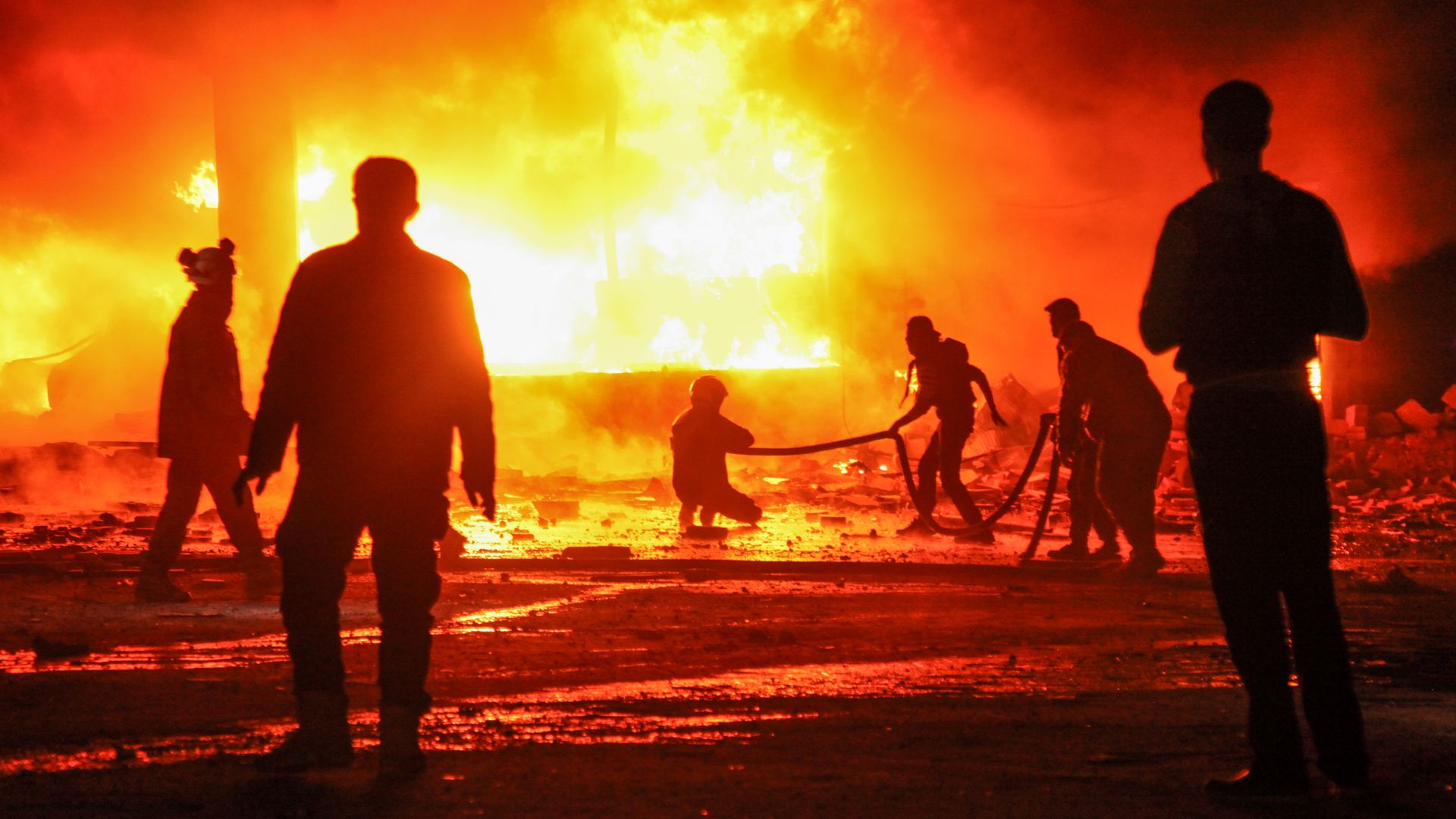
The State Department is cutting funding to stabilization programs in northwest Syria, two State Department officials tell Axios. The decision follows a review undertaken at President Trump's request and was made by "Department leadership in consultation with the interagency," a U.S. official told Axios.
What it means: The cuts are to counter violent extremism, civil society, and governance programs. "It's basically cutting losses at this point" since Assad and rebel forces have the northwest region encircled, Melissa Dalton, a former Pentagon official, tells Axios. But things could get much dicier for groups on the ground following the cut.