Sunday's politics & policy stories

Quarantine may be the answer to ransomware
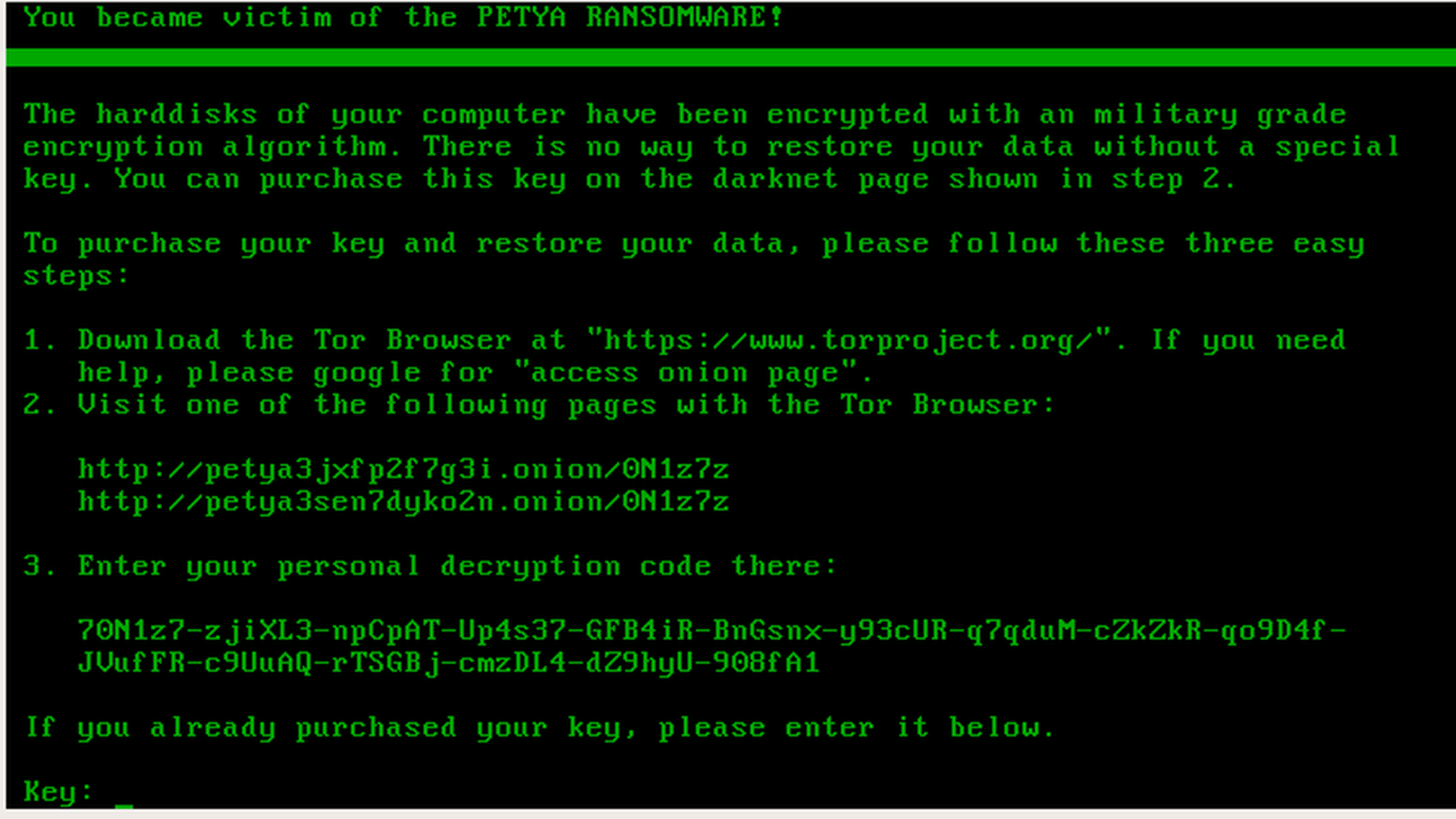
DLA Piper's 3,600 attorneys work in 40 countries, making it one of the world's largest law firms. One of those countries is Ukraine, which on June 27 placed the firm on the front lines of one of the most penetrating commercial cyberattacks ever: Petya. When it hit, it took down DLA Piper's global computer systems, which appear still not to be fully back up. But DLA Piper was only one of hundreds of thousands of victims of the malware in more than 60 countries.
Can't artificial intelligence protect us? AI and machine learning are now crucial to protection (see below). But when it comes to malware like Petya, that will be too late — your data and your entire hard drive will already be encrypted. Petya victims lost much of their stuff to eternity.

Scoop: Freedom Caucus plan for the debt ceiling
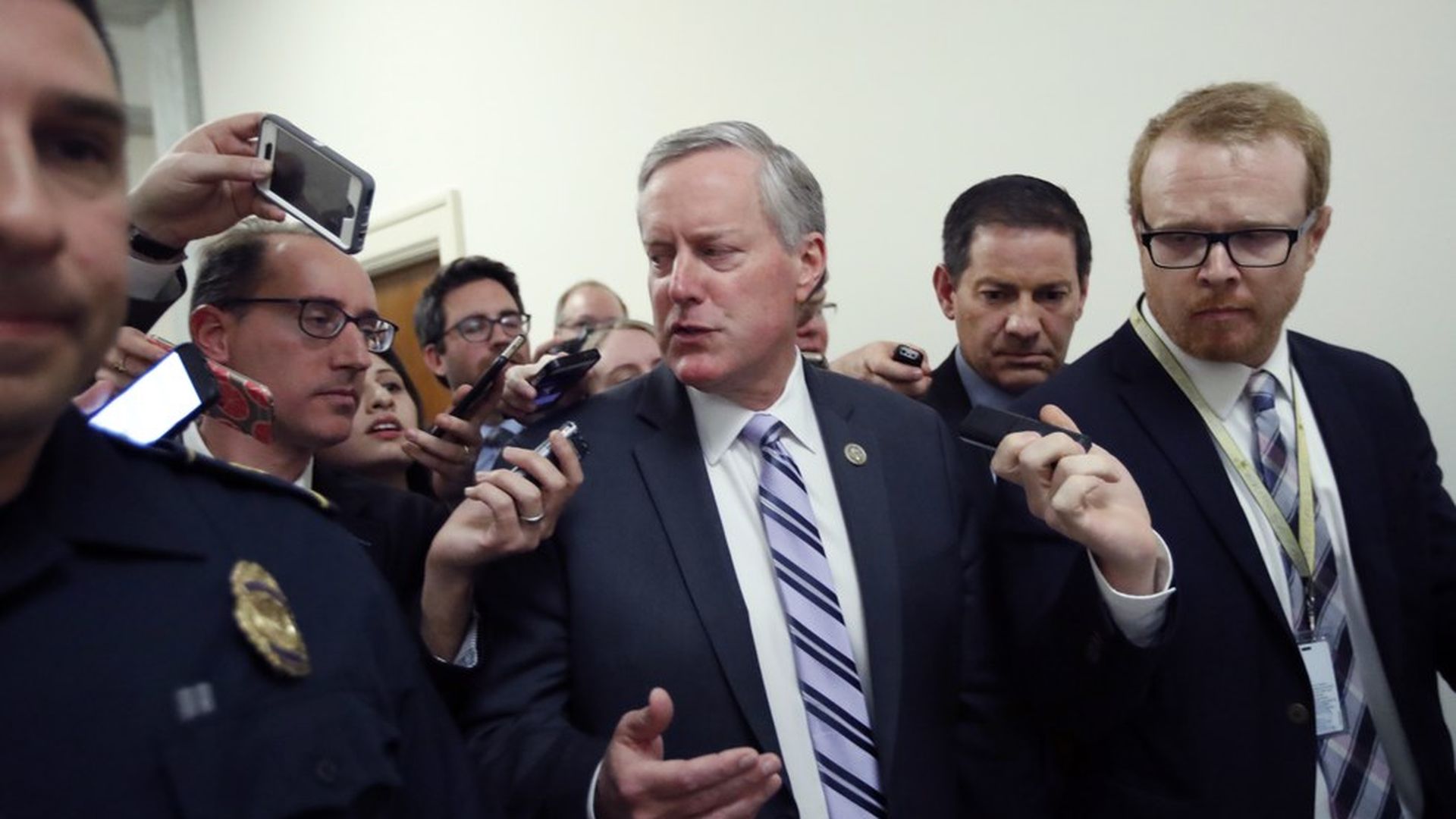
One conservative group that will announce a set of demands for the debt ceiling is the House Freedom Caucus. Sources tell me Mark Meadows and his group of some 40 members will call on Republican leadership to pass a bill in July to deal with the debt ceiling and avoid a last-minute stand-off in October.
Our thought bubble: Democrats are very unlikely to support the Freedom Caucus' first plan, meaning there's no path to 60 votes in the Senate. Also, a number of Treasury officials, past and present, believe asset sales are not a viable way to avoid or delay raising the debt limit. As for the other more aggressive options, a source familiar with House leadership's thinking told me such approaches are unrealistic and "typical of the Freedom Caucus."
The demise of the deficit hawks
Conservatives are curiously zen about the debt ceiling hike, which points to a tectonic shift in the politics of debt now that we've entered the Trump Era. Not a single major conservative outside group is demanding the White House slash spending in exchange for their cooperation raising the debt ceiling (which will have to happen in October). Privately, most top Trump administration officials are delighted conservatives aren't pressuring them.
One high-profile conservative leader — summing up a view I'm hearing across the movement — told me his group doesn't think it's a good idea to play chicken with Republican leadership and the President over the debt ceiling as they often did with Barack Obama. "We've been there before, and Republicans always lose," he said.
Between the lines: The politics of debt have shifted under Trump; top White House officials are now weighing tax cuts that could substantially increase the deficit in the short-term.

Trump Jr. met with Russian lawyer for "damaging" Clinton info

Donald Trump Jr. has acknowledged that he met with a Russian lawyer with ties to the Kremlin in June, 2016, accompanied by Jared Kushner and Paul Manafort. Now the New York Times reports he did so after he was promised "damaging" information about Hillary Clinton.
The new evidence was revealed to NYT by three White House advisers who were briefed on the meeting and two others who knew about it. Trump Jr. previously said the meeting centered on adoption.
Why it matters: If the report is true, this is evidence that a Trump associate was willing to accept help from Russia in influencing the U.S. election
The "damaging" info, according to Trump Jr.'s statement: "[T]he woman stated that she had information that individuals connected to Russia were funding the Democratic National Committee and supporting Ms. Clinton. Her statements were vague, ambiguous and made no sense. No details or supporting information was provided or even offered. It quickly became clear that she had no meaningful information."

Trump plans to halt entrepreneur visas next week
In the coming days, the Trump administration will take steps to delay and ultimately rescind an Obama administration rule allowing foreign entrepreneurs to come to the U.S. to start companies, sources familiar with the situation tell Axios.
The details: The rule, called the International Entrepreneur Rule, is scheduled to go into effect July 17. U.S. Citizen and Immigration Services will take a procedural step to postpone that implementation date as soon as Monday, according to sources. In addition, the agency is expected to start the formal process to eliminate the rule. A USCIS spokesperson said the rule is "under review." More details on the rule here.
Why it matters: Since the rule hasn't yet taken effect, scrapping it won't change anyone's visa status. Still, it's a setback for tech and venture capital firms that supported the rule — and it's another sign of Trump's resolve to restrict visas, even for high-skilled immigrants.

Rural GOP senators abandon health bill
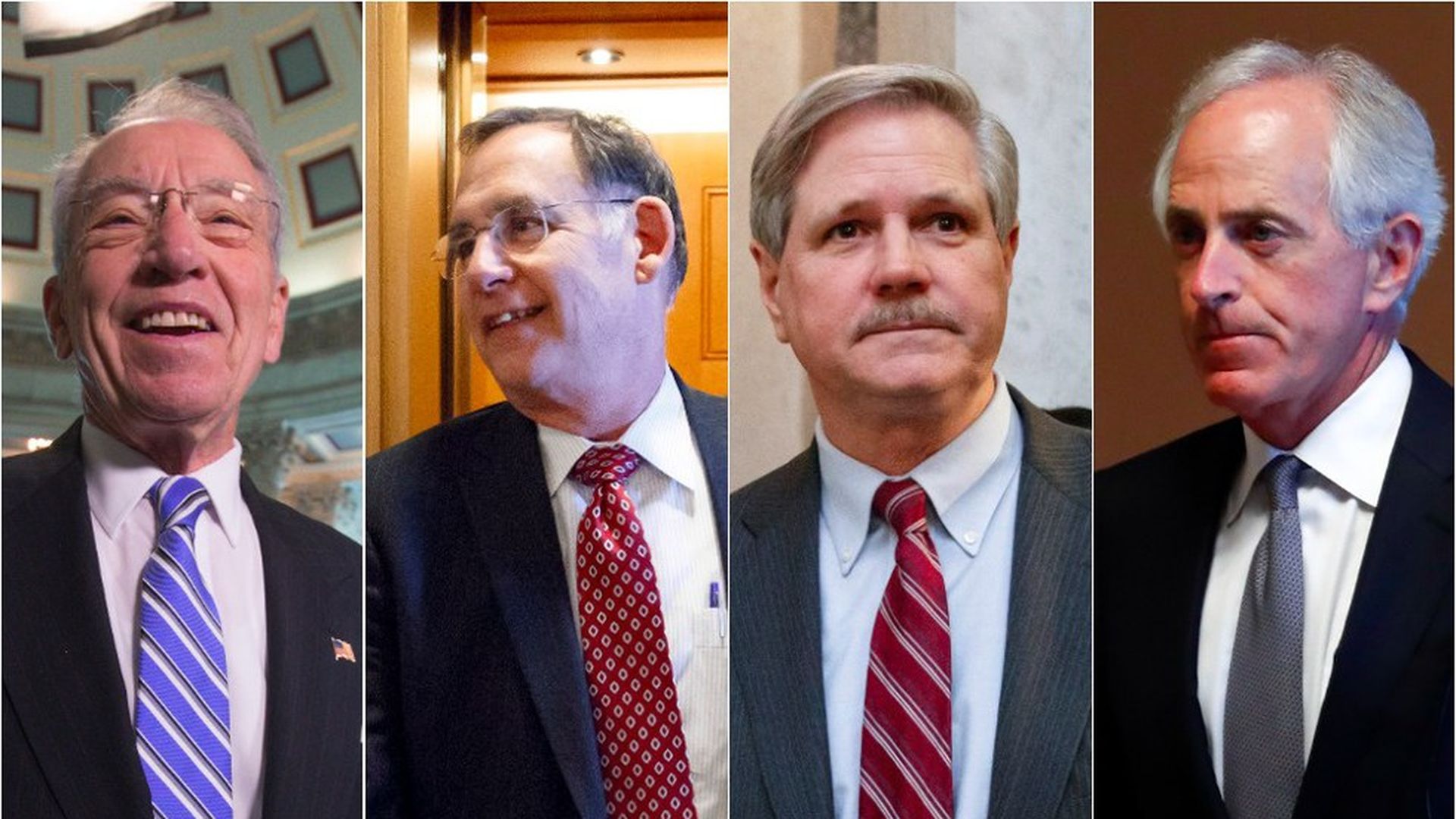
The July 4 recess hasn't worked out in the Republicans' favor. More GOP senators have come out against the bill, either saying they will vote against it or that they have increasing concerns about how it will affect their constituents, NYT reports.
This is particularly relevant in rural states, where local health care providers and hospitals are typically the largest source of jobs — eliminating things like Medicaid would have a significant impact on these medical institutions and, ultimately, residents' employment options.
Republican senators who have potentially defected over the recess, withholding their explicit support: John Hoeven of North Dakota, Chuck Grassley of Iowa, John Boozman of Arkansas, and Bob Corker of Tennessee, whose office told Axios, "He will take a position on the bill when the legislative text is finalized and he has a chance to fully review it."