Axios AM

March 11, 2023

1 big thing: The largest bank run in history
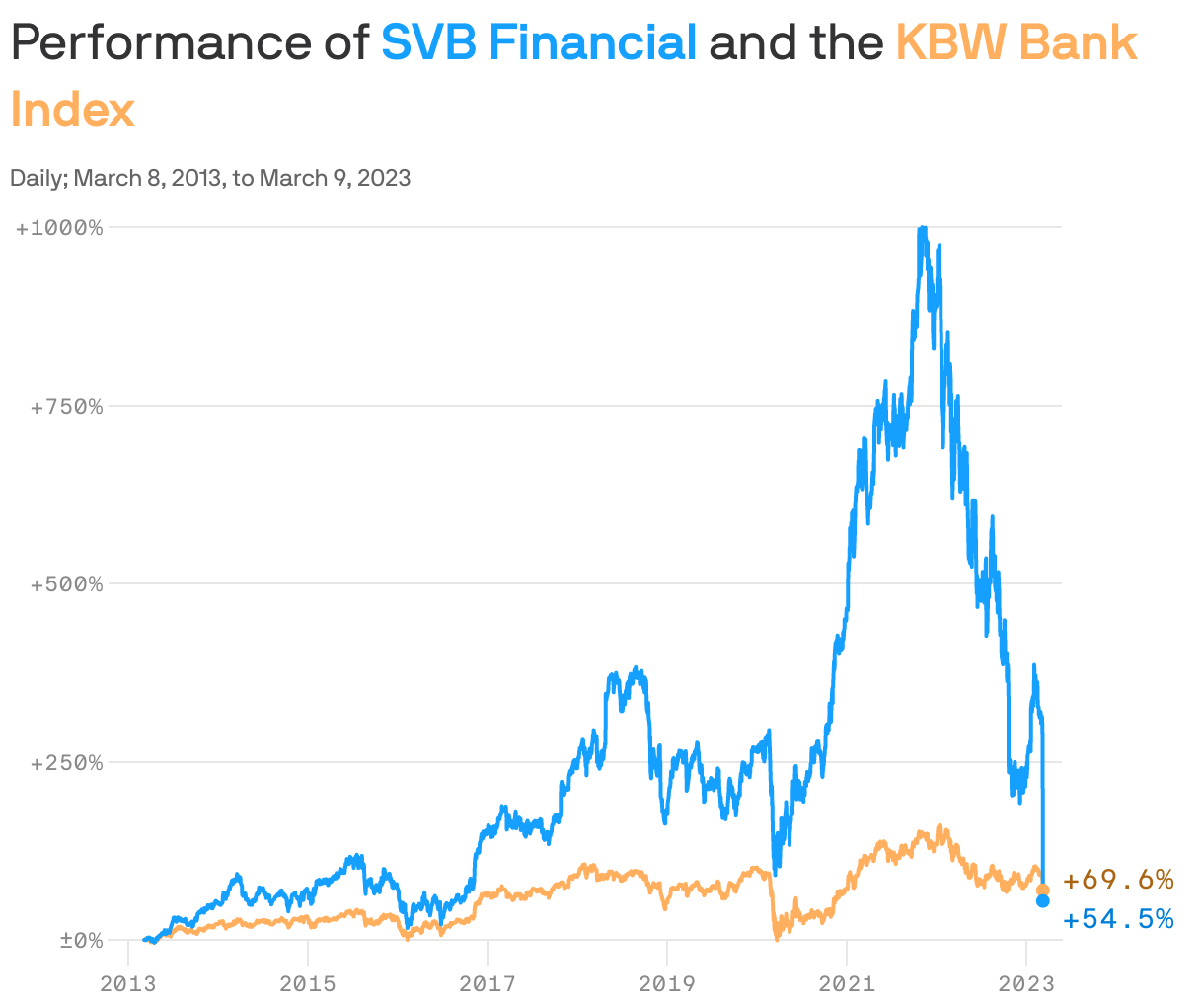
Silicon Valley Bank's customers withdrew $42 billion from their accounts on Thursday. That's $4.2 billion an hour, or more than $1 million per second for ten hours straight.
- Why it matters: To put that in context, the previous largest bank run in modern U.S. history took place at Washington Mutual bank in 2008, and totaled $16.7 billion over the course of 10 days. That's a mere trickle in comparison to what was seen at SVB, Axios' Felix Salmon writes.
- Above: Compare SVB's wild ride to the KBW Bank index, which tracks 24 bank stocks, including SVB.
🖼️ The big picture: Almost none of SVB's deposits, by value, were FDIC insured — its customers were overwhelmingly corporations with much more than $250,000 in the bank.
- Until 2012, an obscure Fed program insured such corporate accounts, but that expired when the global financial crisis was deemed to be over.
🧠 Between the lines: Most of SVB's customers are just one degree of separation away from a small group of venture capitalists who started making it clear on Thursday that they thought pulling cash from SVB was prudent.
- By yesterday morning, the amount of cash left in SVB's coffers, per California's department of financial innovation and protection, was negative, to the tune of $958 million. SVB itself was insolvent.
The bottom line: No bank can withstand that kind of outflow in a single day. That's why SVB is now a ward of the state, desperately hoping to find a buyer before Monday.
- This weekend is key to determining if the situation escalates from an inconvenience to a crisis for SVB clients, most of which are businesses that need to meet payroll, Axios' Dan Primack writes.
2. 📉 Zoom in: Bank failure hammers market
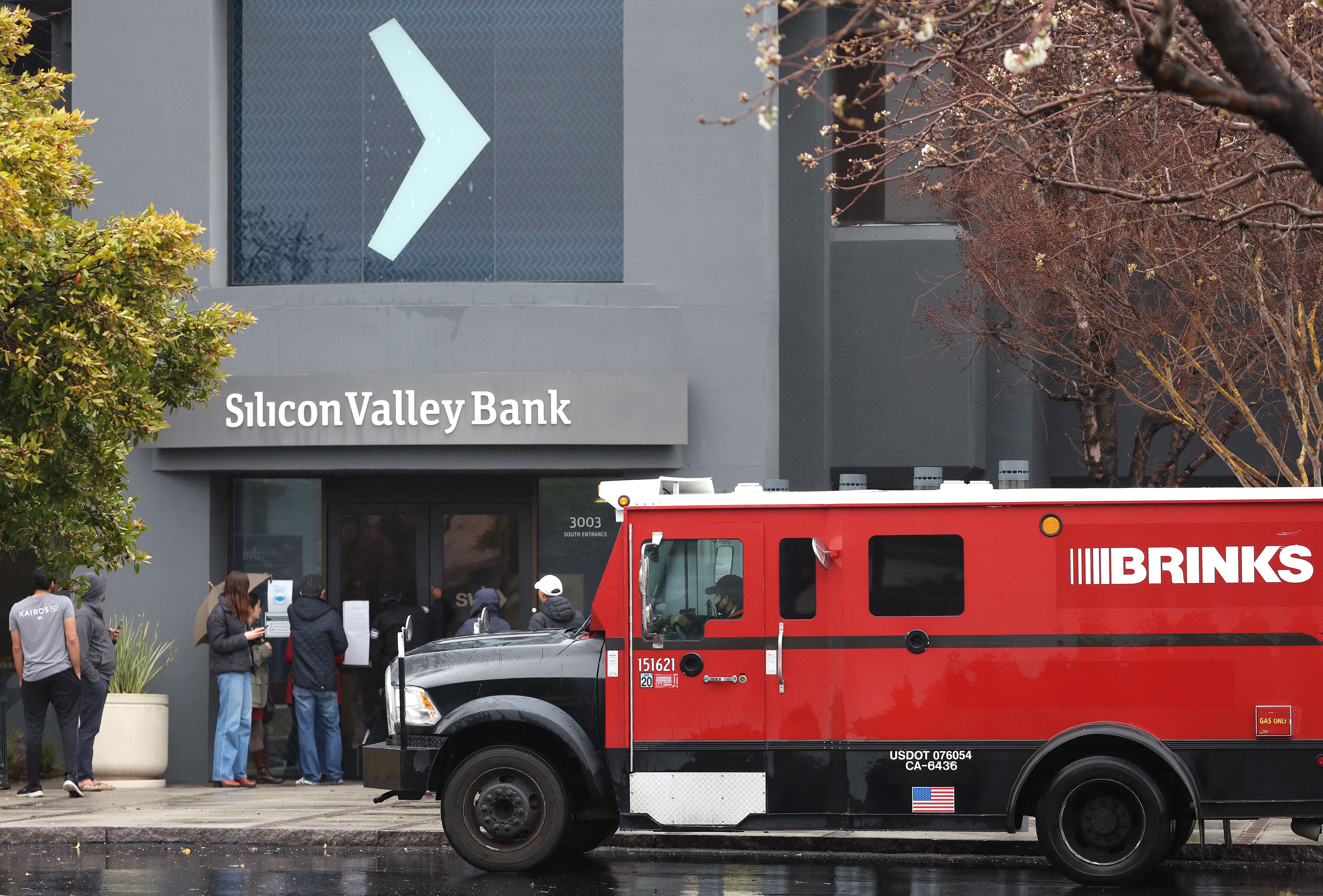
Stocks just suffered their worst week of 2023, amid the remarkable failure of Silicon Valley Bank, Axios' Matt Phillips writes.
The S&P lost 4.6% in the week ending Friday, its worst weekly showing of the year.
- The selloff started Tuesday, after Federal Reserve Chair Jerome Powell opened the door to a more rapid pace of rate hikes to rein in resurgent inflation.
- The losses deepened on Thursday, after Silicon Valley Bank's sudden move to raise cash spooked investors and depositors, sending bank shares reeling.
- Yesterday, the FDIC's seizure of Silicon Valley Bank seemed to stun the markets and raise questions about whether serious problems were developing in the financial sector.
Why it matters: Last year's 19.4% drop in the S&P 500 was the worst since 2008, and investors had hoped a swift snapback in share prices this year would help repair their 401(k)s.
Flashback: Stocks did burst out of the gates strong, with the S&P rising nearly 9% through early February.
- But resurgent inflation pressures, tough talk from the Fed and, now, jitters around the financial sector have vaporized almost all those gains.
- As of yesterday's close, the benchmark index is now up just 0.6%
3. 🗳️ GOP's budget could hurt in key Senate races
Illustration: Aïda Amer/Axios
4. 🎥 Tracking Oscar "thank yous"


We analyzed more than 1,800 Oscar acceptance speeches and found that 97% thanked someone.
- By the numbers: Common words include “academy” (49%), “film” (35%), and “honor” (28%), Axios' Jared Whelan reports.
- And then of course, the name drops: The most commonly referenced names included John (13%), David (9%), Michael (9%), Bob (8%) and Peter (7%).
5. 💼 Shrinking unemployment spells


Here's one thing you might have missed in yesterday's crowd-pleasing jobs report: Americans spent even less time in spells of unemployment.
- Why it matters: The labor market is still hot, which means laid-off workers have plentiful opportunities to find new gigs, Axios' Courtenay Brown writes.
By the numbers: The median duration that workers spent unemployed dropped to 8.3 weeks last month.
- In January 2020, pre-pandemic, the number was 9.6.
6.🗽 600-strong walk in the city

Illustration: Sarah Grillo/Axios
7. 🦠 COVID milestone

Illustration: Brendan Lynch/Axios
8.🕴️Tomorrow's Oscars carpet won't be red
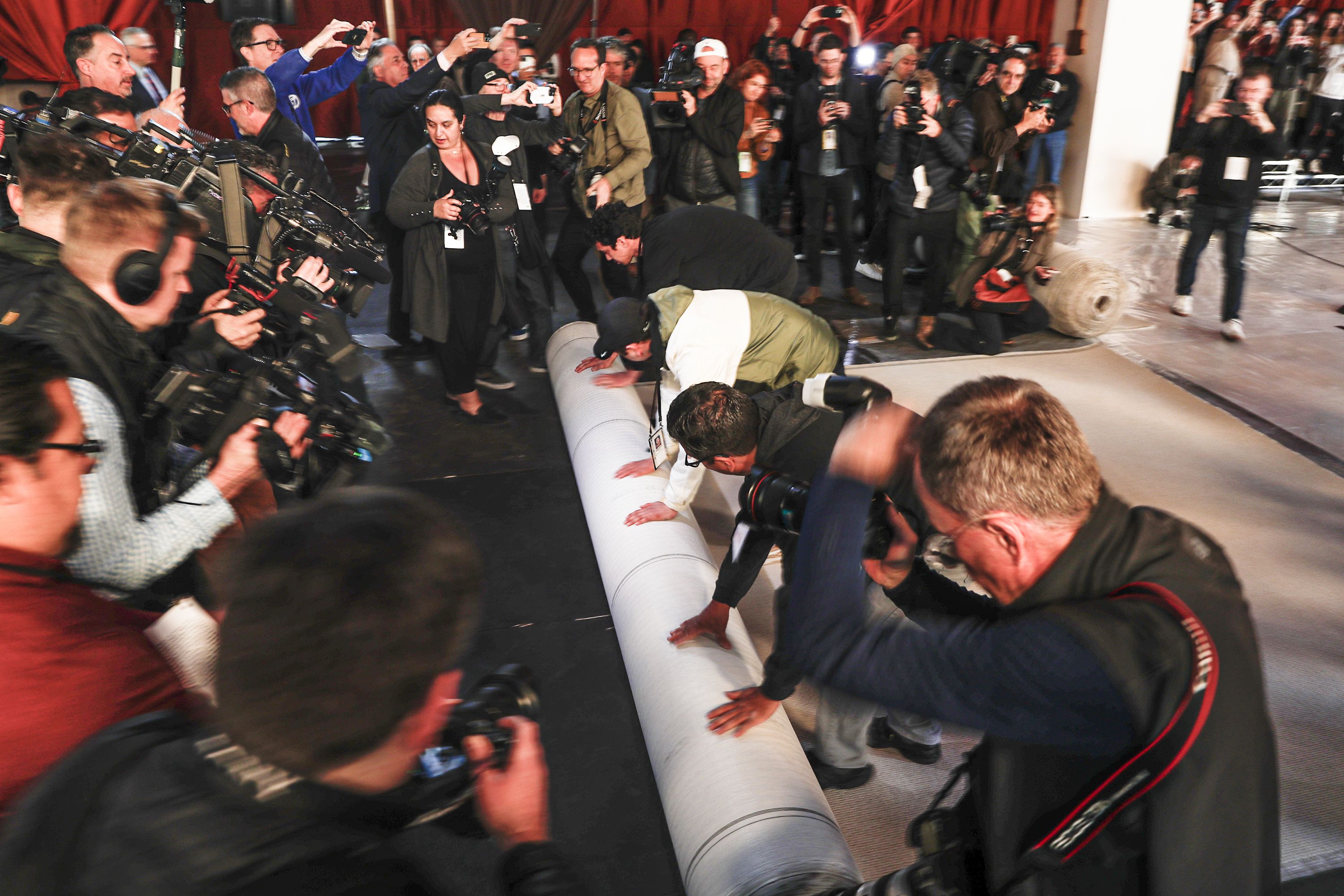
It's champagne-colored, to evoke a beach sunset — the first time since 1961 that the Oscars carpet hasn't been red.
- The hues have varied over the years. But it has always been red, AP reports
- Jimmy Kimmel, who is hosting the 95th Oscars tonight, said Wednesday during the ceremonial unspooling: "I think the decision to go with a champagne carpet over a red carpet shows how confident we are that no blood will be shed.
The decision to change the color came from creative consultants Lisa Love, a longtime Vogue contributor, and Raúl Àvila, the creative director for the Met Gala in New York.
- This year's carpet will be covered — in part to protect the stars and cameras from the weather, but also to help turn the arrivals into an evening event.
Love has always seen a disconnect between the elegant glam dress code, and the fact that it's mid-afternoon PT when stars arrive.

Love said the designers tried some other colors, but they seemed too dark with the covered tent: "We chose this beautiful sienna, saffron color ... because this is the sunset before the golden hour."
- They thought about calling it "sand." Definitely made the right call.
The "red carpet" opens tomorrow at 3:30 p.m. ET. The ceremony begins at 8 p.m., live on ABC.
Axios AM
Catch up with the most important news of the day