Axios AI+

January 04, 2024
Hi, it's Ryan. Today's AI+ is 1,286 words, a 5-minute read.
1 big thing: Microsoft gives AI a place on the Windows keyboard
Illustration: Sarah Grillo/Axios
Microsoft is so confident AI is the future of computing that it's adding a new button to the keyboards of Windows PCs dedicated to its Copilot AI assistant, starting with new machines to be announced at CES next week, Ina reports.
Why it matters: It's the first change to the Windows keyboard in 30 years and the latest example of hardware makers betting on AI to both create new product categories and breathe life into older ones.
What they're saying: "We definitely think this is the year of the AI PC," Microsoft executive VP Yusuf Mehdi tells Axios. "We think this is the next fundamental change with how people will interact with their computers."
- While tens of millions of people are already using the Windows Copilot, Mehdi says the addition of a dedicated key shows Microsoft sees "it now becoming mainstream and valuable enough and easy enough for a much broader set of the population."
- Mehdi says that though 2024 will also see a wide array of other AI-specific hardware, the PC has a unique role since it's where users create so much content, from music to screenplays to images.
Details: The Copilot key will be located to the right of the space bar, replacing a menu button.
- The first PCs with the dedicated key will be announced at CES, with more coming by the spring from Microsoft and other PC brands. By the end of the year, the Copilot key should be ubiquitous on new PCs.
- Pressing the new button will launch the Windows Copilot, which uses natural language input to allow people to modify computer settings, launch apps and perform other computing tasks.
- For those that don't have Windows Copilot enabled, pressing the key will take users to Windows search.
Between the lines: While the hardware key is the most visible change to Windows PCs, Mehdi says it's part of a broader reimagining of the PC for the era of AI.
- Under the hood, PC makers are adding chips that include neural processing engines specialized for AI tasks.
- By tightly integrating AI into the Windows experience, Microsoft and its PC maker partners could also win competitive points over Apple's Mac line.
Flashback: Microsoft last revamped the PC keyboard with the mid-1990s addition of the Windows key, which takes people directly to the Windows start menu.
- That key debuted on a Microsoft-branded keyboard in 1994 and eventually became standard on Windows PCs.
The big picture: In adding AI features directly to its hardware, Microsoft has plenty of company.
- Google and Amazon are both trying to breathe new life into their smart speakers and displays by using an AI-powered version of their assistants,
- With its latest Ray-Ban Smart Glasses, Meta has added an AI assistant that makes the wearables significantly more capable than the previous version.
- Other companies have announced various AI-specific hardware in recent months. Humane, for example, is set to ship its AI-powered pin early this year, while other devices are coming from startups including Tab and Rewind AI.
What to watch: Changes like the dedicated key and neural processing engines are relatively modest, but a key question is whether the venerable PC will need to morph further to fully harness AI.
- "That's one that I would say ourselves and our partners in the PC ecosystem are looking at and talking about right now," Mehdi says.
2. PR industry ❤️s AI

Communicators are taking their AI use up a notch in 2024 — harnessing the tech for predictions, in addition to basic tasks like writing social copy or press releases, Axios Communicators author Eleanor Hawkins reports.
Why it matters: Comms pros can use AI technology to predict how specific audiences will react to certain messaging and to test specific narratives and when these narratives might go awry.
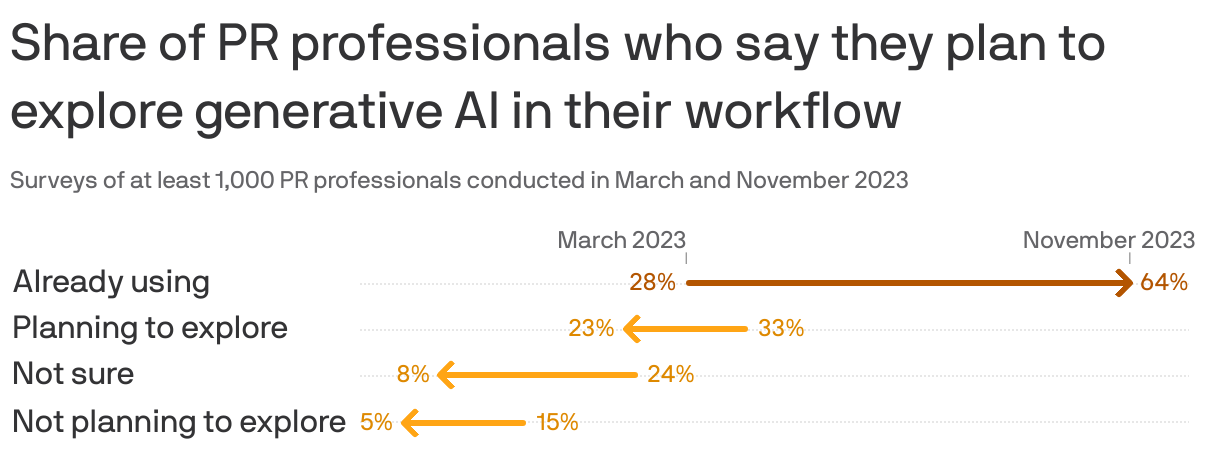
Driving the news: Use of generative AI by PR professionals has more than doubled since March 2023, according to a new Muck Rack report shared first with Axios.
- 72% of those surveyed report that AI has increased the quality of their work, while 89% say AI has increased their productivity and speed.
What they're saying: Consulting firm BCW rolled out a Decipher Index in November, an example of how communications professionals are using AI to predict the virality, believability and potential impact of particular narratives.
- "The Decipher Index was in direct reaction to clients demanding better data and the ability to predict impact in a much more specific way," says BCW chief innovation officer Chad Latz.
- "You can train generative agents to think like a very specific analyst, NGO or an activist investor — and then we can run simulations and actually test a lot of our communications in a private, closed space," says Sparky Zivin, senior managing director and global head of Teneo research.
Yes, but: AI is more than just an artificial focus group — it's also a new type of stakeholder.
- "With everything that companies are putting out there, the biggest audience for that are machines," says Zivin.
- "When all that content gets sucked up by machines, they create content based on it. … AI has become an intermediary and it [could] be that supreme influencer which shapes public view in the way that historically media or social media influencers have."
Zoom in: The spread of dis- and misinformation remains a key concern for 2024, but AI tools can quickly flag and predict how misinformation about a brand, leader or company might spread.
The other side: Some PR practitioners still remain skeptical.
- Of those that are not interested in using AI tools, 43% say the output is too unpredictable, 40% have concerns about privacy and about 1 in 3 don't believe AI can help them do their job better.
The bottom line: Using AI for content creation only scratches the surface of AI capabilities and communicators are well-placed to employ it for more strategic purposes.
3. New Qualcomm AR chips could power Apple rivals
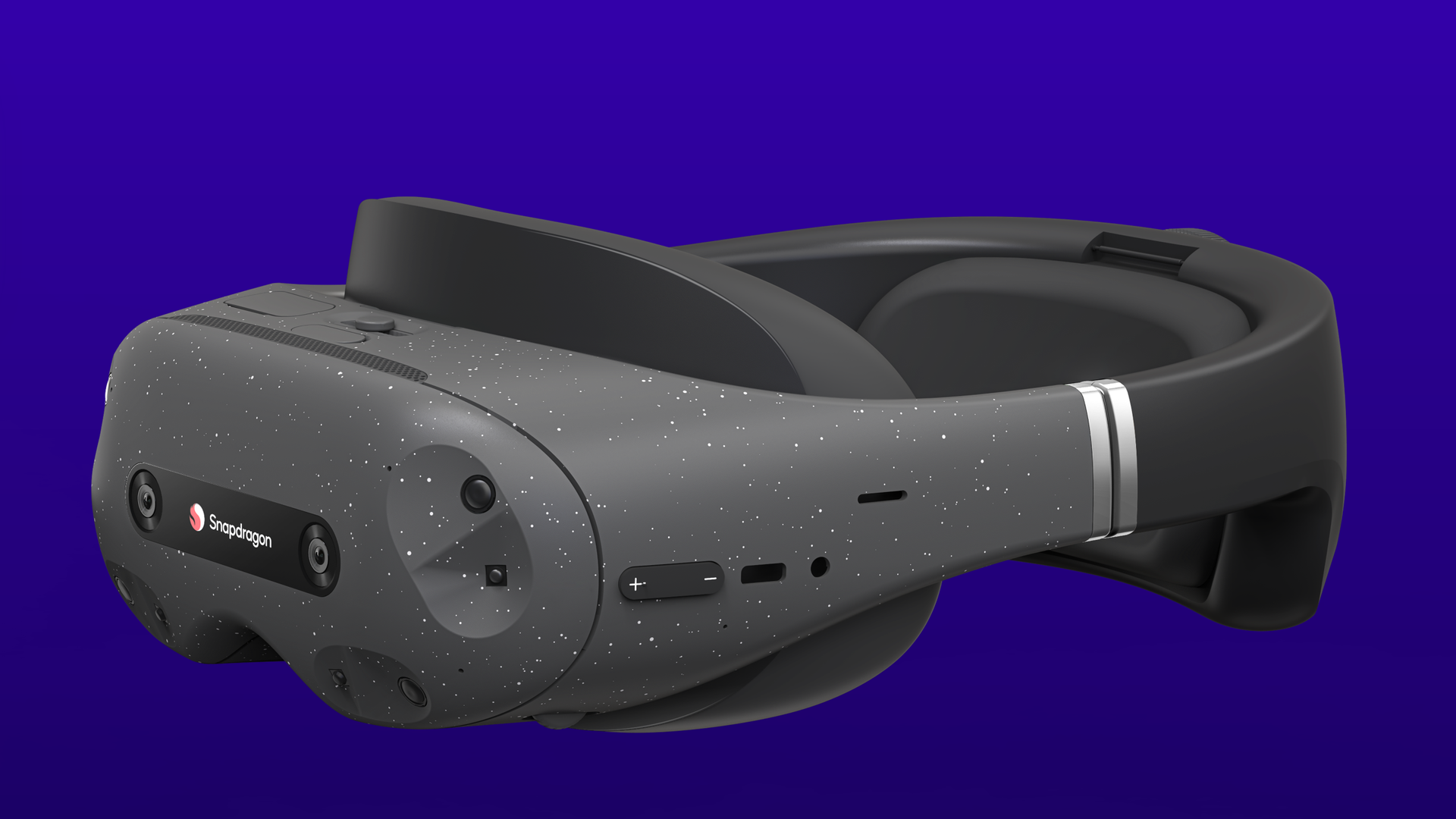
Image: Qualcomm
Qualcomm on Thursday announced an updated version of its chip for augmented and virtual reality devices designed to make headsets more detailed and realistic, Ina and Hope King report.
Why it matters: Consumer tech companies, including Samsung and HTC, are racing to build new reality-altering products with Qualcomm as Apple readies its mixed-reality Vision Pro, which is expected to launch by February.
- Self-contained VR and AR headsets require heavy compute power and unlike Apple, which has a vertically integrated production process for its devices, other hardware makers are relying on external chipmakers, largely Qualcomm, to power their devices.
Zoom in: Qualcomm's Snapdragon XR2+ Gen 2 Platform is a new version of its XR2 Gen 2 platform, which has been powering Meta's Quest 3 VR headset.
- The "+" version of the chip offers faster processing, support for more concurrent cameras and higher resolution displays.
- Samsung and HTC Vive are among the companies building devices based on the new chip. Samsung says it's working with Google for its project, but neither company offered specifics.
Go deeper: Apple's new headset will land in an AI-crazed world
4. Training data
- Tech layoffs that totaled nearly 500,000 in 2022 and 2023 have lowered younger workers' expectations of the industry. (Axios)
- Electronics retailers could soon be training virtual salespeople using Touchcast, an AI content management system that's raising Series B funding. (Axios Pro)
- RIP Wickr: The early encrypted chat app bought by AWS, has been shuttered. (404 Media)
- A new paper documents how computer vision research has contributed to 11,000 surveillance technology patents. (Arvix)
- The National Labor Relations Board says SpaceX fired eight employees for calling CEO Elon Musk a "distraction and embarrassment." (Reuters)
- Trading places: HP EVP Justin Hotard is leaving the company to take the helm of Intel's new data center and AI group.
5. + This
How to get a tech billionaire body.
Thanks to Scott Rosenberg and Meg Morrone for editing this newsletter.
Sign up for Axios AI+

Scoops on the AI revolution and transformative tech, from Ina Fried, Madison Mills, Ashley Gold and Maria Curi.