Seattle bookstores turn a fresh page


Add Axios as your preferred source to
see more of our stories on Google.
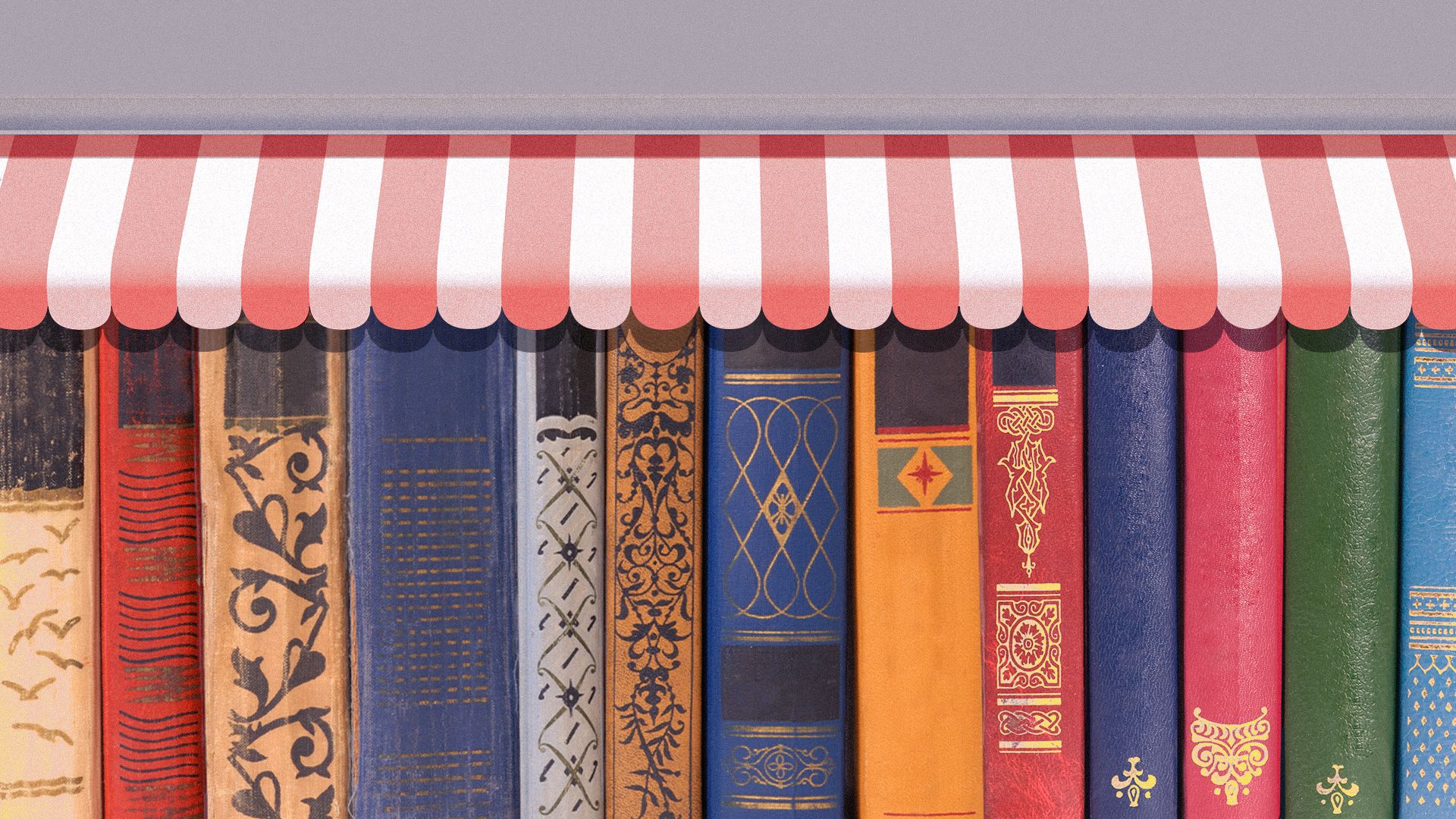
Illustration: Aïda Amer/Axios. Stock: Getty Images
While Americans may be reading fewer books these days, there's a plot twist: Bookstores are staging a comeback.
Why it matters: Once left for dead in the wake of Amazon's rise and the death of Borders, Barnes & Noble and independent booksellers have pulled off a stunning turnaround, opening new stores and reporting higher sales.
Yes, but: Bookstores have never really gone out of style in Seattle, which has been ranked America's Most Well-Read and is one of just two U.S. UNESCO Cities of Literature.
Zoom in: Some longtime Seattle bookstores, including Elliott Bay Book Company and Magus Books, are now being joined by new chain locations and independent sellers.
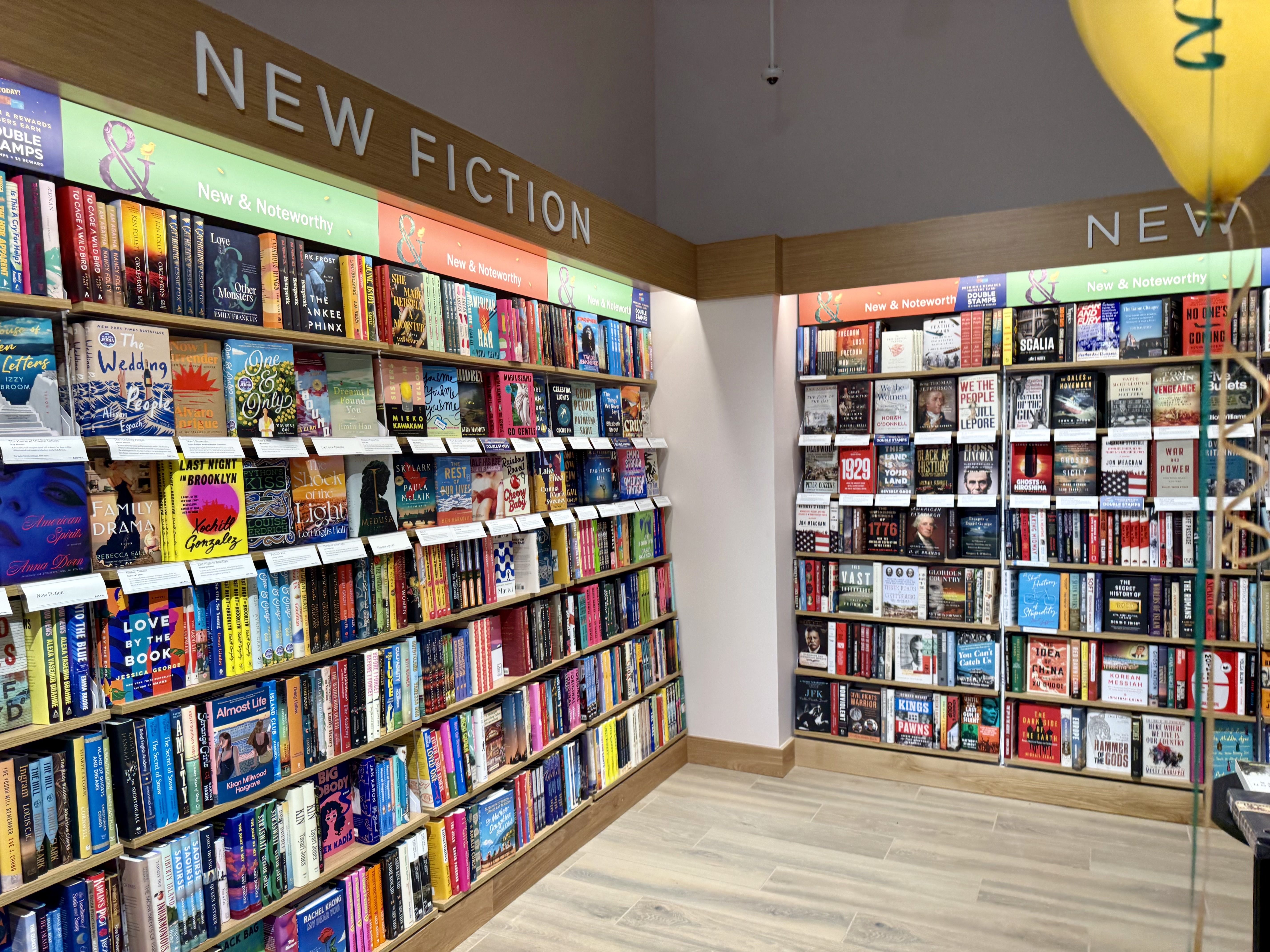
- At the recently opened Barnes & Noble downtown, bookseller Becca Lovell tells Axios that Seattle readers are excited to have another bookstore option in the neighborhood.
The big picture: Barnes & Noble CEO James Daunt is widely credited with reviving the chain by giving local managers more freedom to stock books their communities actually want to read.
- In Seattle, that means fantasy and science fiction are among the strongest sellers, Lovell says.
Between the lines: As AI reshapes how people consume information, bookstores have become more than places to buy books, says Peggy Stover, a University of Iowa business marketing professor.
- Increasingly, people are seeking out places to socialize that don't revolve around alcohol or algorithms.
- Gen Z is also leading a push to bring back analog experiences and a "feeling of nostalgia," Stover tells Axios.
By the numbers: The number of U.S. bookstore companies rose 70% from 2021 to 2025, per the American Booksellers Association.
- 73% of booksellers recorded a sales increase in 2025.


Reality check: 36% of Americans say they're reading fewer books than they did a decade ago, according to a CBS News poll conducted in June.
- Only 23% are reading more, while 40% are reading about the same.
The bottom line: You can judge this book by its comeback.